A heated debate emerged at a recent Brussels meeting over whether Hungary could link European Union legislation tied to a 90 billion euro loan package for Ukraine with the issue of the Druzhba oil pipeline, Hungary’s Minister for EU Affairs János Bóka said in an interview published on Friday.
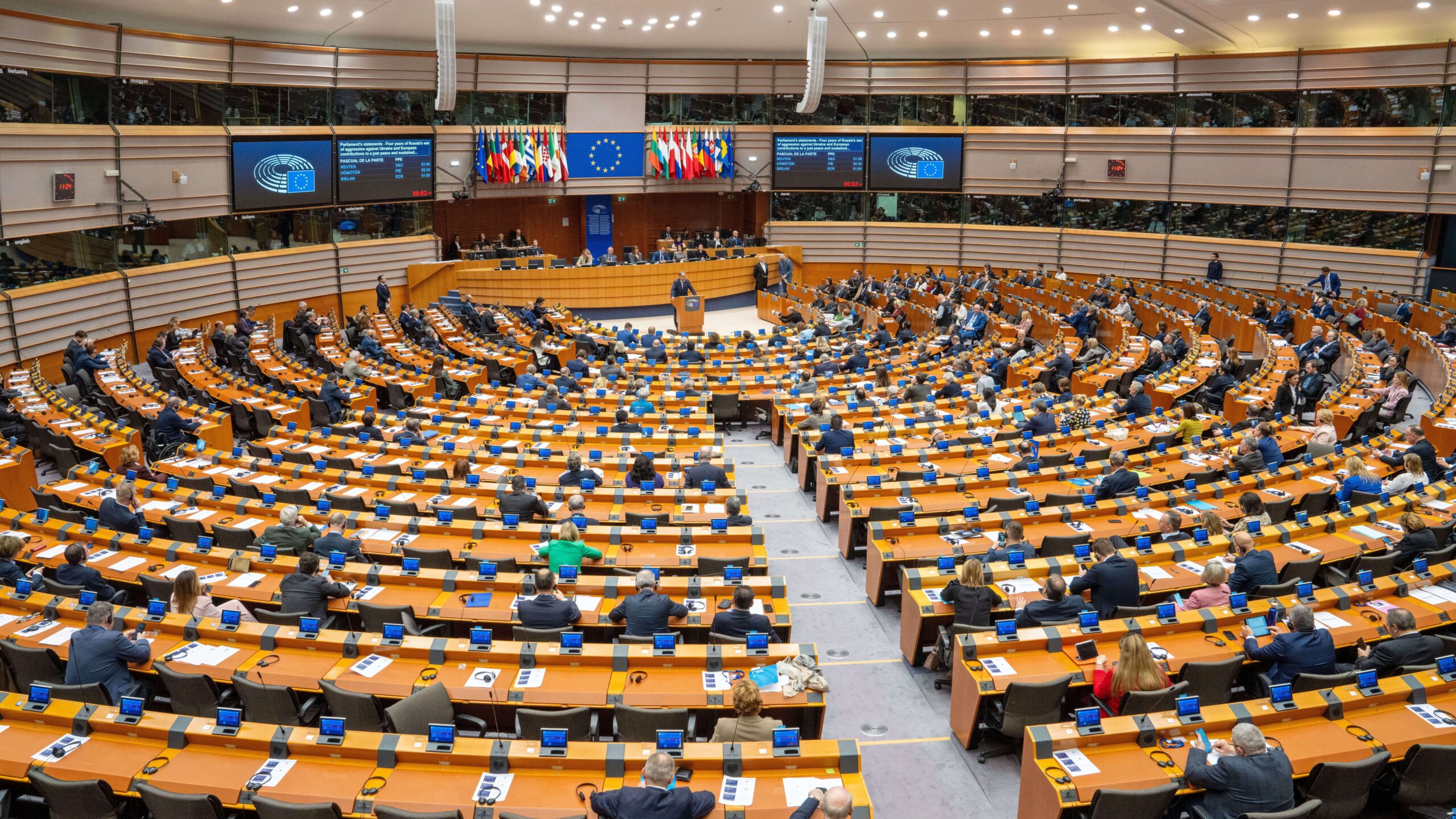
Speaking to Index, János Bóka said that while the pipeline dispute was not formally listed on the agenda of the council meeting, the discussion about Ukraine effectively centred on the issue during talks preparing for the upcoming March summit of the European Council.
According to the minister, the exchange among member states was lengthy and emotional, at times involving raised voices. The discussion focused on the real situation surrounding the pipeline, including questions about who was putting pressure on whom, the state of the infrastructure, whether it remained operational, and how the developments should be interpreted.
At the heart of the dispute was whether Hungary could connect the EU’s legislative steps required for the 90 billion euro loan package to Ukraine with the reopening of the Druzhba oil pipeline. Several member states argued strongly that the two issues were unrelated.
Those countries maintained that a political agreement on the loan framework had already been reached earlier and, therefore, should not be reopened as a political debate. In their view, Hungary was unnecessarily politicizing what they described as a technical and implementation issue rather than a matter for renewed political negotiation.
The Hungarian government, however, believes that Ukraine has not reopened the pipeline for political reasons. If the decision is political, Budapest argues, then it is intended as pressure on Hungary, a stance the government considers unacceptable.
Bóka also said EU institutions had made it clear they did not intend to pressure Kyiv to reopen the pipeline. Officials from the European Commission indicated that they would not intervene, and, according to the minister, they also showed no willingness to independently verify whether the pipeline was operational without relying on Ukrainian sources.
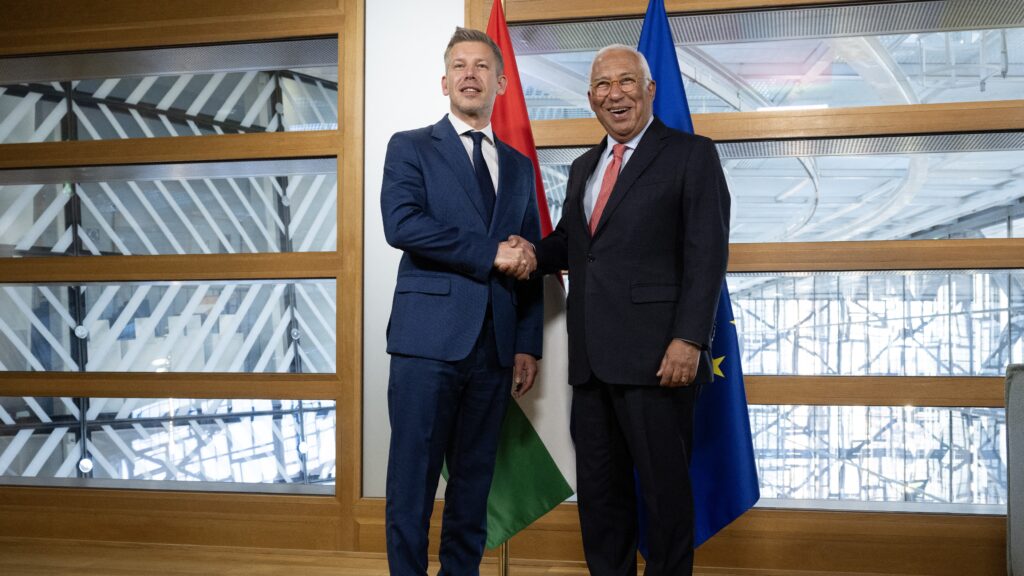
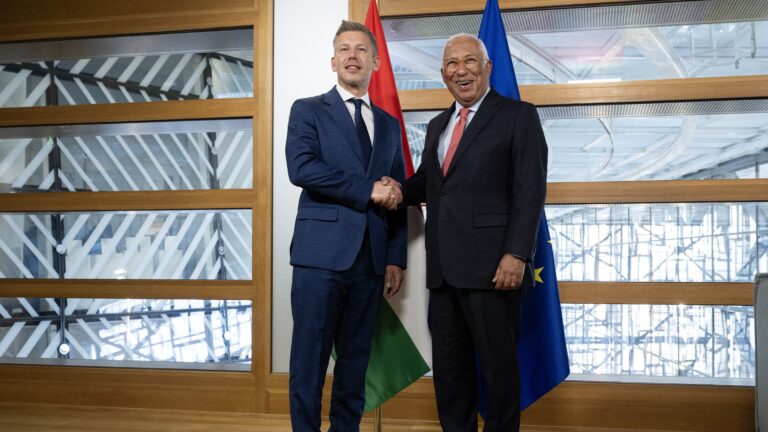
He added that a similar position had emerged from the European Council under its president, António Costa, which rejected any connection between the pipeline dispute and the 90 billion EU loan framework in correspondence with Hungary’s prime minister.
Bóka said most EU institutions and member states had shown little understanding of Hungary’s position and were not open even to an independent investigation into the pipeline situation. In such circumstances, he noted, Hungary could use tools within EU decision-making processes, including potentially blocking the 20th sanctions package or the loan framework.
The minister argued that such steps could be politically justified if Hungary’s energy security was at risk. At the same time, he emphasized that the EU already has dispute-resolution mechanisms designed to address similar situations.
‘Most EU institutions and member states had shown little understanding of Hungary’s position and were not open even to an independent investigation into the pipeline situation’
Among them is the EU–Ukraine Association Agreement and the Deep and Comprehensive Free Trade Area (DCFTA), which includes an Early Warning Mechanism intended to provide consultation frameworks in the event of disruptions to energy supplies. However, Bóka said the Hungarian government did not consider activating the mechanism useful in the current situation, given the European Commission’s stance.
Addressing speculation about whether Hungary could cut electricity exports to Ukraine, the minister said such a move would place an unnecessary burden on the Ukrainian population and on the Hungarian community living in Transcarpathia. He stressed that Hungary does not want to worsen the situation for people in a country affected by war, but instead aims to send a message that it cannot be pressured through what he described as an energy weapon.
Bóka also argued that the upcoming Hungarian election has broader European significance. In his view, many political actors across Europe do not see it solely as a domestic event but as a development that could influence the future direction of European integration.
He said the vote would test whether a government strategy centred on defending national sovereignty against EU institutions can remain politically successful within the bloc.
According to the minister, both the United States and China may also be watching developments closely, as previous cooperation has created stable foundations, and both countries are interested in pragmatic partnerships with the European Union without unnecessary political obstacles to economic ties.
Related articles:
At a time when public debate is increasingly polarized and superficial, Hungarian Conservative remains committed to depth, intellectual honesty, and independent conservative thought.
Producing high-quality journalism requires resources. Your contribution helps us expand our coverage, reach new audiences, and keep our content accessible.

Please consider supporting our mission.