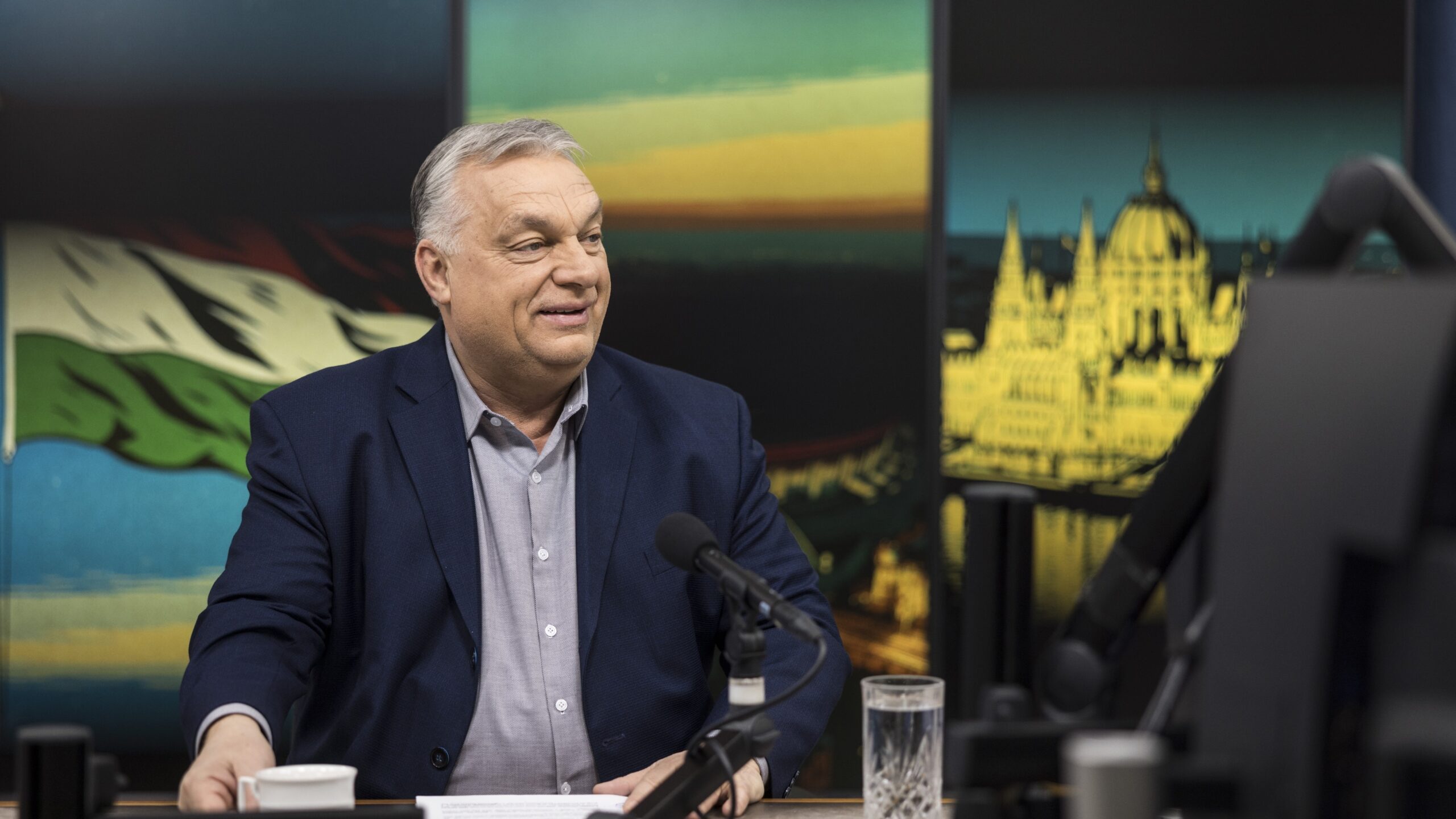
Hungary’s economy has sufficient resources to support welfare measures, Prime Minister Viktor Orbán said in a radio interview on Friday, while also addressing foreign policy issues, including relations with US President Donald Trump, the war in Ukraine and European Union policies.
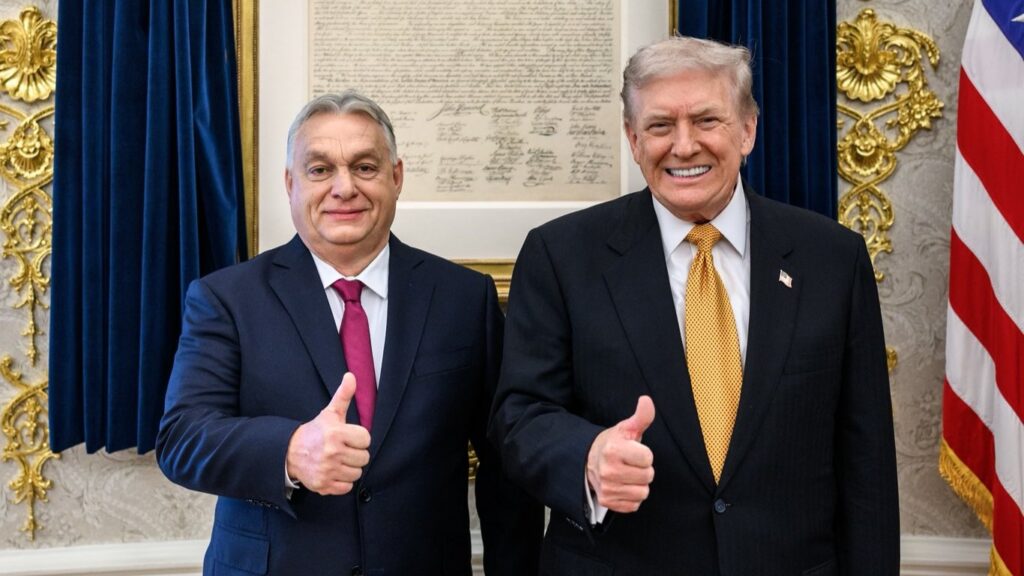
Speaking on public Kossuth Radio, Orbán said his government’s approach is to build alliances, highlighting what he described as a longstanding relationship with Trump. The prime minister argued that the Russo–Ukrainian war might not have broken out had Trump remained in office over the past four years, adding that Hungary is seeking European allies to promote peace efforts. He also said friendly relations with the US administration could encourage American investments in Hungary.
Orbán noted that the Hungarian economy recorded 0.3 per cent growth last year, but maintained that the country can still finance welfare measures. He said the government had operated with a budget deficit of around 5 per cent, placing Hungary in the middle range among European economies. Despite financial challenges, he argued that the economy remains strong enough to continue supporting families through policies such as tax exemptions for mothers with two or three children and subsidized loans for first home buyers. He added that the government aims to transform Hungary into what he described as a family centred economic model over the next four years.
The prime minister also defended pension policies, saying pensions are earned benefits rather than state gifts. He claimed that European Union institutions oppose measures such as additional pension payments, while accusing Brussels of seeking to redirect funds from Hungarian families towards supporting Ukraine. Orbán stressed that Hungary rejects borrowing or introducing austerity measures to finance such policies.
Jó reggelt, Magyarország! 2026.02.06.
Jó reggelt, Magyarország! 2026.02.06.
Addressing domestic politics, Orbán criticized the opposition Tisza Party, claiming it would be unable to resist pressure from Brussels. He alleged that the party is supported by foreign actors and suggested it promotes different messages publicly and internally.
On energy policy, Orbán reiterated his opposition to sanctions on Russian energy imports, arguing that Hungary must maintain lower household utility costs. He said previous negotiations with Washington helped Hungary avoid measures that could have significantly increased energy bills. The prime minister claimed that abandoning Russian energy sources would undermine the government’s policy of utility cost reductions.
Orbán warned that Europe is moving closer to direct involvement in the war in Ukraine, citing concerns about financial support, potential troop deployments and the possibility of military escalation with Russia. He said Hungary’s objective is to remain outside the conflict and opposed the stationing of Western troops in Ukraine without an agreement with Moscow.
He also criticized Ukraine over allegations of forced conscription affecting ethnic Hungarians, stating that Hungary would continue to raise the issue internationally. Orbán said Hungary supports peace initiatives and intends to maintain its position even if it conflicts with the majority stance within the European Union.
Related articles: