German Chancellor Friedrich Merz has said that the free trade agreement between the European Union and the Mercosur bloc will enter into provisional application despite plans by opponents in the European Parliament to challenge the pact in court.
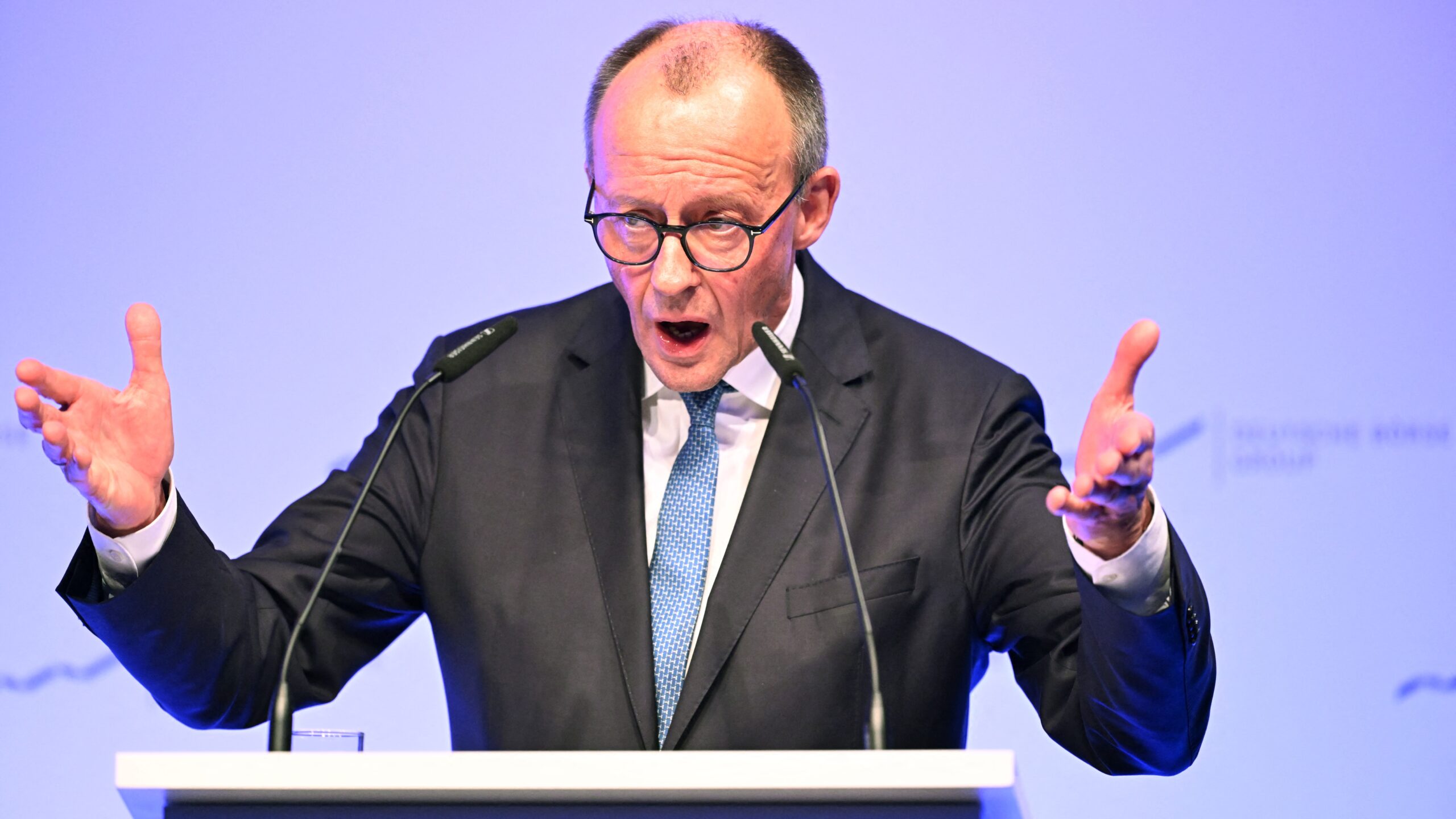
According to Merz, the EU–Mercosur agreement can be applied provisionally even before the European Union’s Court of Justice concludes its legal review. ‘As soon as the first South American country ratifies it, this trade agreement will enter into force provisionally,’ Merz said on Monday in Frankfurt, as reported by Bloomberg.
While Berlin presents the agreement as a step towards strengthening Europe’s economic sovereignty, European farmers continue to strongly criticize the deal. Speaking at the German stock exchange’s New Year reception, Merz, a member of the Christian Democratic Union (CDU), said the provisional entry into force of the Mercosur agreement was inevitable. He added that last-minute attempts in the European Parliament to delay ratification had failed, according to Die Zeit.
The chancellor stressed that Europe must become more sovereign and competitive amid global economic realignments. In his view, Germany could assume a central role in a ‘dynamic, flexible network’ based on cooperation between sovereign states, multilateralism and free trade.
Signed after more than 25 years of negotiations, the Mercosur agreement was concluded earlier this year. However, the European Parliament voted by a narrow majority to request a review by the European Union’s Court of Justice to determine whether the agreement is compatible with EU law before final ratification.
Merz argued that this legal examination does not prevent provisional application once the first Mercosur country ratifies the treaty. The agreement has triggered strong resistance within the European agricultural sector, where farming organizations fear that an influx of cheaper South American agricultural products could seriously undermine European producers’ livelihoods and pose an existential threat to certain sectors.
Supporters of the deal, however, argue that the European automotive, machinery and pharmaceutical industries could gain significant export opportunities in Mercosur markets, strengthening the EU’s economic position in the long term.
Related articles: