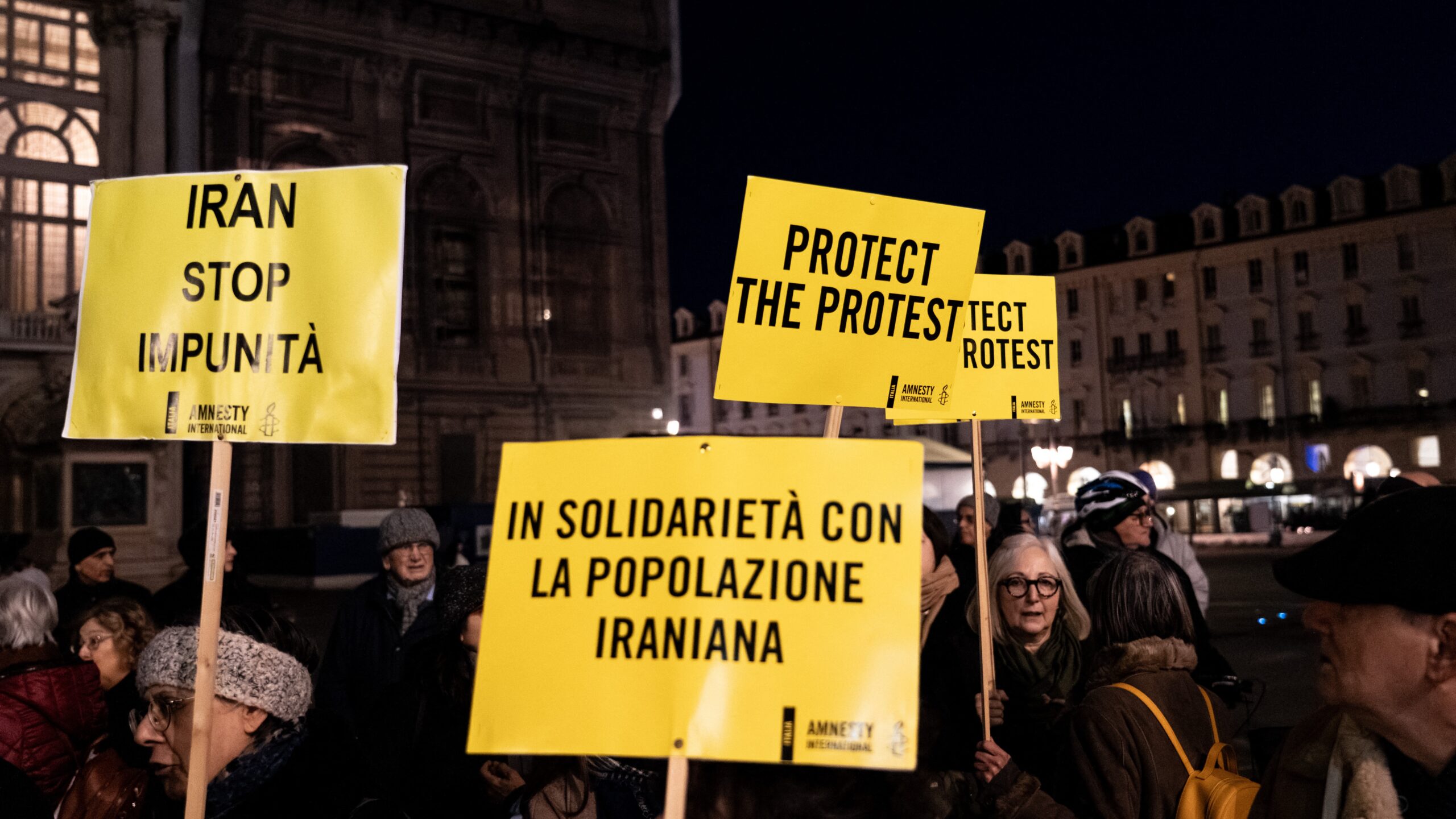
New reports show increasingly high casualty figures following the violent suppression of protests in Iran, while the possibility of US involvement is still on the horizon. Yet the streets of Western cities have remained largely silent when it comes to solidarity with the Iranian people.
Mounting Evidence of Mass Casualties
Iran’s latest wave of anti-government protests may have resulted in one of the bloodiest crackdowns in the country’s modern history. According to Time magazine, citing local medical sources and human rights activists, Iranian security forces may have killed between 20,000 and 30,000 protesters during a particularly intense phase of repression in early January. Two senior healthcare officials said that more than 30,000 people may have died in just two days, 8–9 January 2026, based on data collected on the ground by doctors and first responders. The figures were analysed and compiled by an Iranian physician living in exile.
The British Daily Mail cited a separate estimate by another Iranian doctor who fled the country, suggesting that the total death toll over the entire protest period may exceed 33,000.
According to the latest report by the US-based Human Rights Activists News Agency (HRANA), 5,459 deaths linked to the protests have so far been confirmed by name or tied to specific cases, the vast majority involving peaceful demonstrators. HRANA emphasized, however, that more than 17,000 additional deaths are currently under investigation, based on partial or indirect information. Including these cases, the number of victims connected to the suppression of the protests approaches 22,490.
Leaked healthcare data also paint a grim picture of the scale of injuries. Reports indicate that approximately 100,000 people were wounded, nearly 30 per cent of whom suffered gunshot injuries to the eyes. Human rights organizations say this pattern suggests that security forces deliberately targeted the head and eyes in order to inflict permanent injuries and deter further protests.
Iran Denies the Reports — But Will the US Intervene?
While international and independent sources continue to report rising casualty figures, Iranian authorities have consistently denied the allegations. According to the official position of Tehran’s Islamist leadership, a total of 3,117 people were killed during the protests.
‘Security forces deliberately targeted the head and eyes in order to inflict permanent injuries and deter further protests’
Efforts to obtain accurate information and independently verify reports have been severely hampered by internet and telecommunications shutdowns, rendering external monitoring of events nearly impossible.
Human rights organizations warn that the current crackdown could come to be regarded as one of the most severe massacres in modern Iranian history. As death tolls rise and reports of mass injuries continue to emerge, international pressure on the Iranian regime is increasing. At the same time, the possibility of US military intervention remains on the horizon.
The USS Abraham Lincoln, one of the US Navy’s aircraft carriers, along with its strike group, has arrived in the Middle East, expanding Washington’s military options vis-à-vis Iran. The redeployment of naval assets from the Indo-Pacific region began after Donald Trump, reacting to the bloody crackdown, promised assistance to Iranian protesters. Writing on his Truth Social account, Trump declared: ‘Help is on the way!’
So far, however, no US military action has taken place. Trump has appeared to pursue de-escalation, stating that US intelligence indicates the Tehran regime has halted the planned executions of detained protesters.
Why Is the World Indifferent to the Death of Iranian Civilians?
While large crowds have repeatedly taken to the streets of Western capitals and university campuses in solidarity with civilians in Gaza, far less sympathy has been shown toward Iranians demanding basic freedoms from an oppressive regime and facing brutal violence in response. This is despite the fact that even the most conservative estimates point to an extraordinarily high number of victims.
The disparity once again highlights how parts of Western liberal activism apply empathy and moral outrage selectively, aligning them with political narratives. In this case, it seems like solidarity with freedom-seeking Iranians does not fit neatly into the liberal left’s agenda—particularly because, in this case, neither Israel nor the United States can be readily blamed.
Related articles: