Trump first floated the idea of purchasing Greenland publicly back in 2019, during his first term, arguing that the acquisition would be strategically advantageous for the United States for geopolitical reasons. At the time, however, his remarks were not followed by a sustained communications campaign. This time was different.
Rising Tensions within the Transatlantic Alliance
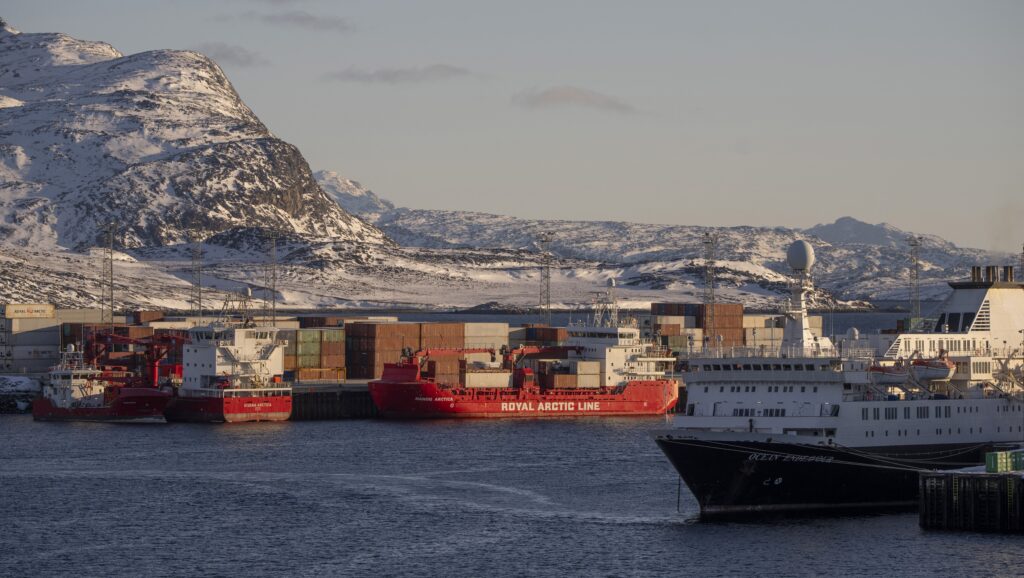
The ‘Greenland crisis’ that unfolded in early 2026 escalated sharply when Trump openly threatened Greenland and Denmark, suggesting that the United States could even annex the island. He also warned of imposing 25 per cent tariffs if Denmark refused to relinquish control. Trump’s core argument was that Denmark is unable to adequately defend the strategically vital territory, which is crucial for Arctic shipping routes and rich in natural resources such as rare earth elements—assets that could attract the attention of Russia or China. Trump also promised to extend the US ‘Golden Dome’ defence system to cover the island.
In pursuit of Greenland, Trump repeatedly refused to rule out a military invasion and even shared AI-generated images on social media depicting an American takeover of the island. The blunt rhetoric and the prospect of a trade war triggered a serious diplomatic crisis between the United States and Europe. Both the Greenlandic and Danish governments firmly rejected Washington’s demands. Copenhagen signalled that it would defend its territory in the event of an attack and could even invoke NATO’s Article 5.
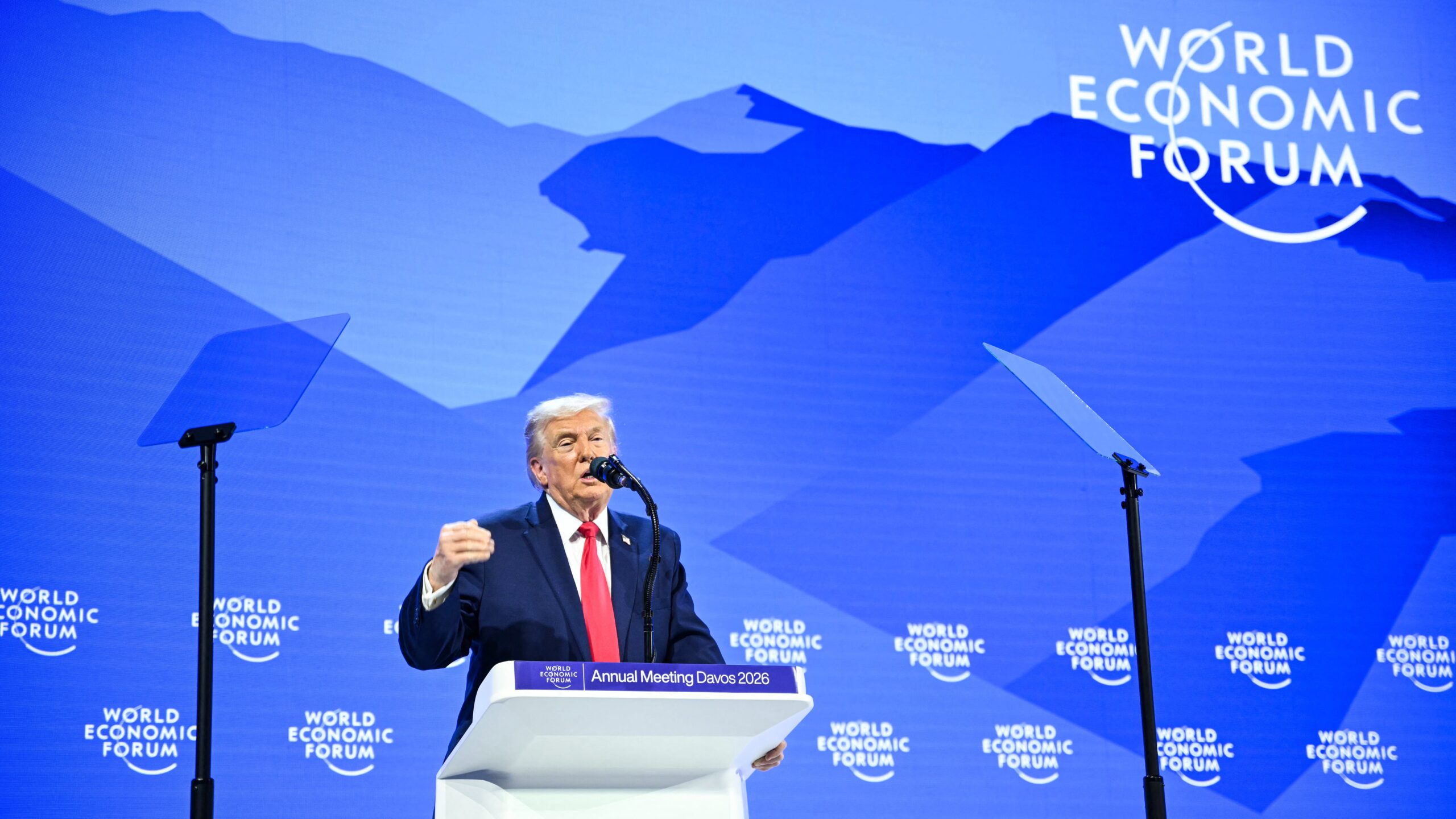
Several European NATO members sent military reinforcements to Greenland as part of ‘Operation Arctic Endurance’, moves that Trump in turn threatened to punish with tariffs scheduled to take effect on 1 February. Unsurprisingly, many in Europe began to openly speculate about the potential collapse of NATO and the broader transatlantic alliance. In this very milieu Trump arrived at the World Economic Forum on 21 January 2026.
Trump Backs Down
While many—including financial markets—expected Trump’s Davos appearance to bring further escalation over Greenland, the president did precisely the opposite. Trump announced that, following talks with NATO Secretary General Mark Rutte, the groundwork had been laid for an agreement on the future of Greenland and the Arctic region as a whole. As a result, the United States would not impose tariffs on Denmark or other European allies, nor would it use military force to pursue control over Greenland.
‘People thought I would use force. I don’t have to use force. I don’t want to use force. I won’t use force,’ Trump said, adding that he was ‘seeking immediate negotiations to once again discuss the acquisition of Greenland.’
In a subsequent post on Truth Social, Trump wrote that the parties had outlined an agreement that he believes could benefit the United States and all NATO members. Washington, he suggested, would ultimately achieve its goals through diplomacy. The details of the deal are expected to be finalized in the coming weeks.
Danish Foreign Minister Lars Lokke Rasmussen welcomed the announcement, writing on social media:
‘The day is ending on a better note than it began. We welcome that POTUS has ruled out taking Greenland by force and paused the trade war.’
The Art of the Deal
European allies—and all those who feared a military clash between the United States and NATO—can now breathe a sigh of relief. Those who closely follow Trump’s business and political career, however, were never convinced that a military conflict over Greenland was likely.
In reality, the Greenland crisis was a textbook example of Trump’s negotiating technique. When he wants something, he pushes to the very edge, dramatically raising the stakes, only to step back in a way that leaves the other side feeling it has also gained something. Trump described this approach nearly 40 years ago in his book The Art of the Deal, explaining that he always asks for far more than he actually wants in order to secure his desired outcome.
The same method has been evident in Trump’s dealings with NATO, Ukraine, and Gaza. And yet, quarter after quarter, the world continues to react with surprise to his latest manoeuvre.
Related articles: