The following is an adapted version of an article written by Emese Hulej, originally published in Hungarian in Magyar Krónika.
The 20th century in women’s reading. Artists, scientists, legendary educators, lifesavers, and society’s favourites. The next heroine in Magyar Krónika’s series is Emma Hadady, who died a martyr’s death in Celebes during World War II alongside her doctor husband.
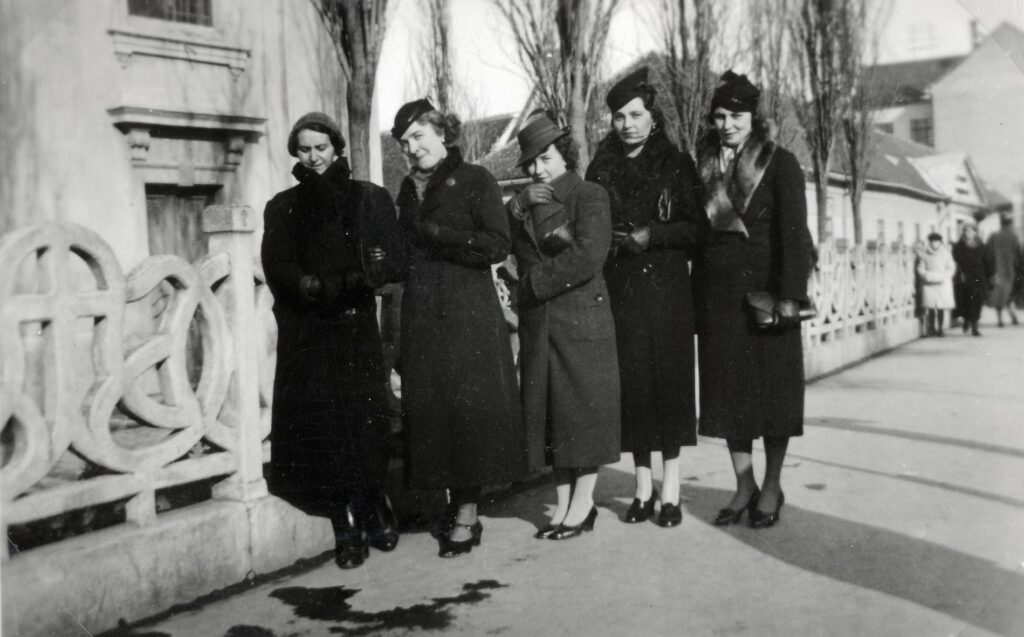
Kind, educated, and beautiful—that was the general opinion of Bailiff Hadady’s daughter. The whole town was delighted when Emma married the talented young doctor, Gyula Cseszkó, star player of the local football team. They both attended the town’s Reformed secondary school, where they probably first met. The young doctor, who graduated from Leiden, began his career at the town hospital, but before the wedding, in the autumn of 1929, he opened his own private practice.
However, the difficulties of the global economic crisis affected them just as so many others, so they decided to go on a distant mission. The East India Company often employed European doctors with good salaries and also provided them with one year of paid leave every six years. They first went to the Netherlands, and after receiving the necessary training, they set off for Indonesia in 1931. After a 60-day voyage, they arrived on the island of Celebes (aka Sulawesi), where they set up their base in a town called Tahuna. There were no houses, only a makeshift hospital, but soon they established not only a home but also a stone-built clinic.
Emma played an active role in all this, having learned a great deal about construction from her father. While their four children, Emma, Éva, Gyula, and József (born between 1931 and 1939), were born, the hospital was divided into separate wards for women, men, and children, and even had its own laboratory. While fighting typhoid, leprosy, cholera, and various tropical diseases, they organized medical care in the area and also took care of the difficult task of procuring medicines. Gyula Cseszkó travelled to the surrounding small islands in a small gasoline-powered boat, while Emma held down the fort at home and in the hospital.
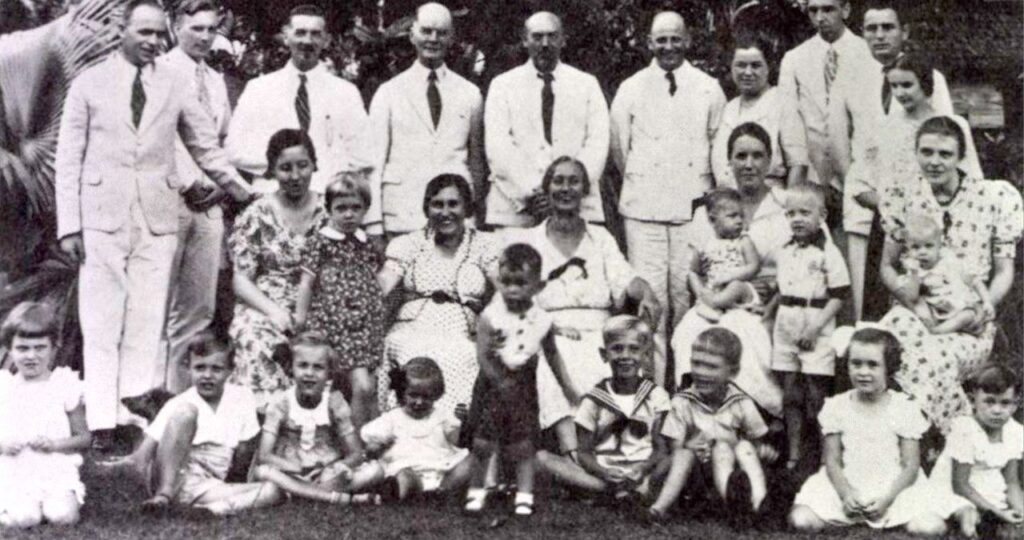
In 1937 they returned home with their three children and 20 suitcases, but only to visit Hódmezővásárhely. They gave lectures, rested, and bought a 50-acre estate where they could retire after their foreign service. After a year of vacation, they returned to Indonesia, and soon, little Józsi was born. Emma subscribed to several domestic newspapers so that they could keep in touch with their loved ones at home in addition to correspondence.
After the outbreak of the war, they could have left the island, but then who would have treated the locals? They decided to stay. The Japanese occupiers established a garrison there, and relations with them gradually deteriorated. At first, they even provided medicines, but the fact that they also treated Dutch and American wounded in the hospital was considered an act of hostility. First, they confiscated their radio, then in March 1944, they took Dr Cseszkó with them. The doctor was injured in a bomb attack in the internment camp, his wounds became infected, and he died.
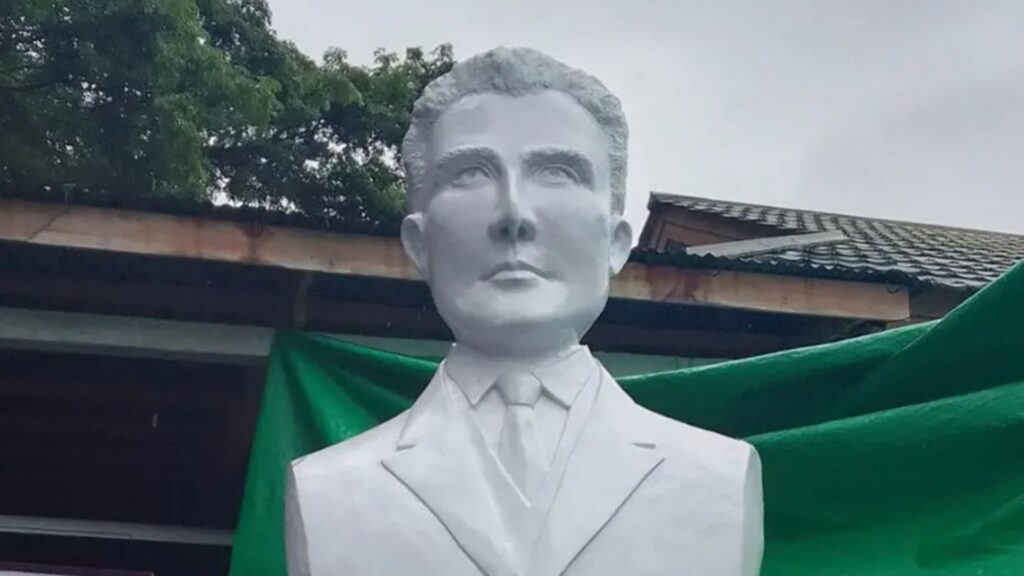
Emma stayed behind with the children and the hospital, but she was soon captured as well. She was tortured continuously to make her confess to her hostile activities, and because she continued to heal her fellow prisoners even in prison, first her fingers were torn off, and then, in November 1944, she was beheaded in front of her 13-year-old daughter, Emma.
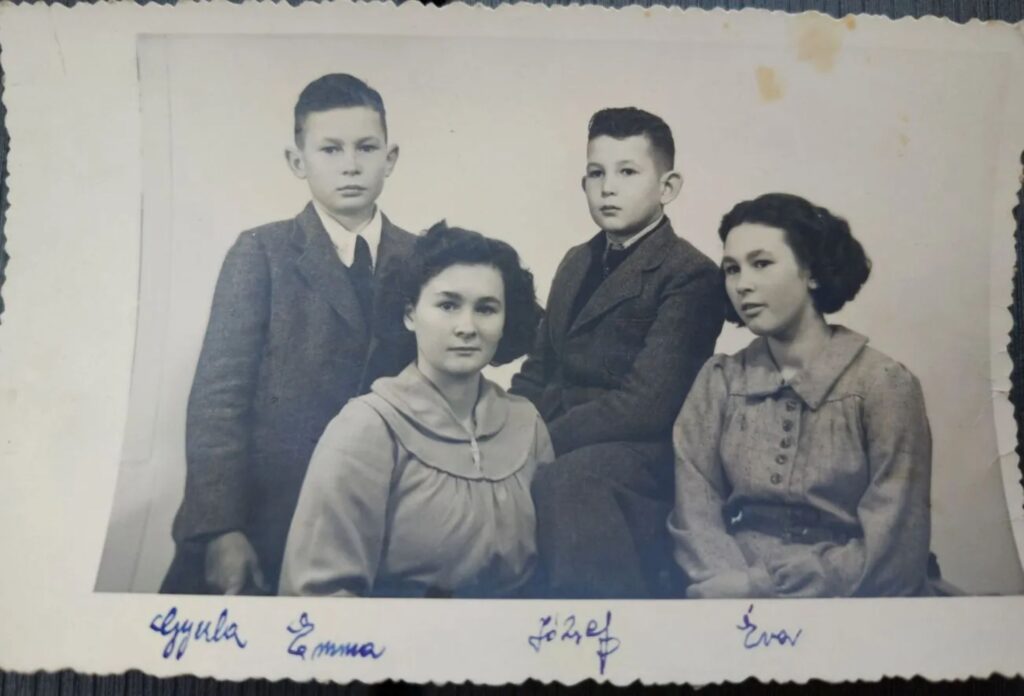
The children were rescued from island to island by local inhabitants and, eventually, American soldiers smuggled them to Australia. When the Dutch Queen learned of the episode, she arranged for the Cseszkó children to be brought to the Netherlands, where they were raised in gratitude for their parents’ service.
This article is based on writings by János Kubassek and László Földvári.
Read more about famous Hungarian women:
Click here to read the original article.