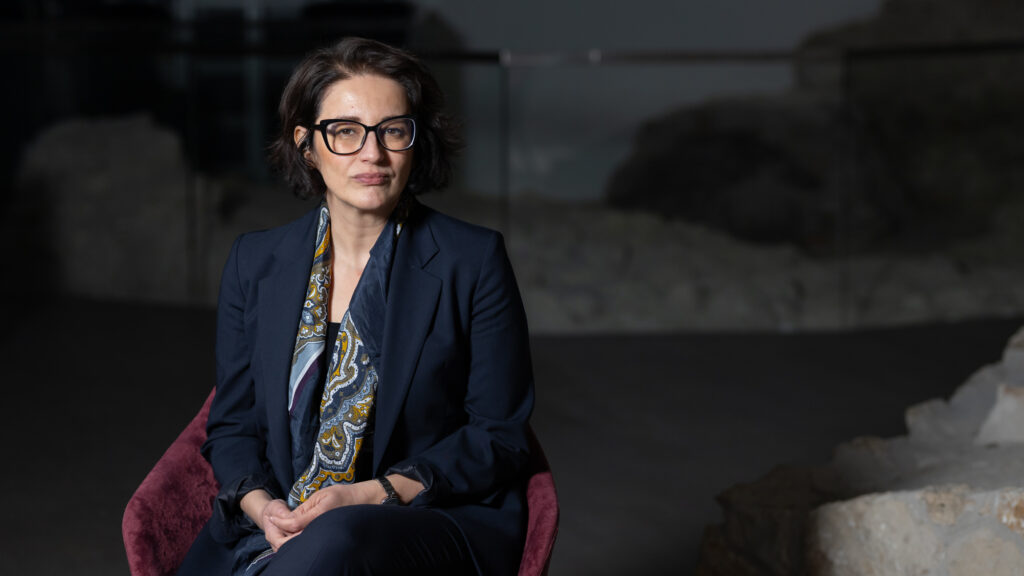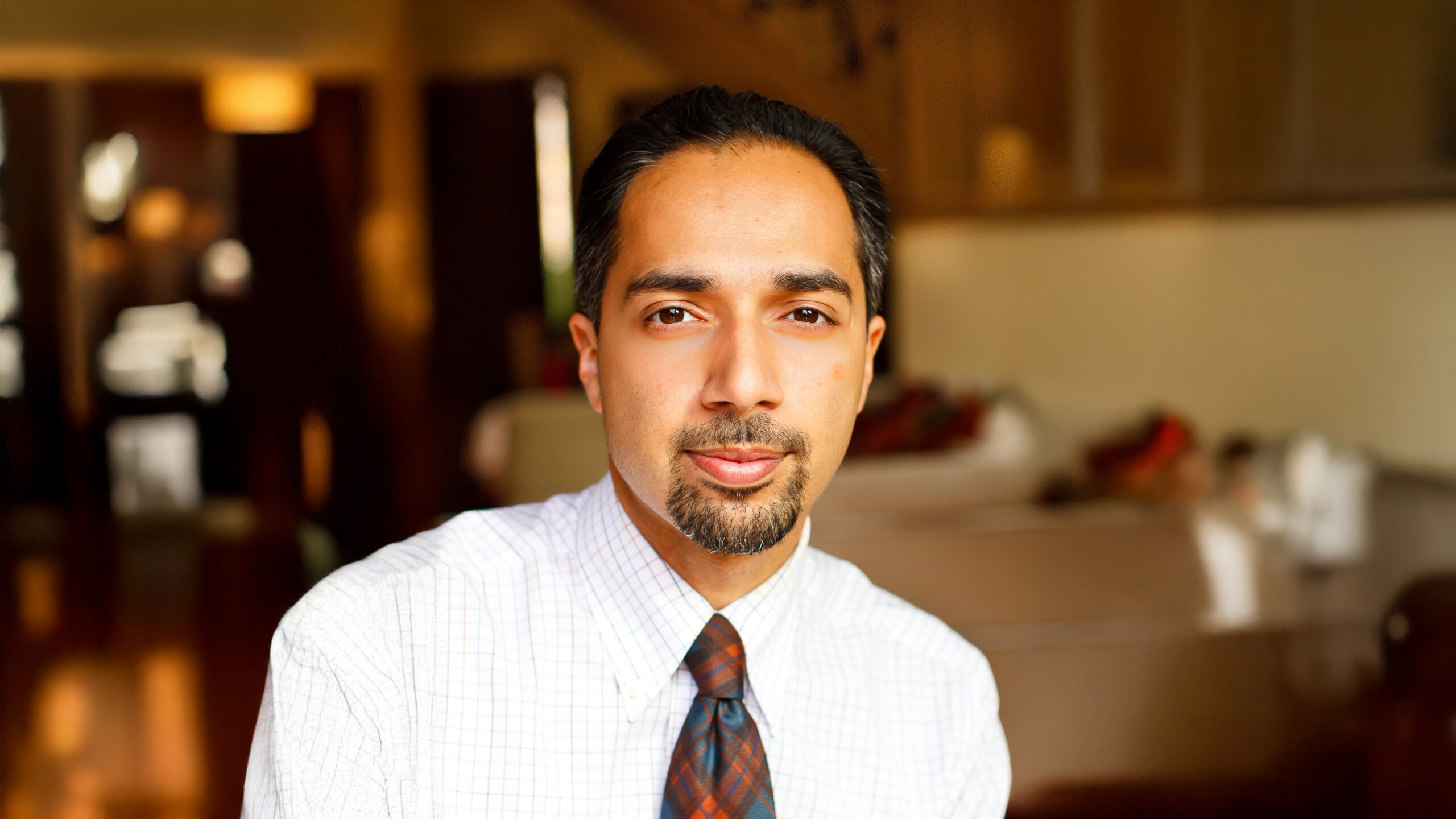
Trita Parsi is an Iranian-born Swedish writer, analyst, and expert on US–Iranian relations. He is the Executive Vice President of the Quincy Institute for Responsible Statecraft and is also the founder and former president of the National Iranian American Council. Parsi earned a master’s degree in international relations at Uppsala University and another in economics; later, he received his PhD in international relations at Johns Hopkins University. Early in his career, Parsi worked for the Swedish Permanent Mission to the UN, where he served in the Security Council, and later gained work experience on Capitol Hill. He is the author of Losing an Enemy: Obama, Iran, and the Triumph of Diplomacy, among other award-winning books.
***
Due to the state’s obstruction of the internet and communications, from what sources do experts obtain reliable information about current events in Iran?
During the blackout, it was extremely difficult to get information. It was near-complete. But prior to it, speaking to people on the ground, including outside Tehran, was key.
How is the current series of anti-government demonstrations different from the protests of 2009, 2017, 2019, or 2022?
There are many differences, but perhaps the most important factor is that the radicalization of protest demands has reached a peak. From seeking reform (2009), to calling for a revolution (2022), to, at least among some of the protesters, calling for foreign military intervention (2026). To a certain extent, this is a reaction to the repression and inflexibility of the regime. To a certain extent, it appears to have also been influenced by Iran’s geopolitical foes.
Has the general dissatisfaction broken through the barriers due to hyperinflation and the continuous deterioration of living standards, or are the unbearable restrictions on political and civil liberties also part of the buildup of tension?
Both of these factors are important. And it is important to recognize that the intent of the sanctions have been to collapse the Iranian economy and bring about this state of desperation among the Iranian people.
‘To a certain extent, this is a reaction to the repression and inflexibility of the regime’
Were the Western sanctions reintroduced last year effective? Is the Iranian regime, even with the help of allied states, unable to maintain the economic predictability that can prevent the deterioration of public sentiment?
Sanctions have, over the course of the years, been devastating. It appears impossible for Tehran to make the economy flourish without sanctions relief.
2,500 dead (probably many more) and 18,000 arrested—according to these figures, a part of the population is ready to risk their lives for change, despite the previous and current brutal official reprisals. Has the public mood become very anti-systemic? Is there any trust in the promise of reforms?
There is no hope for reform among the protesters, as well as many in society as a whole. Trump’s exit from the Iran nuclear deal was in some ways the final blow to the idea that reform and diplomacy with the US can improve the internal situation.
The general expert opinion is that the regime is strong; it cannot be overthrown from below through demonstrations. In what case could this happen?
The regime is entrenched, but it can fall if fissures are created internally and defections at high levels occur. But the external threat picture—from the US and Israel—and the undemocratic nature of external opposition groups such as the MEK (Mojahedin-e-Khalq or People’s Mojahedin Organization of Iran) or the Monarchists, render such defections less likely.
The Trump administration promised this: if the regime shoots at the protesters, it can count on American intervention. America bombed nuclear facilities a year ago, effectively. What do you expect: will there be another targeted American bombing?
There is a high likelihood that Trump will bomb, but it will have nothing to do with the repression of the protesters.
‘The regime is entrenched, but it can fall if fissures are created internally and defections at high levels occur’
If there is external intervention, what kind of boost could it give to the mass demonstrations demanding regime change?
I very much doubt that it will help the protesters, nor is it the aim. From Israel’s side, they have openly stated that they will bomb Iran after the regime falls, as they did with Syria after Assad fled, to ensure that Iran’s capacity to pose a threat to Israel is eliminated in the long term.
If the regime makes concessions due to pressure, can that still be sufficient at such an advanced stage of the process, or is this the endgame for the regime?
The regime still has ways to survive, but the social contract in Iran—weak as it already is—may not ever recover from this.
If the Ayatollah regime were to collapse in the near future, what kind of regime might follow? Could the Shah regime return?
The most likely outcome is that elements from within the regime take over. Prospects for Pahlavi or any other external opposition taking power remains highly unlikely.
Read more of our interviews: