The following is an adapted version of an article written by Mátyás Bíró, originally published in Hungarian in Magyar Krónika.
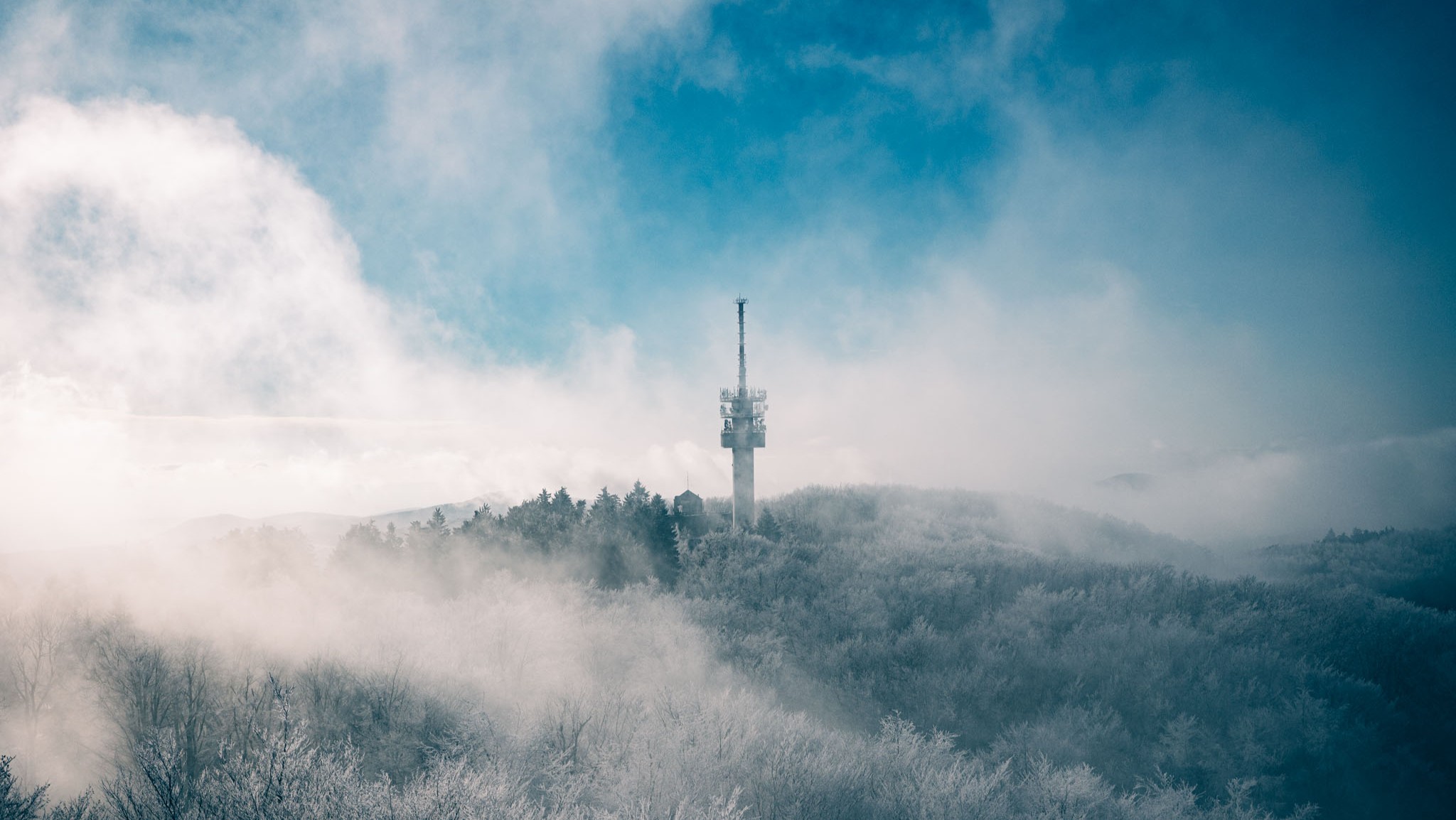
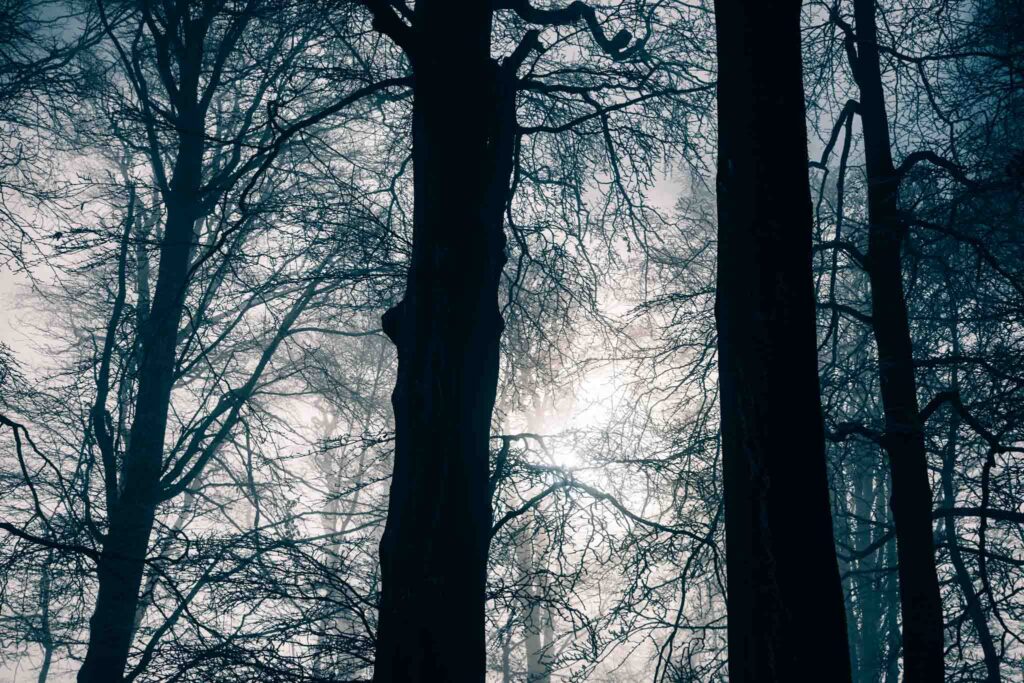
The winter charm of the mountains is breathtaking. The foggy landscape, the fences covered with fine hoarfrost, the sight of tired, ice-laden branches, sometimes cracking, the feeble attempts of sunrays, all belong to the atmosphere of the winter mountains.
Winter hiking is in a category of its own. Not only because mountain lovers should only embark on it if they are well prepared, but also because—especially in snowy periods—we enter an almost mystical wonderland.
Looking down from a high peak, the Galya-tető or the Vörös-kő (Red Stone) lookout, we see how the Almighty has made us a bed of soft, cloud-quilted blankets. Of course, we don’t do it, but we would love to jump right into the middle of it.
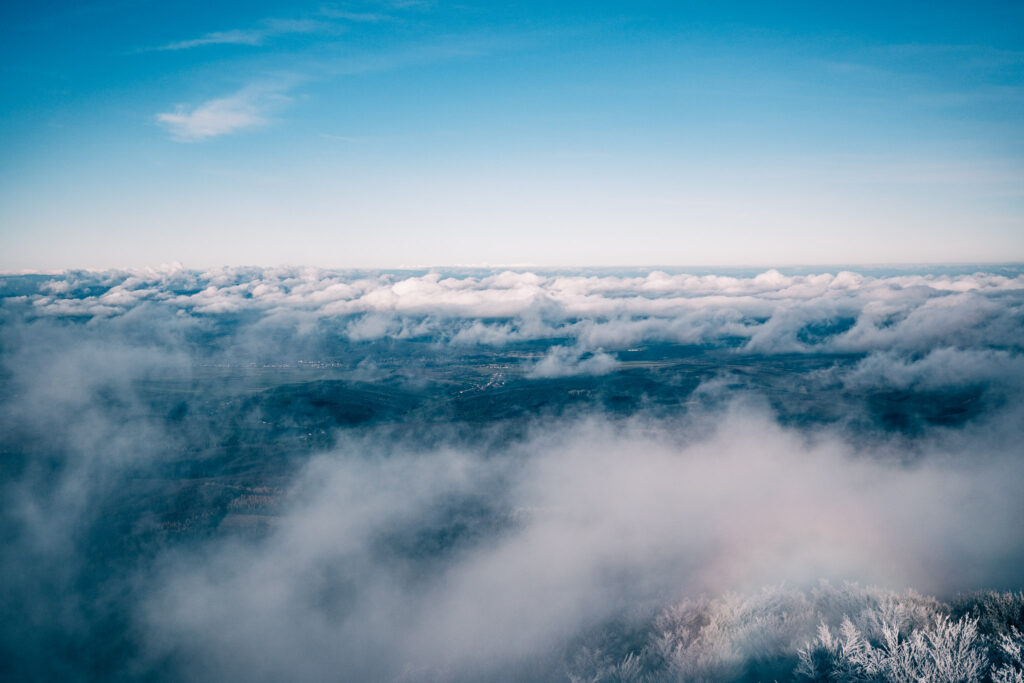
The name ‘galya’ is probably of Slovak origin, meaning treeless, grassy mountain. This is very difficult to imagine today, as the landscape has changed so much.
As the frozen snow cover crunches under our feet and we sink knee-deep into the snow that has been lying there for a few days, we are suddenly transported back to the winter world of our childhood, when even between our houses there was enough snow of the right quality for sledging and snowball fights. Today, we have to take our children to the Mátra or Bükk Mountains if we want to give them similar experiences.
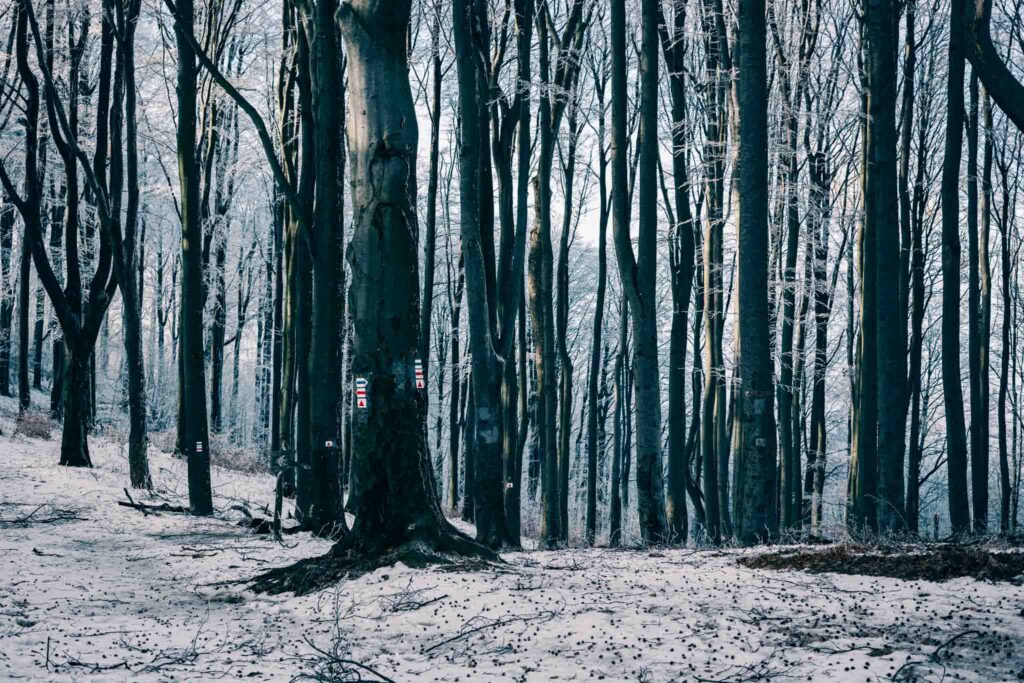
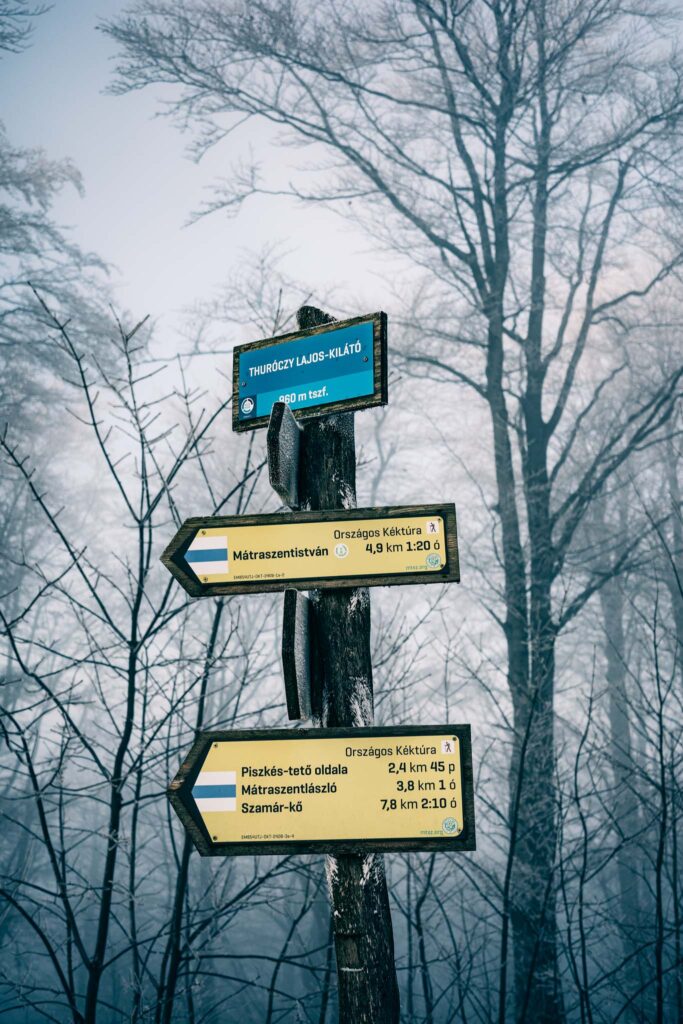
On this trip, we walked around Galya-tető in the winter landscape, among beech trees, exploring many sections of the spider web-like network of trails here, from blue to red and yellow. We took an eventful winter roller coaster ride to Mátraszentimre, Mátraszentistván, and Mátraszentlászló, passing through mountain settlements and villages, breathing in as much of the indescribably clean winter air as we could.
Sights in the Area
The village of Mátraszentimre consists of six settlements in the Upper, Western, and High Mátra regions: Mátraszentimre, Mátraszentistván, Mátraszentlászló, Bagolyirtás, Fallóskút, and Galyatető (the name of the settlement itself). These are the highest settlements in Hungary, at 750–835 metres above sea level.
In the past, the population here was predominantly of Slovak origin, and the first settlers were engaged in glassblowing and coal combustion, as their old names suggest, and the glassworks in Mátraszentimre also commemorate this. After the Trianon Treaty, mountain tourism took off. Under the Slovak–Hungarian population exchange agreement, a significant portion of the Slovaks living in the Upper Mátra were resettled. Some of today’s residents still preserve their Slovak roots in their language, and there is even a Slovak country house in Mátraszentimre.
The neo-baroque Three Villages Church, located on the border of Mátraszentimre, Mátraszentlászló, and Mátraszentistván, is one of the symbols of the Upper Mátra. According to legend, the three villages could not agree on the exact location of the church, so the archbishop of Eger designated its final location. One of the country’s most modern ski resorts, the Mátraszentistván Ski Park, is also located here.
The National Blue Trail passes through here as well, heading west to the Ágasvár tourist lodge through andesite forests. At Mátraverebély, we descend from the slopes of the Western Mátra, and to the east, climbing Kékestető, we reach Sirok, one of the most difficult but also most beautiful sections of the Blue Trail.
It is not even worth trying to describe the silence, tranquillity, and atmosphere of winter evenings in Galya-tető. One has to experience every second of it.
Related articles:
Click here to read the original article.