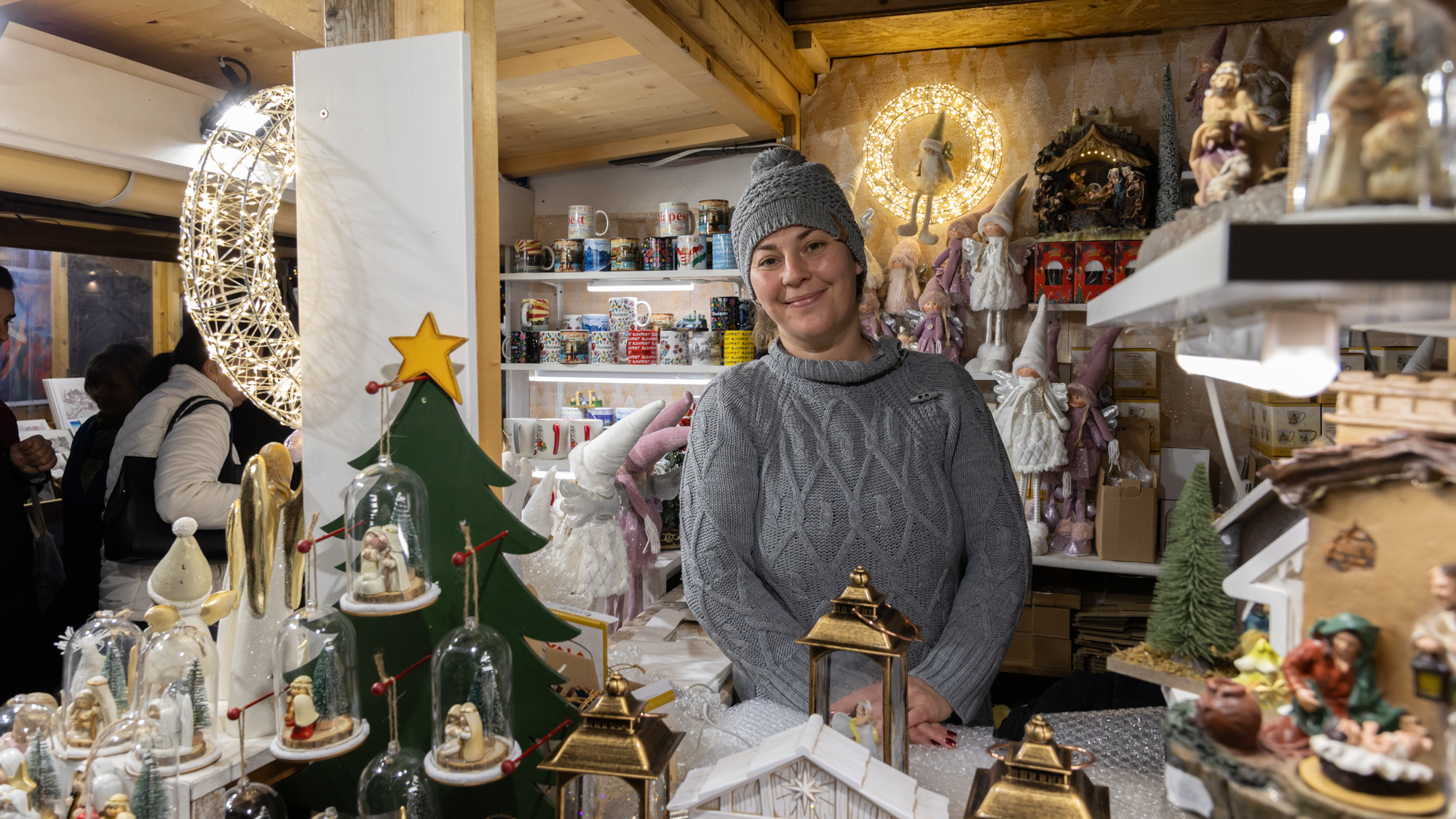
Christmas markets are a beloved part of winter in Hungary. Visit any major city, and you are almost guaranteed to find one in the main square. But why are these markets so popular, and how did they become such a central part of the holiday season?
The Origins of Christmas Markets
The first December markets date back to the 13th century, though they weren’t yet directly connected to Christmas. Albert I in Vienna authorized two-week markets in 1296, while in Bautzen, butchers got permission to sell meat until Christmas in 1384.
The oldest winter markets is Dresden’s Striezelmarkt, which began in 1434, followed by Nuremberg’s Christkindlesmarkt from 1628.
Christmas was highly influenced by German traditions, such as the decorated Christmas tree, which has its origins in 16th century Germany. Thus, the fact that Christmas markets originate from Germany is not surprising.
Later the phenomenon spread to Italy, Switzerland, and the German-speaking regions of France.
From a Saint’s Feast Day to Christ
The 16th century brought significant changes to the celebration of Christmas. Martin Luther had a huge role in the change, giving gifts not on St Nicholas’ Day but on Christmas itself. According to the reformer, Christ’s birth is a more meaningful occasion for giving gifts as God gave the world the Saviour.
Initially, the Church encouraged markets to be established near churches to draw people to religious services. Over time, however, the markets themselves became attractions.
The First Christmas Trees and the ‘Pine Festival’
As Christmas markets spread across Europe in the 19th century, the tradition reached Hungary, with Budapest quickly adopting the custom during the Austro–Hungarian Empire.
Markets were held in front of the old City Hall and near the Downtown Church on the Pest side of the Elisabeth Bridge. By the 1860s, Advent crowds gathered at these festive events, while Christmas tree markets appeared along the Danube and in city squares.
The first Christmas tree in Pest is believed to have been set up in the 1820s by Countess Teréz Brunszvik, with the Podmaniczky and Bezéredy families. By the mid-19th century, decorated trees were common in rich families’ homes. By the 1950s, Christmas was sometimes referred to as the ‘pine festival’, and Advent Sundays were renamed Bronze, Silver, or Gold Sunday.
The Tradition Continues
19th-century Christmas markets in Hungary were meant for all social classes. At that time, Christmas markets were more than commercial centres; they granted place for charitable acts, such as donations for nurseries and children’s shelters.
Today, Christmas markets in Hungary continue to attract locals and visitors. Budapest hosts some of the country’s most famous markets, opening in mid-November, but it is also worth visiting smaller towns’ markets for the different atmosphere. The markets offer festive lights, handmade crafts and seasonal foods.
Related articles: