
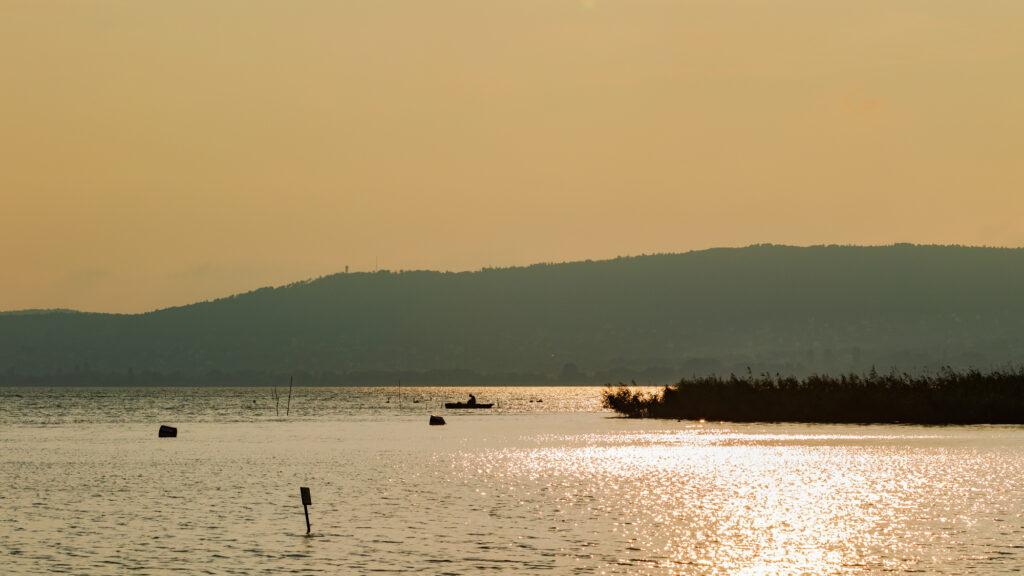







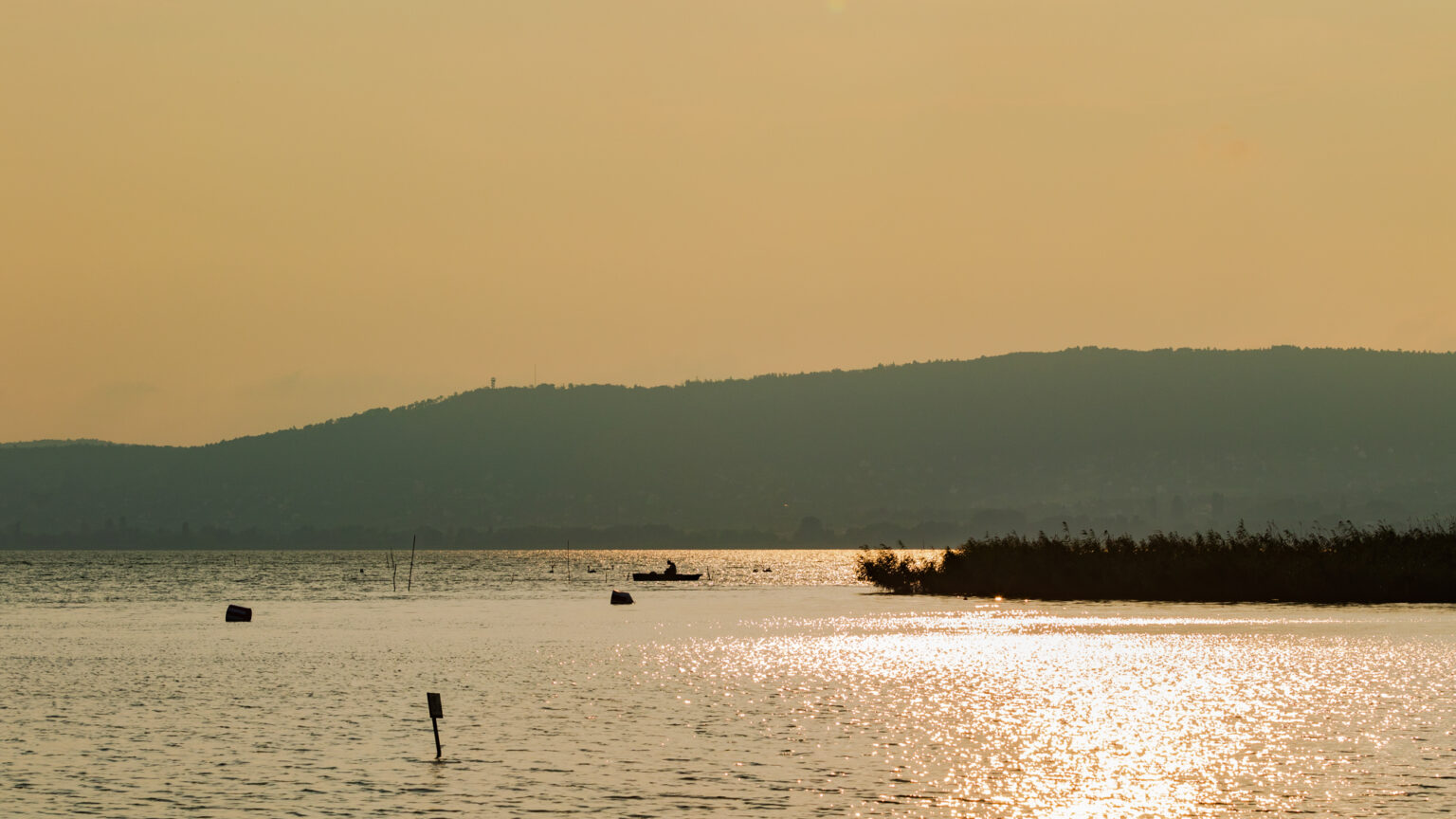
Large swarms of non-biting midges have once again become a major problem along Lake Balaton’s southern shore this summer, prompting complaints from tourists and businesses. While harmless to humans, their increasingly intense mass emergences are being linked to changing environmental conditions, including climate change. Siófok’s mayor has called for government action.
‘The greatest impact can be achieved when green roofs are not seen as decoration, but as a mandatory and supported element of urban green infrastructure.’

Although the Michelin Key hotel rating system is still relatively new and less established than the iconic Michelin Stars, it has already become a prestigious mark of excellence. This raises an intriguing question: how did a marketing tool created to sell tyres evolve into one of the most influential guides for modern travel?
Researchers at Budapest Business University have developed a science-based ecological footprint calculator designed for businesses, enabling companies to measure their environmental impact and identify areas where sustainability improvements can also reduce operating costs.
‘The document’s core message is that the green transition is not an ideological issue and is not merely a cost, but rather a prerequisite for the long-term competitiveness and security of Hungary—and of Europe as a whole.’

In the era of climate change and intensifying UV radiation, sun protection is no longer merely an aesthetic issue but an essential tool in preventing skin cancer. Yet misconceptions about products and application habits often leave our skin vulnerable during the most dangerous hours, while some sun protection choices may also harm fragile marine ecosystems.

Budapest’s scorching heat is only one sign of a broader environmental crisis. As drought intensifies and water levels in Hungary’s major rivers and lakes fall to alarming lows, the country faces a mounting challenge of water scarcity. Can water-retention policies and long-term adaptation offer a sustainable answer to a hotter, drier future?

As Europe’s summers grow hotter, climate change is quietly reshaping drinking habits. In Hungary, declining alcohol consumption and the rise of low- and non-alcoholic alternatives suggest that hydration, rather than tradition or generational change alone, is becoming the defining force behind the future of beverage culture.

Organic farming produces more drought-resistant crops and soils that retain significantly more water than conventional agriculture, according to experts featured on former President János Áder’s Blue Planet podcast.
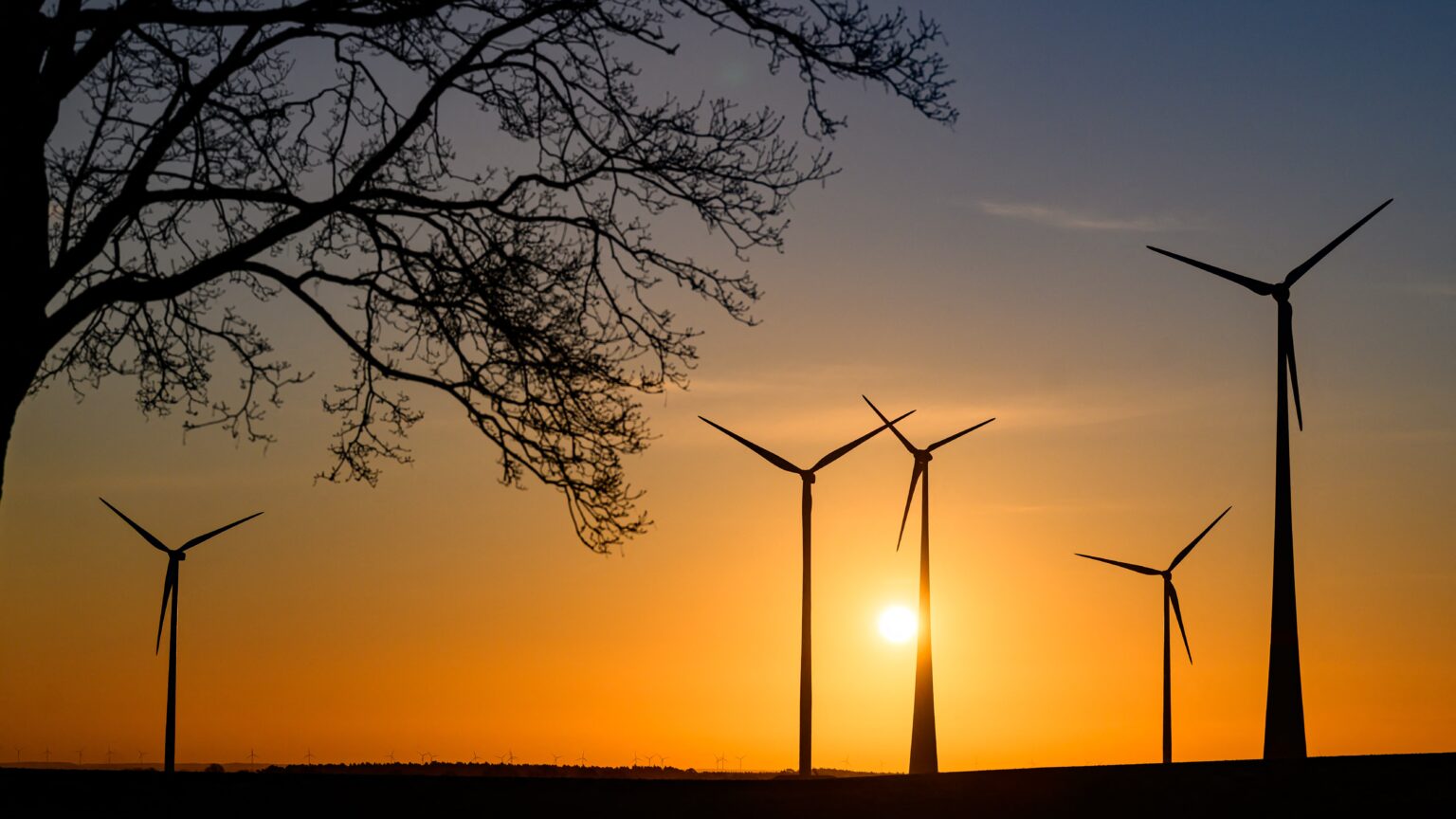
Hungary plans to increase its wind power capacity more than tenfold by 2030, with the first tender for 700 megawatts of new capacity set to launch later this year. The government says the programme will strengthen energy security, diversify renewable energy production and support the country’s transition to a more sustainable energy system.

‘…the AI Act provides an appropriate framework, but its sustainability provisions remain more aspirational than obligatory. To become truly green, it must move beyond voluntarism toward measurable, enforceable mechanisms.’

‘The 2025 report serves as a clear warning: Europe has entered an era of persistent climate instability. Following the record-breaking year of 2024, 2025 is no longer an exception but the new norm.’

While social media has put celebrities and influencers at the centre of public attention, the scientists shaping society’s future often remain on the sidelines. This visibility gap not only affects how science is perceived but also shapes how we understand and respond to the most pressing challenges of our time, including climate change.

‘At stake is compliance with a constitutional deadline, as well as the broader question of whether Hungary approaches climate change as a regulatory obligation or as a structural transformation challenge. The difference between the two will determine not only the content of the law but its long-term relevance in a rapidly changing environment.’

Hungary’s electric vehicle charging network grew by more than 1,000 units in 2025, reaching 4,227 licensed charging stations nationwide as electricity consumption linked to EV charging also rose sharply.

‘Water security in the Persian/Arab Gulf region fundamentally depends on seawater desalination. Countries in the region account for nearly half of global desalinated water production, with more than 400 plants operating across their territories.’

‘…introducing four-day working weeks can simultaneously improve employee well-being, shrink companies’ climate footprints, and give workers more time for environmentally responsible activities.’
The German government has unveiled a new EUR 8 billion environmental programme to get the country’s lagging climate commitments back on track. The initiative primarily focuses on expanding wind energy and promoting electromobility. Critics argue, however, that the plans are overly bureaucratic and unlikely to deliver meaningful results.

‘The 2024 Nature Restoration Regulation (NRR)…focuses primarily on agricultural land, forests, urban, marine, freshwater, and wetland areas. Its goal is to enhance the role of natural and semi-natural habitats in achieving climate targets and preserving biodiversity.’

A Dutch court has ruled that the Netherlands failed to adequately protect the Caribbean island of Bonaire from the impacts of climate change, citing human rights obligations and discriminatory treatment compared to residents in the European Netherlands. The judgment orders the government to strengthen emissions targets and develop a comprehensive climate adaptation plan for the island.
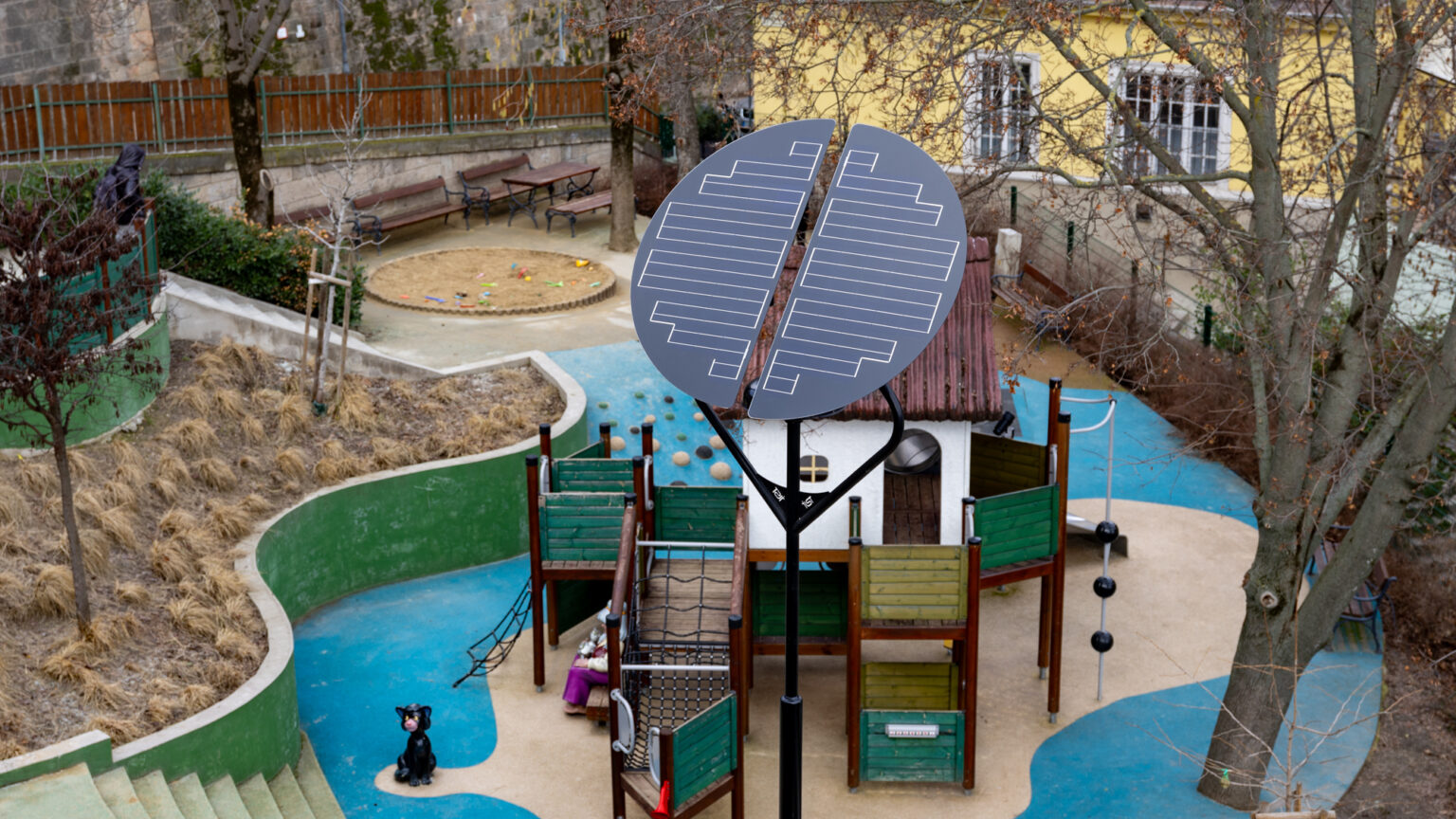
A Hungarian-developed battery anode with significantly higher charge capacity and more environmentally friendly production could soon enter manufacturing, according to researchers speaking on the Blue Planet podcast hosted by former Hungarian president János Áder. The technology, developed after more than a decade of research, could improve lithium-ion batteries used in electric vehicles and energy storage systems.

‘Climate change can be brought back to the centre of attention if abstract reporting is replaced by practical analyses connected to everyday life. Positive framing and showcasing examples that actually work can help transform uncertainty into a sense of agency—and passivity into participation.’

‘Illness, war, living costs, and deteriorating public security in Europe currently pose more pressing existential challenges for us than climate change. As of now, this has not always been the case, and one may hope it will not remain so.’

‘Without biodiversity, ecosystems that provide us with clean air and water, fertile soil, or regulate our climate, for example, will collapse…This process is already underway, but the negative trend and its extent can be influenced, among other things, through the international cooperation described above.’
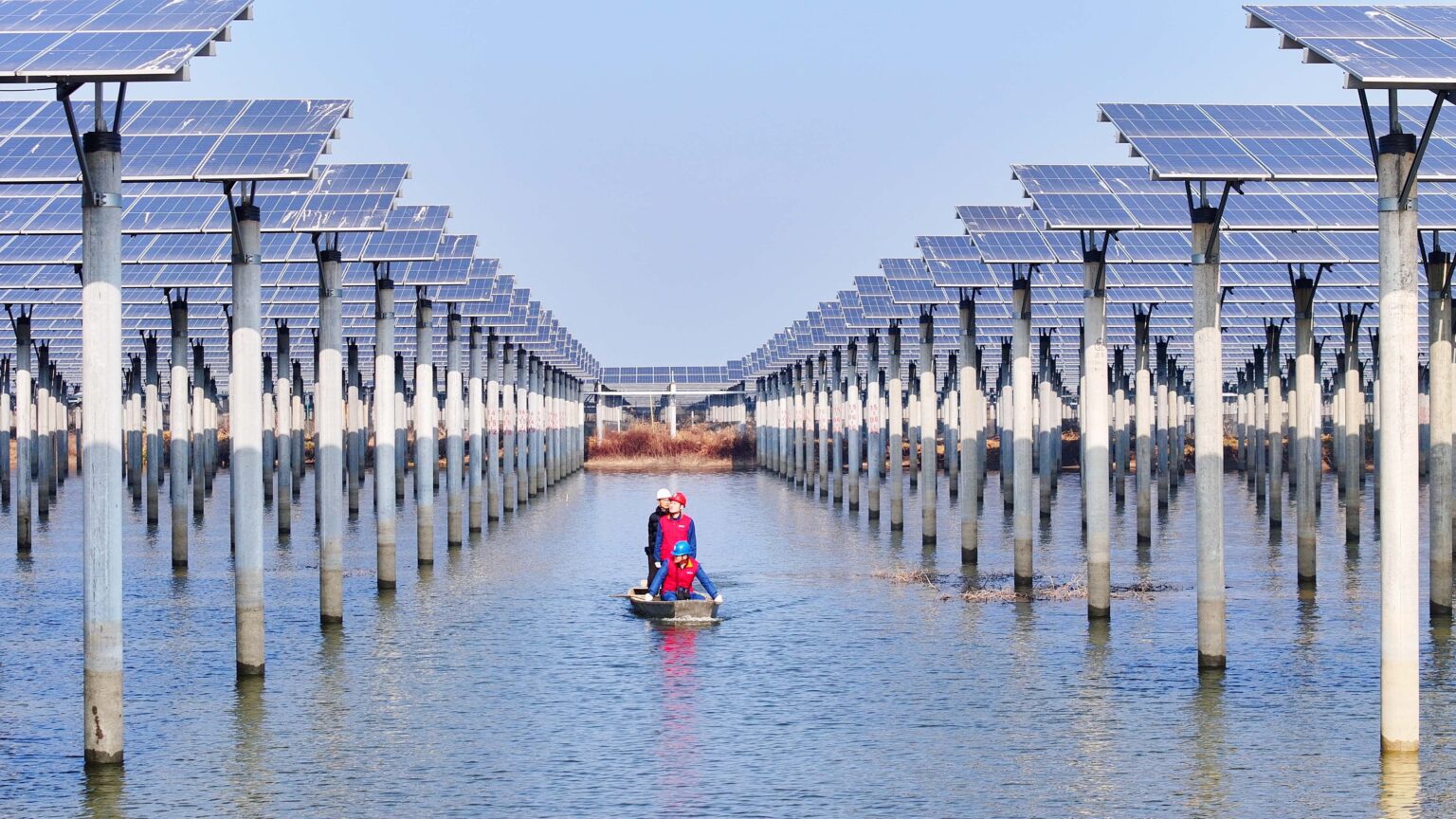
The EU is the first jurisdiction to introduce a carbon border adjustment mechanism to prevent carbon leakage from production moving to countries with looser emissions rules. While it could advance the Paris Agreement’s goals, it also raises trade tensions—especially in the already complex EU–US relationship.

‘Efforts to quantify and mitigate the carbon footprint of the health sector are accelerating. However, there are multiple obstacles complicating progress, such as competitive pressure and data gaps. Decarbonization of the sector depends mainly on energy-efficiency standards, minimally invasive protocols, and reshaping service models.’
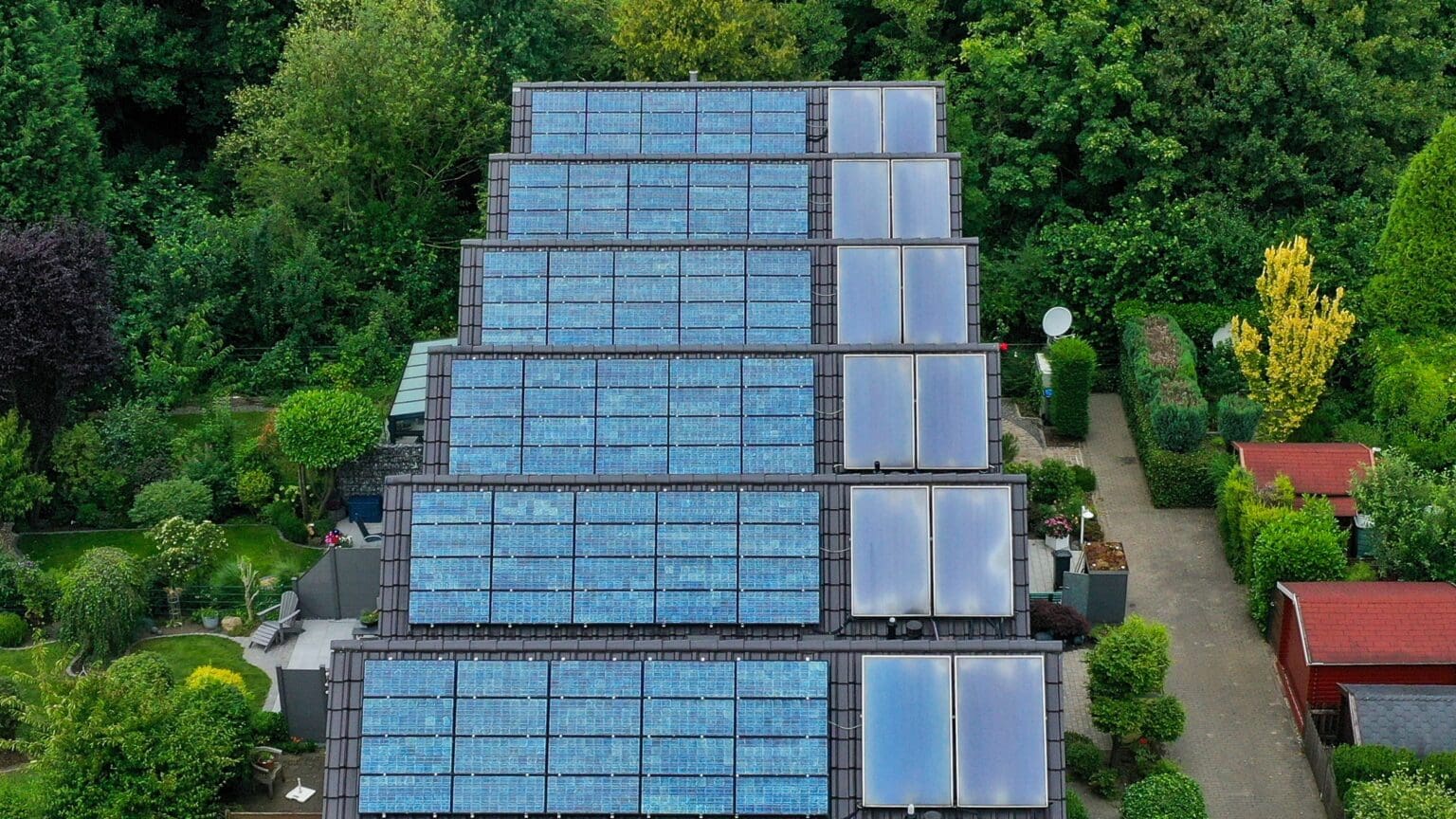
Wind and solar power together generated more electricity than fossil fuels in the European Union for the first time in 2025, marking a major shift in the bloc’s energy mix, according to an analysis by energy think tank Ember.
‘Northern and Eastern Europe…as well as parts of Central and Western Europe, are also becoming high-risk areas. Surveillance data show an upward trend in reported Lyme disease cases since 2015, with many countries recording an average increase of about 36 per cent over their last two reporting years—serving as clear evidence that warmer conditions are lengthening the tick season.’
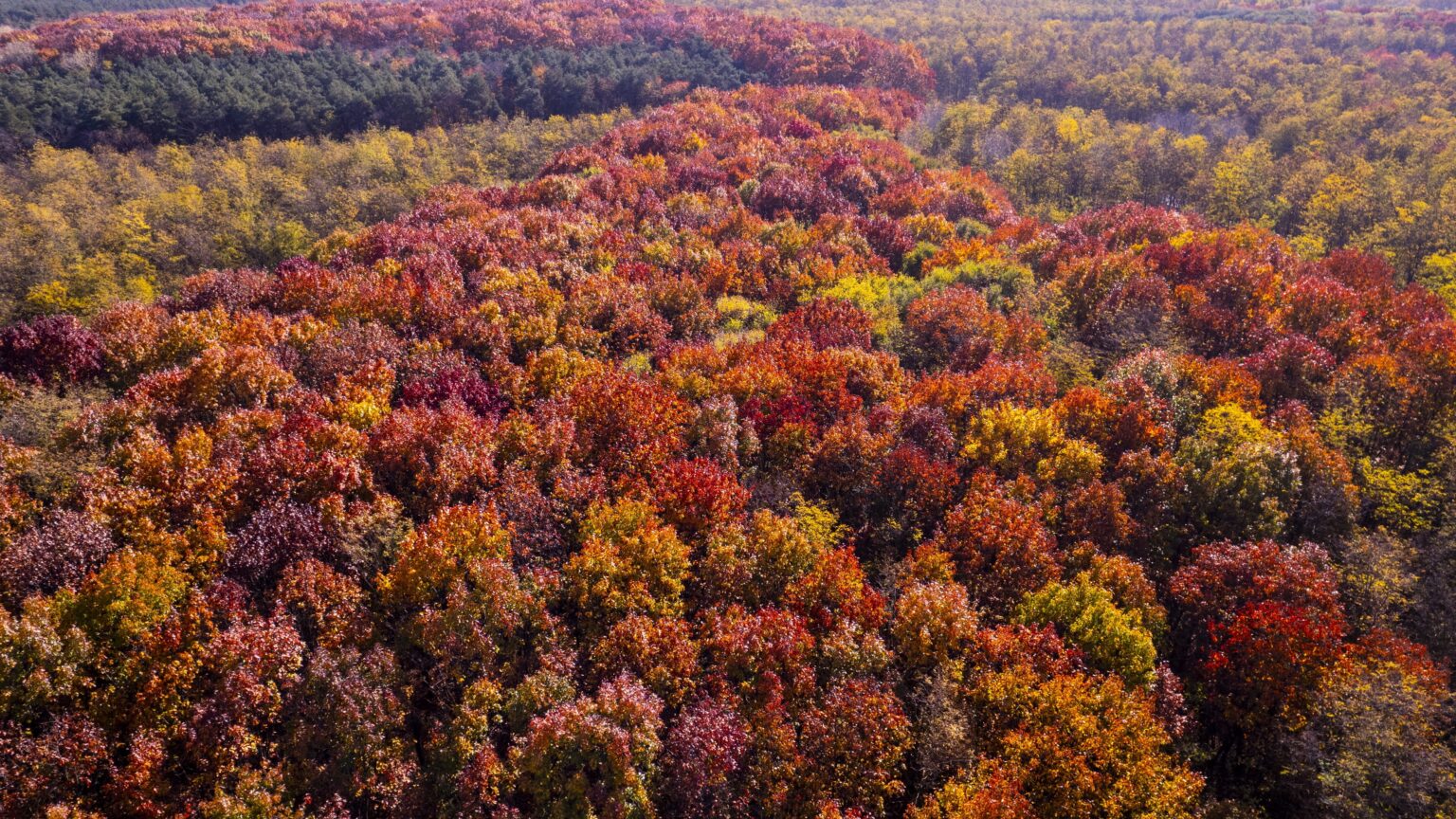
Global warming is already exceeding the targets set in Paris in 2015 and is accelerating even faster in Central Europe, former Hungarian president János Áder warned in a podcast discussion, arguing that climate policy must shift from promises to technology-driven solutions.

‘As the harmful impacts of climate change manifest rapidly, there is a growing need for judicial and similar remedies to address states’ responsibilities for greenhouse-gas emissions, failures in mitigation or adaptation, and related human-rights claims.’

At a time when public debate is increasingly polarized and superficial, Hungarian Conservative remains committed to depth and independent thought.
Donate Now
Please consider supporting our mission.