


‘If national continuity is sufficiently real to transmit liabilities from the past, it must also be sufficiently real to transmit assets and obligations into the future. Today’s Europeans did not build most of the cities they live in, create the legal systems they rely on, establish their borders or accumulate all the institutional and cultural capital they possess. They inherited them. Yet neither are they the final owners. Their children will inherit what remains.’

Seven-year-old William Evans has been found dead and bound in her mother’s home in Cincinnati, Ohio. Her mother and her two trans women lovers are now charged with the murder of the boy, along with child endangerment. According to the detective in charge of the case, the victim was likely tortured before his death.
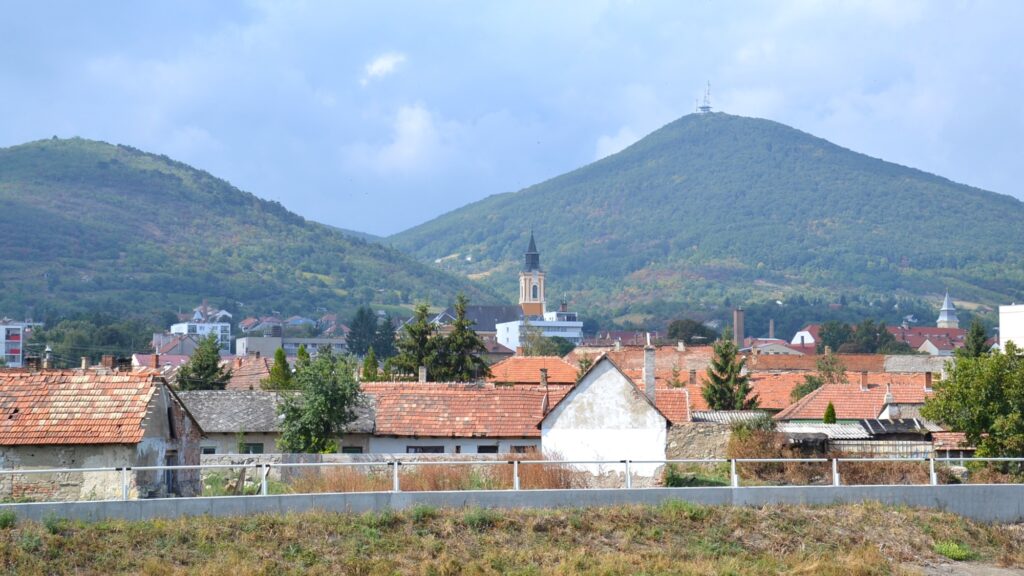
Around 900 Hungarian high school students from across the Carpathian Basin and the global Hungarian diaspora will gather in Sátoraljaújhely, Hungary for the third National Hungarian High School Camp. Polish–Hungarian and media camps will also be taking place at the same location.
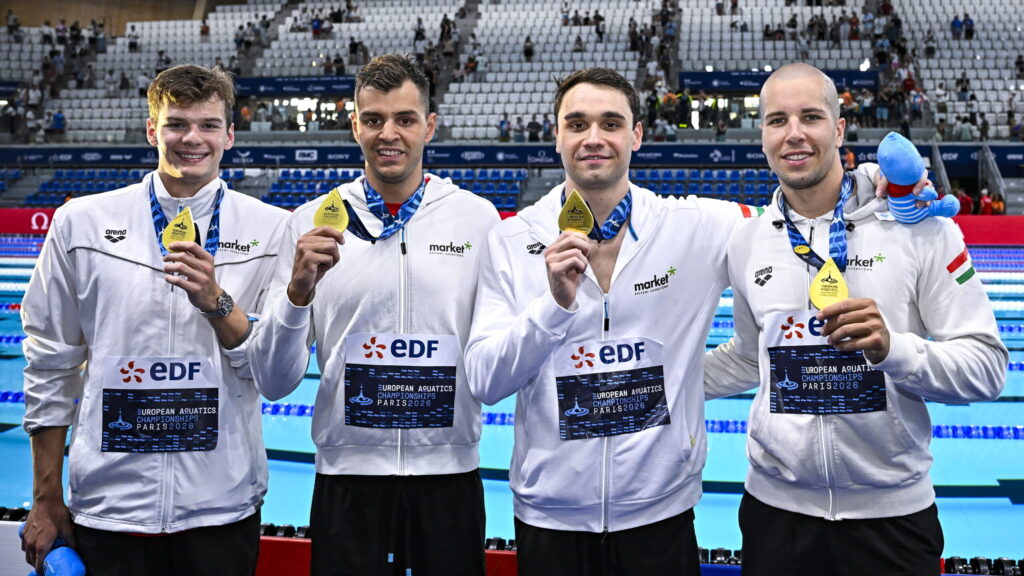
Kristóf Milák led Hungary’s best night of the European Aquatics Championships on Thursday, first breaking the European record to win the 100m butterfly and then delivering a 46.29 anchor split in a historic 4x100m freestyle relay triumph. Hungary took its first European title in the event, already securing three gold medals during the tournament so far.

After winning 1–0 at home, Ferencváros travelled to Zabrze, Poland and got a hard-fought 1–1 tie against Górnik Zabrze. This means that they have advanced 2–1 on aggregate in the UEFA Europa League qualifying; and no matter what happens in the next round against the Turkish club Trabzonspor, they are guaranteed a spot at least in the UEFA Conference League in the fall.
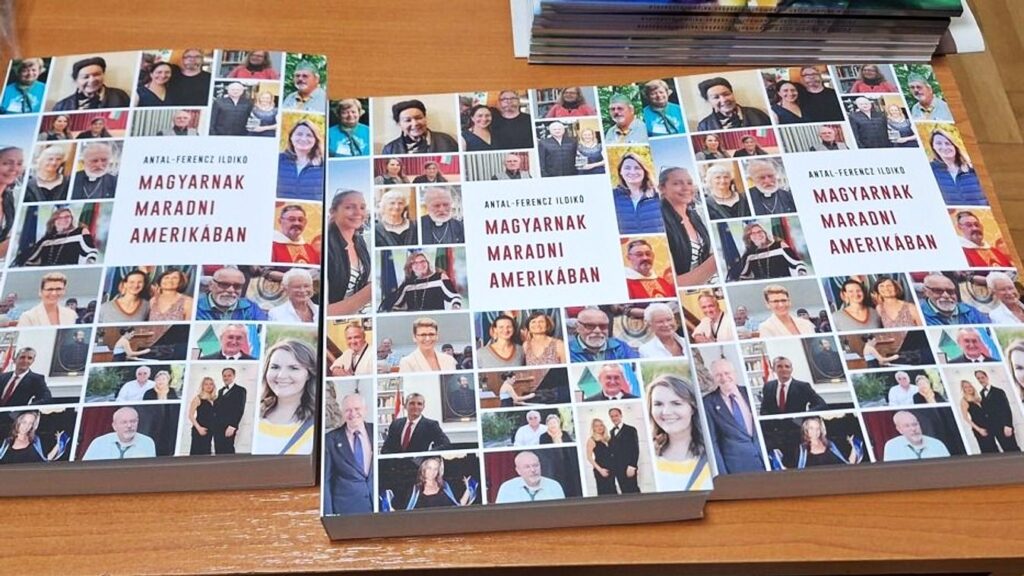
Antal-Ferencz Ildikó spent three years in the USA with her family, where they soon became active members of the local Hungarian communities. The many personal encounters resulted in several interview books, the essence of which is a compilation featuring 45 portraits that covers not only the past and present of the Hungarian diaspora in the USA, but also helps predict its future.

At a time when public debate is increasingly polarized and superficial, Hungarian Conservative remains committed to depth and independent thought.
Donate Now
Please consider supporting our mission.