


Ukrainian President Volodymyr Zelenskyy fired senior SBU official Oleh Khramov on Wednesday after a shootout between security-service officers and GUR military intelligence personnel in Kyiv left three people wounded. The clash between two elite agencies exposed a serious breakdown in trust and command discipline as Ukraine’s war of self-defence against Russia approaches its fifth year.

The emergency riverbed sill being built to protect Paks Nuclear Power Plant has reportedly caused severe scour in the Danube, deepening the riverbed by 8–13 metres and undermining the structure itself. The problems raise questions over Péter Magyar’s crisis management and a restricted procurement process that awarded the contract to a single bidder at 30 per cent above the estimated price.
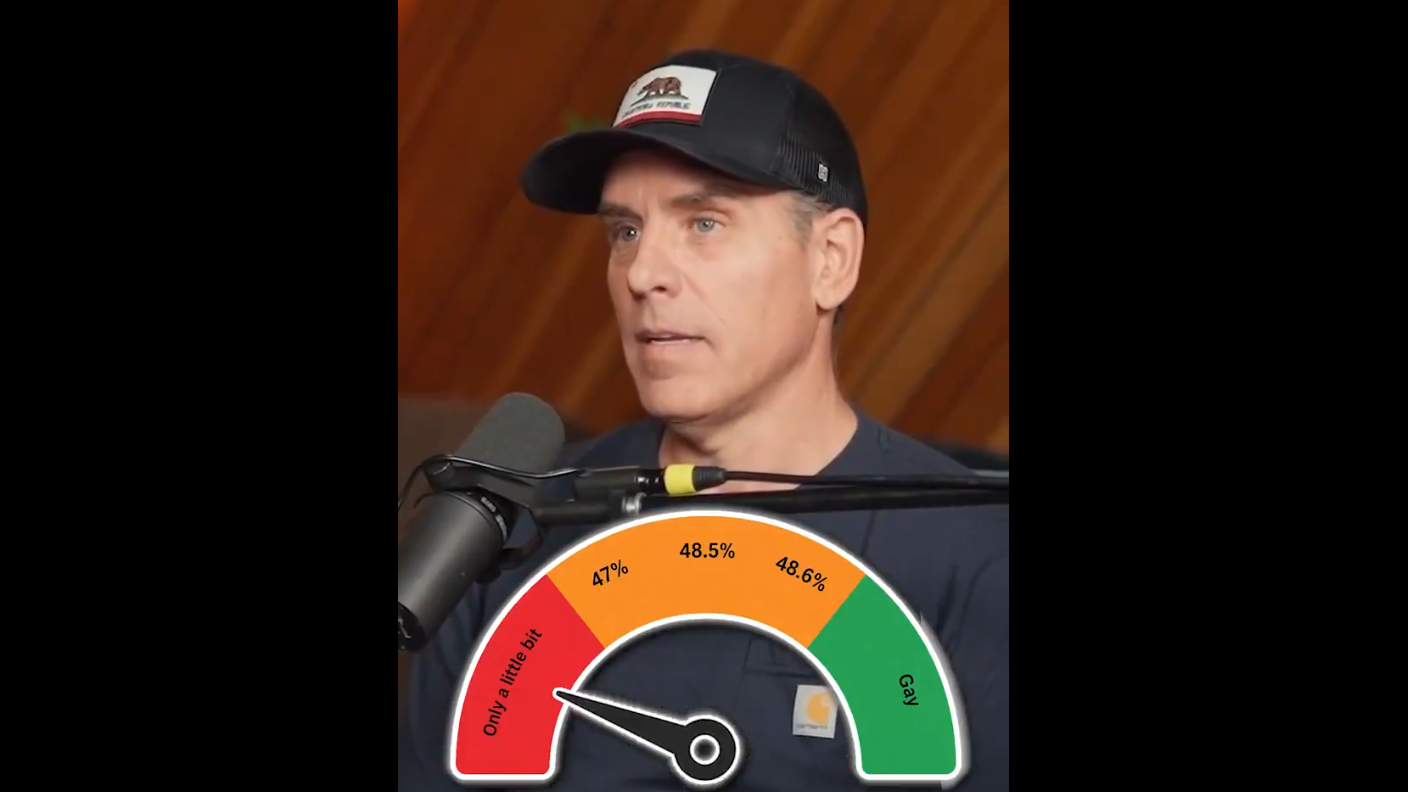
Hunter Biden said he was ‘48.6 per cent gay’ in an interview with progressive podcaster Luke Beasley, a gag that quickly spread through LGBTQ outlets. Joe Biden’s son had already stirred controversy in July by alleging a largely Republican ‘closeted gay mafia’ in Washington, naming Josh Hawley, Ted Cruz and Mike Johnson.

A Mexican national who lived in California illegally from 1983 to 2024 has received a $1.820 million fine from the Trump administration’s Department of Homeland Security for ignoring a deportation order he had received in 2009 for 15 years before leaving.
Hungary’s government has set a 2030 target for meeting the criteria needed to adopt the euro, while revising its 2026 budget to address a much larger-than-expected deficit. The amended plan projects a 7.5 per cent GDP deficit and the state’s debt-to-GDP ratio rising from 74.6 per cent to 77.5 per cent.

Hungary’s 4iG Group and US-based SpaceX have signed agreements to introduce Starlink Mobile and secure Sovereign Solutions satellite communications services, the companies said on Wednesday. The partnership will initially cover Hungary and the Western Balkans, combining commercial satellite-mobile connectivity with protected communications capabilities.
At a time when public debate is increasingly polarized and superficial, Hungarian Conservative remains committed to depth and independent thought.
Donate Now
Please consider supporting our mission.