A Collateral Damage in the Big Game? — Europe’s Position in the US–China Competition for Raw Materials

‘An increasingly uncomfortable truth is emerging for Europe: its economic fate now depends largely on the balance of power between the United States and China…One of the big questions for the coming years will therefore be whether Europe, and Hungary within it, will be able to move beyond its role as a passive victim of other countries’ trade wars and instead build its own industrial and climate policies.’

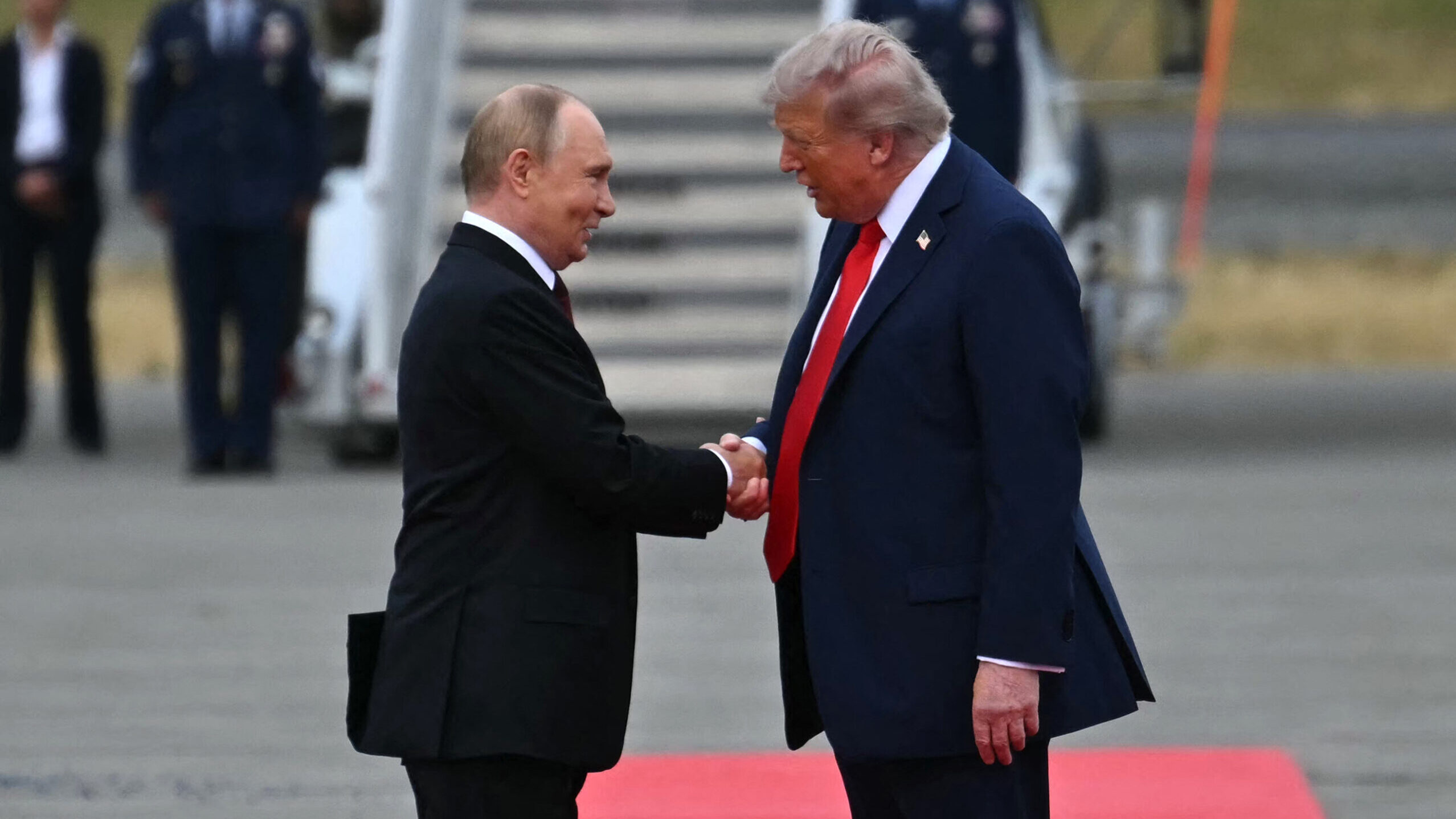
Inside the Orbán–Trump ‘Financial Shield’: Currency Swap Deals Explained

Hungary has secured a ‘financial shield’ from the United States to guard against external financial or political attacks, Prime Minister Viktor Orbán said after meeting US President Donald Trump. The mechanism, a currency swap agreement, strengthens Hungary’s economic resilience—contrary to opposition claims that it represents a loan or bailout.

Photo taken by Gokturk-1 observation satellite showing the stuck container ship Ever Given in the Suez Canal in Egypt on 27 March 2021

The Need to Recalibrate European Foreign Policy Thinking

‘By being responsive to changes at the system level, multilateralism can contribute to maintaining peace during the shifts in the balance of power that we are currently living through. Europe’s peoples would benefit from it, as would their governments’ reputation and diplomatic standing in the world.’

Federal Minister for Foreign Affairs Annalena Baerbock gives a speech at the presentation of the Guidelines on Feminist Foreign Policy in the Weltsaal of the Federal Foreign Office in Berlin, Germany, 1 March 2023

Fixing Germany’s Sovereignty Deficit: The Case for Sovereign Realism

‘Germany faces a stark choice between continued strategic drift and fundamental transformation. The half-measures of constrained realism will prove no more effective than the delusions of values-based idealism when confronted with determined opposition…Only genuine sovereign realism…offers the possibility of effective foreign policy in the age of great power competition.’

Dutch Election Ends in Major Setback for Geert Wilders’ PVV — Lessons to Learn

Liberal-centrist D66 might have narrowly won the Dutch elections ahead of Geert Wilders’ PVV, with 16.9 per cent to 16.7. Both parties are projected to win 26 seats, signalling a major loss for PVV. The outcome illustrates how right-wing populists across Europe often confront structural barriers and mainstream pushback preventing genuine policy transformation on critical issues such as mass migration.