Joseph Pulitzer, the Man Behind Journalism’s Most Coveted Prize

The Hungarian American media mogul donated $1 million of his own wealth to Columbia University to establish a Journalism School exactly 120 years ago today. Pulitzer went through a lot to amass that wealth, having arrived in the United States as a foreign recruit for the Union Army in 1864, penniless and barely speaking a word of English.

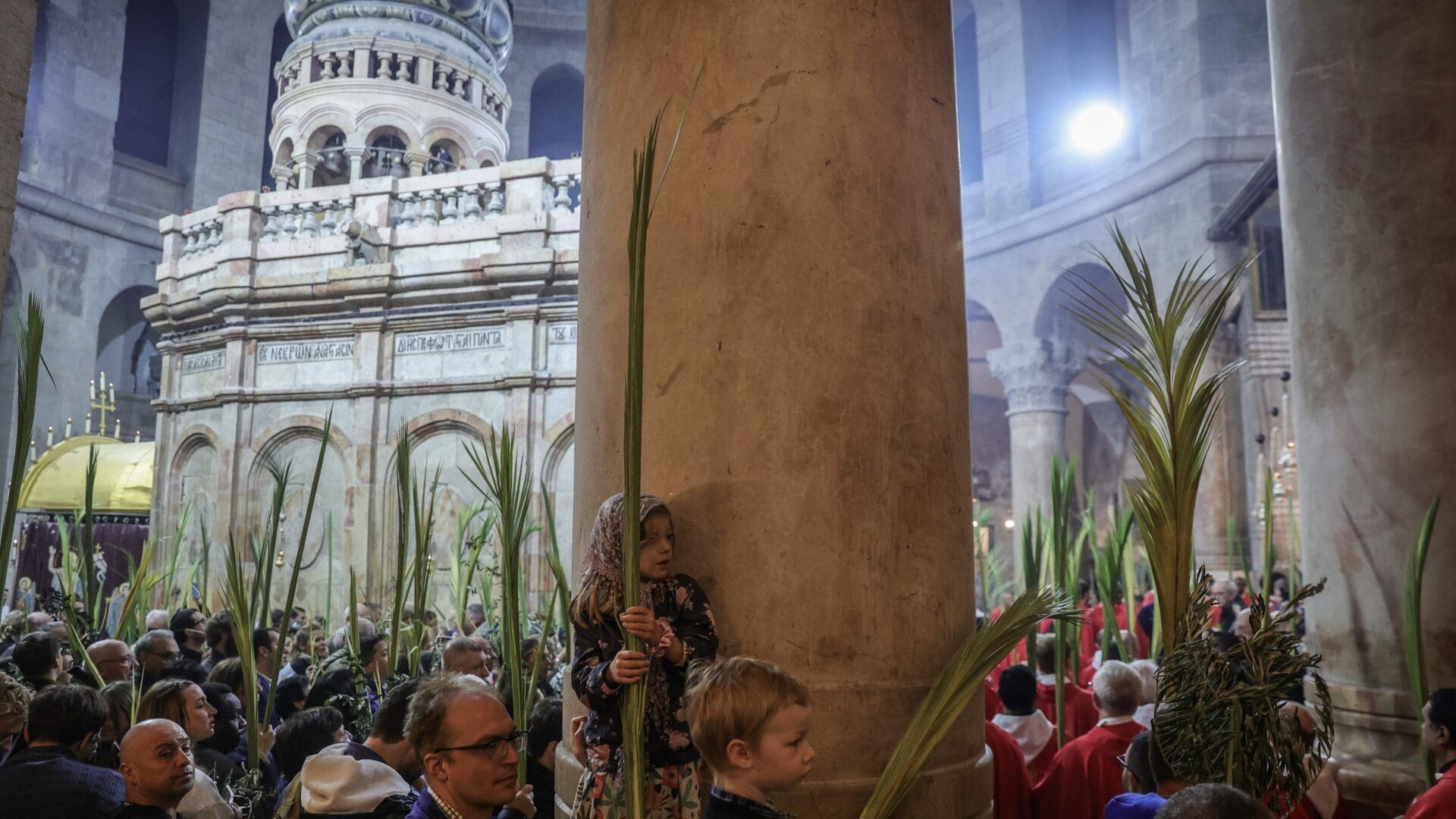
Russia’s Worldview: Katechon and Atomic Orthodoxy

The rhetoric of spiritual mobilization, of Russia’s responsibility for the fate of the world, and of the ‘burden of the Russian people’ is becoming dominant once again as it was many times before during tragic periods in Russian history. Economic sanctions and diplomatic isolation as the punishment for the annexation of Crimea and the war in Ukraine are interpreted by the Russian regime and the majority of Russians as confirmation of progressing Anomia in the West, and will strengthen the Katechonic argument.

Portrait of Maria Theresa by Martin van Meytens (1759)

‘Vitam et sanguinem!’: Shifting Balance of Foreign Policy Power Between Hungary and the Habsburgs During the Early Modern and Modern Age

The debates between the Hungarian government and the European Commission often grab the headlines in the international media these years, with the issues of contention between Budapest and the EC usually being co-existence, sovereignty, and shared responsibility. However, there is indeed nothing new under the sun: Hungary had to grapple with such issues under the more than 300 years of Habsburg rule.

Portrait of Ferenc Rákóczi II by Ádám Mányoki (1712)

Kuruc or Labanc? Hungary’s Eternal Fault Line — Part I

Hungary’s place among the nations, and especially in Europe, is one of the most debated issues in Hungarian political thinking. Analysing the so called ‘kuruc–labanc’ dichotomy helps to better understand the present-day disputes between Brussels and Budapest.

Conservative Cultural Superiority — The Age of the National Maximum

In the third and fourth decades of the 21st century, national–conservative forces will have a chance to end the left-liberal cultural hegemony that has been dominating for a hundred years now. This is where the natural alliance between right-wing party politics and the national intelligentsia takes on historic significance.

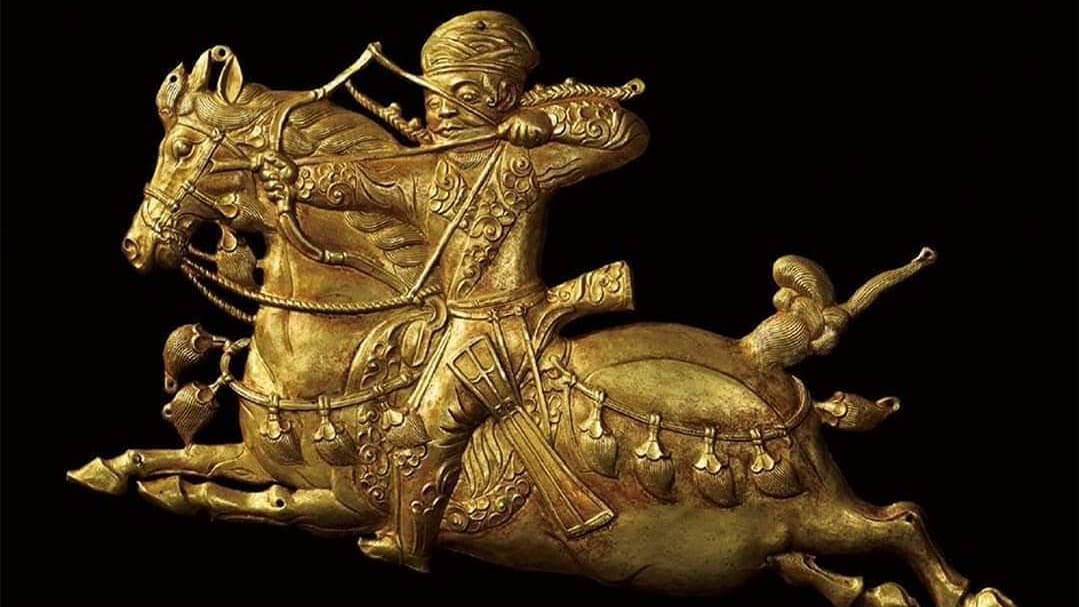
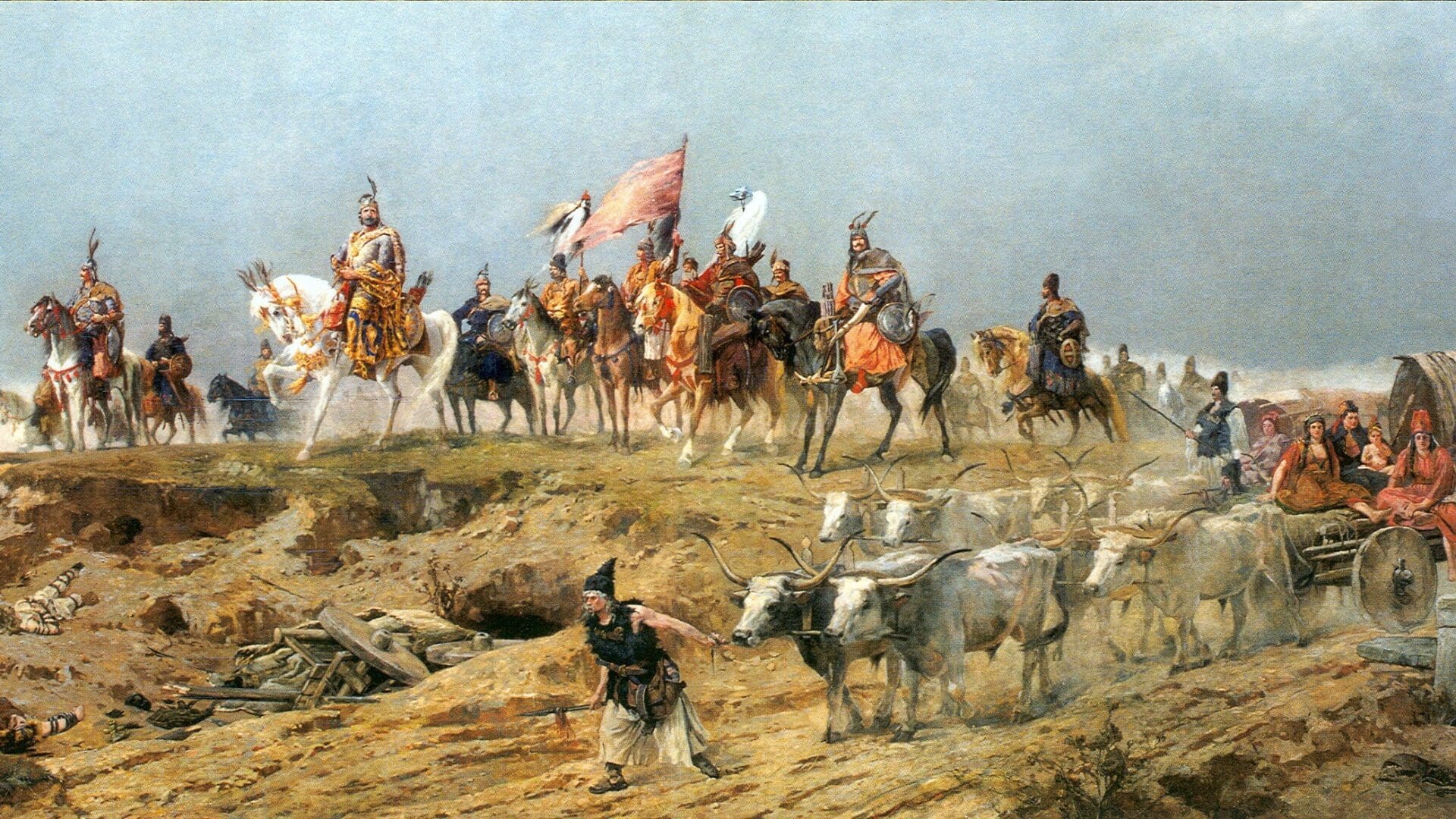
Jászság, the Land of the Descendants of Iranian Nomads

As opposed to the simplistic xenophobia narrative, Hungary is a multifaceted country with diverse regions and identities, each of which contributes with its uniqueness to the country’s rich cultural landscape. One of the regions that is a living proof of that is Jászság.

Diminished But Unbroken — The Fate of Hungarians Living along the River Garam

What does the lower reach of the River Garam mean to Hungarians? For some, it is just a region of the Uplands, for others, a beautiful, wide, flat, and fertile valley surrounded by hills, while many people do not even know where to look on the map when they hear its name. For ethnic Hungarian local historian Gábor Juhász, it represents his homeland, a place where his ancestors had lived for hundreds of years.