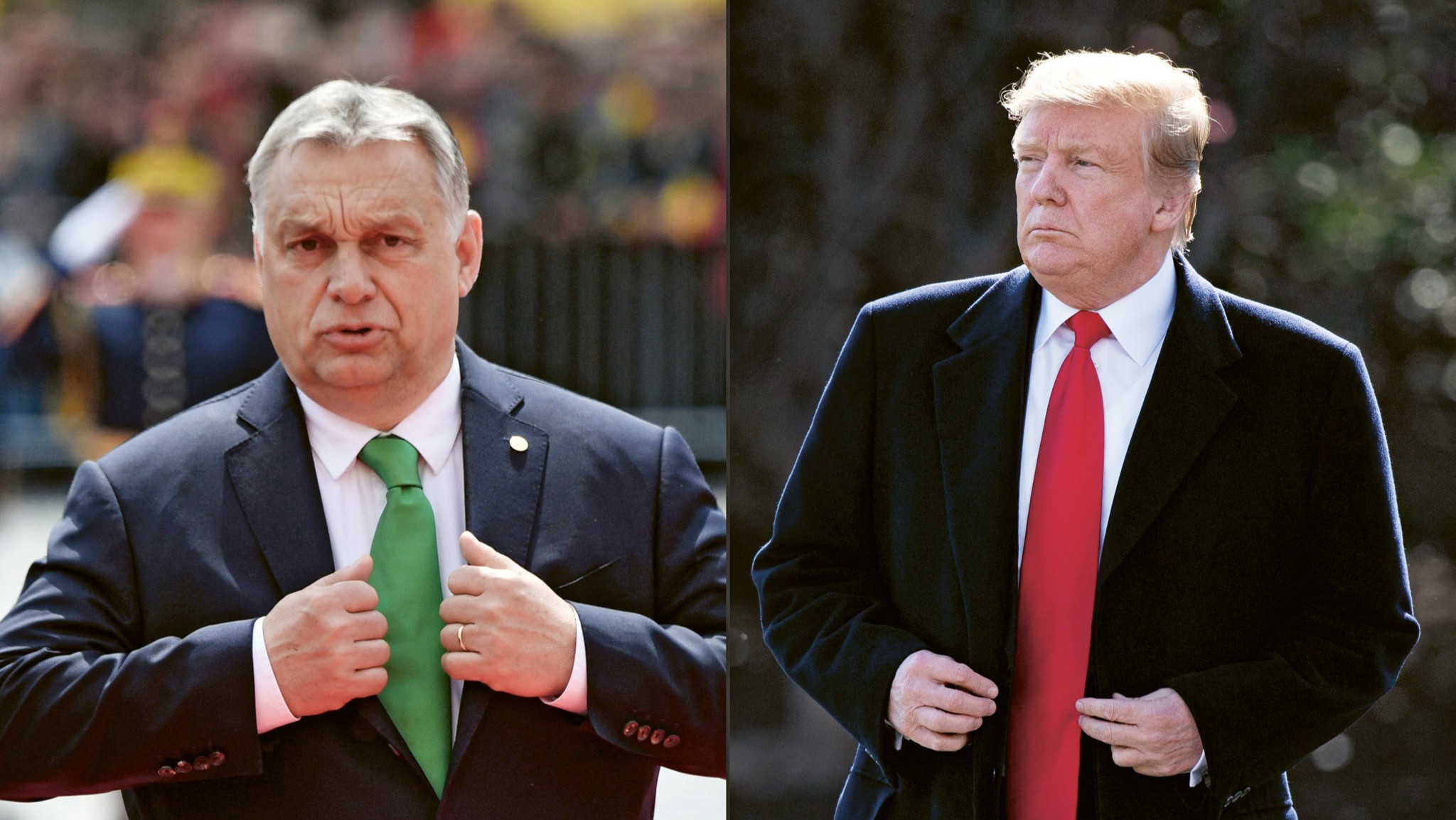
Hungary’s Prime Minister Viktor Orbán and US President Donald Trump, 9 May 2019

Hungary, Trump, and the Rule of Law

‘There is a historic chance for US–Hungary relations to peak, and it depends in no small part on the two leading players. Even though Hungary is a member of the EU and NATO, in the last two decades, American Democratic administrations have been explicitly hostile towards it…With the US president behind him, Orbán could be much more effective in strengthening his conservative agenda in Brussels, which until now has been an uphill struggle.’

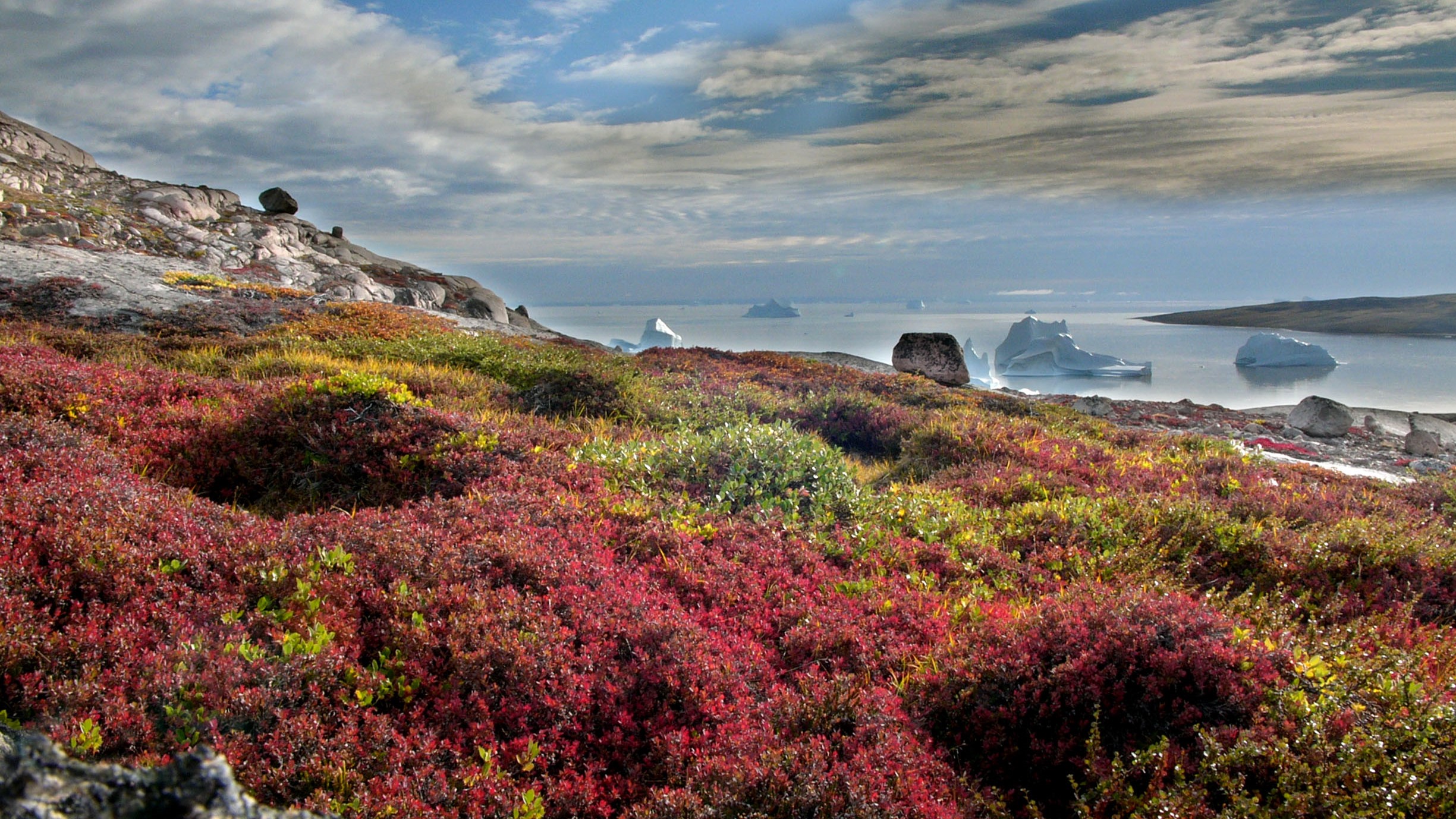
Tundra vegetation at Sydkap, Greenland

Unequal Partners: US–Danish Negotiations During the Cold War

On 8 January European defence industry stock prices rose following Donald Trump’s press conference at Mar-a-Lago, where he declared the ownership and control of Greenland to be ‘an absolute necessity’. This came as a shock for many but in reality, America has been eyeing Greenland for more than a century.

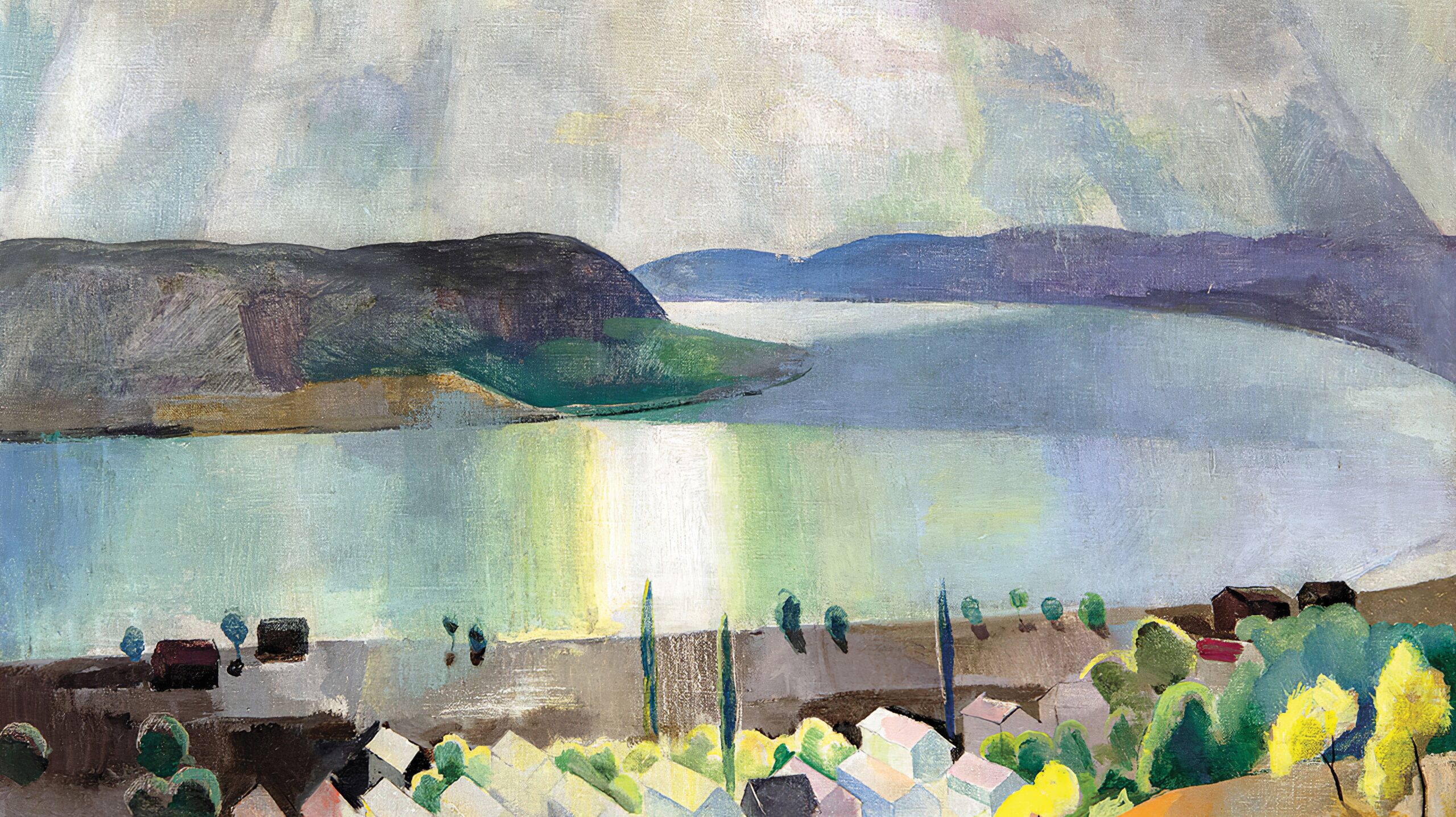
Károly Patkó, Zebegény (1934). Private Collection

The (Habsburg) Empire Strikes Back

‘The Danubian Compact could serve as a modern, flexible framework for cooperation, focusing on shared economic interests, energy security, infrastructure development, and more. What if the real future of Central Europe does not lie in resurrecting the past, but in reimagining it for a new era? The pieces are there, the question is whether the leaders of these nations are willing to make that leap.’

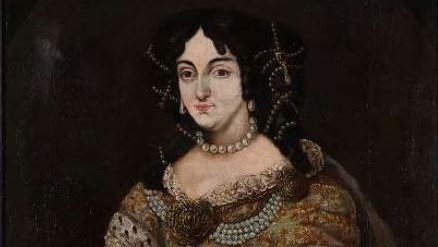
A 17th century portrait of Ilona Zrínyi (detail, by unknown painter)

Valour and Beauty — The Extraordinary Life of Countess Ilona Zrínyi

Ilona Zrínyi, a noblewoman hailing from a Croatian–Hungarian aristocratic family, is one of the most defining female figures in Hungarian history. An uncompromising patriot and fearless leader, the Countess defended the castle of Munkács (Mukachevo) for three years against the Habsburg forces. Although she died in exile in Turkey in 1703, she was reburied alongside her freedom fighter son, Ferenc II Rákóczi in Kassa (Košice, Slovakia) in 1906.

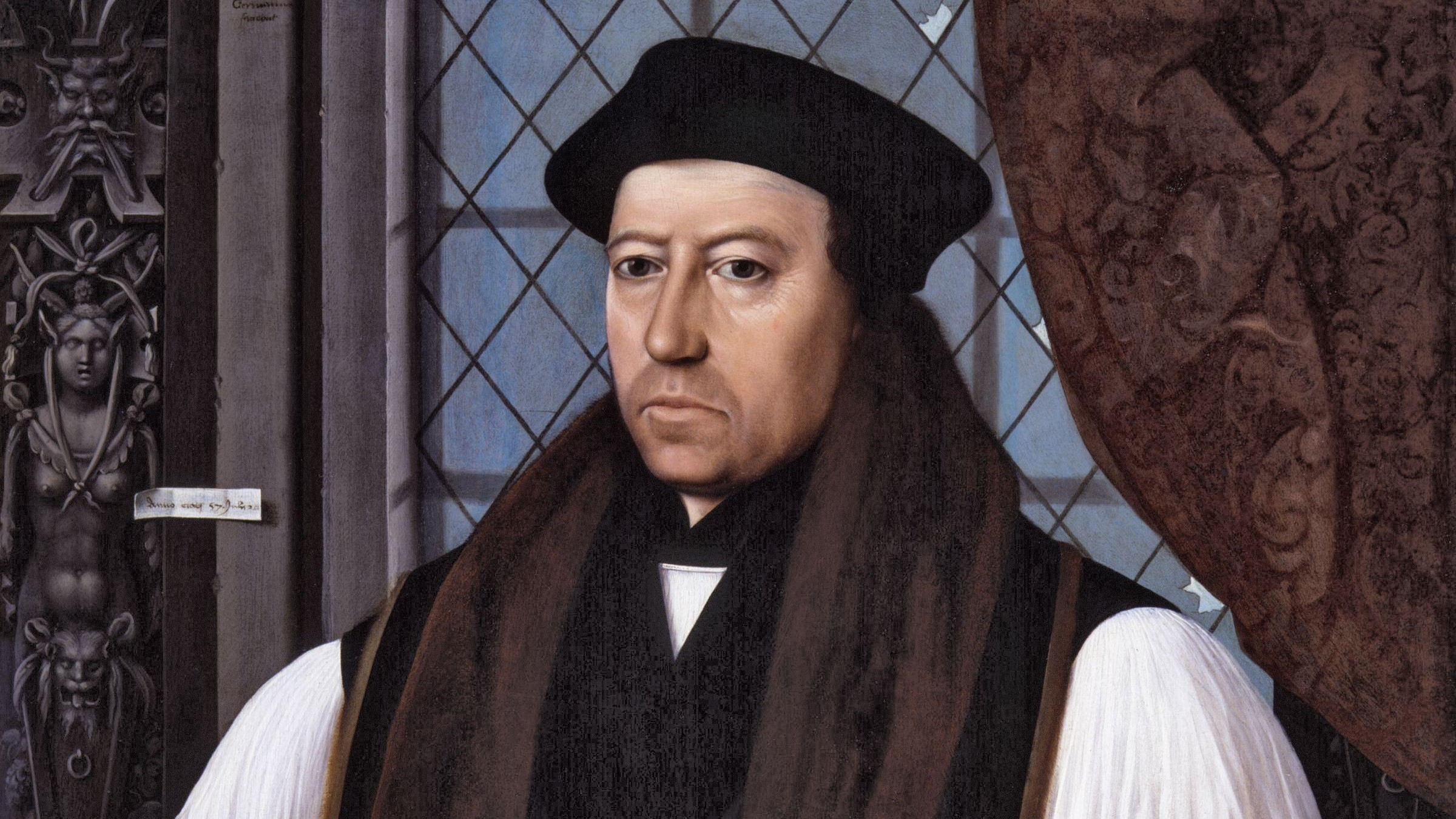
Portrait of Thomas Cranmer by Gerlach Flicke (detail, 1545)

The Anglosphere and Central Europe: A Personal View

‘The failed revolutionary upheavals in 1848 would see thousands of Central Europeans go into exile in Britain. One of the most famous of these was Hungarian national hero Lajos Kossuth, who travelled extensively in the United States before moving to London, to live there for most of the 1850s. In America, Kossuth was received at the White House twice by President Millard Fillmore, and was generally feted and celebrated everywhere he went.’

in God we trust

Combining God and State: Ten Principles to Enable Nations to Prosper

‘A simple example of restraining evil, which works quite well, are the referees who manage athletic contests. They simply enforce the rules so that order is maintained. They do not help either team win, they do not help the injured, they are not partial, and they do not furnish refreshments. Even so, they are critical to the players, the fans, the coaches, the media, and everyone involved.’

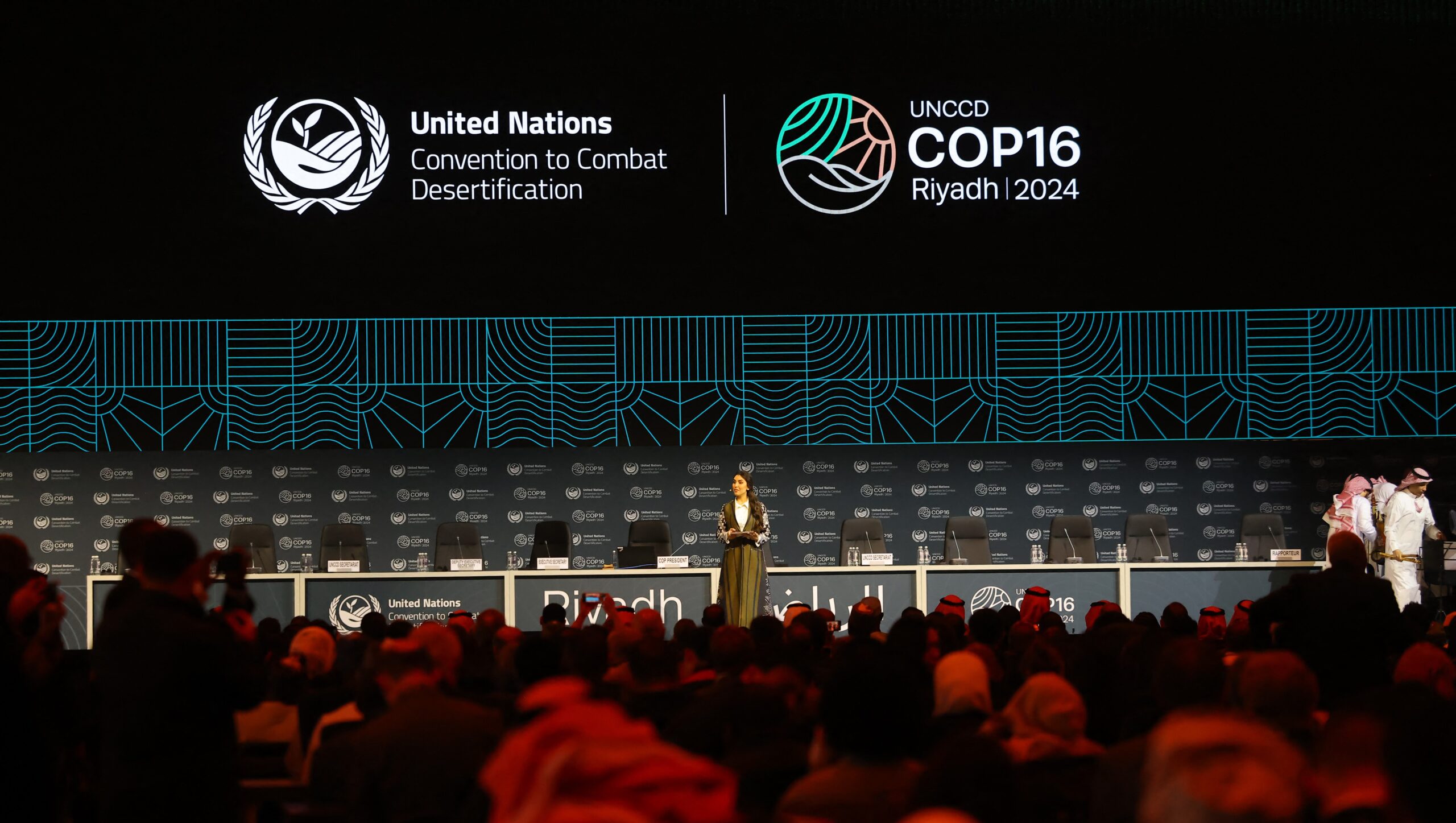
The opening session of the United Nations Convention to Combat Desertification, UNCCD COP16, in the Saudi capital Riyadh on 2 December 2024

Never Enough of Climate Conferences — COP16 on the Issue of Desertification

The conference is dominated by negotiations on a global drought prevention system, both in terms of implementation and financing. This is particularly necessary because the frequency and intensity of climate damage, specifically drought, which is also a major issue in Hungary…has increased by nearly 30 per cent since the turn of the millennium, threatening agriculture, water security, and the livelihoods of 1.8 billion people.

A Slovak family in 1907 in Sátoraljaújhely, Hungary

István Käfer, the Proponent of Hungarian–Slovak Spiritual Reconciliation through the Legacy of St Stephen

‘For István Käfer, one of the elements that has historically united both Slovakia and Hungary is, surprisingly, the language. Bálint Balassi, for instance, a crucial figure in Hungarian renaissance poetry, wrote his works in Hungarian, but he knew Slovak very well, which greatly influenced his thinking and language use. Cardinal Péter Pázmány also had a significant influence on the development of the Slovak language, by not only allowing, but encouraging its use in Catholic prayers.’