
How Communism’s Top Terrorist Was Chased Out of Hungary
‘Carlos the Jackal was housed by the Hungarians as a Socialist internationalist duty, and was allowed by the Soviets to be in the Bloc as a sign of their carelessness about the world.’

‘Carlos the Jackal was housed by the Hungarians as a Socialist internationalist duty, and was allowed by the Soviets to be in the Bloc as a sign of their carelessness about the world.’
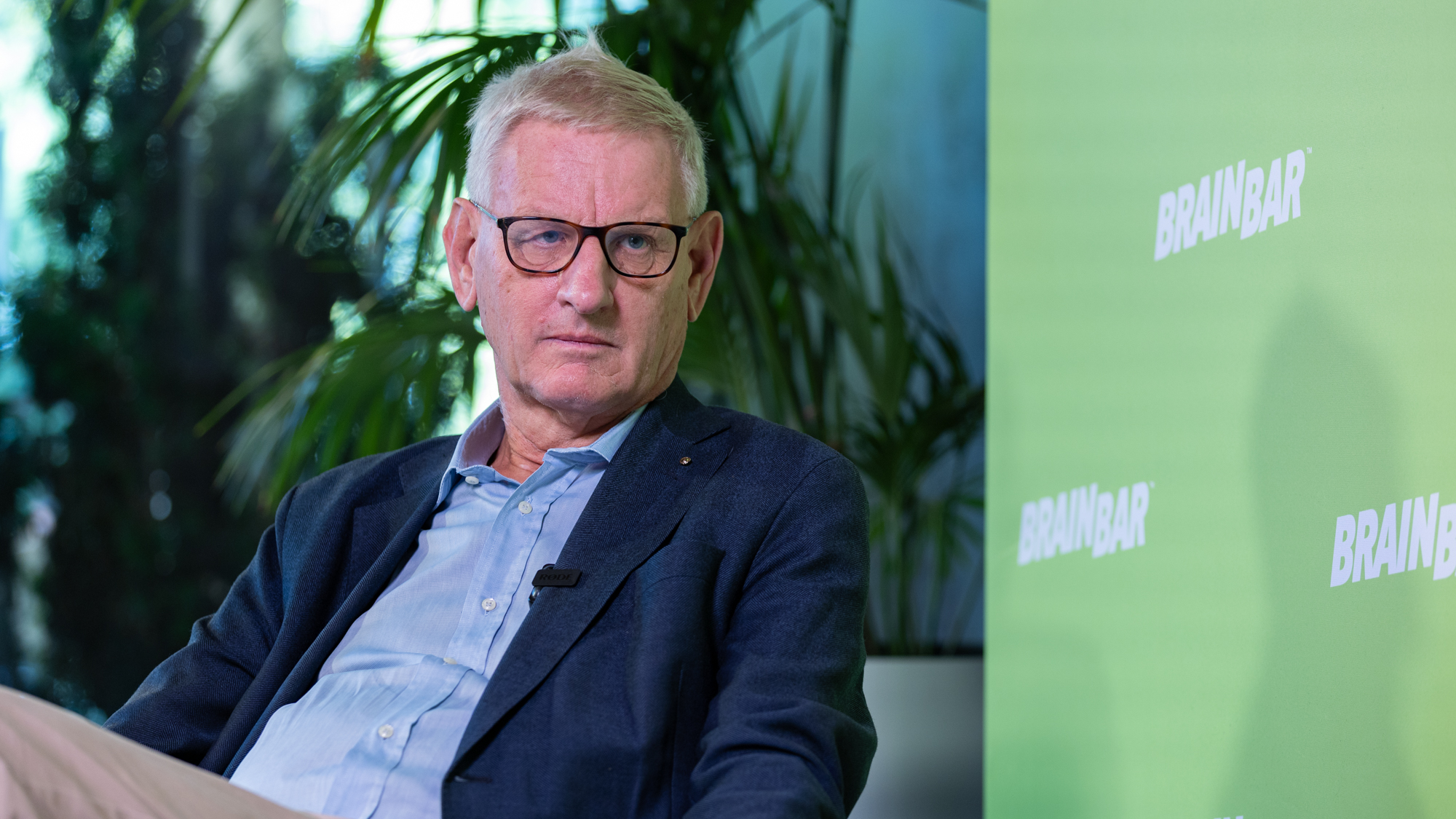
What could be Europe’s future: a decline, or a new golden age? How imminent is the Russian threat to Europe? How does Sweden view Hungary’s fight for sovereignty? We asked former Prime Minister of Sweden Carl Bildt about Europe’s bright or dark future at Brain Bar 2025 in Budapest.
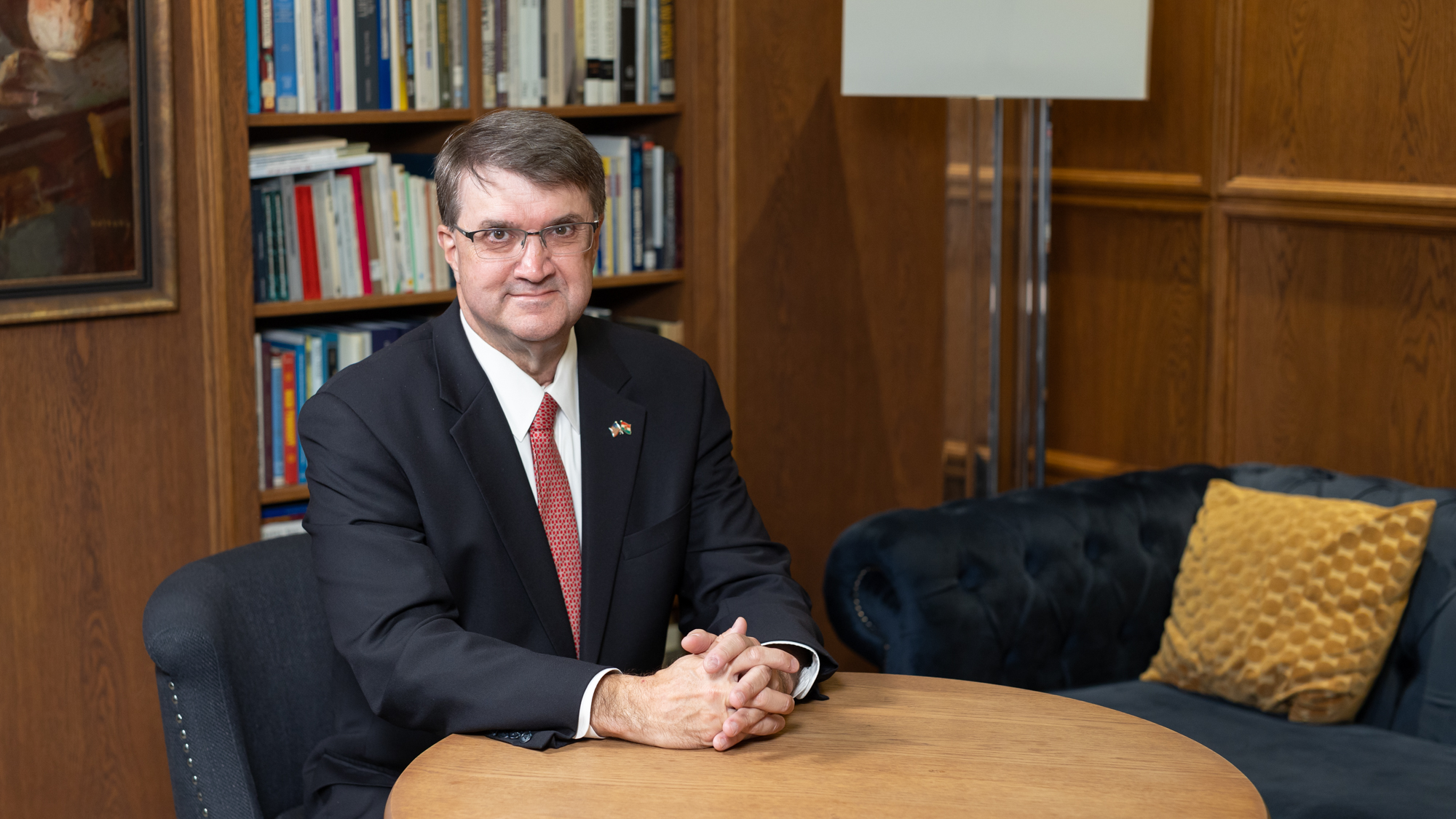
What tools of pressure does Trump have to deploy against Russia if diplomacy fails? Is the United States’ support for Israel infinite? Could Hungary switch from Russian energy to American? What is the future of Europe? We asked former United States Secretary of Veterans Affairs Robert Wilkie about Trump’s three unresolved geopolitical games.
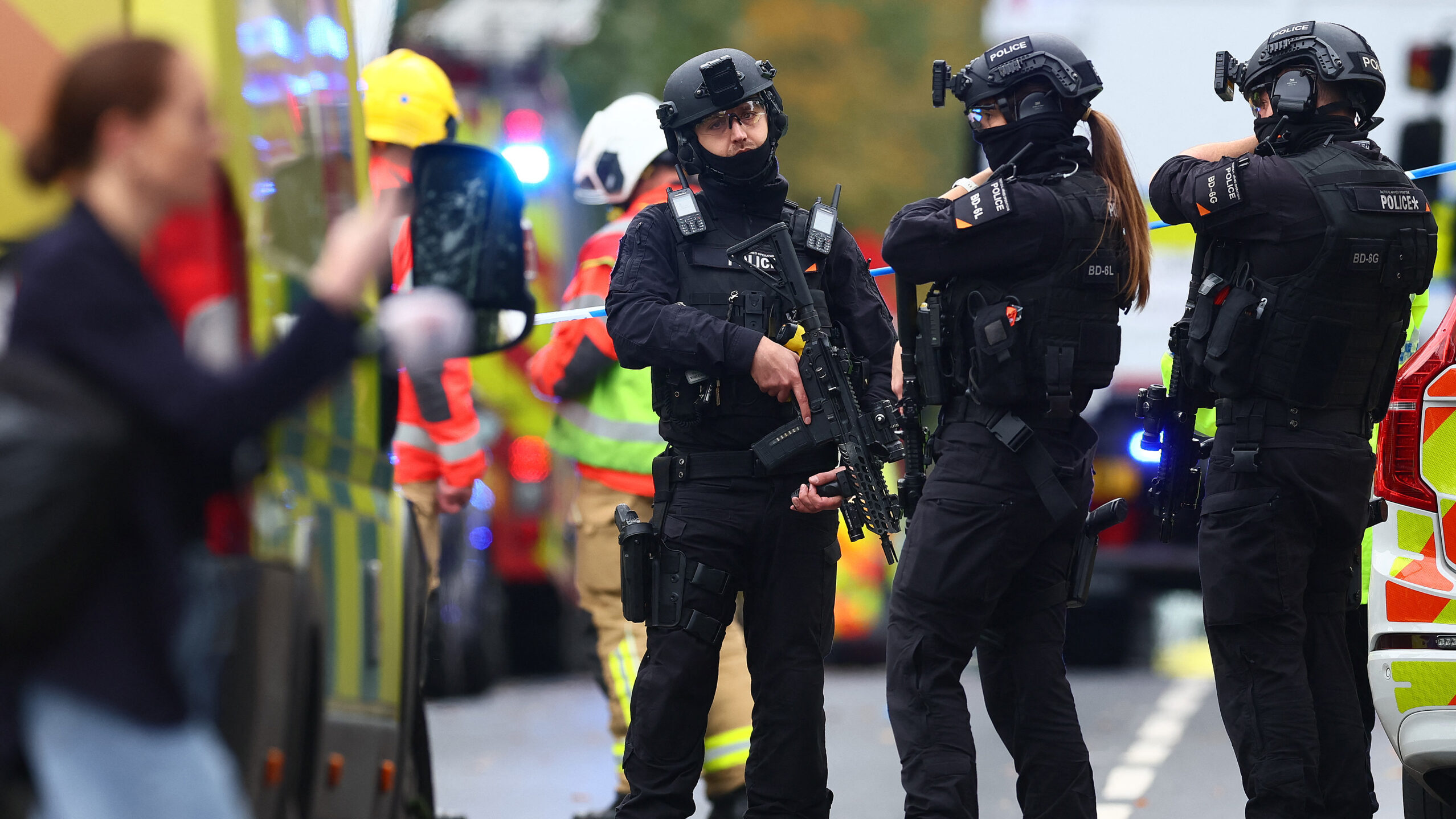
A Yom Kippur terror attack at a Manchester synagogue left two dead and several wounded, shocking Britain’s Jewish community. Hours later, a pro-Palestine protest erupted in London near Downing Street, where clashes broke out and one demonstrator declared: ‘I don’t give a f*** about the Jewish community right now.’

‘According to the cable, the Hungarian–Soviet investigative team was surprised that the Lebanese government had not conducted autopsies on the bodies “to determine whether the plane exploded before the crash”. Finally, the cable cites the French-language press in questioning how it was possible that only the conversation involving this aircraft failed to be recorded.’
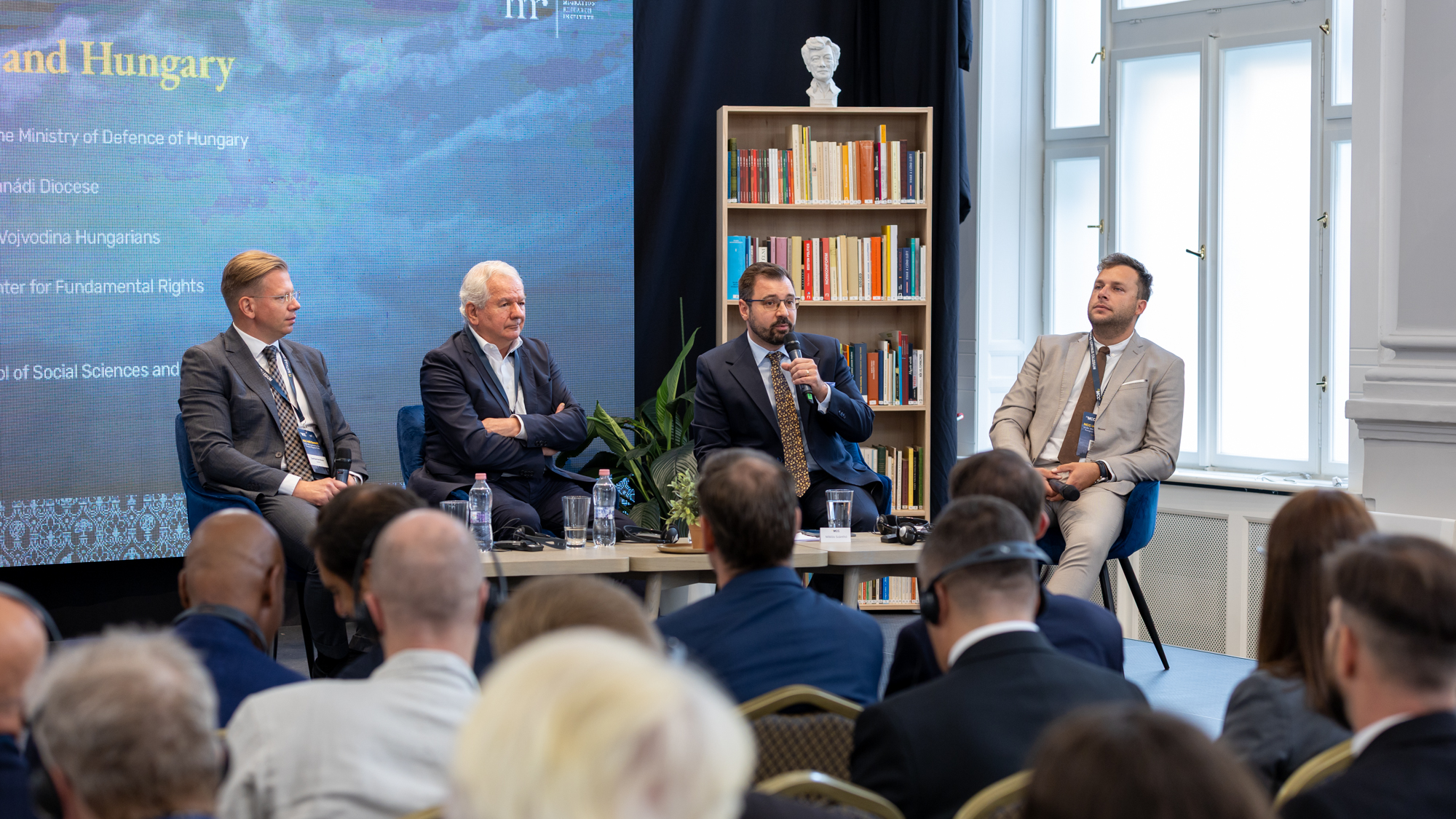
Hungary’s border fence, Western Europe’s migration failures, and the future of European sovereignty dominated the opening day of the MCC–MRI summit in Szeged, marking the tenth anniversary of the Migration Research Institute. Policymakers, academics, and church leaders agreed that Hungary’s model—closing borders and aiding people in their regions—remains Europe’s only viable strategy.
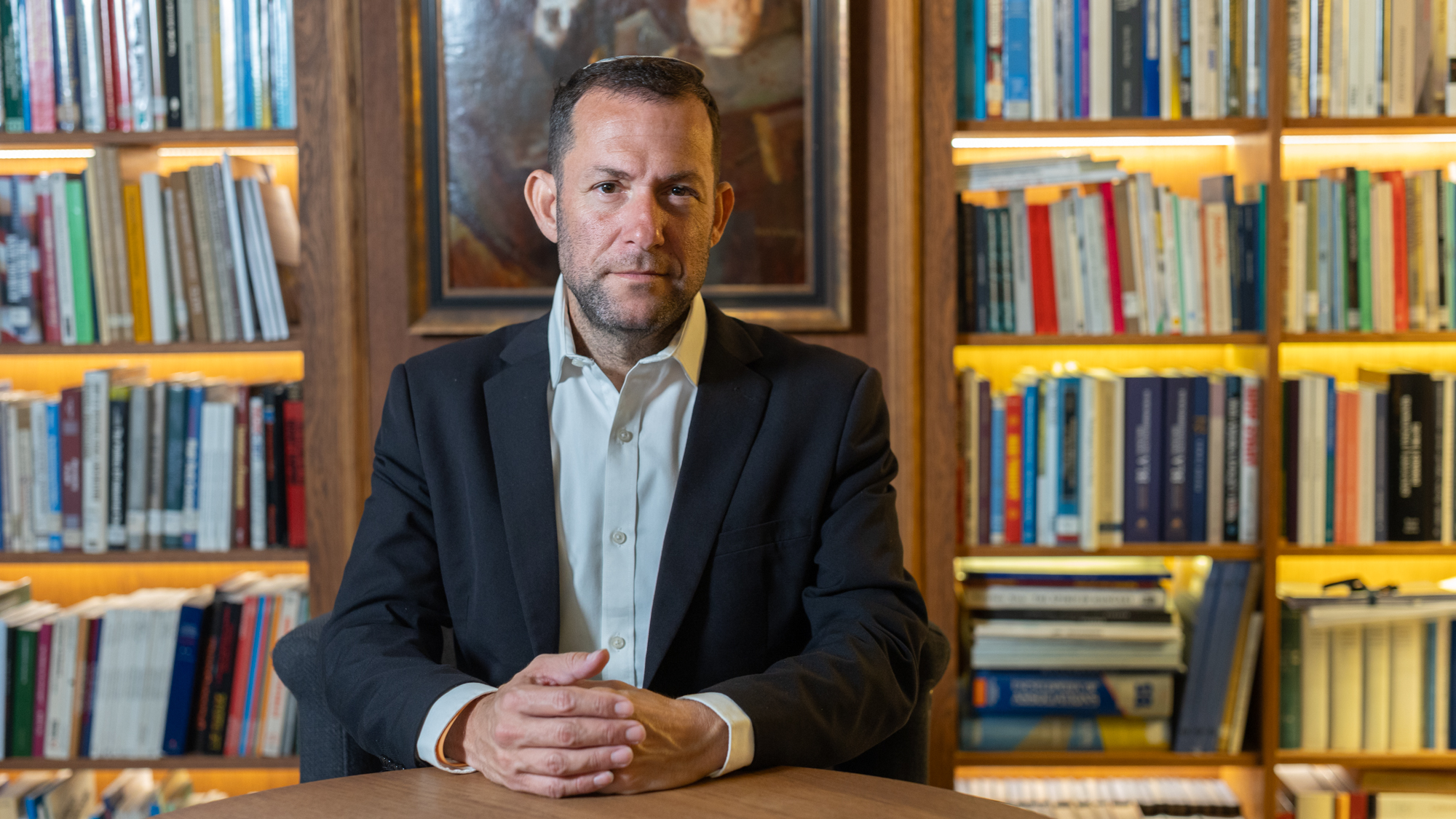
Do the Palestinians have a right to form a state? If a one-state solution were implemented, what would happen to the Palestinian population? Why is compromise impossible with Hamas and the Palestinian Authority? We asked the head of the Shomron Regional Council—the de facto leader of the Jewish settlers in Judea and Samaria—about the fading prospects of the two-state solution.

London witnessed an unprecedented anti-immigration rally on 13 September as Tommy Robinson’s Unite the Kingdom march drew up to a million participants, according to organizers. The event honoured assassinated US activist Charlie Kirk, with Elon Musk and Eva Vlaardingerboek delivering fiery speeches against mass migration.

‘The current epoch marks another revolutionary shift: the digital warfare paradigm, driven by rapid advances in artificial intelligence, cyber capabilities, autonomous weapons, and real-time data integration…It is no longer sheer numbers or tonnage of materiel that decide battles, but information superiority, network resilience, and the speed of decision-making.’
‘Cottee defended cover stories and evasions as part of his work. “Maybe there isn’t a real story at all,” he mused. Hugo Martin wondered aloud if Cottee had found more questions than answers. He admitted that he had, but insisted that the point was to map motives and evasions rather than to hammer out a grand theory.’