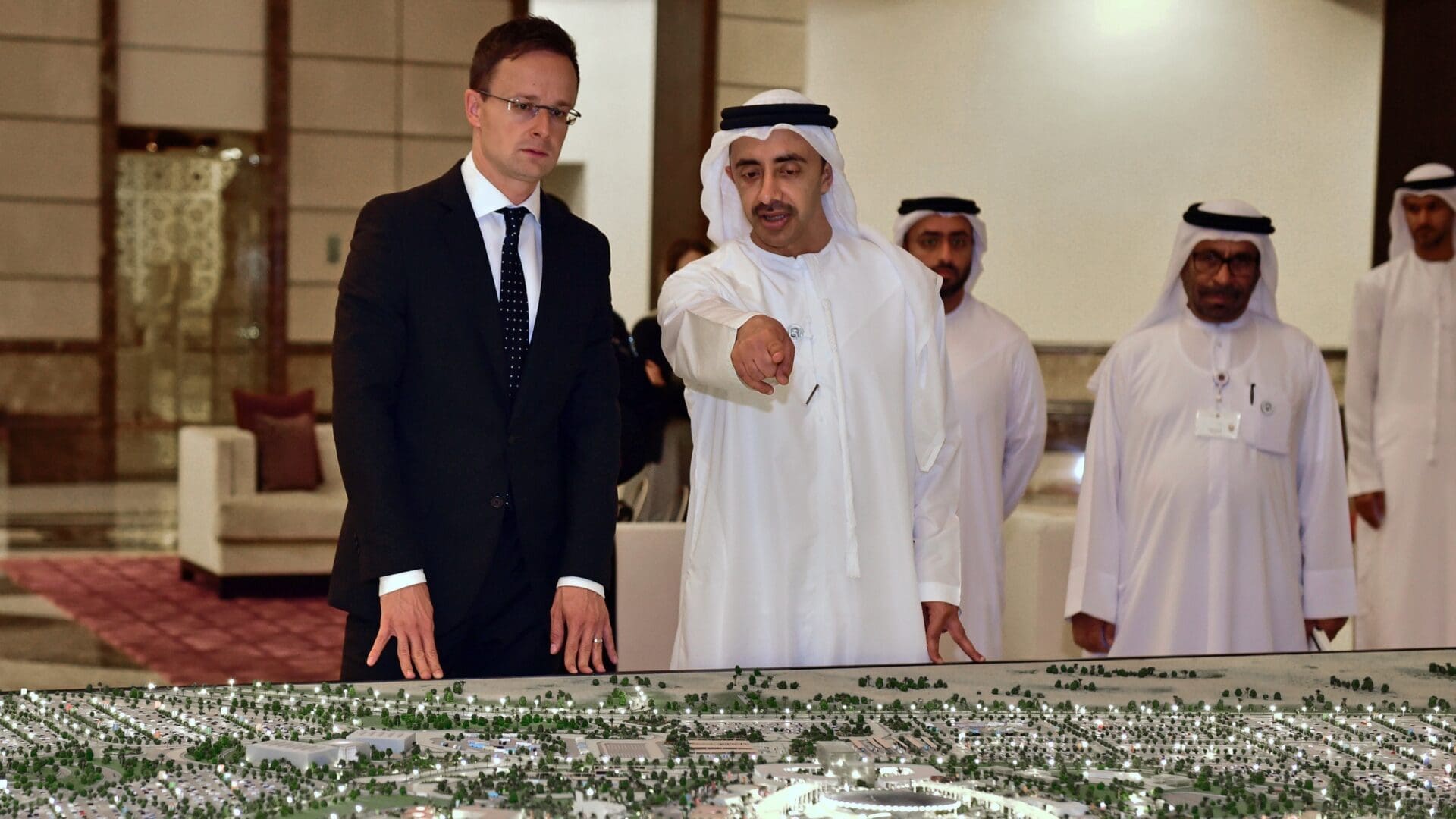
Hungarian Foreign Minister Péter Szijjártó and his UAE counterpart Sheikh Abdullah Bin Zayed in Abu Dhabi on 12 November 2018

Two Critical Visits to Open New Stage of Hungarian⁠–⁠UAE relations

The recent signing of a military and defence industry cooperation agreement between Hungary and the United Arab Emirates introduces a new dimension to their bilateral relations. Hungary’s status as a NATO member, combined with the UAE’s robust partnership with the alliance, suggests that this agreement may lead to a more pronounced role for Hungary in security collaborations between NATO and the Gulf region.

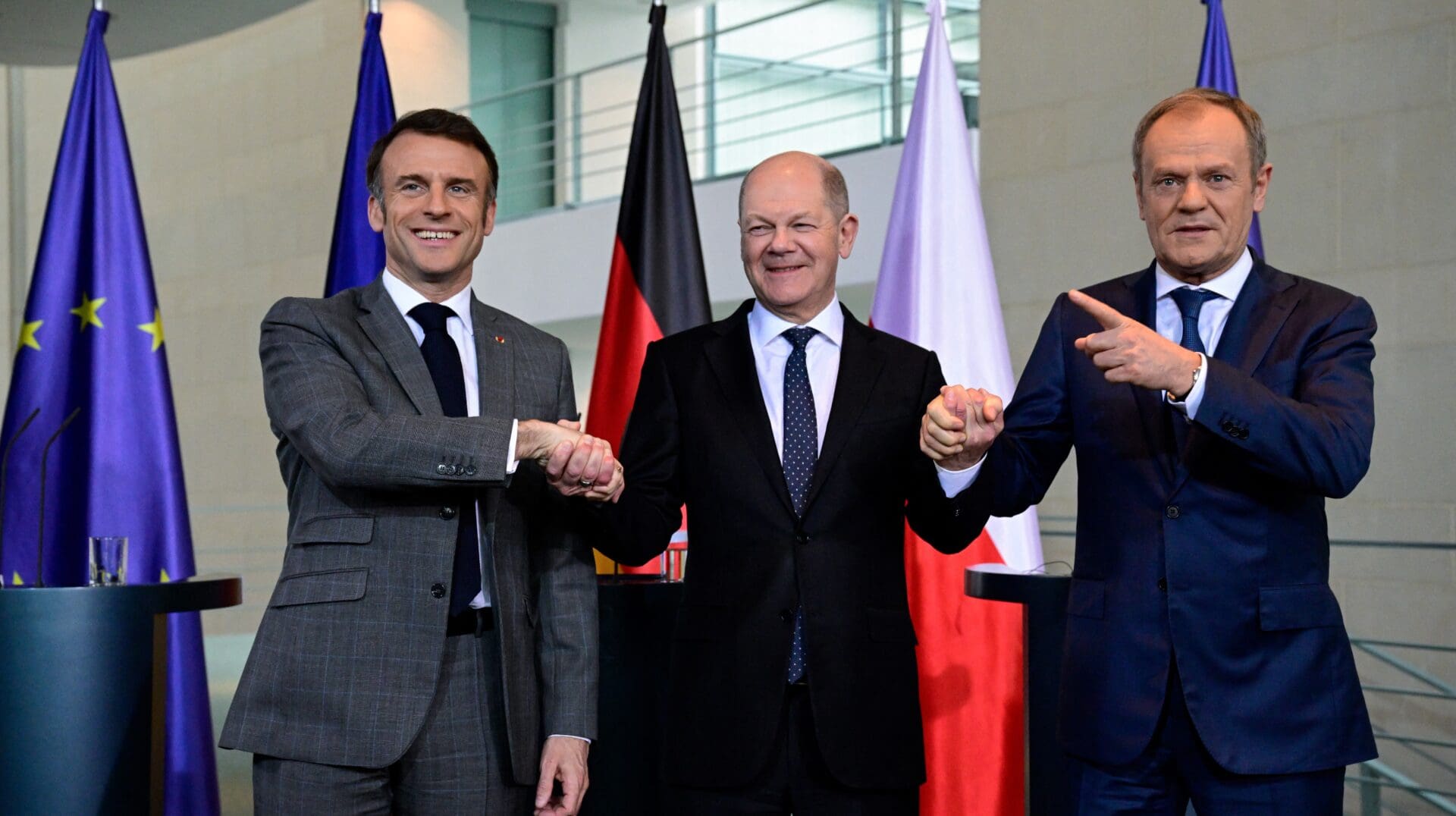
(L-R) French President Emmanuel Macron, German Chancellor Olaf Scholz and Polish Prime Minister Donald Tusk join hands at a press conference at the Chancellery in Berlin on 15 March 2024.

Macron and the Dangers of Strategic Uncertainty

‘Strategic uncertainty is not a universal elixir, but merely one of the tools in a politician’s and a strategist’s toolbox. It is important to know when to use it, but it is perhaps even more important to know when not to. For strategic uncertainty to be an effective tool, serious kinetic action must sometimes be added to the bluffing and the show of force.’

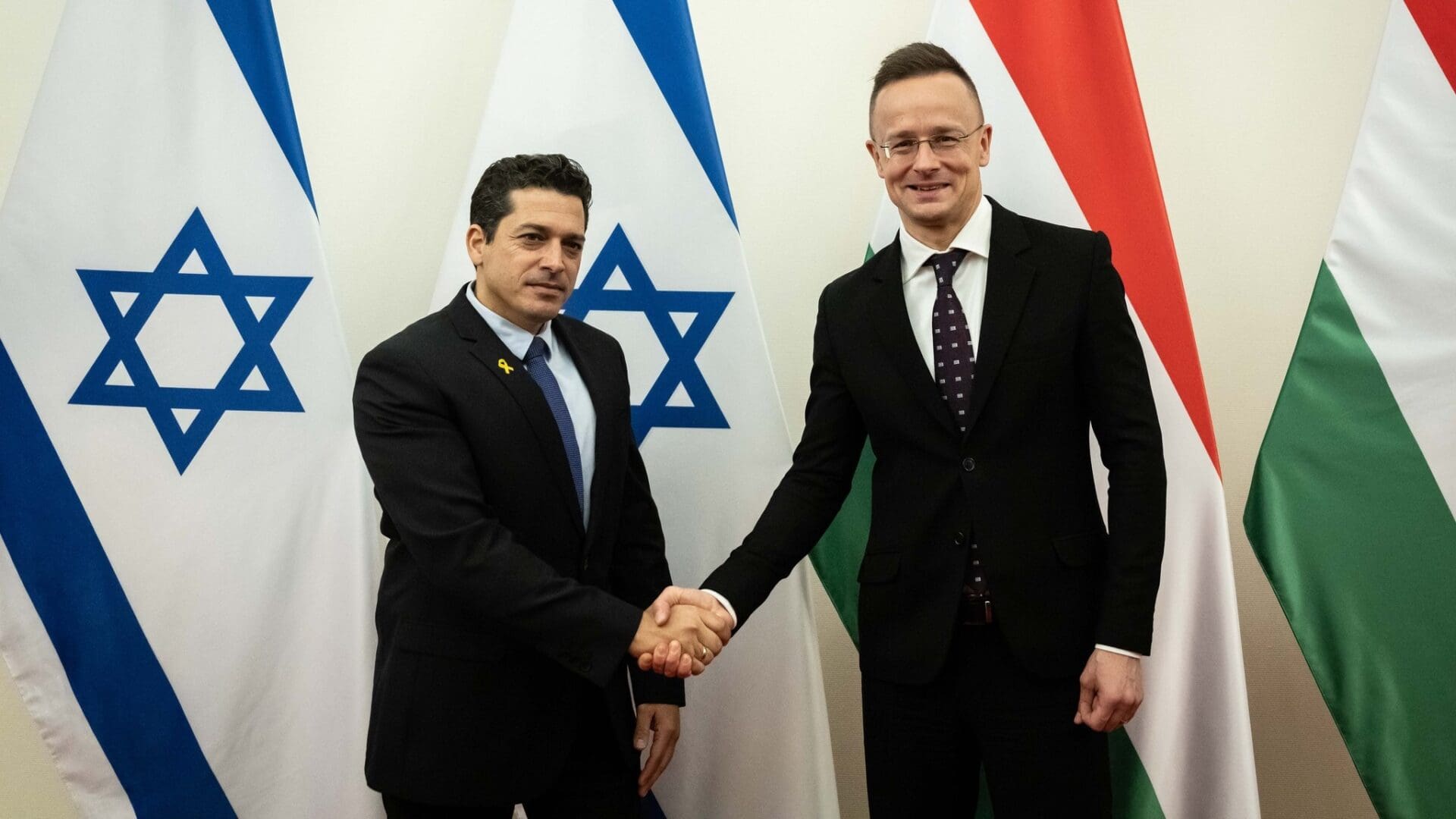
Hungary Is One of the Safest Places for Diaspora Jews in Europe, Says Minister of Diaspora Affairs of Israel

Early in March Israel’s Minister of Diaspora Affairs Amichai Chikli visited Hungary and met Hungary’s Minister for European Union Affairs János Bóka, Minister of Foreign Affairs and Trade Péter Szijjártó, several Hungarian Jewish community leaders, while also giving presentations on the Gaza War. Jews in Hungary can practice their faith in safety in contrast to many other European nations, he noted during his visit.

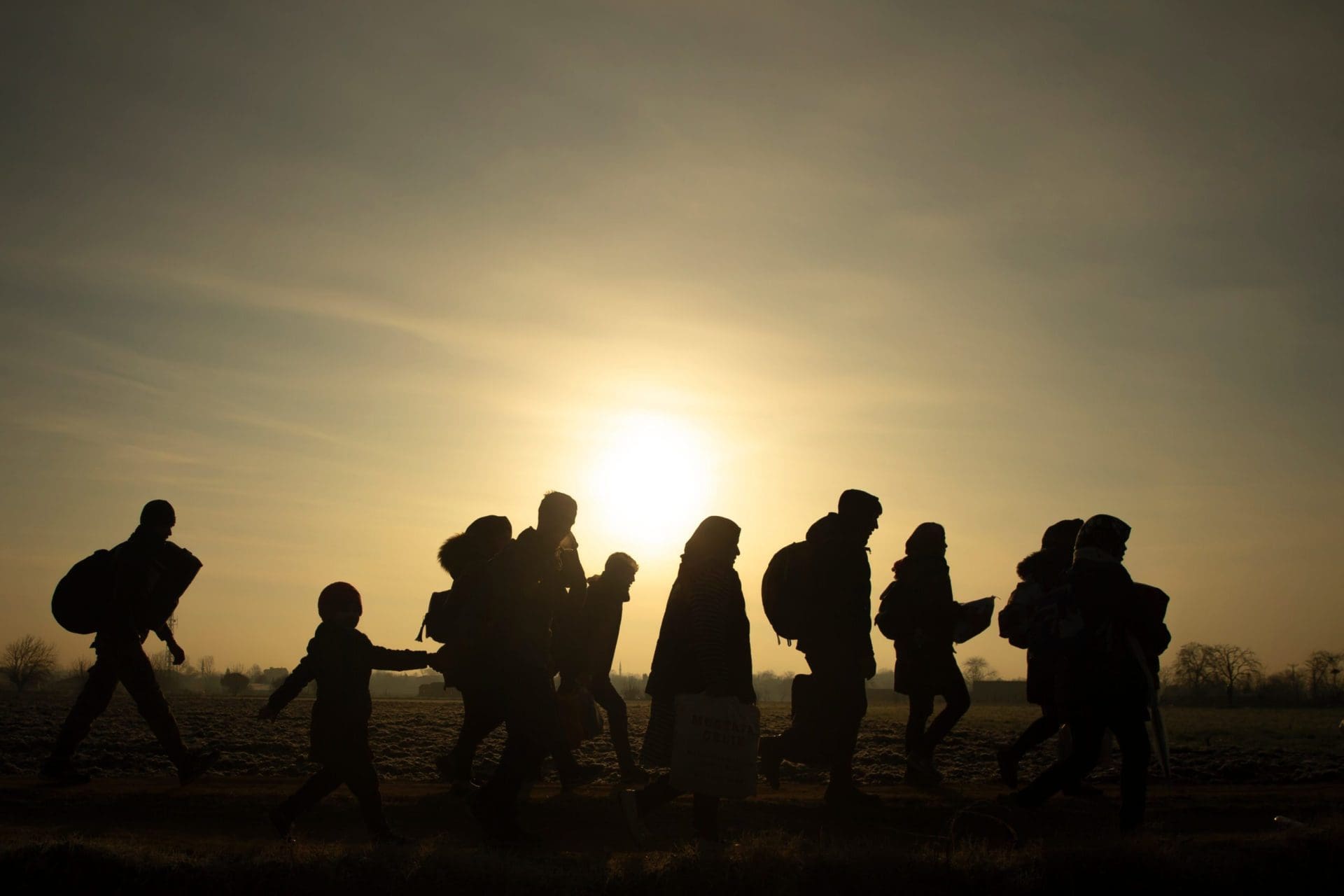
Migrants walk towards the Pazarkule–Kastanies Border Crossing between Türkiye and Greece

How Far Can a Refugee Flee?

The European Union’s migration and asylum policy is an area that is the focus of major political debates on a daily basis…This is particularly the case when national authorities seek guidance in individual cases from the ECJ, which has the binding power to fundamentally determine or change legislative practice—often leading to new political debates or new layers of political debate.