
Can a Four-Day Workweek Help Fight Climate Change?
‘…introducing four-day working weeks can simultaneously improve employee well-being, shrink companies’ climate footprints, and give workers more time for environmentally responsible activities.’

‘…introducing four-day working weeks can simultaneously improve employee well-being, shrink companies’ climate footprints, and give workers more time for environmentally responsible activities.’

‘To survive—that was the guiding principle of Kató Farkas’s life, who passed away in her 100th year. No matter what happens, that is all you have to think about, she always told herself and others.’

Johnny Somali, the infamous American ‘nuisance streamer’ wreaking havoc in South Korea, after an international legal saga spanning over a year, has at last been sentenced to six months in prison with labour and 20 days of detention in jail.
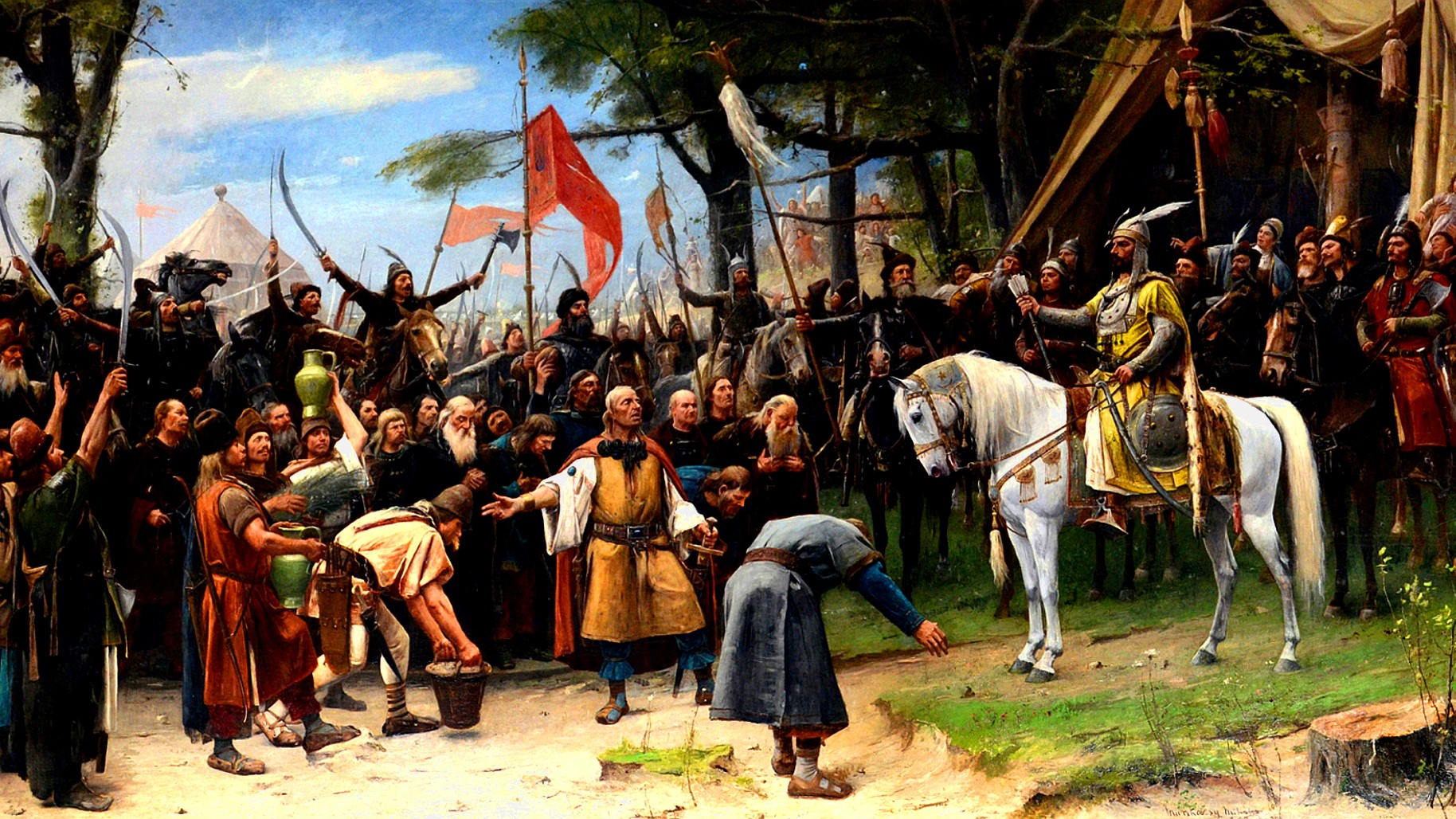
‘The negatively signed evaluation of the East–West dichotomy in Prohászka is…the legacy of 18th–19th-century Western European thought—the French/Scottish Enlightenment and German Idealism. The turning point was brought about mostly by the Enlightenment…and the fetishization of technical progress. It was from this point onwards that the East became “lazy” and “backward” in the eyes of Western man.’

What is at stake in the Hungarian elections? Which Hungarian policies are noteworthy—and perhaps worth adopting in the West? How does Australia relate to the Iranian and Ukrainian wars, and the challenge posed by China? We spoke with the former Prime Minister of Australia about the significance of the Hungarian elections, the dangers of a changing world order, and the role of conservatism.

‘Mead lived during a crucial period in the development of anthropology and was one of the most influential figures of the second generation of modern American anthropologists; her work is both extensive and diverse, spanning numerous topics and approaches that have left a lasting impact on the field.’

Former Croatian President Kolinda Grabar-Kitarović headlined the second day of the Danube Institute’s Family Formation Conference in Budapest, stressing that family policy must be approached with humanity, not just statistics. A panel discussion that followed highlighted declining birth rates, rising loneliness, and shifting social norms.
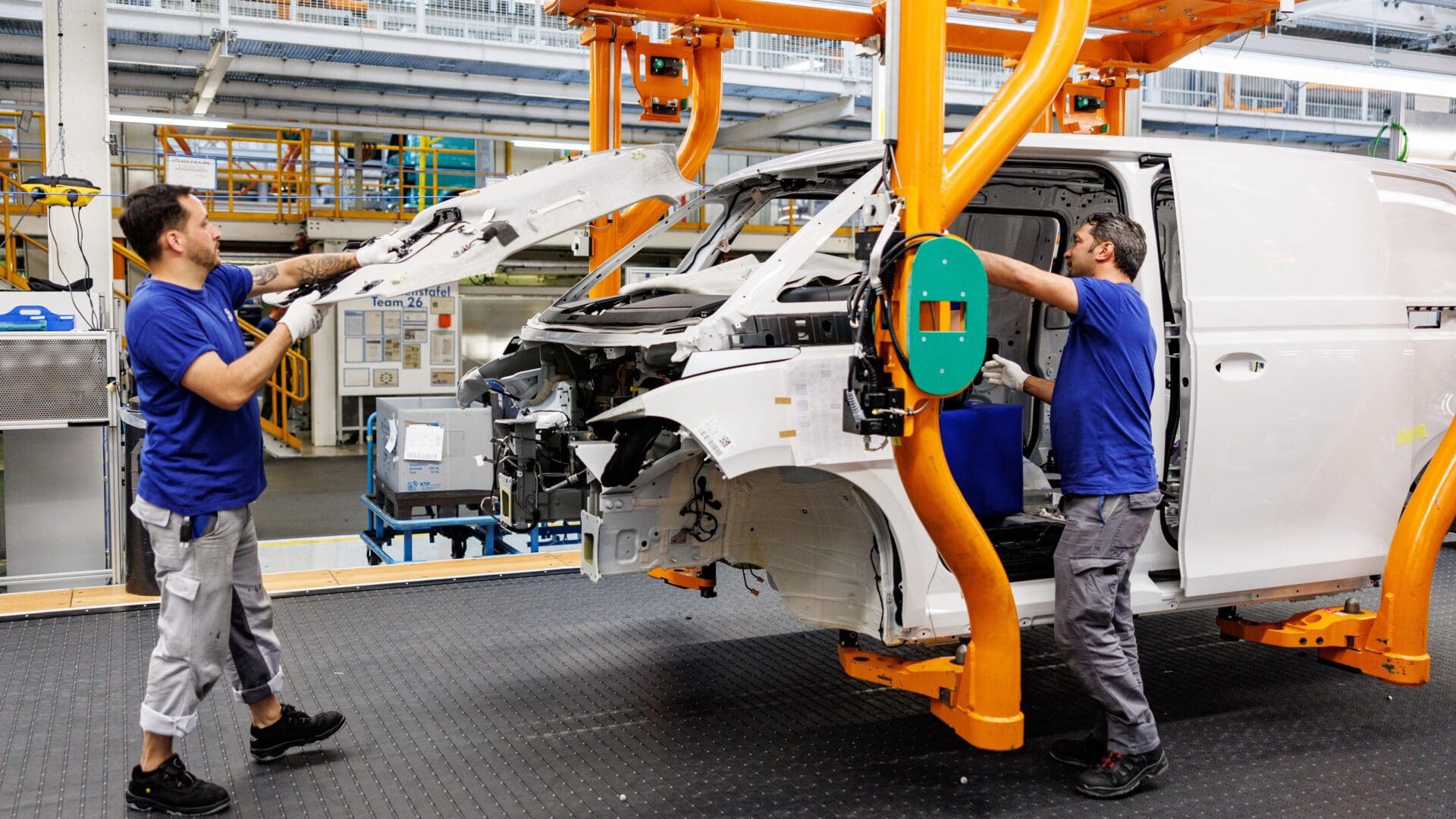
Disruptions in the Gulf region are squeezing global aluminium supplies, forcing carmakers to stockpile and consider alternative sources, including Russia, as fears of prolonged shortages grow.

Donald Trump’s demand for allied warships in the Strait of Hormuz has exposed a stark transatlantic divide, with Washington ready to act decisively while Europe once again hesitates in the face of a mounting crisis.
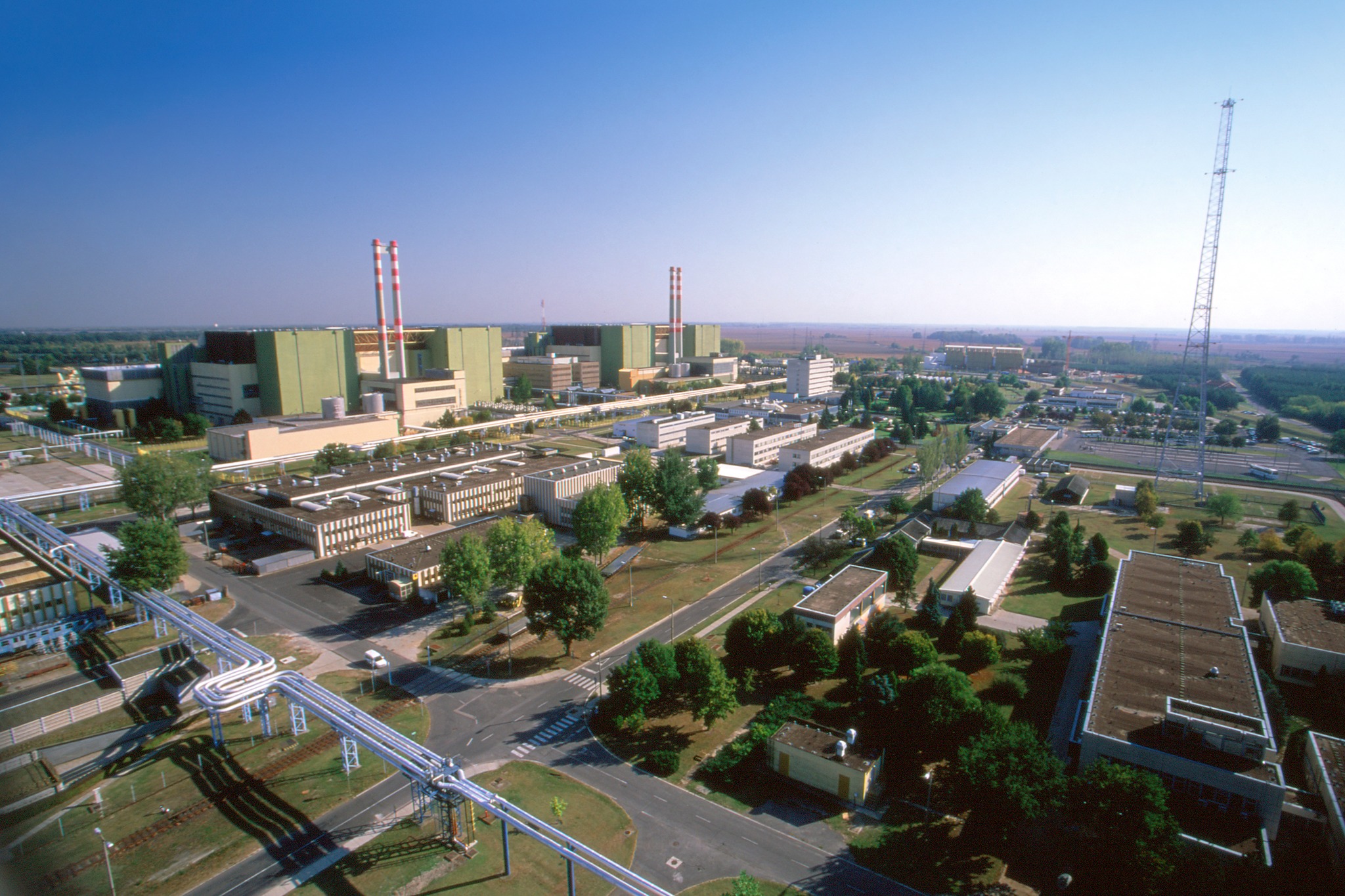
‘All three nations are interested in using Hungary to showcase their nuclear technologies to the European market—and it is the perfect place to do so. Unlike Western Europe, countries in Central Europe are heavily invested in nuclear energy, with nations such as Hungary and Slovakia generating more than 50 percent of their electricity from nuclear power.’

At a time when public debate is increasingly polarized and superficial, Hungarian Conservative remains committed to depth and independent thought.
Donate Now
Please consider supporting our mission.