
Changing World Order, War and Security, Global Geopolitical Prospects — This Is What Happened at the Danube Geopolitical Summit

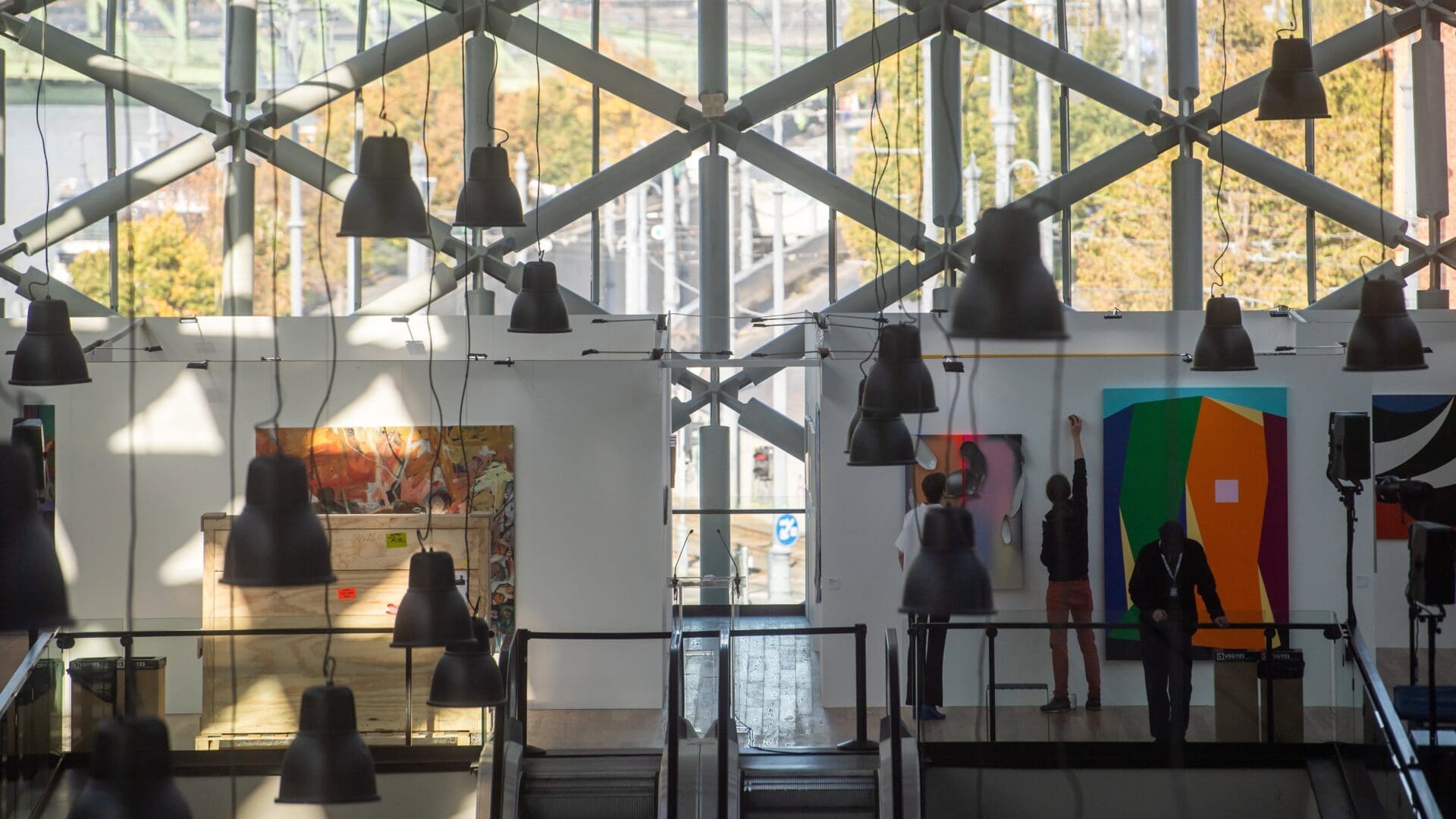
The Third Danube Institute Geopolitical Summit took place last week in the Castle District of Budapest, with such illustrious guests sharing their insights as former Australian Prime Minister Tony Abbott, former Czech President Václav Klaus, Head of the Committee on Foreign Affairs and Hungarians Abroad Zsolt Németh, and Lewis Libby, researcher at the Hudson Institute and advisor to former US President George W. Bush.

Hungary Climbs Two Positions in Global Wealth Ranking

This positive trajectory in Hungary’s financial landscape had an impact on the nation’s global ranking in terms of wealth. Hungary has advanced two positions, now sitting at 30th place among the world’s nations, demonstrating the country’s progress despite the challenging economic conditions.

How Conservatism Can Make Democracy Work Again

Hyper-democracy is already here, it will grow stronger, and we are only starting to understand its profound effects. Some of them will be detrimental, others will open up new opportunities. This might appear overwhelming and unprecedented to some, but in truth, that was the case with all great technological or political upheavals…

Learning from a Troubled Past, Opting for a Bright Future — Some Thoughts on a ‘Ferry Country’

‘Hungary is a literal crossroads nation between Europe and Asia due to its geography and culture. It exists on the edge of Western civilization, as can be seen in Huntington’s Clash of Civilizations. In his book, “east” of the Hungarian People starts what he describes as the distinct Orthodox civilization, and nearby also lies the Islamic civilization. Even though Hungary is now a part of the West, it still has links to the East, which is most notable through language as well as cultural origins and heritage.’

Cyber Winds: The East Asian Investments That Fill Hungary’s Infrastructural Sails

From the inception of post-Soviet Hungary, East Asian relations have been oriented towards trade as well as knowledge and information exchange. With the opening up of the Hungarian economy, foreign direct investment (FDI) began to flow in from Taiwan, China, and India, and was widely distributed over a diverse range of sectors including finance, retail, mining, and those that this article focuses on: automotive manufacturing and logistics.