Quiet Collapse of Deterrence: NATO’s Strategic Dilemma

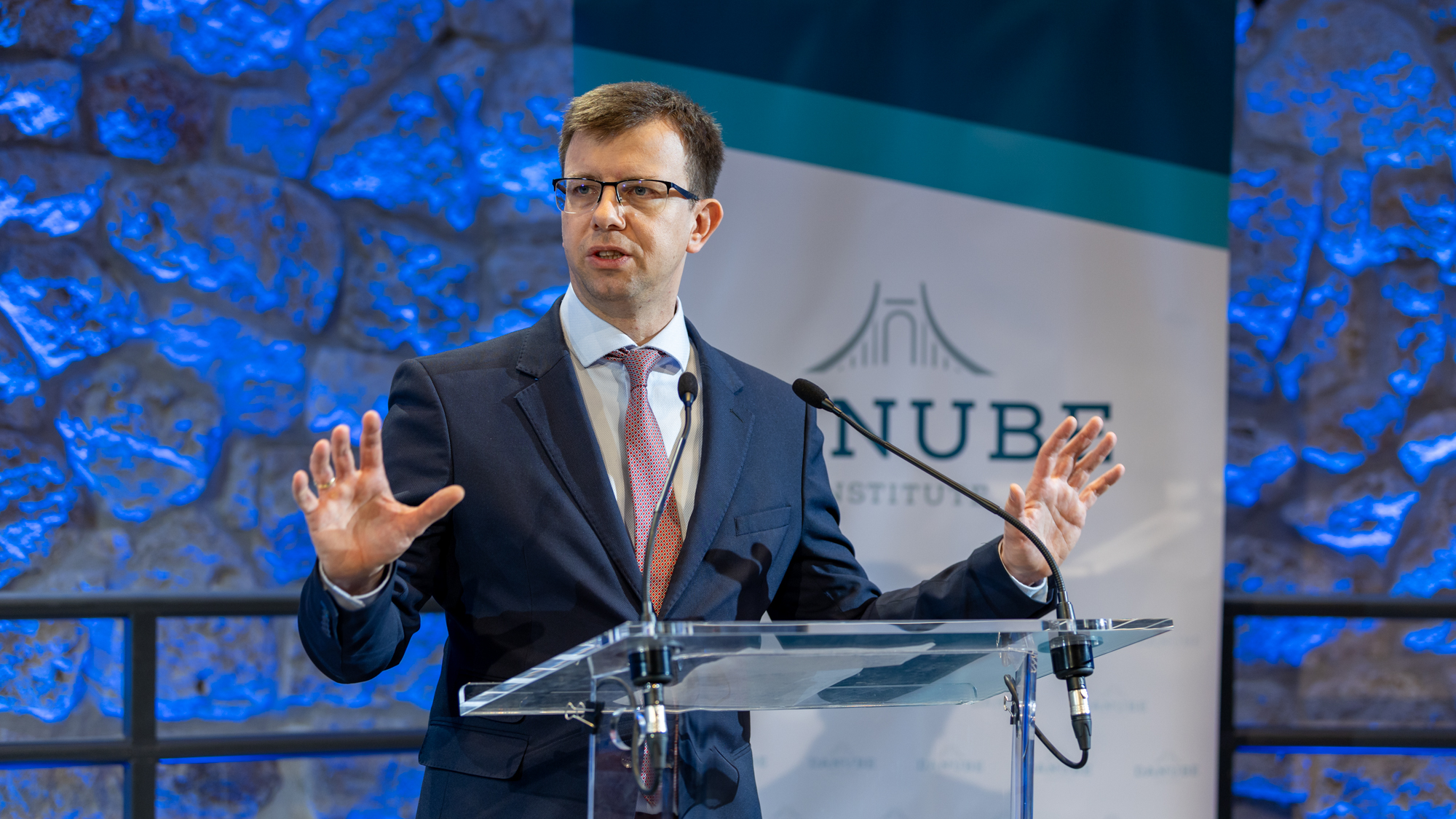
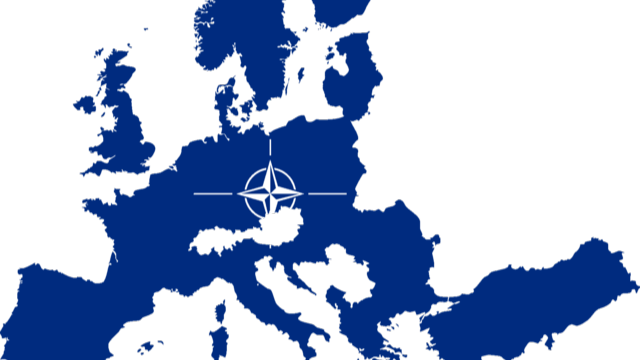
‘For more than three decades after the Cold War, deterrence in Europe was largely taken for granted…Security debates focused less on territorial defence and more on crisis management, expeditionary missions, and stabilization operations far from Europe’s borders. That strategic comfort has now decisively ended.’

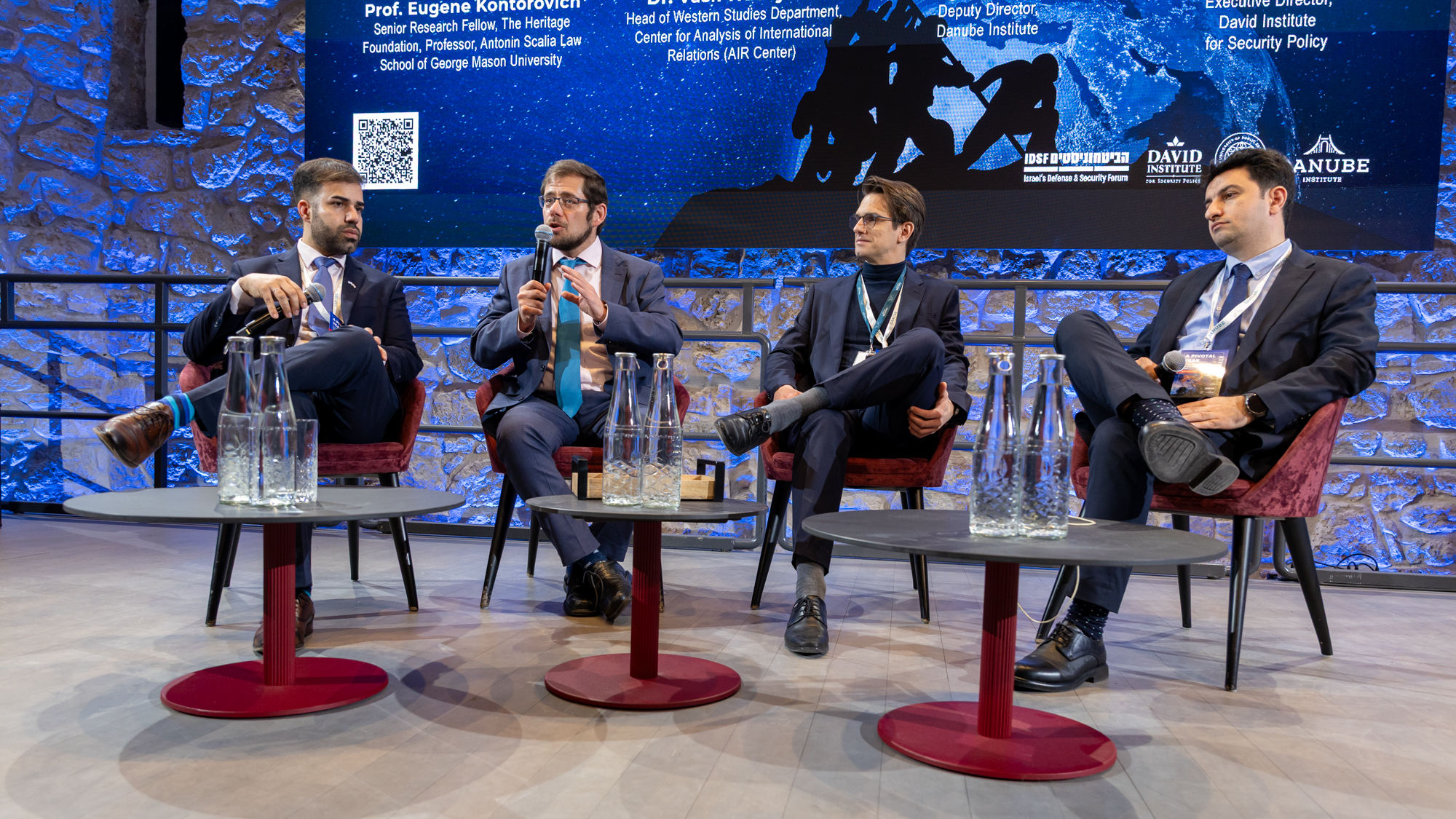
Gergely Dobozi

The Age of Nations: Sovereignty and Diplomacy in a Fragmented World

‘The coming years will…not be about returning to the past, but about shaping a stable future—one in which nations remain the cornerstone of international order, cooperation remains possible without coercion, and Europe remains strong precisely because it respects the sovereignty of its members.’

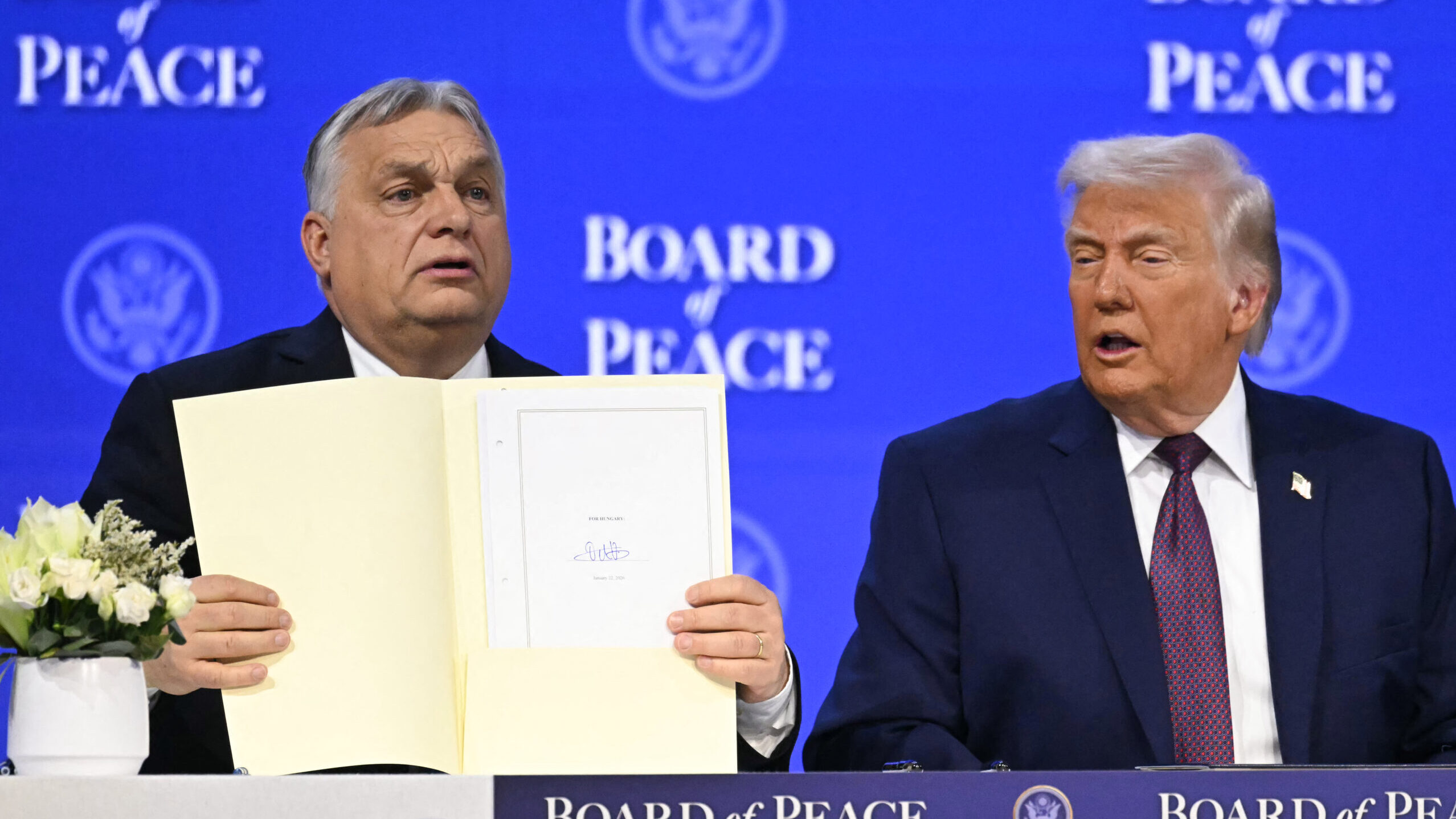
Hungary Joins Donald Trump’s Board of Peace as Founding Member

Hungary has joined Donald Trump’s newly unveiled Board of Peace as a founding member in Davos, with Viktor Orbán warning that war brings inflation, sanctions, high energy prices, and economic decline. Balázs Orbán hailed the platform as ‘one of the first institution of the new world order,’ while European powers such as France and the United Kingdom refused to join the new conflict resolution forum.

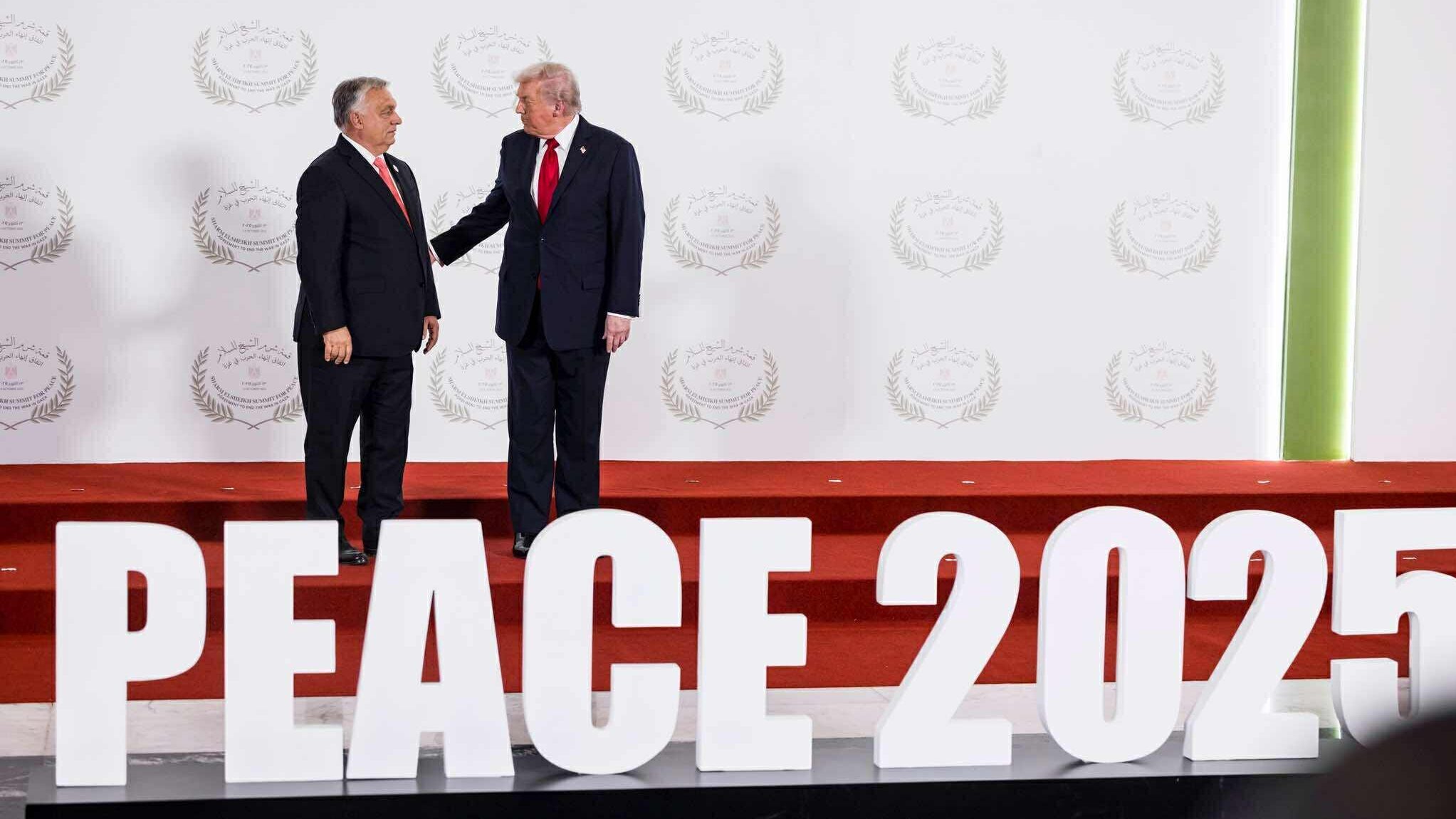
Fact Check: Hungary Won’t Pay $1 Billion for Orbán’s Board of Peace Seat

Hungarian Prime Minister Viktor Orbán’s invitation to Donald Trump’s ‘Board of Peace’ has sparked immediate controversy at home, after reports claimed Hungary would have to pay $1 billion for a seat. Yet the board’s charter states membership carries no financial obligation by default, with the billion-dollar contribution only offering an automatic extension beyond the standard three-year term.

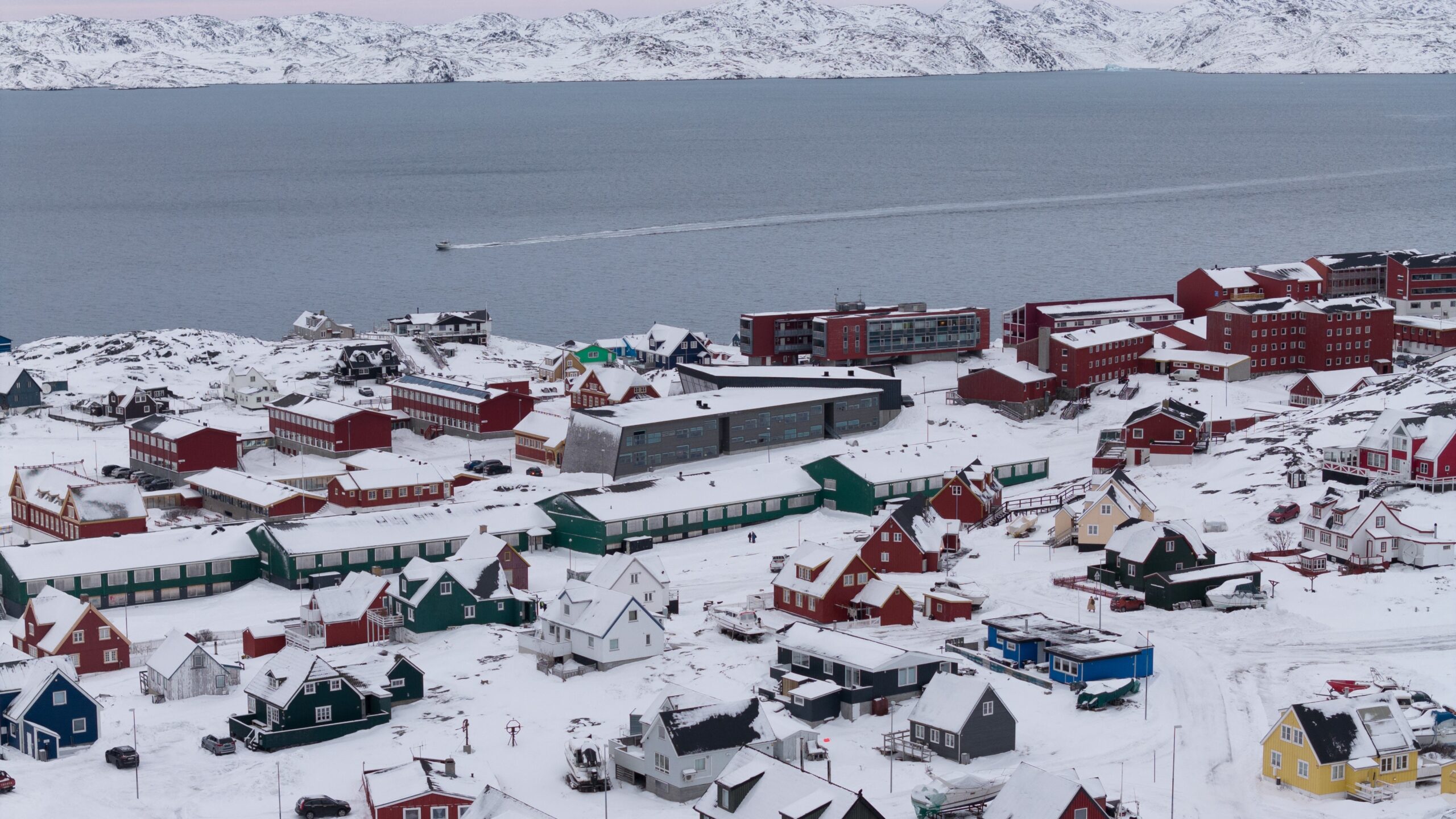
An aerial view shows Nuuk, the capital of Greenland, with its colorful houses surrounded by snowy hills on January 13, 2026.

Peace through Transaction: How Trump Can Win Over Greenland

‘Trump…does not need to “take over” Greenland by force or by acquisition. Instead, he should rely on his artful strategy that has thus far been marked by business pragmatism and a preference for power politics—peace through transaction, that is, cutting a deal.’