Some Thoughts on the ‘Rule of Manipulation’
Reflections on how the European Commission selectively applies the rule of law conditionality procedure and manipulates public perception in this regard.

Reflections on how the European Commission selectively applies the rule of law conditionality procedure and manipulates public perception in this regard.
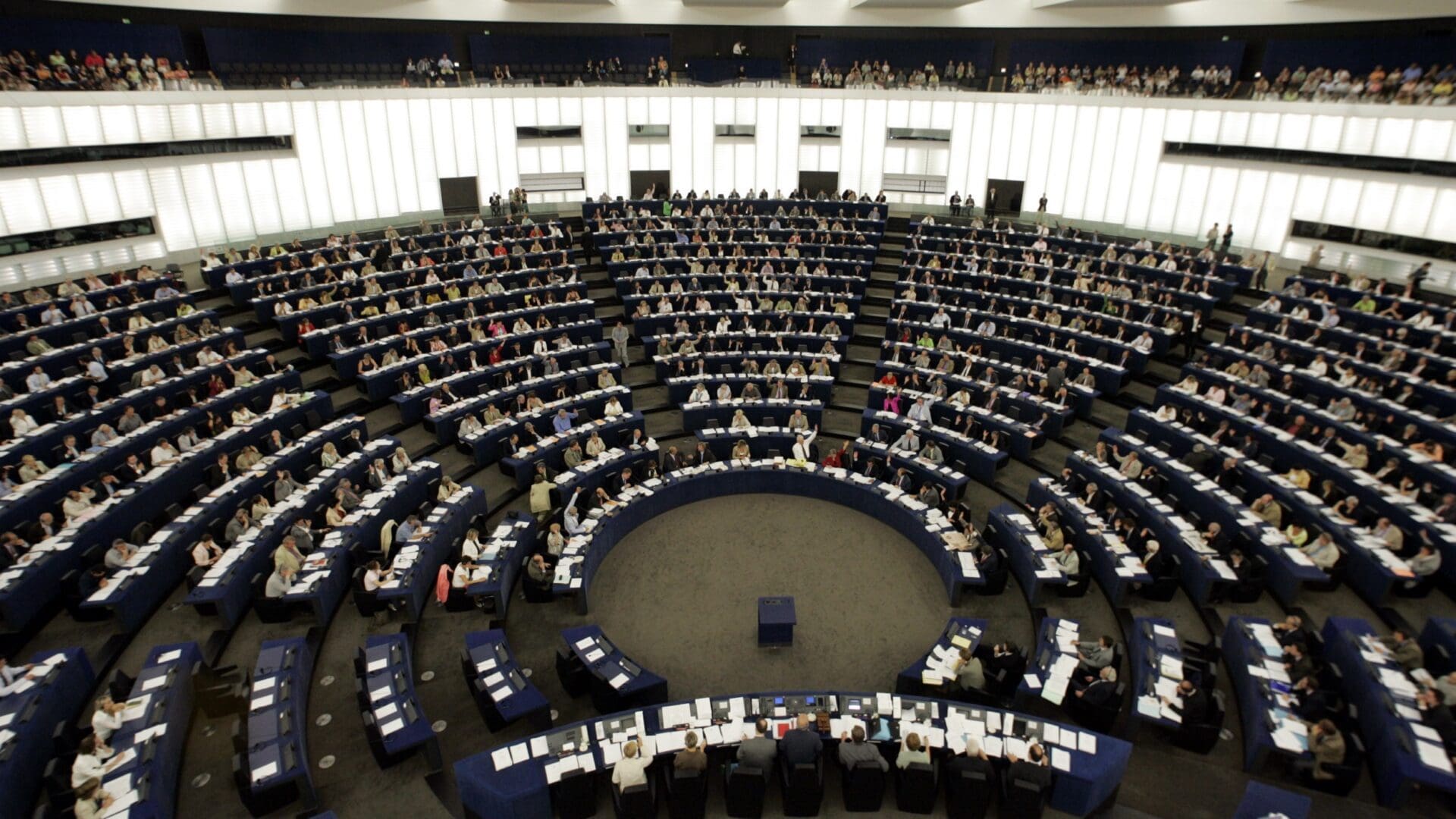
The current system involves separate national elections with varying rules and representation. The proposed changes aim to create a single European election, but critics argue that it would diminish the role of member states and distance voters from politicians. The majority of member states oppose the reforms.
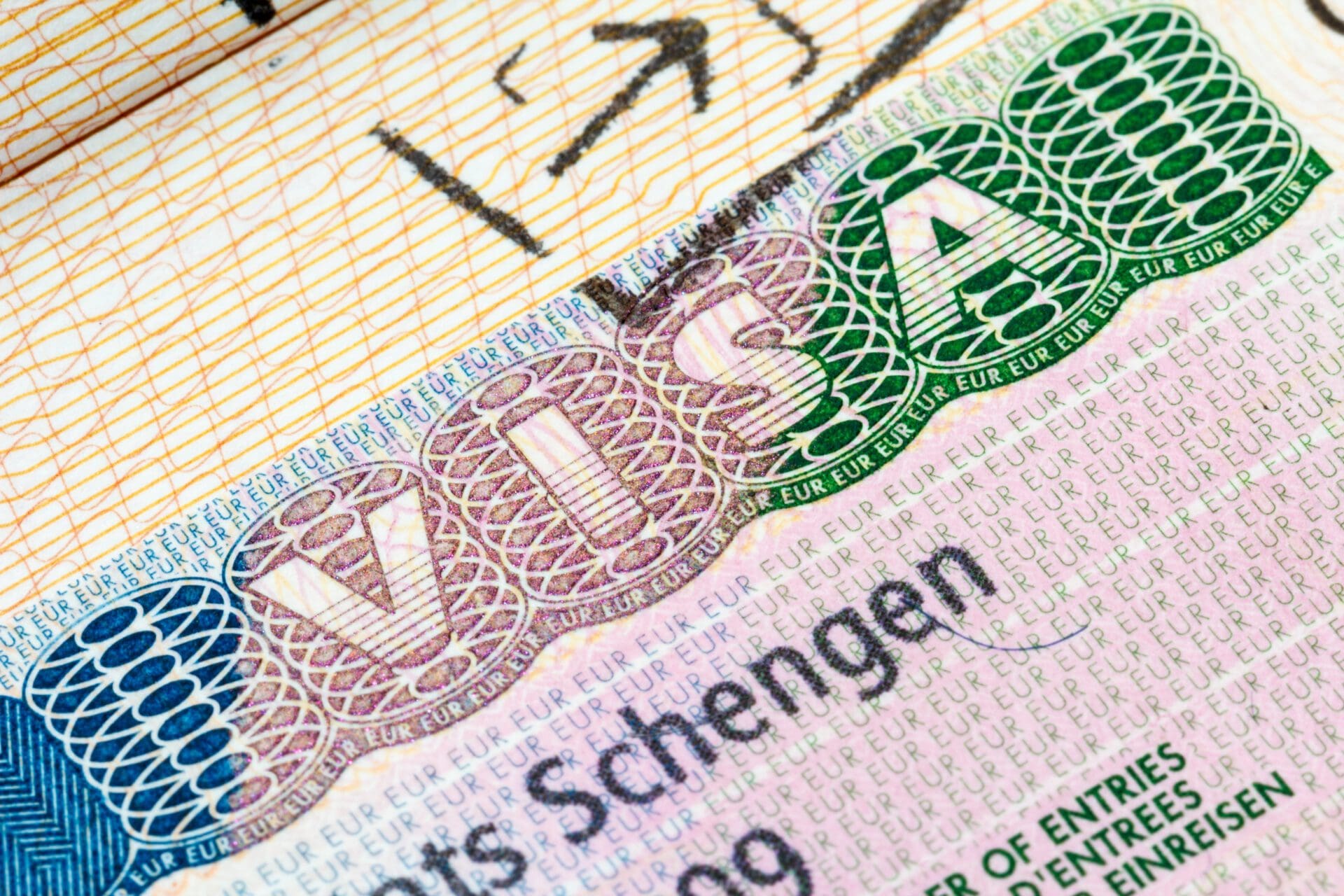
According to the European Parliament, Romania and Bulgaria’s industries and inhabitants are negatively impacted socially and economically by the two nations’ continued exclusion from the visa-free zone.
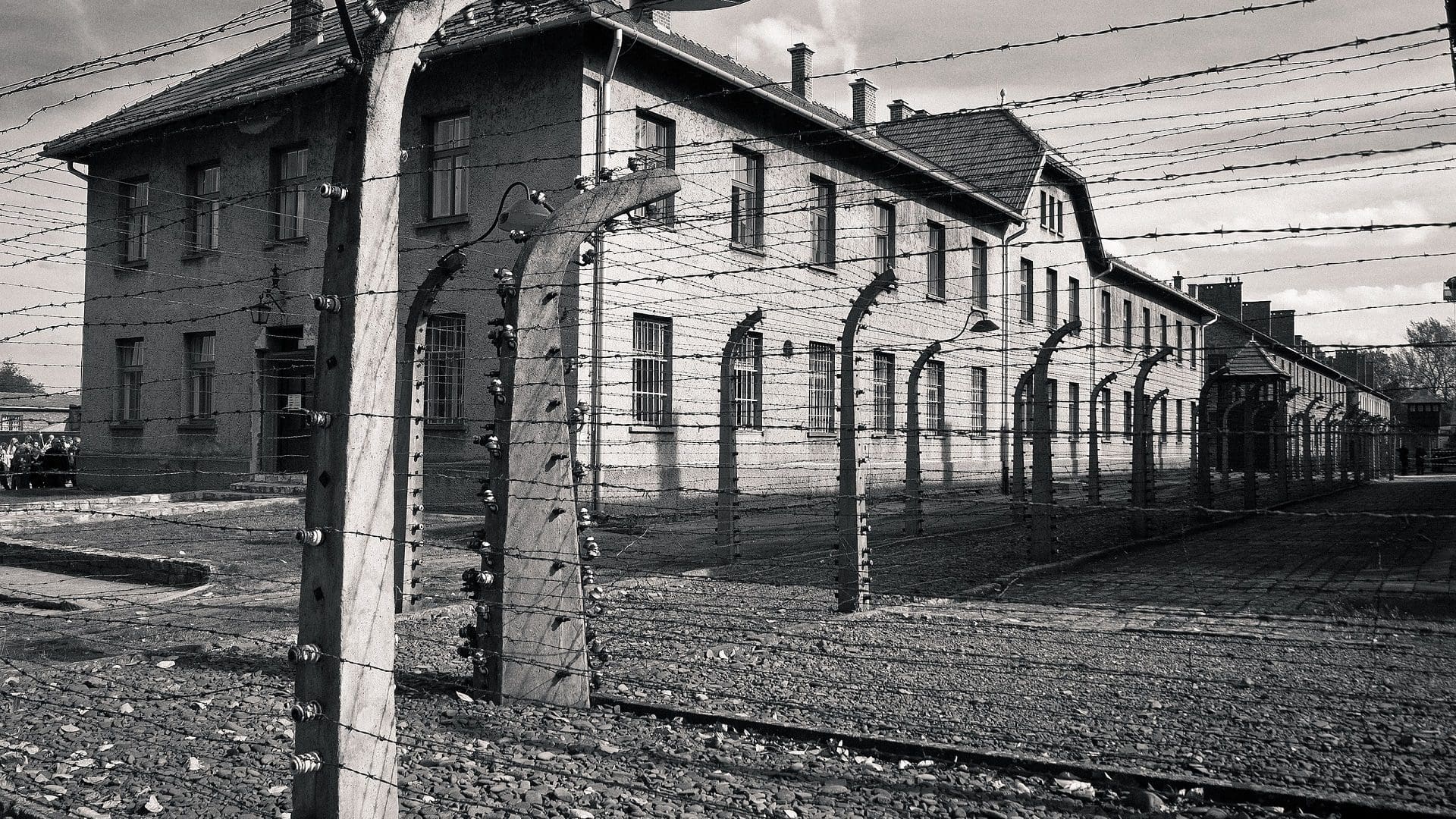
Jewish-Hungarian MP from the Horthy era Béla Fábián was held as a POW in Russia in World War i, and was taken to a concentration camp in World War II. He became an avid critic of the Hungarian Communist Party while living in exile in the 20th century, for which the Kádár regime subjected him to a smear campaign, claiming that he actually served as a ‘kapo’, a prisoner-turned-guard in his camp. Here’s the story of the extraordinary life of a special man.
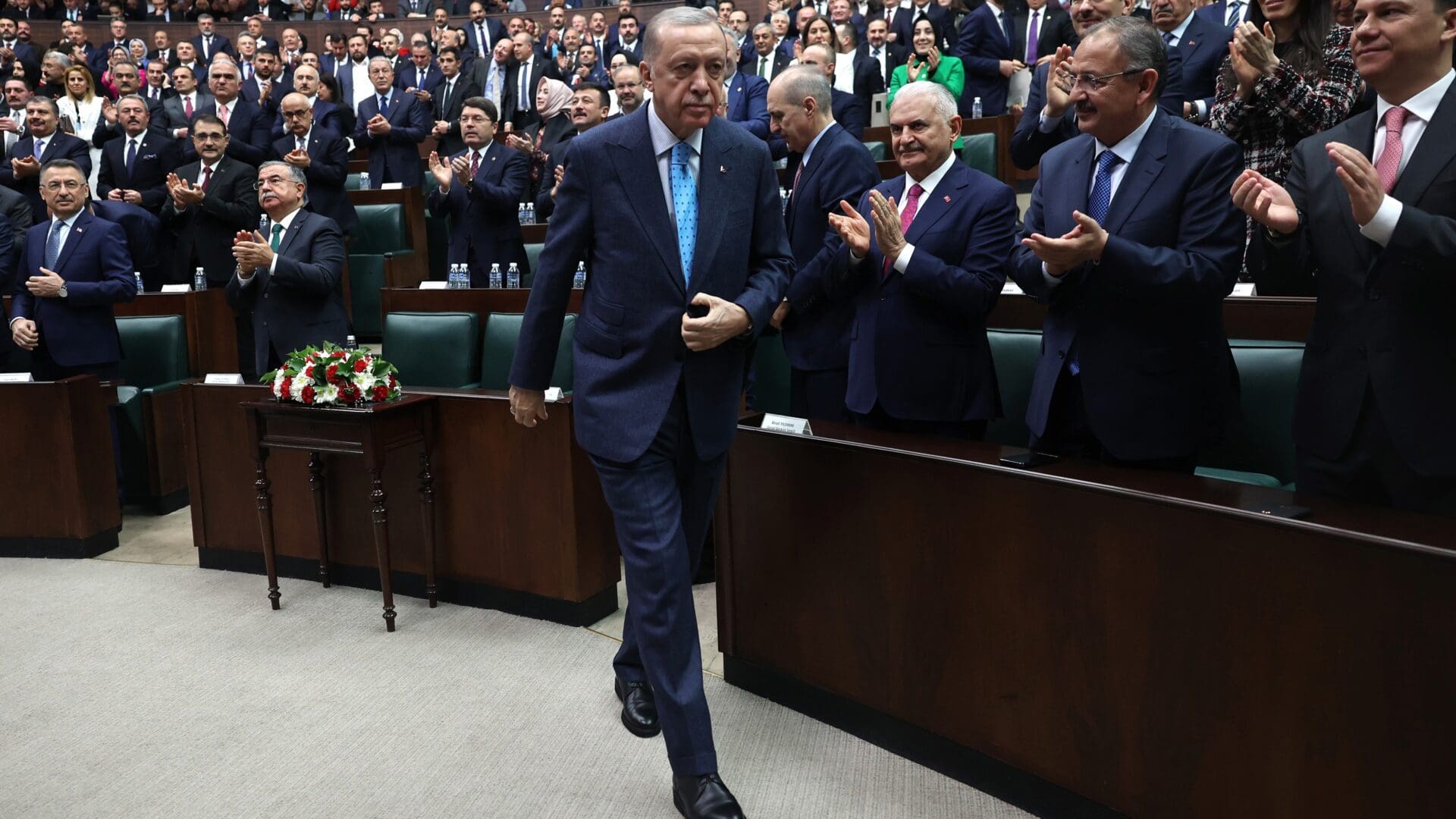
Erdoğan spoke about the issue of Sweden’s NATO membership during a press conference held at Istanbul’s Ataturk Airport before travelling to the alliance’s summit in Vilnius, Lithuania. He stated that Turkey would approve Sweden’s NATO membership if the European Union resumes accession negotiations with his country.
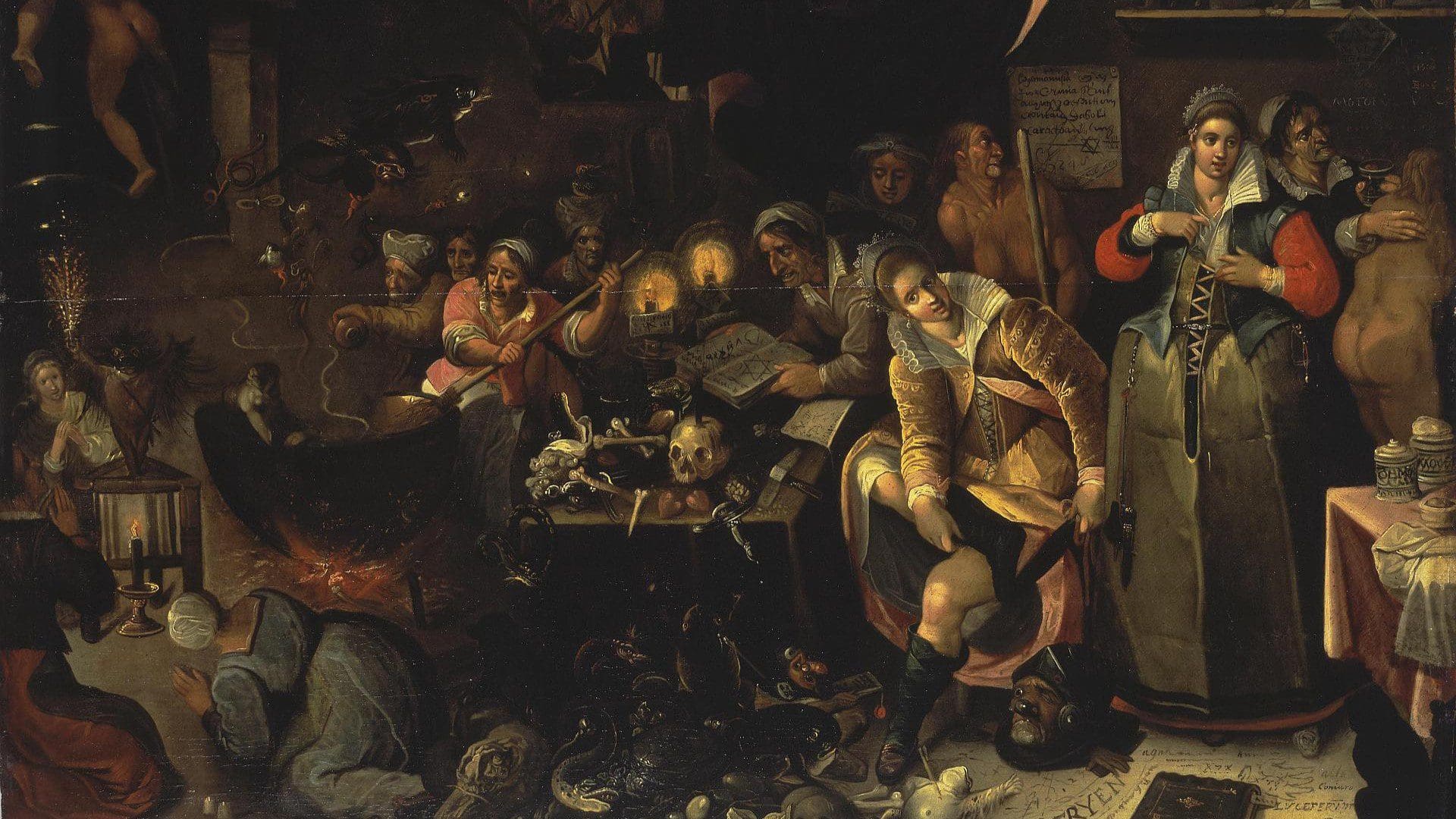
While many had hoped for a more balanced portrayal of Hungary’s legal system and reforms, the report still appears to maintain a negative image of the country.

With the recent large-scale build-up of the national defence industry, Hungary is not only ensuring its own military equipment supply, but also contributing to the development of European defence industrial capabilities and thus enhancing the EU’s security.
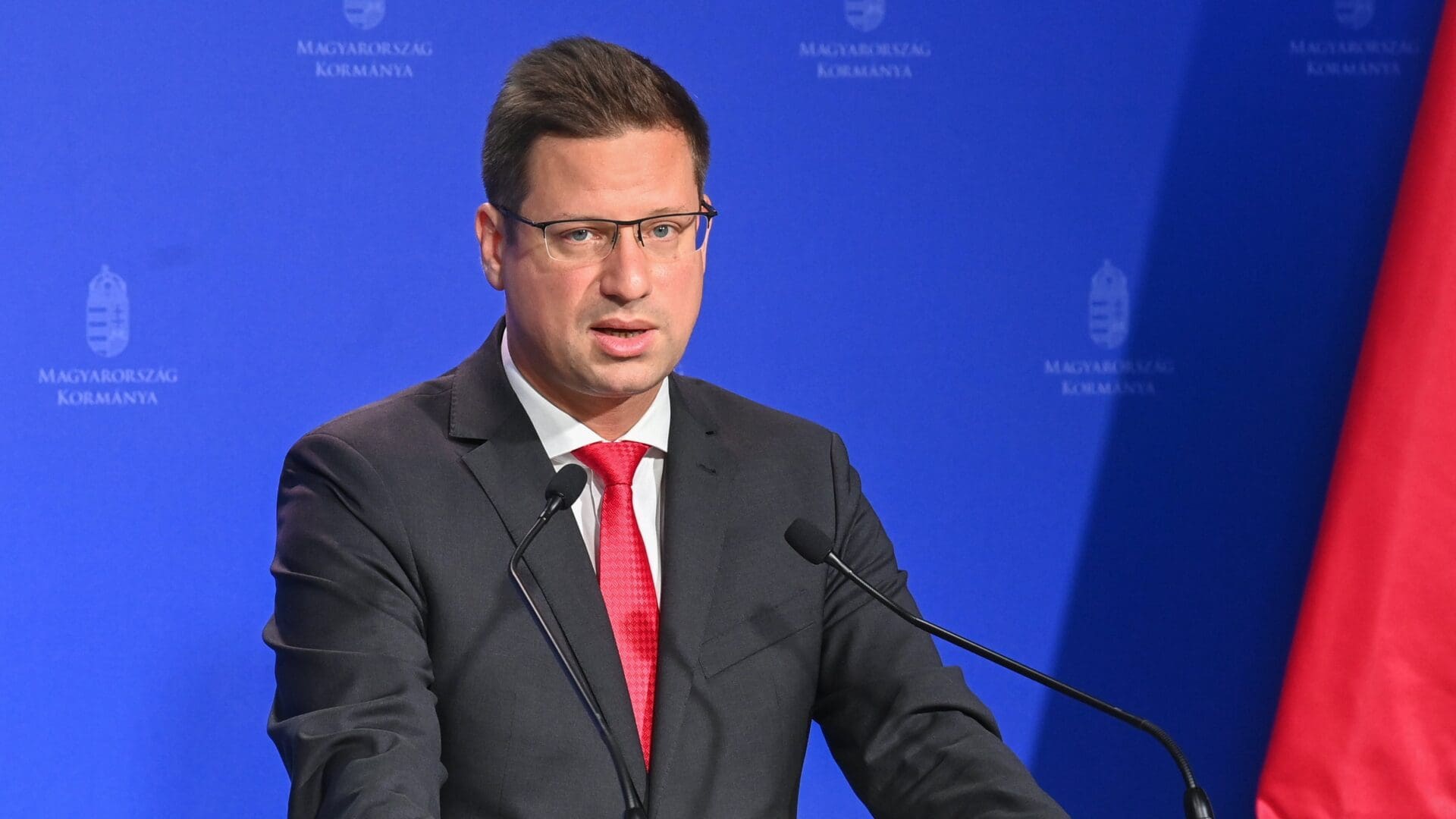
Brussels is requesting an additional €98 billion in contributions from member states. Hungary does not approve of this contribution. As Gulyás pointed out, this request raises the question: how have Ukraine and the EU spent their funds so far? ‘Where is the money?,’ he asked. He also posed the same question to Budapest Mayor Gergely Karácsony, who is embroiled in a campaign finance scandal while he is also claiming that his city is nearing bankruptcy.
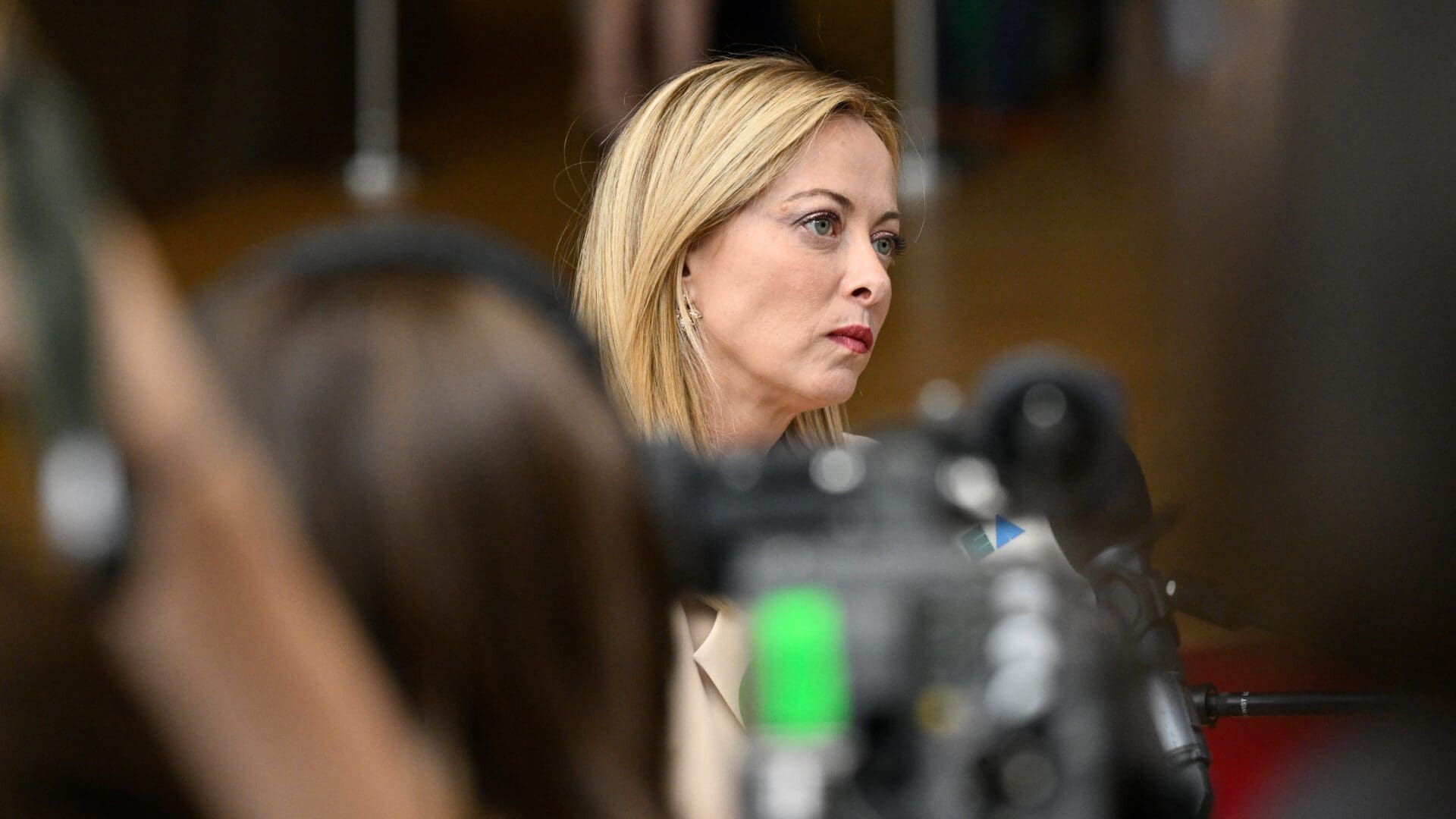
‘I am not disappointed by the attitude of Poland and Hungary, I am never disappointed by those who defend their national interests,’ the Italian premier declared following the meeting of the European Council, adding that ‘there is an excellent relationship with Poland and Hungary’.
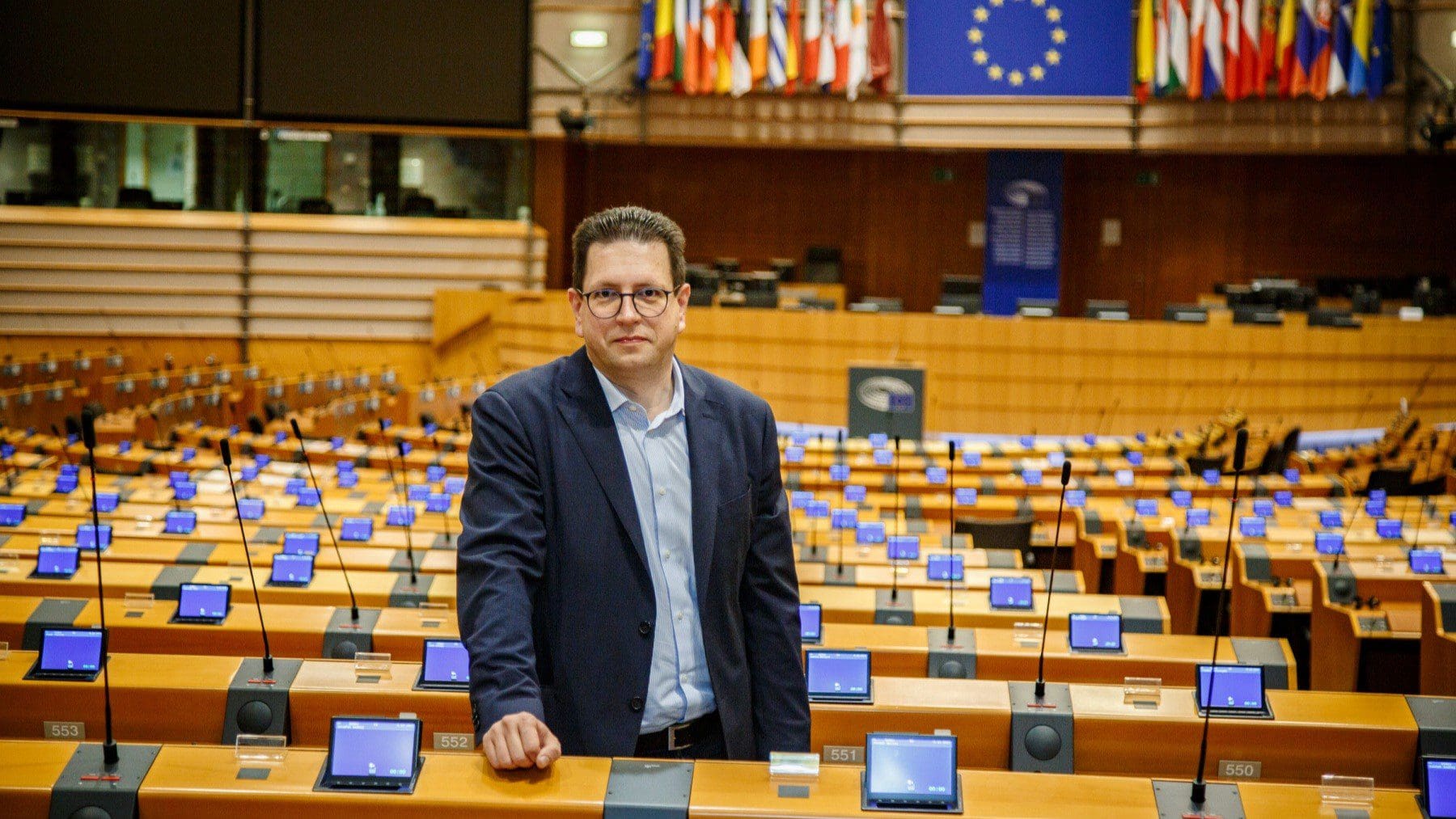
As concerns regarding Ukraine’s minority law continue to linger, FUEN President Loránt Vincze provides valuable insights into the Venice Commission’s recent findings and their implications for the fundamental rights of individuals belonging to ethnic minorities.