The EU’s Rule of Law Trilemma Grips the Entire Continent
‘The rule of law’s conceptional imperfection makes it a perfect weapon, horribile dictu, a substantive lawfare.’

‘The rule of law’s conceptional imperfection makes it a perfect weapon, horribile dictu, a substantive lawfare.’

According to information from POLITICO, EU leaders and some member states want to punish Hungary by giving the country a weak portfolio in the next European Commission. Hungary currently holds the position of Commissioner for Neighbourhood and Enlargement, but tensions between Brussels and Budapest are rising due to Hungary’s resistance to Ukraine’s accession.

‘I firmly believe the EU is in dire need of a rule of law instrument but this instrument should be turned upside down. It should guarantee that the principle of rule of law developed and applied in Member States is similarly implemented in the activities of EU institutions.’

‘The Agreement on the EU–Türkiye Statement regarding the Migration Deal is considered a turning point in EU–Türkiye relations, as it divided opinions on whether it had been worth entering into an alliance with the other party at such a price. However, its strategic importance was intended to be significant.’

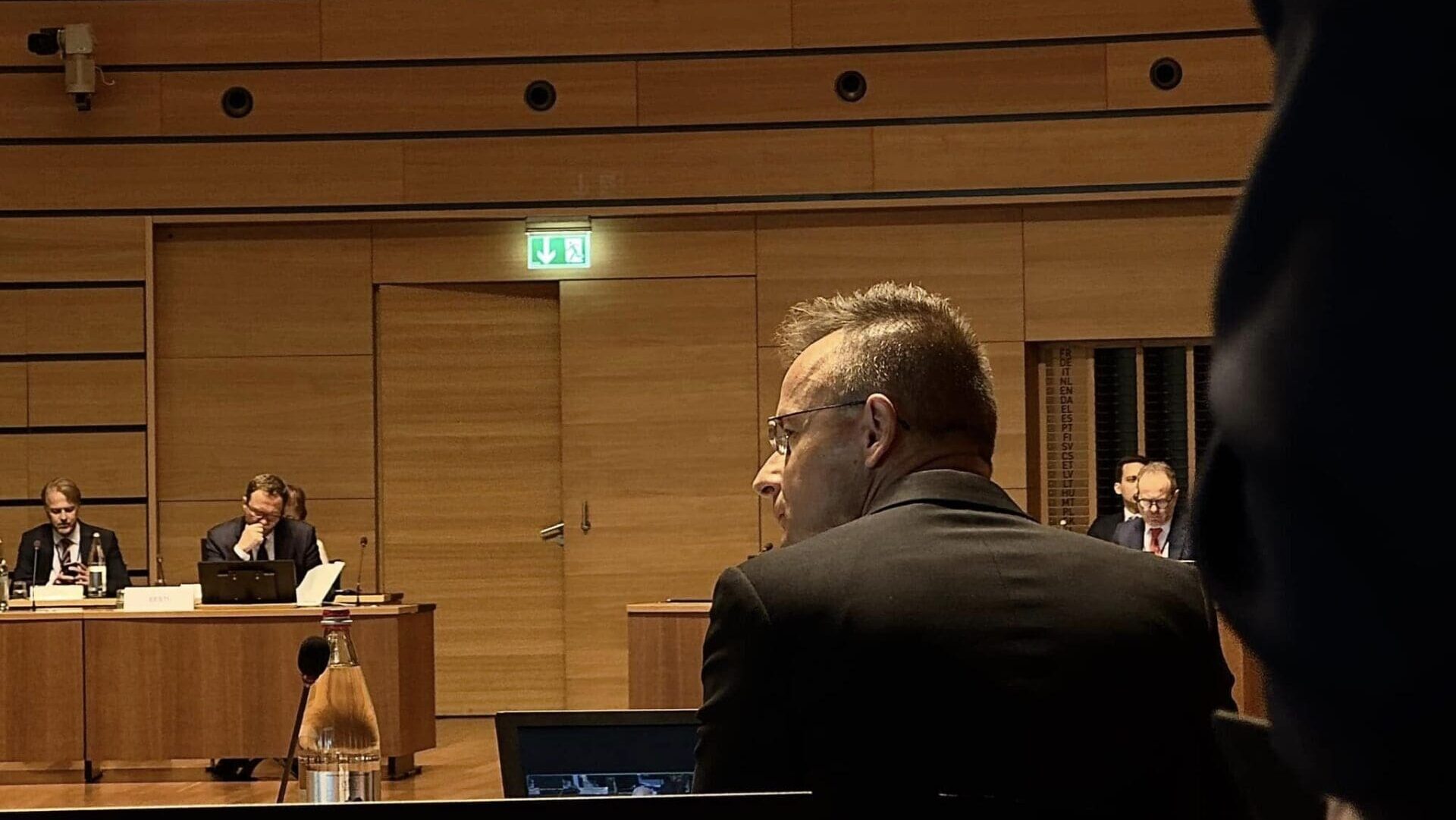
Monday’s Foreign Affairs Council meeting was incredibly tense, with Péter Szijjártó coming under enormous pressure regarding the fourteenth sanctions package and the additional military and financial support to be provided to Ukraine. EU foreign ministers continue to criticize the Hungarian government for its pro-peace stance, which it has consistently maintained since the outbreak of the war.

‘If we are looking for a more idealistic, right-wing conservative solution to the puzzle, we have to question the current form of the EU as it is. It may be appealing to the economic right, but it contains very little for the social right. This would mean either a radical restructuring of the EU to align towards more of these values or its reduction to a mere economic cooperation platform.’

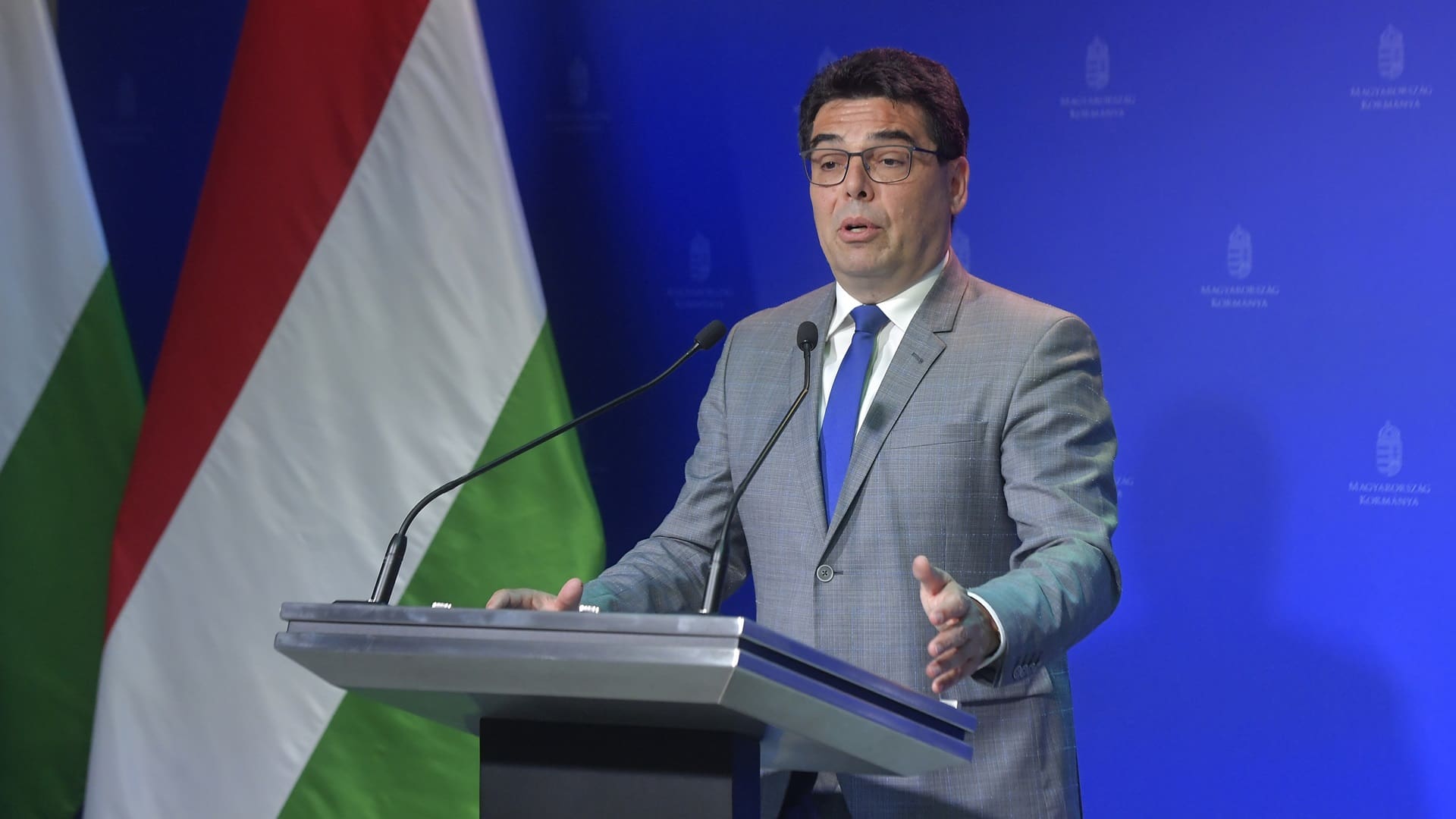
The recent visit of Hungarian Foreign Minister Péter Szijjártó to Brunei underscores Hungary’s strategic intent to strengthen its relationships with burgeoning economic regions, notably the Association of Southeast Asian Nations (ASEAN). It also signals one of Hungary’s foreign affairs objectives during its forthcoming presidency of the Council of the EU.

‘When European elites long for a “Hamiltonian moment”, they imagine that a particular common financial necessity could be the spark that brings about a common political framework as well—hence the continuous return of talk of the “Hamiltonian moment” in discussing the EU’s attempts to deal with the eurozone crisis.’

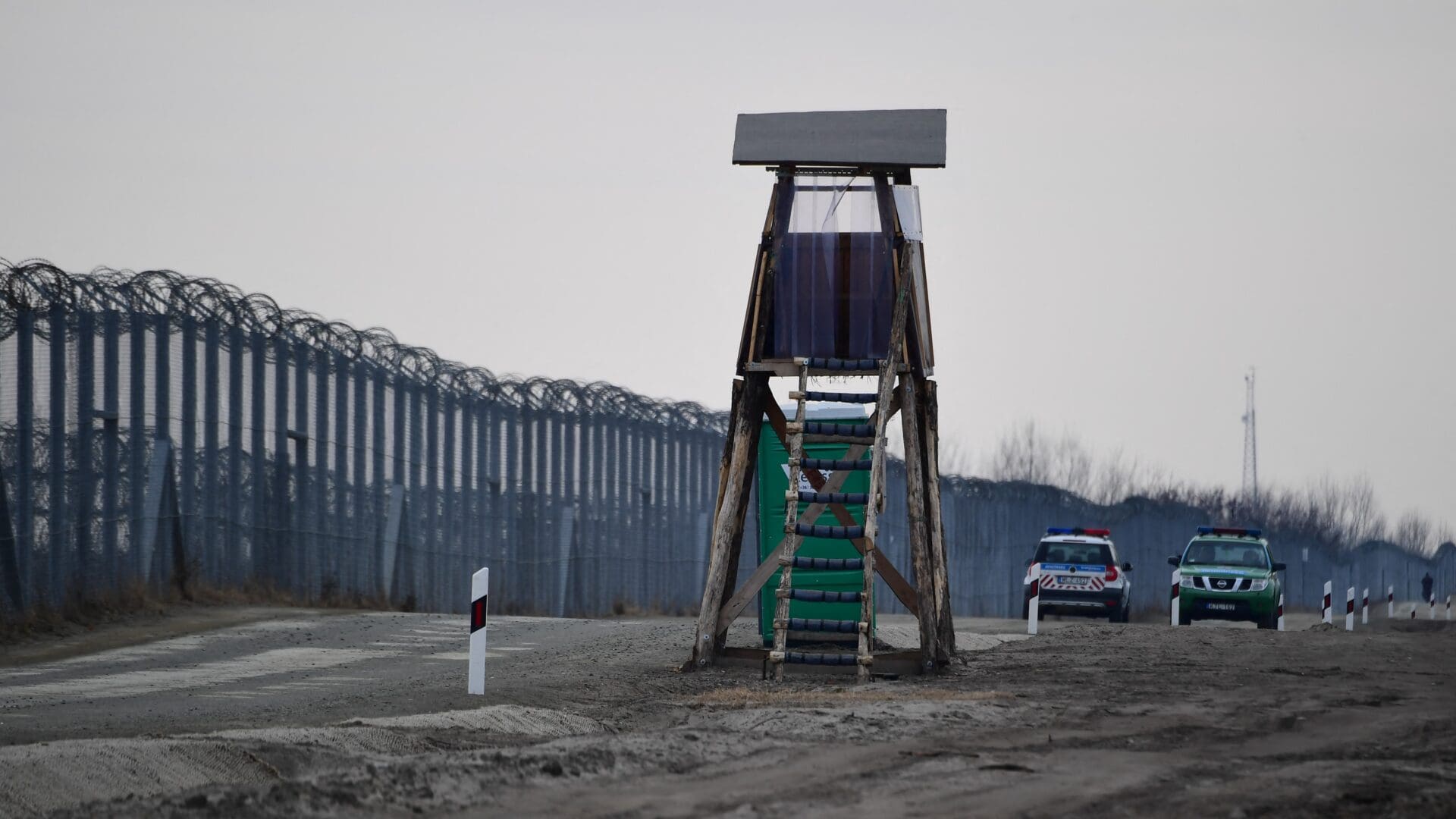
Since 2013, migration pressure on Europe has become the new normal, and in recent years the situation has once again worsened: 2023 saw the highest number of illegal immigrants reaching Europe since 2016. Due to the worsening security situation in the Sahel region and the economic difficulties afflicting North Africa, the Middle East, and Central Asia, nearly one million people applied for asylum in the EU.

‘The international reorganization resulting from the changed role and situation of the United States will not be without consequence for Europe. At the same time, due to political and cultural challenges, there are at least serious questions regarding the future prospects of the transatlantic model we are familiar with today…’