Minister of State Sándor Czomba Talks European Competitiveness

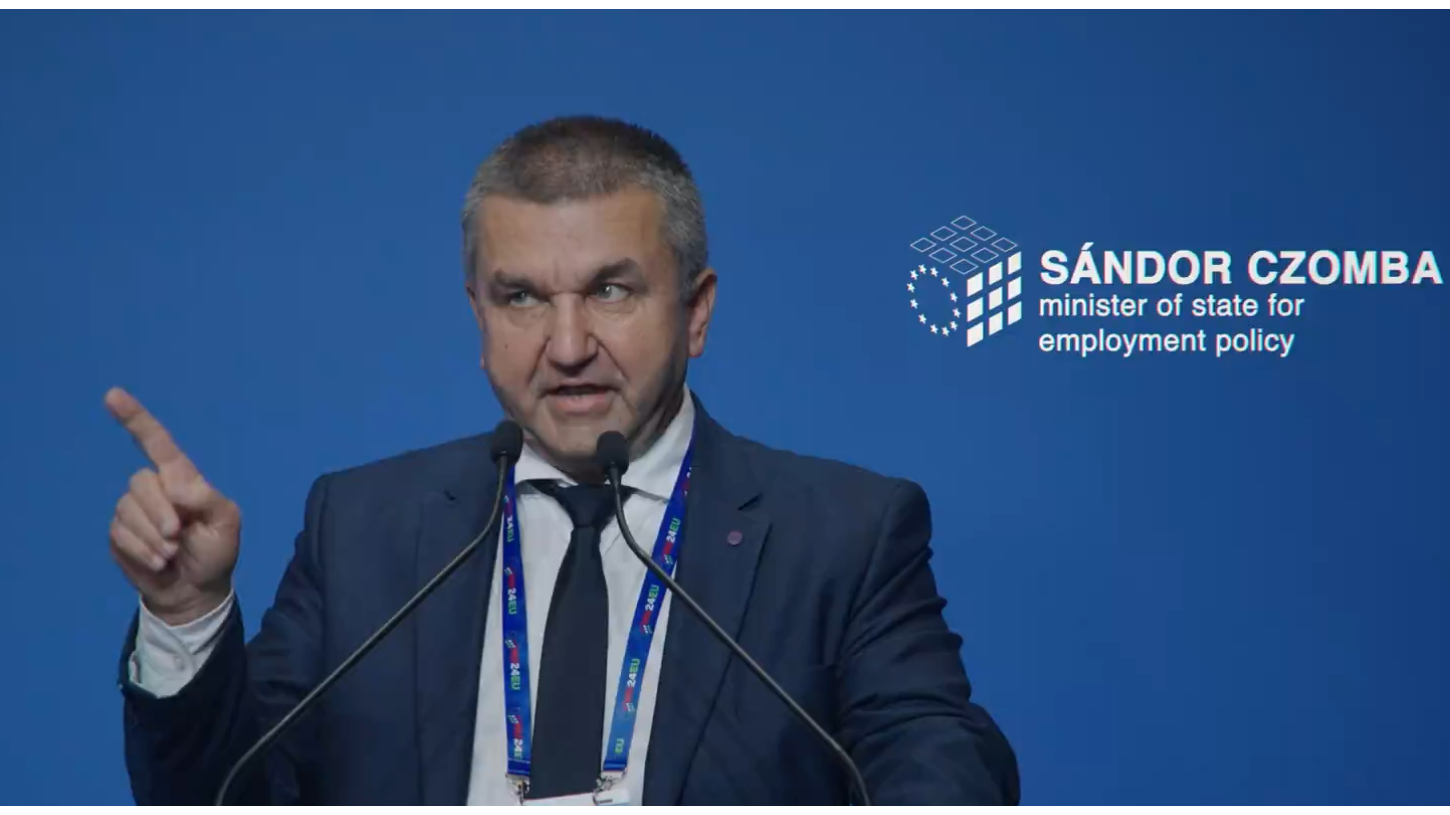
At an informal meeting of the ministers of EU Member States responsible for employment and social policy in Budapest, Hungary, Minister of State Sándor Czomba said that increasing the competitiveness of the European Union is ‘the most important challenge’ of the Hungarian presidency of the Council of the European Union.

PM Orbán Stands His Ground As EP Debate on EU Presidency Turns Into Mudslinging

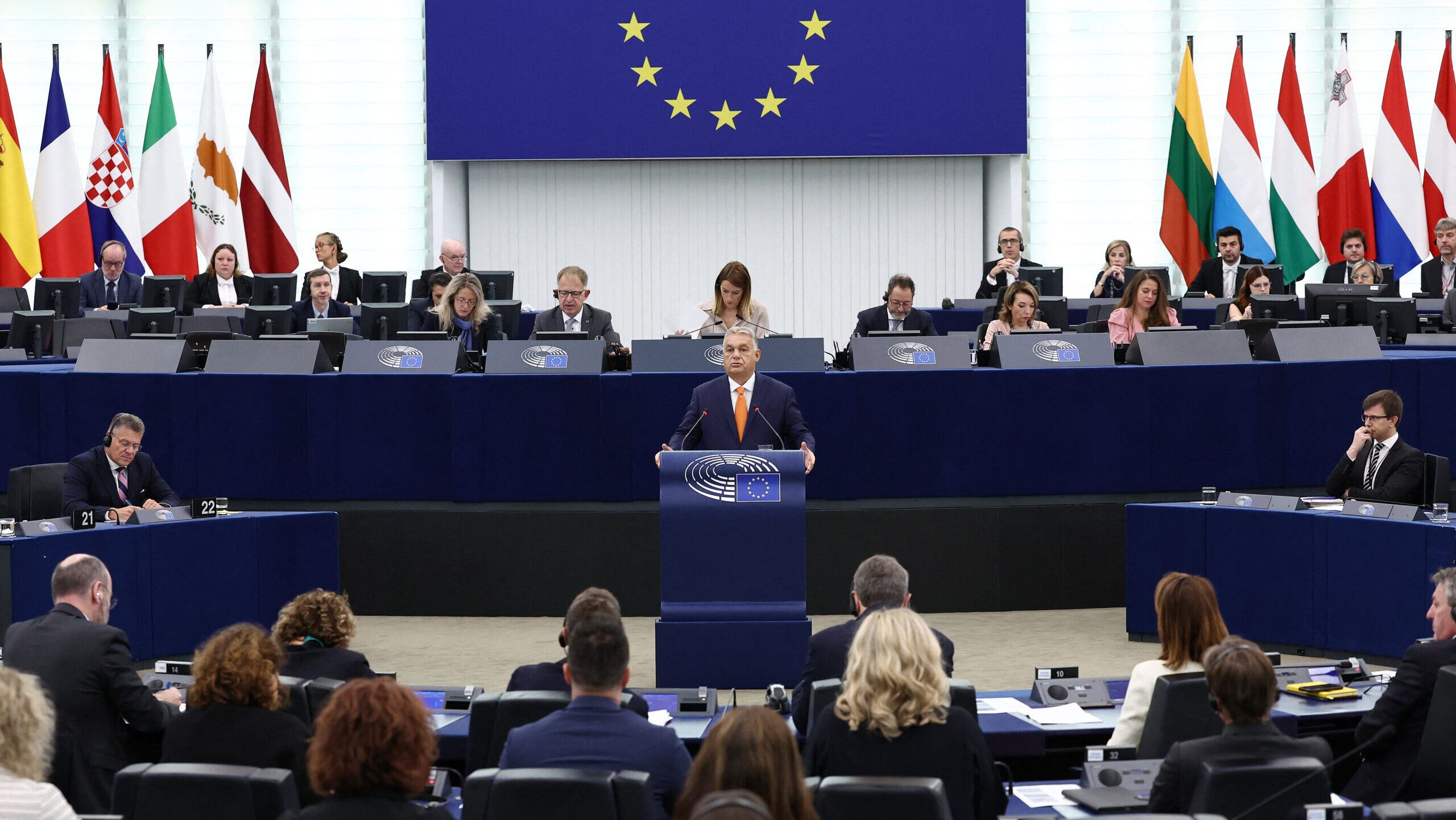
On Wednesday Viktor Orbán presented the priorities of the Hungarian EU Presidency to the plenary in Strasbourg; however, instead of addressing the pressing challenges facing Europe, MEPs—led by Ursula von der Leyen—seized the opportunity to launch a personal political attack on the Hungarian Prime Minister, demonstrating that the left-wing majority does not allow for a professional debate.

Crime Rates in Hungary Halved Since 2010, in Defiance of European Trends

Since 2010 Hungary has seen its crime rates drop by more than half, a stark contrast to rising crime figures across much of Europe. At a press conference marking the tenth anniversary of the National Crime Prevention Council, Bence Rétvári, Parliamentary State Secretary of the Ministry of the Interior, detailed the achievements of Hungarian law enforcement and the initiatives that have helped in preventing and combating crime.

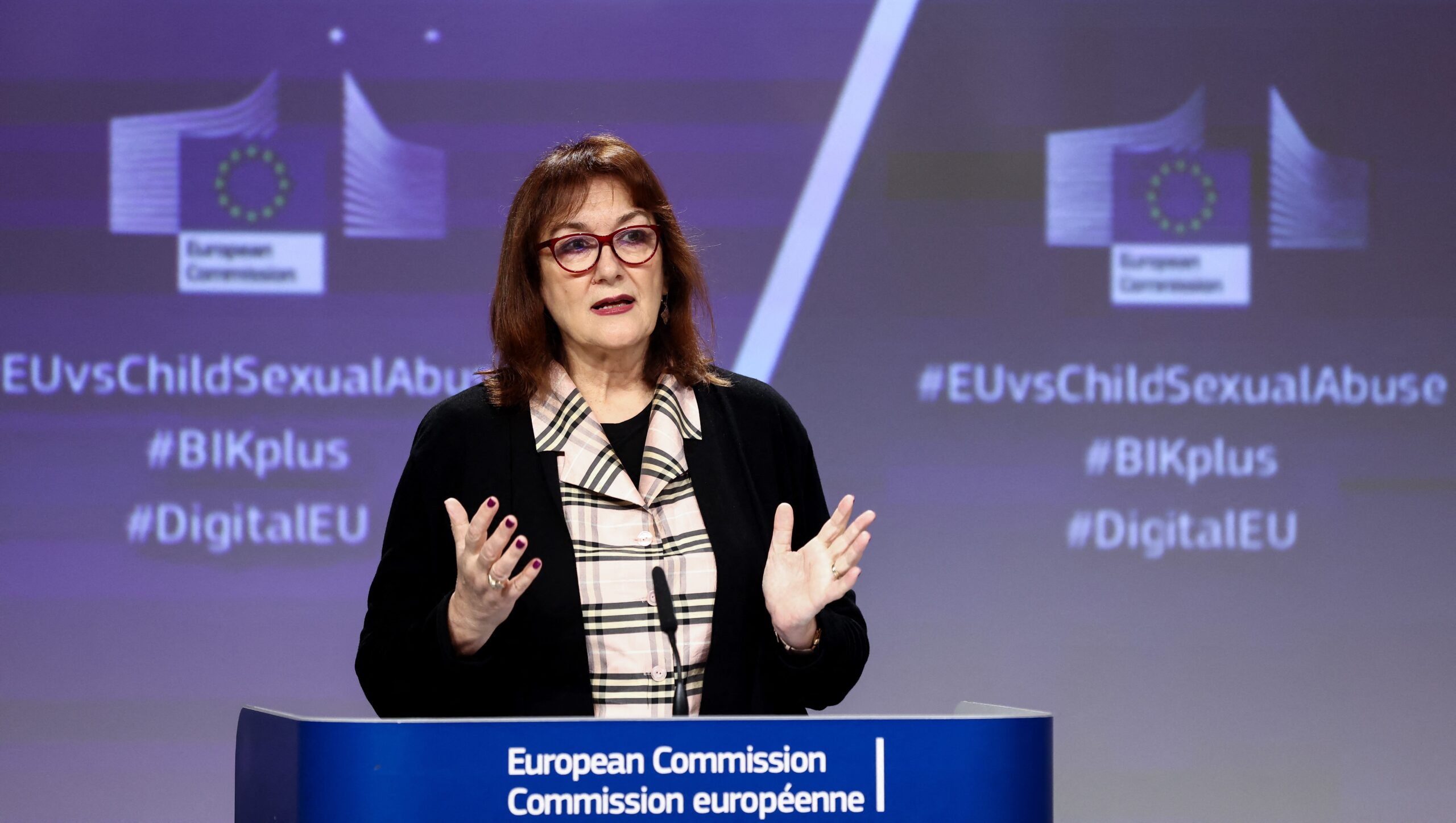
European Commission vice-president in charge for Democracy and Demography Dubravka Suica speaks during a press conference at the EU headquarters in Brussels in 2022

Demographic Challenges in the European Union

Achieving the demographic turnaround will take a long time and a lot of work, but Hungary wants to take the first steps already in the coming months. Finding solutions to existing problems will be one of the key objectives of the Hungarian EU Presidency in the second half of 2024, using the EU demographic toolkit as a starting point.

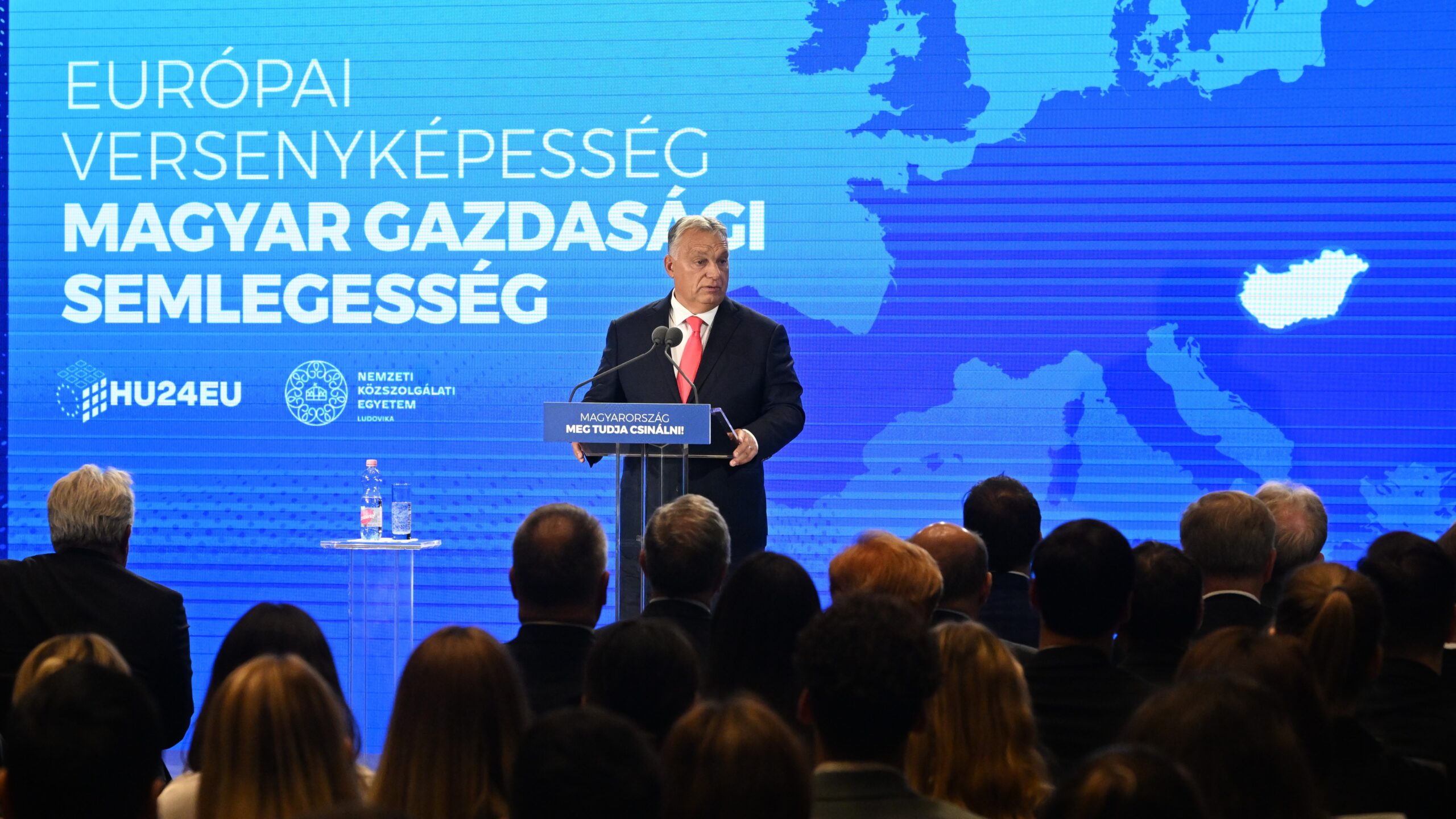
Viktor Orbán speaks at the Ludovika University of Public Service on 25 September 2024.

Orbán Highlights Economic Neutrality and Competitiveness at Ludovika University

In his speech at the Ludovika University campus in Budapest Prime Minister Viktor Orbán said Hungary has taken over the rotating presidency of the EU Council in uniquely hard times. He warned about Europe’s decreasing level of competitiveness, and stressed Hungary’s need to remain economically neutral. He nailed down that Hungary needs to conduct itself on the new bipolar global economic stage based on its own national interests.

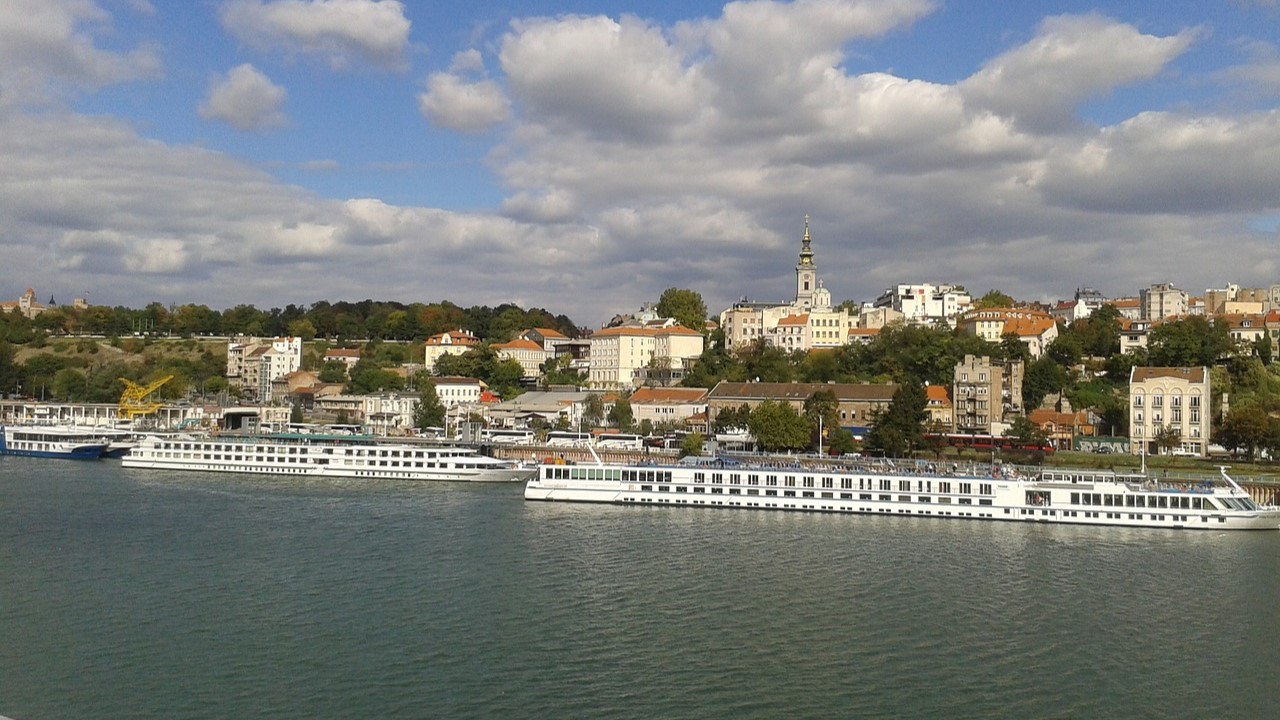
The city centre of Belgrade viewed from the Danube (Pixabay)

EU Enlargement and Energy Security — The Hungary–Serbia Relationship

Prior to the start of Hungary’s current presidency of the Council of the EU, Hungarian Minister of Foreign Affairs and Trade Péter Szijjártó stated that the country plans to initiate the opening of a new chapter in accession negotiations with Serbia. This intention was also extended to the entire region, as the Hungarian foreign minister highlighted the country’s aim to hold intergovernmental talks with all five Western Balkan countries.

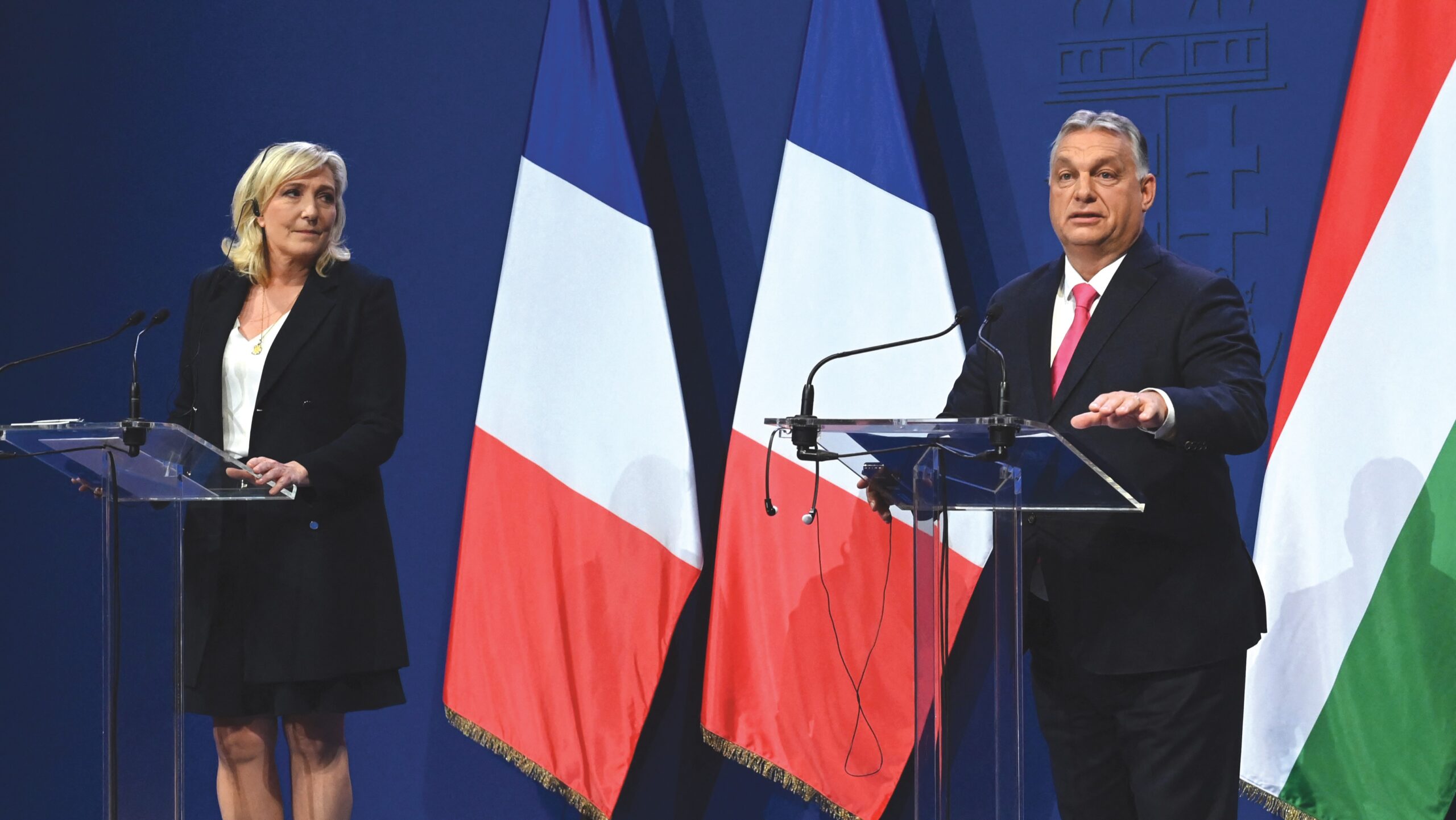
Leader of the French party Rassemblement National Marine Le Pen and Hungarian Prime Minister Viktor Orbán attend a joint press conference in the Prime Minister’s office, Budapest, Hungary, 26 October 2021.

A European Alternative: The Origin and Future of Patriots for Europe

‘Although the political forces thinking in terms of a European alternative failed to replace the Brussels Grand Coalition in the 2024 EP elections, there is a real chance that they could organize themselves into a new right-wing pole in the next five years, which could bring about a real systemic change in Brussels politics.’

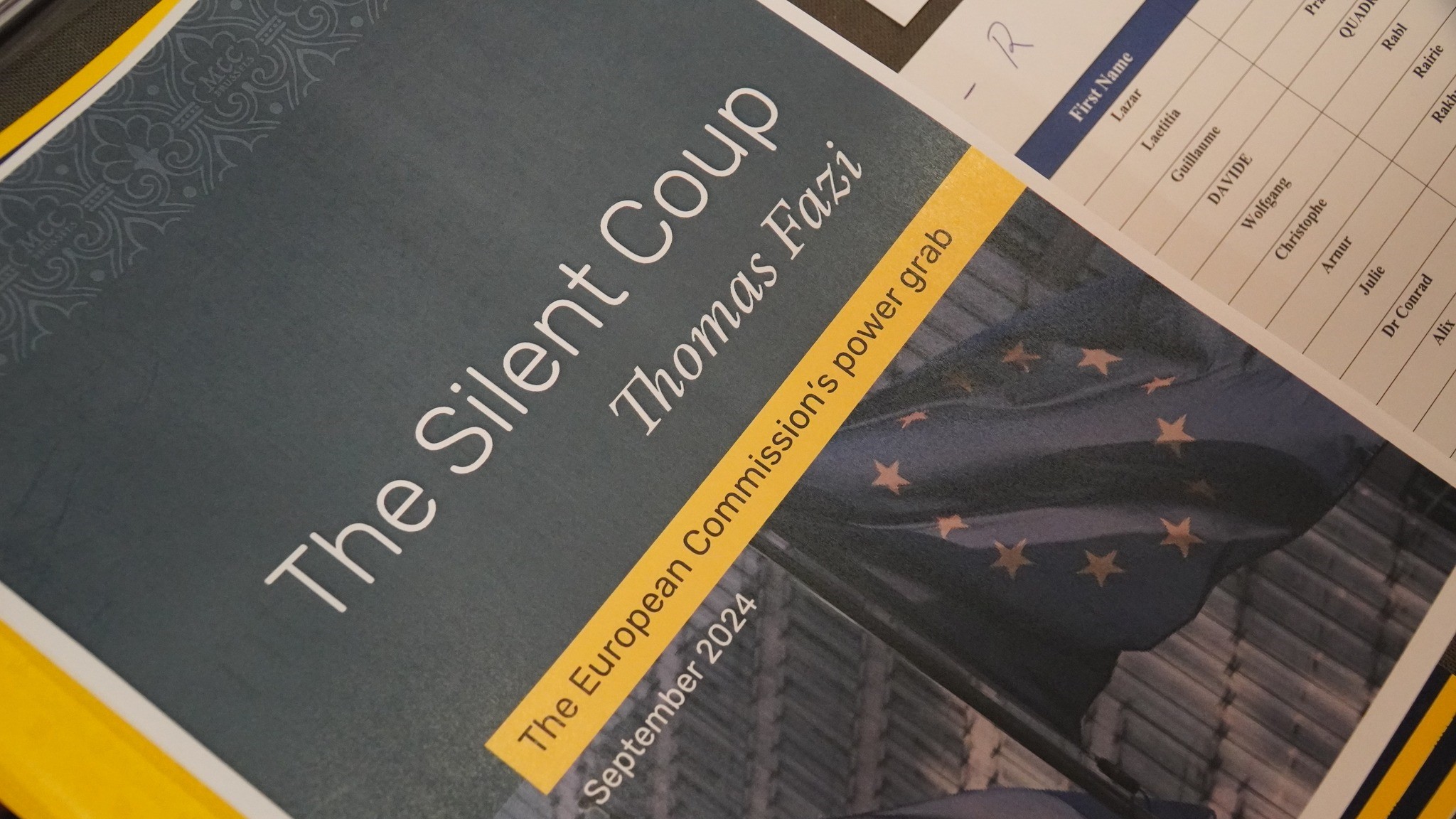
The European Commission’s Role in Recent Crises Explored at MCC Brussels Event

The conference featured research by Italian author and journalist Thomas Fazi, whose report ‘The Silent Coup’ was recently published by MCC Brussels. In his report Fazi argues that the sovereign debt crisis, the refugee crisis, the Brexit referendum, the COVID-19 pandemic, and the war in Ukraine all contributed to the widening of the European Commission’s competences.