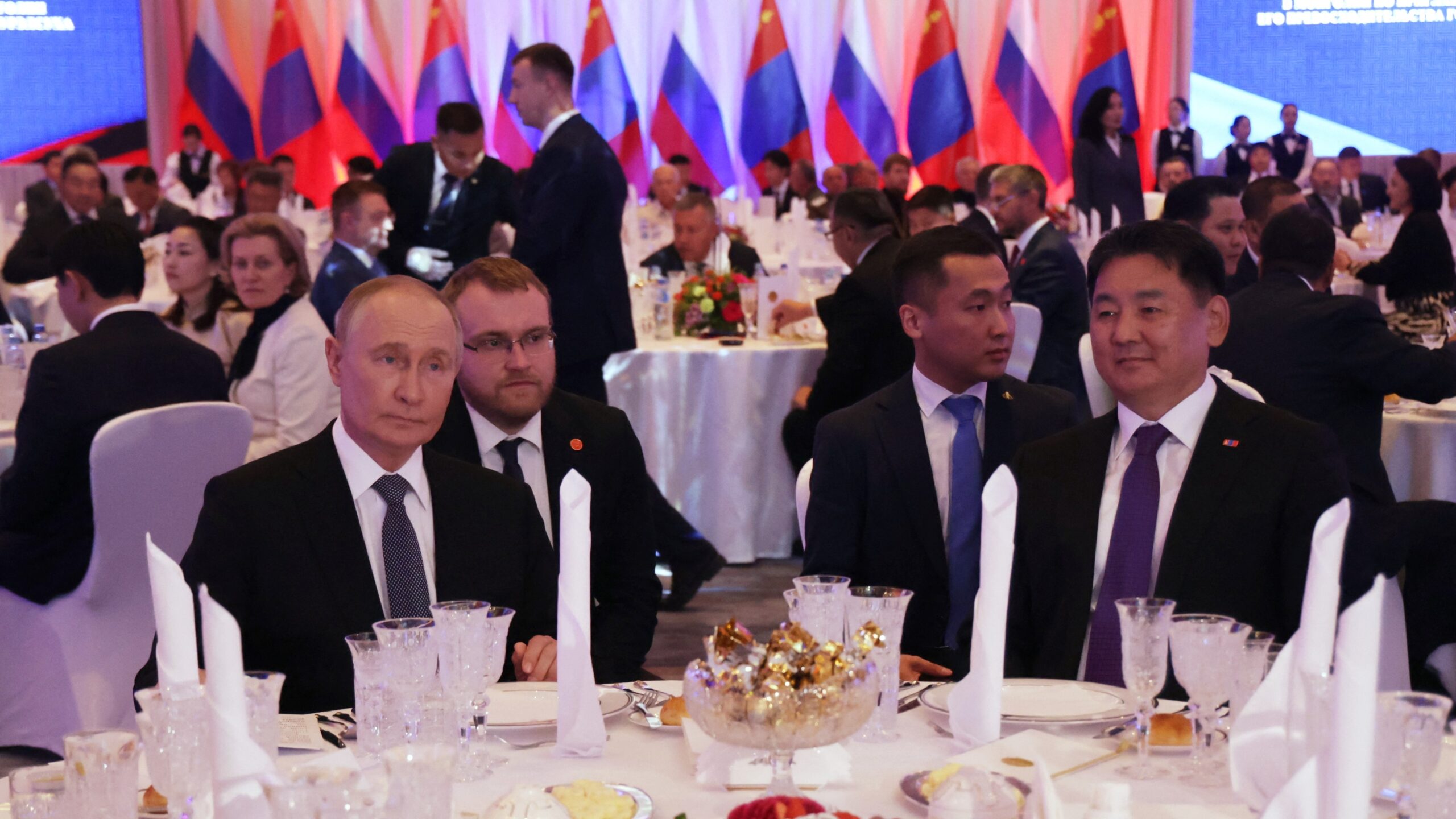
Vladimir Putin and Mongolian President Ukhnaagiin Khurelsukh attend a reception marking the 85th anniversary of the victory in the 1939 Battles of Khalkhin Gol in Ulaanbaatar on 3 September 2024.

ICC’s Loss of Face in Mongolia — Why Ulaanbaatar Failed to Arrest Putin

‘Albeit few expected Mongolia to actually make the arrest, the case is nevertheless indeed a blow to the ICC’s credibility and generally to the Western institutional system. The unsurprising development of Putin walking away free exposes the fallacy of Western international institutions of having based their policies in the past couple of years on morality. The reality is that countries pursue their self-interest first and foremost, rather than doing “the morally right thing”.’

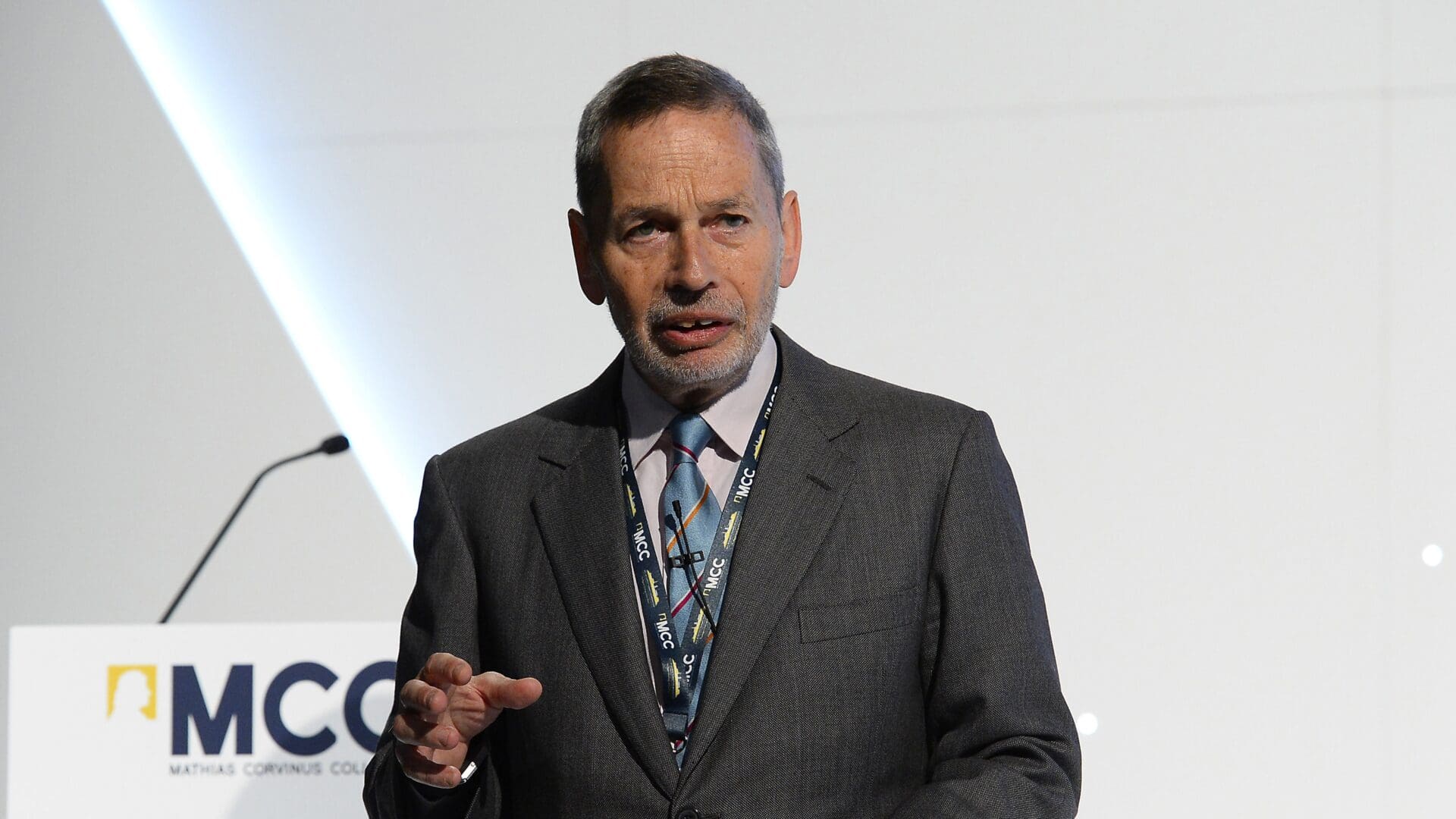
MCC Book Launch Cancelled, Raising Further Free Speech Concerns in Brussels

The launch of MCC Brussels Director Frank Füredi’s latest book was cancelled at a Brussels bookshop on the day of the event, presumably due to left-wing political pressure. The situation closely mirrors the controversy surrounding the National Conservatism Conference in April, when a Brussels district mayor attempted to use police force to suppress right-wing voices.

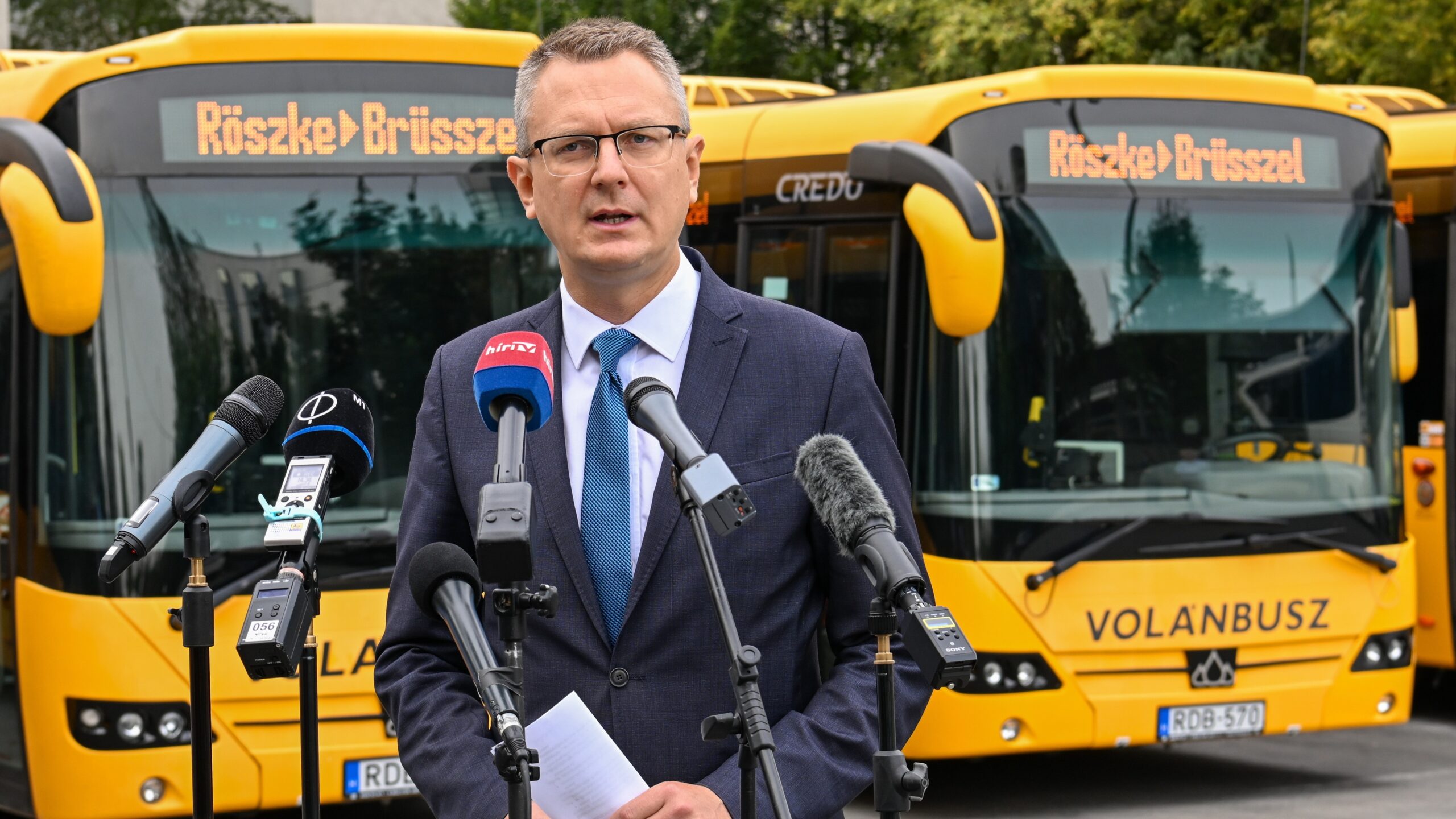
State Secretary Bence Rétvári holds a press conference on 6 September 2024 to present the buses ready to take illegal immigrants entering Hungary to Brussels.

Who Wins in the End? The Asylum Tug of War Between Hungary and Brussels

As Minister for EU Affairs János Bóka also emphasized on 24 September, the Hungarian government is aware that the Commission has other tools at its disposal to deduct the sum. Despite not being willing to pay the fine, Budapest aims to engage in a ‘constructive way’ with Brussels to ensure compliance with the ECJ ruling. Minister Bóka also said Hungary was looking into ‘legal possibilities on how certain expenses incurred in the protection of the border could be offset’ against the penalty.

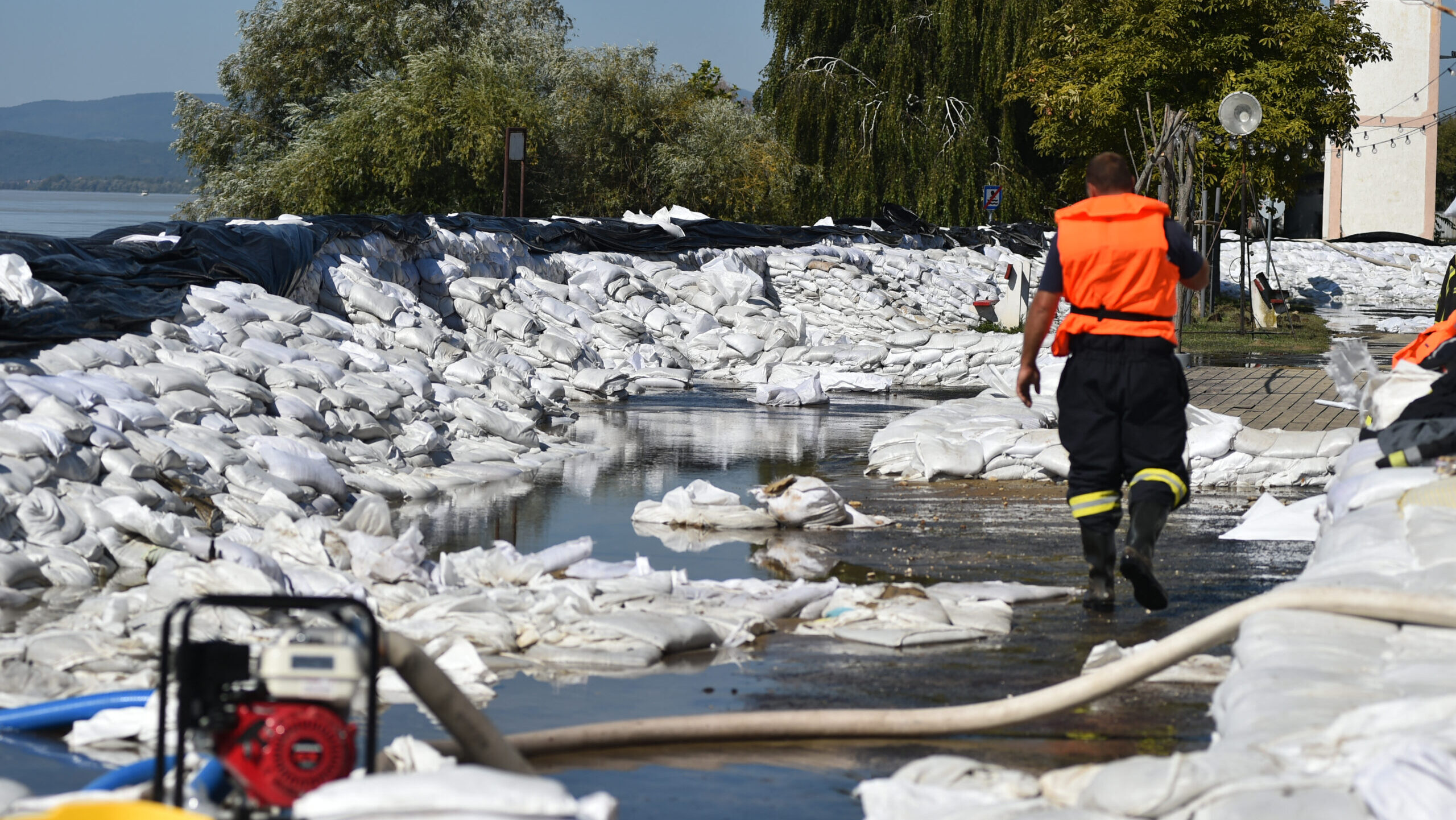
‘Too Effective’ Flood Protection — The Reason Why Brussels Won’t Help Hungary

The European Commission is allocating approximately €10 billion in aid to flood-affected countries in Central and Eastern Europe, but Hungary is notably absent from the list. The reason is somewhat paradoxical: Hungary has been so effective in its protective measures that the resulting damage is expected to fall below the threshold required to qualify for the EU Solidarity Fund.

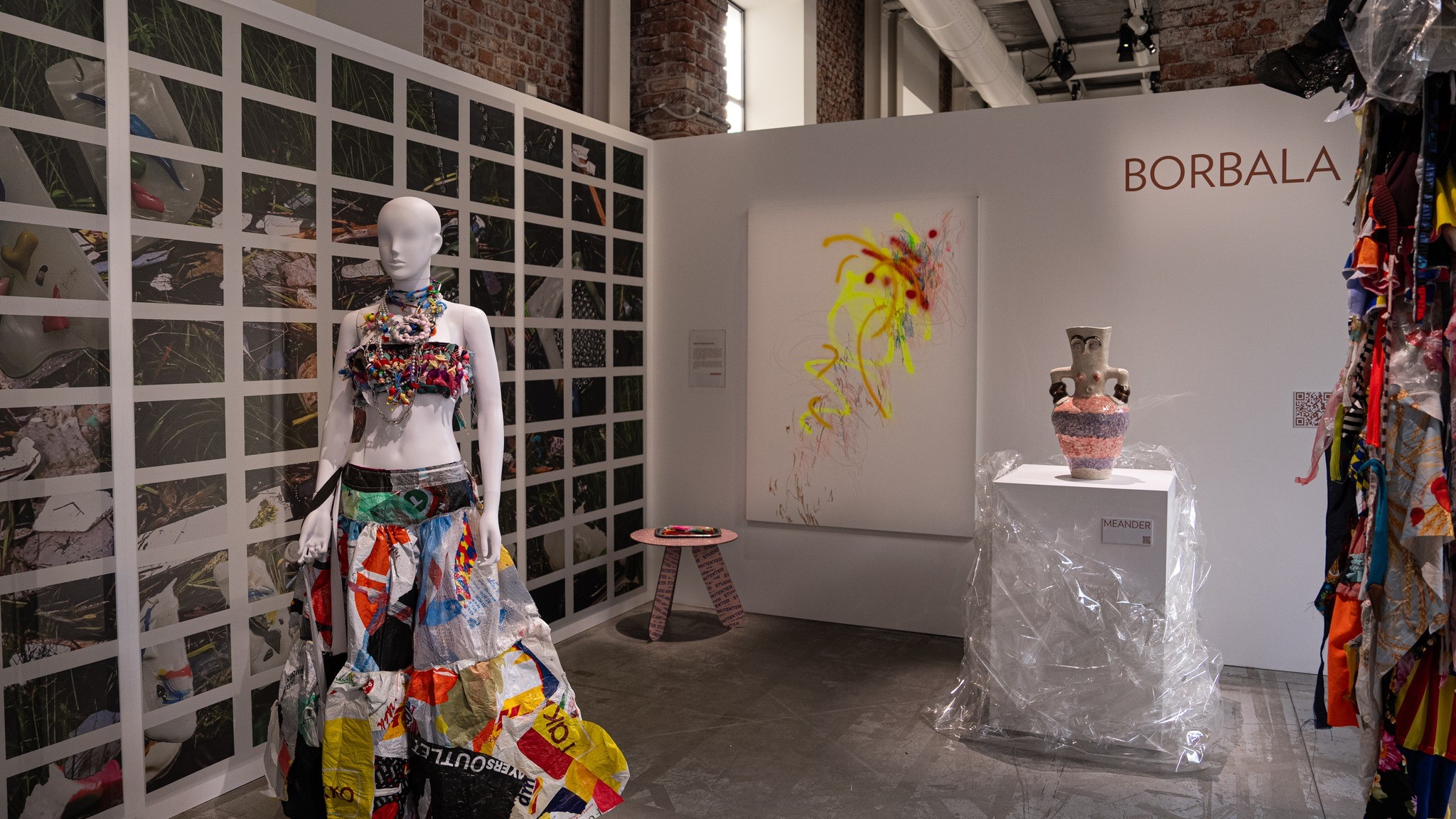
Milan Fashion Week Features Hungary’s Finest in Fashion, Design, and Beauty

Hungarian fashion and creative brands, including established names and emerging talents, took centre stage at Milan Fashion Week’s Budapest Select presentation. Held at Casa degli Artisti, the event showcased Spring-Summer 2025 collections alongside luxury cosmetics and design products, highlighting Hungary’s growing influence in international fashion and creative industries.

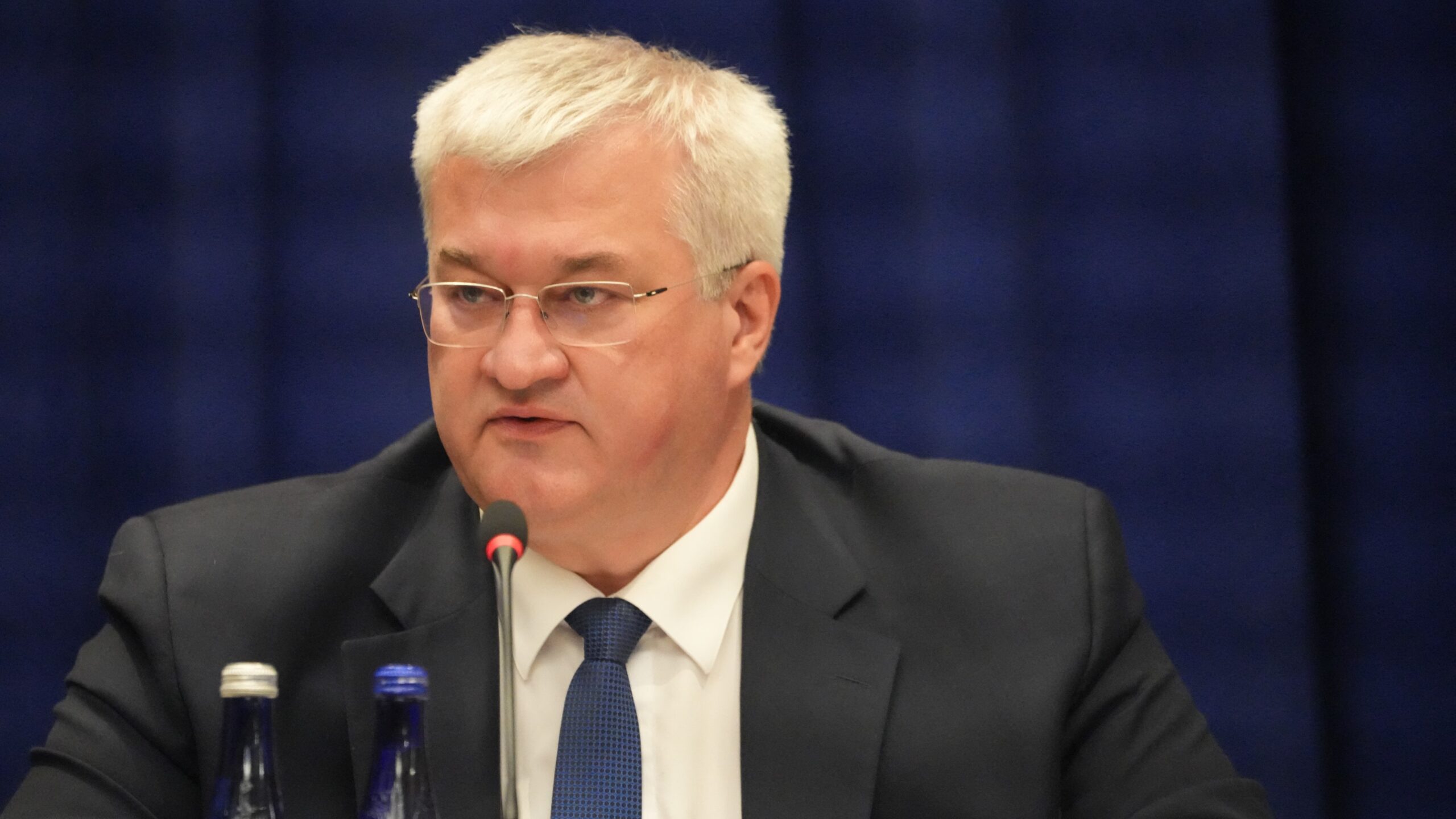
Ukraine’s New Foreign Minister to Visit Budapest for Key Discussions

In an earlier interview in the Hungarian media former Ukrainian Foreign Minister Dmytro Kuleba stated that ‘all issues in Hungarian-Ukrainian relations can be traced back to the Russian aggression’. On the other hand, he also noted the importance of Péter Szijjártó emphasizing his support for Ukraine’s territorial integrity and sovereignty. Therefore, it will be interesting to see what comes out of the planned meeting with Kuleba’s successor.

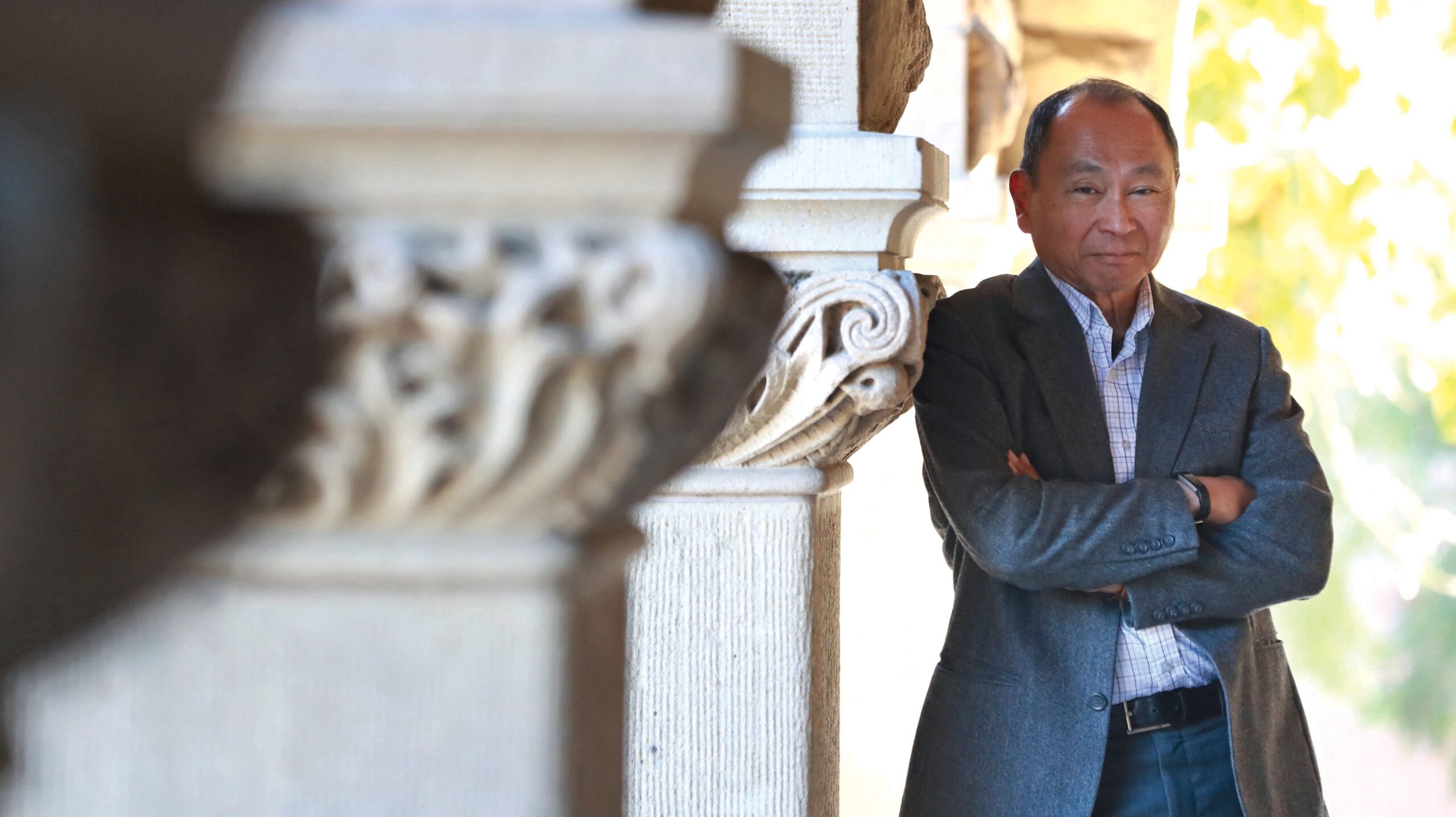
American political scientist Francis Fukuyama at Stanford University in California, 20 October 2018

The Ideal Concept of the Rule of Law

‘From a sovereigntist standpoint, we need a rule-of-law conception that does not concede any authority over domestic affairs to supranational organizations and international bureaucracies. We need to keep an eye on the bigger picture and understand that these discussions are very much related to the future of the European community. Eurocrats instrumentalize courts to promote their federalist agenda through seemingly neutral rulings about the rule of law.’

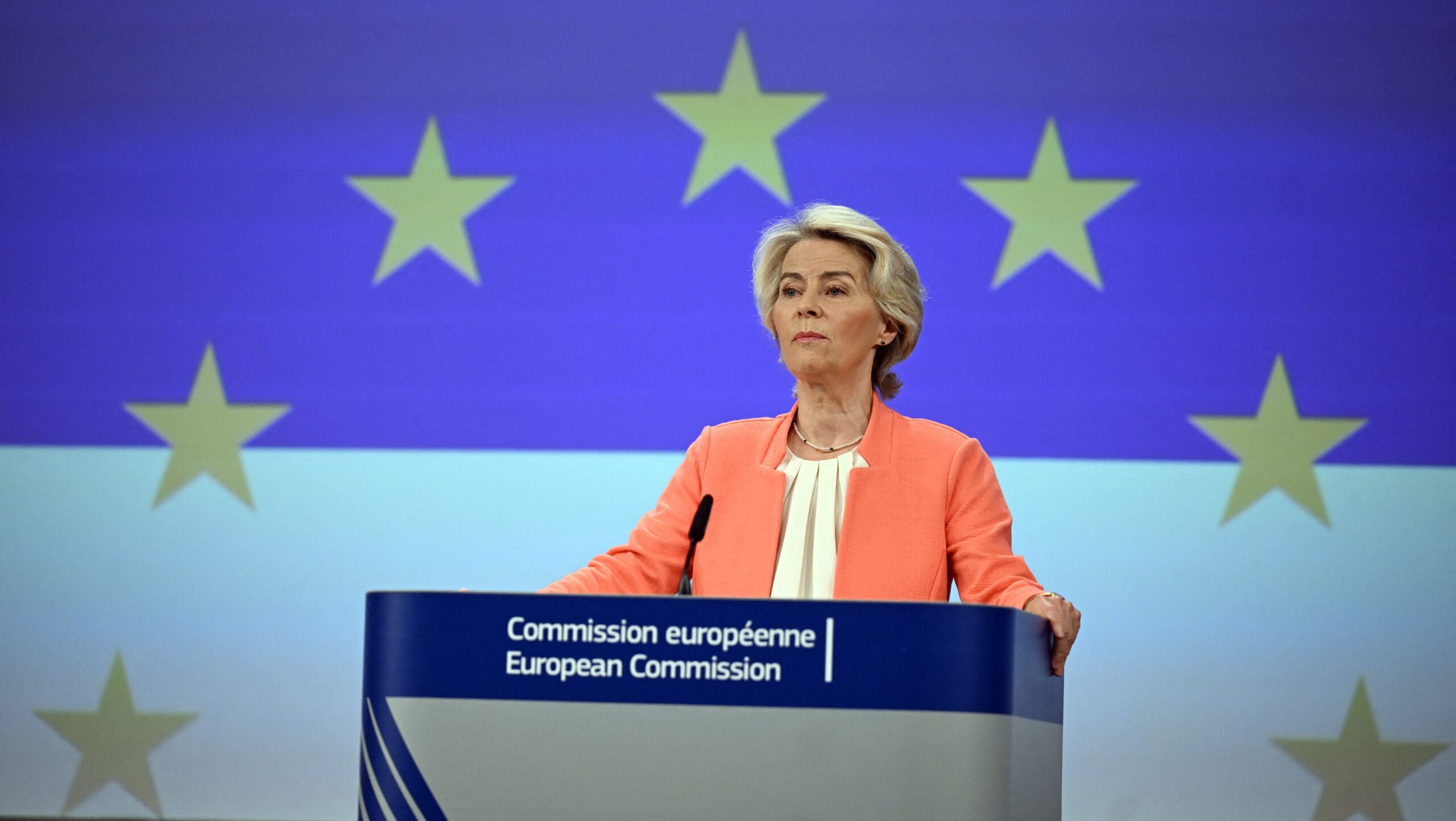
Ursula von der Leyen at a press conference in Brussels, Belgium on 9 September 2024.

Will Ursula von der Leyen Be a Strong President?

‘In contrast to five years ago, the legitimacy of the Commission’s former and future President has been weak from the start in 2024. Although she is a Spitzenkandidat now, as she was the leader of the European People’s Party list in the European Parliament elections, the support of the leaders of the Member States is much weaker. In Germany, she is considered an opposition politician, so she is not a favourite but rather a forced choice for the governing coalition.’