
Examples of Asserting National Interests II: The Hague Summit
‘The Hague Summit, held on 1 and 2 December 1969, officially marked the end of the neo-functional era of European integration and the beginning of the intergovernmental period.’

‘The Hague Summit, held on 1 and 2 December 1969, officially marked the end of the neo-functional era of European integration and the beginning of the intergovernmental period.’

Syrian President Ahmed al-Sharaa was welcomed with ‘Allahu Akbar’ chants during his official visit to Germany, sparking outrage and concern as he met Chancellor Friedrich Merz and President Frank-Walter Steinmeier. The visit came as Easter celebrations in Syria were restricted following recent attacks on Christian communities by radical Islamist militants.

Alexandra Szentkirályi has warned that the Tisza Party’s energy transition plan could significantly increase household costs, including higher utility bills and new taxes on savings.
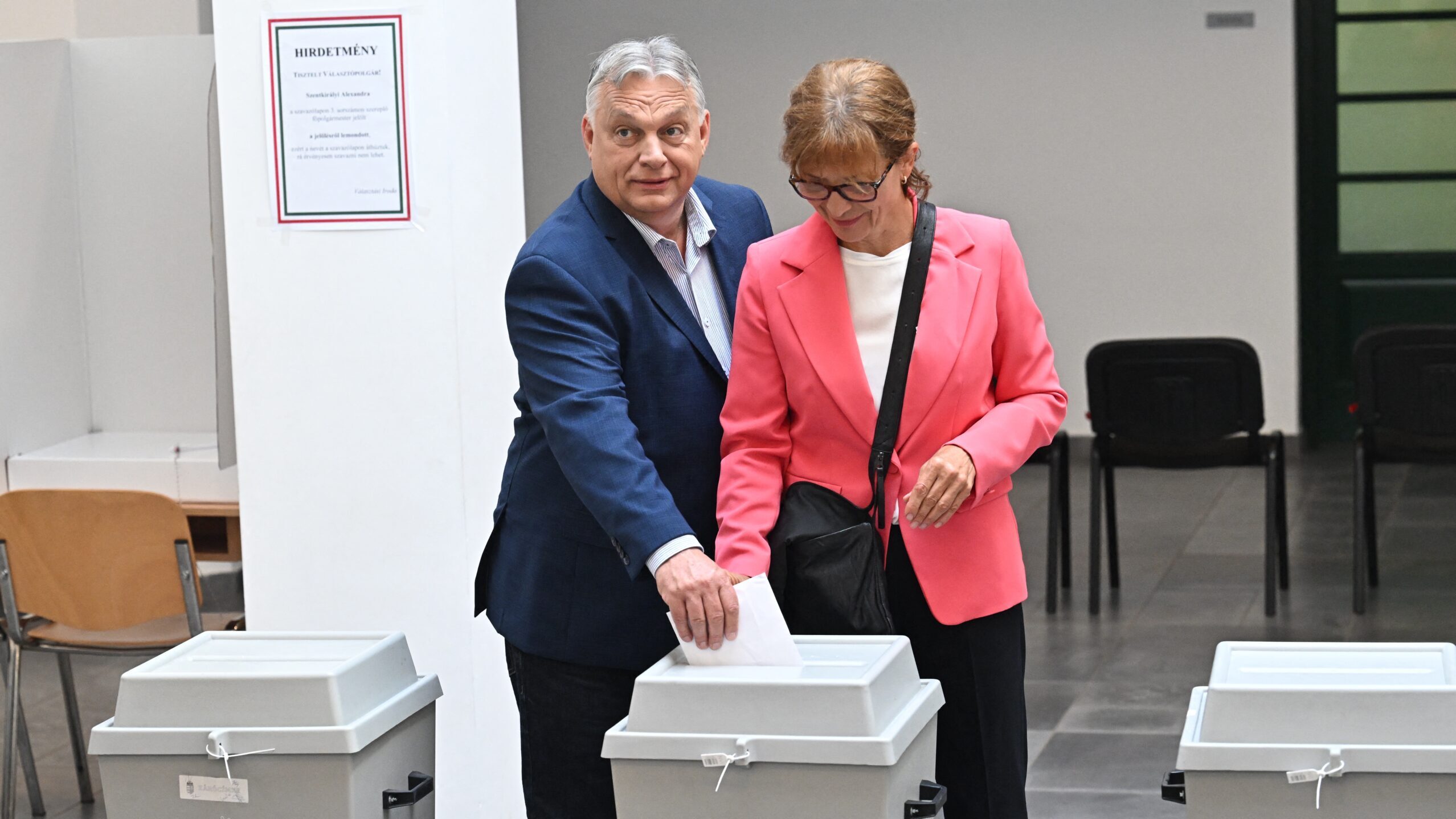
With Hungary’s parliamentary election approaching, a new international monitoring mission has been announced, bringing together observers from four continents. Co-chaired by Jerzy Kwaśniewski, LCFFE seeks to evaluate the transparency and legality of the vote in what it describes as an ‘unprecedentedly polarized’ environment.

British journalist Catherine Belton visited Budapest on 4 March to participate in an exclusive closed-door event co-organized by the British Embassy and Budapest-based think tank Political Capital. Three weeks later, she broke Hungary’s ‘Russiagate’ in The Washington Post, alleging that FM Szijjártó had leaked confidential EU information to Moscow, escalating an unprecedented intelligence and information war surrounding the upcoming election.
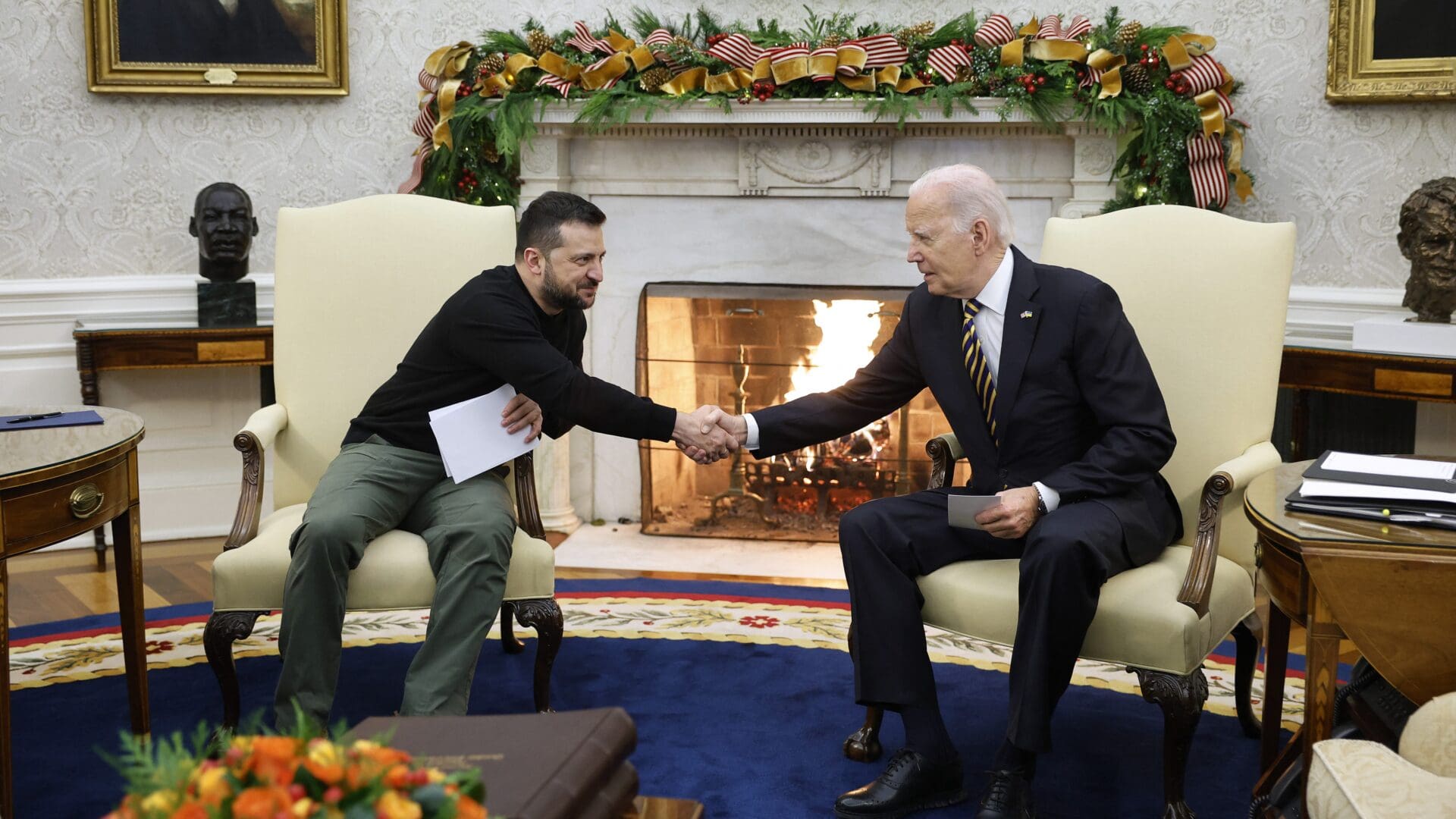
Newly declassified US intelligence documents suggest that Ukrainian officials discussed redirecting American funds to influence the 2024 US election, according to a report also shared by Donald Trump. The claims echo similar concerns raised by Hungary’s government about alleged Ukrainian interference ahead of its own high-stakes election in April.

Prime Minister Viktor Orbán has announced that Hungary will halt gas supplies to Ukraine in response to Kyiv’s continued blocking of oil transit through the key Druzhba pipeline since 27 January. The remaining volumes will be stored domestically to strengthen Hungary’s reserves.

Ukraine is preparing to significantly tighten enforcement of its language law, with fines set to increase two- to threefold, raising fresh concerns in Hungary over the rights of the Hungarian minority in Transcarpathia. The move risks further escalating already strained bilateral relations, amid Kyiv’s oil blockade and Viktor Orbán’s veto of the €90 billion EU loan to Ukraine.

Hungary’s National Security Committee declassified parts of an intelligence report linking IT specialists tied to the opposition Tisza Party to Ukraine’s IT Army, alleging a foreign-backed operation against Orbán’s government. The move comes as reports claim an attempted infiltration targeting Tisza, further escalating the already tense information war ahead of Hungary’s upcoming election.

Polish President Karol Nawrocki visited Budapest to revive strained Polish–Hungarian ties, meeting Prime Minister Viktor Orbán and emphasizing their historic alliance despite tensions with Warsaw’s current government. The visit comes amid escalating allegations of Russian interference targeting Hungary ahead of the election, which Budapest suggests may be linked to Donald Tusk’s administration.
At a time when public debate is increasingly polarized and superficial, Hungarian Conservative remains committed to depth and independent thought.
Donate Now
Please consider supporting our mission.