Euro Drops 1.6 Per Cent Since US–EU Trade Deal Reveal

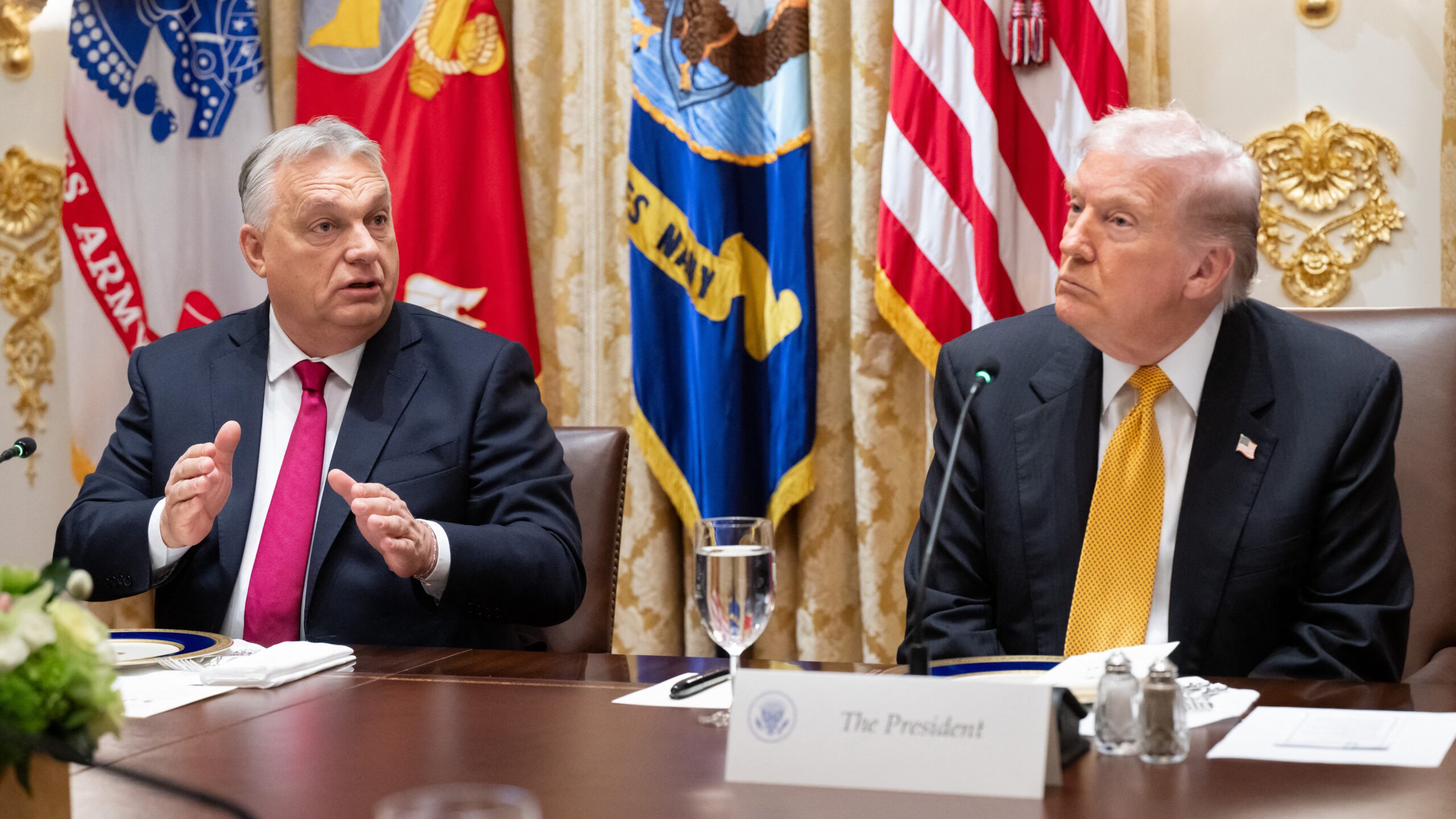
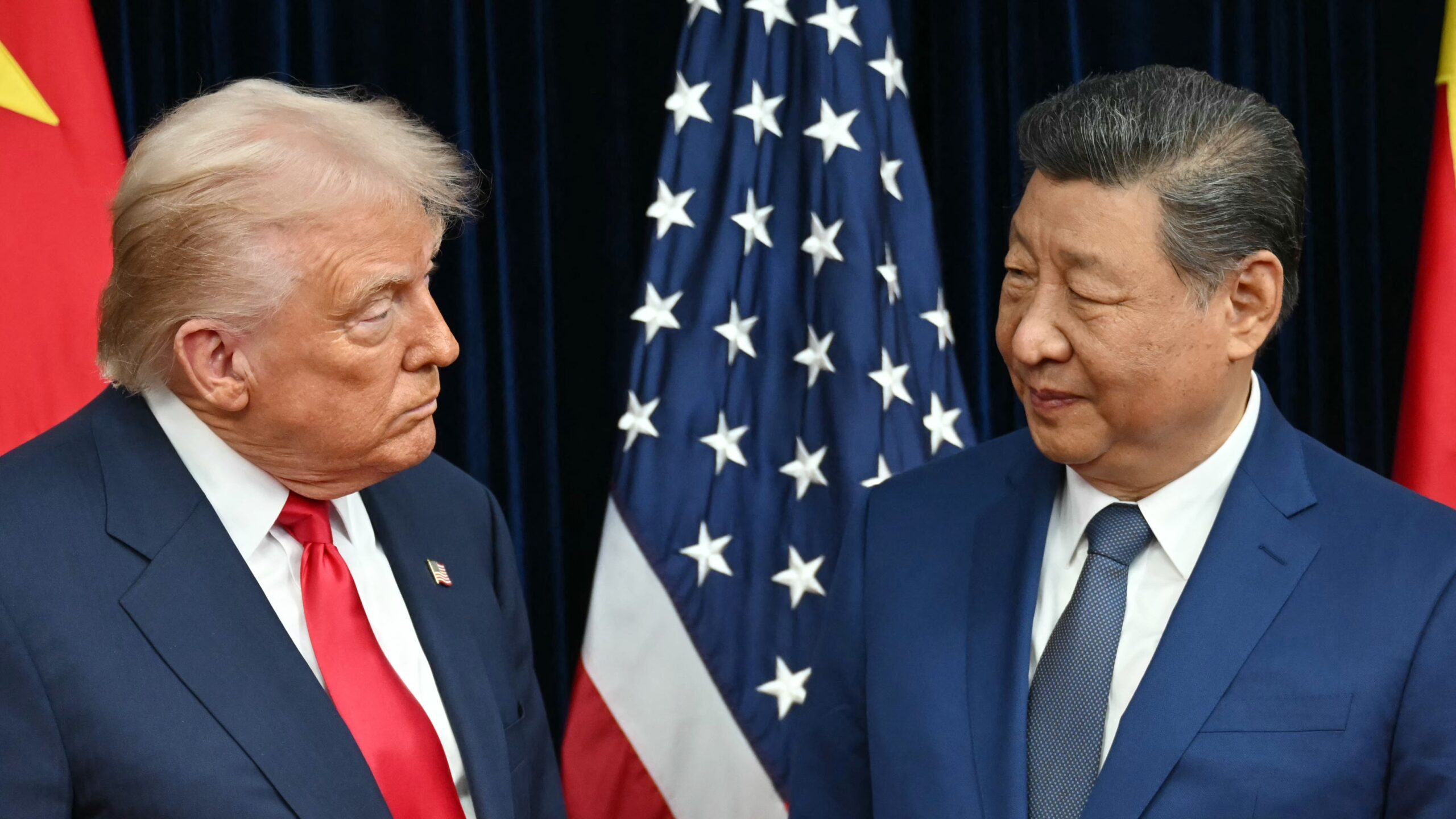
The euro plunged to $1.1565 on 29 July, down 1.6 per cent since the US–EU trade deal was announced—despite Ursula von der Leyen calling it a ‘huge deal’. Markets, however, delivered their verdict: the agreement heavily favours Washington, leaving Europe with rising energy dependence and economic uncertainty.

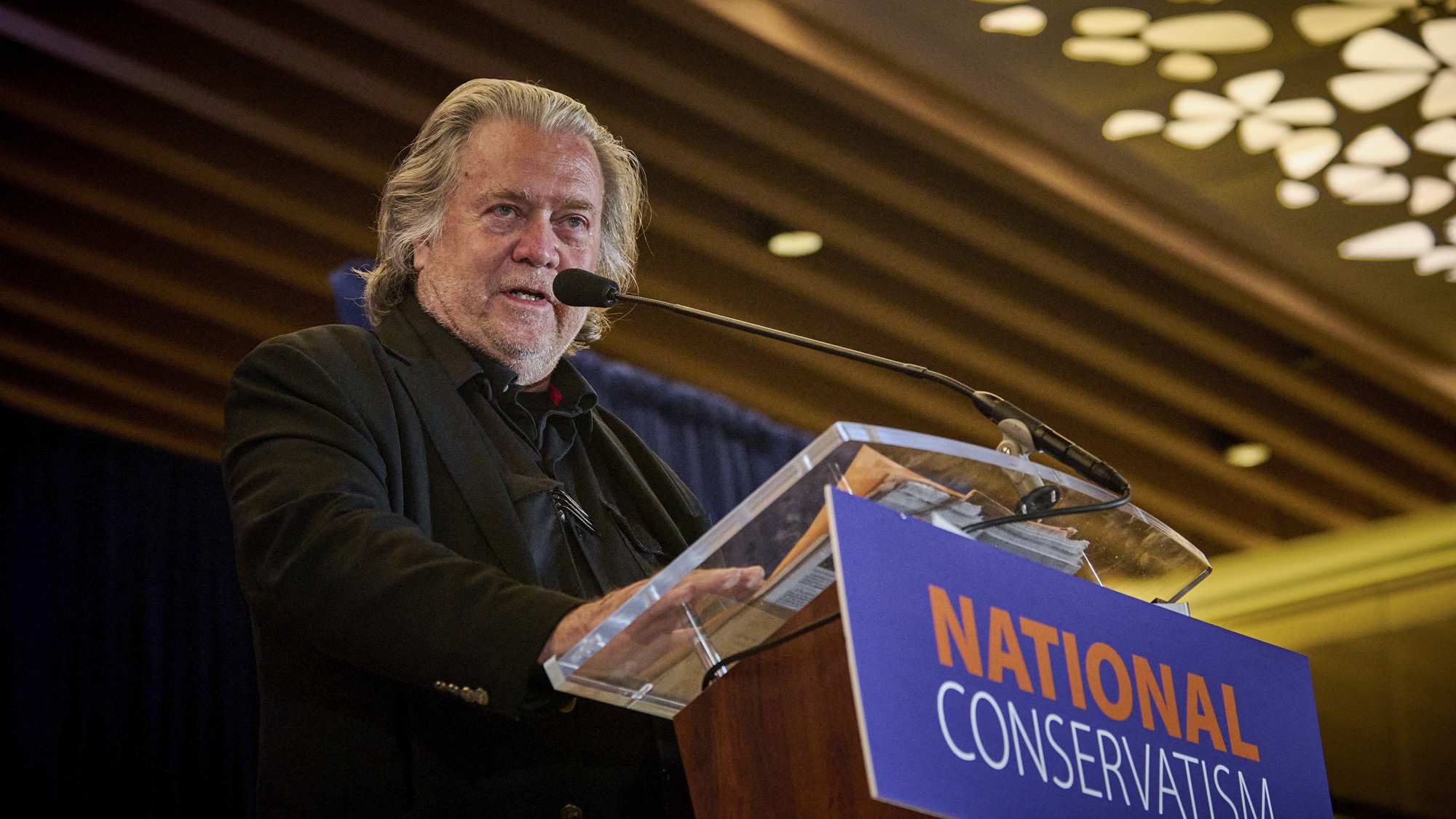
Tusványos Panel Warns of Super-Centralized Future of EU

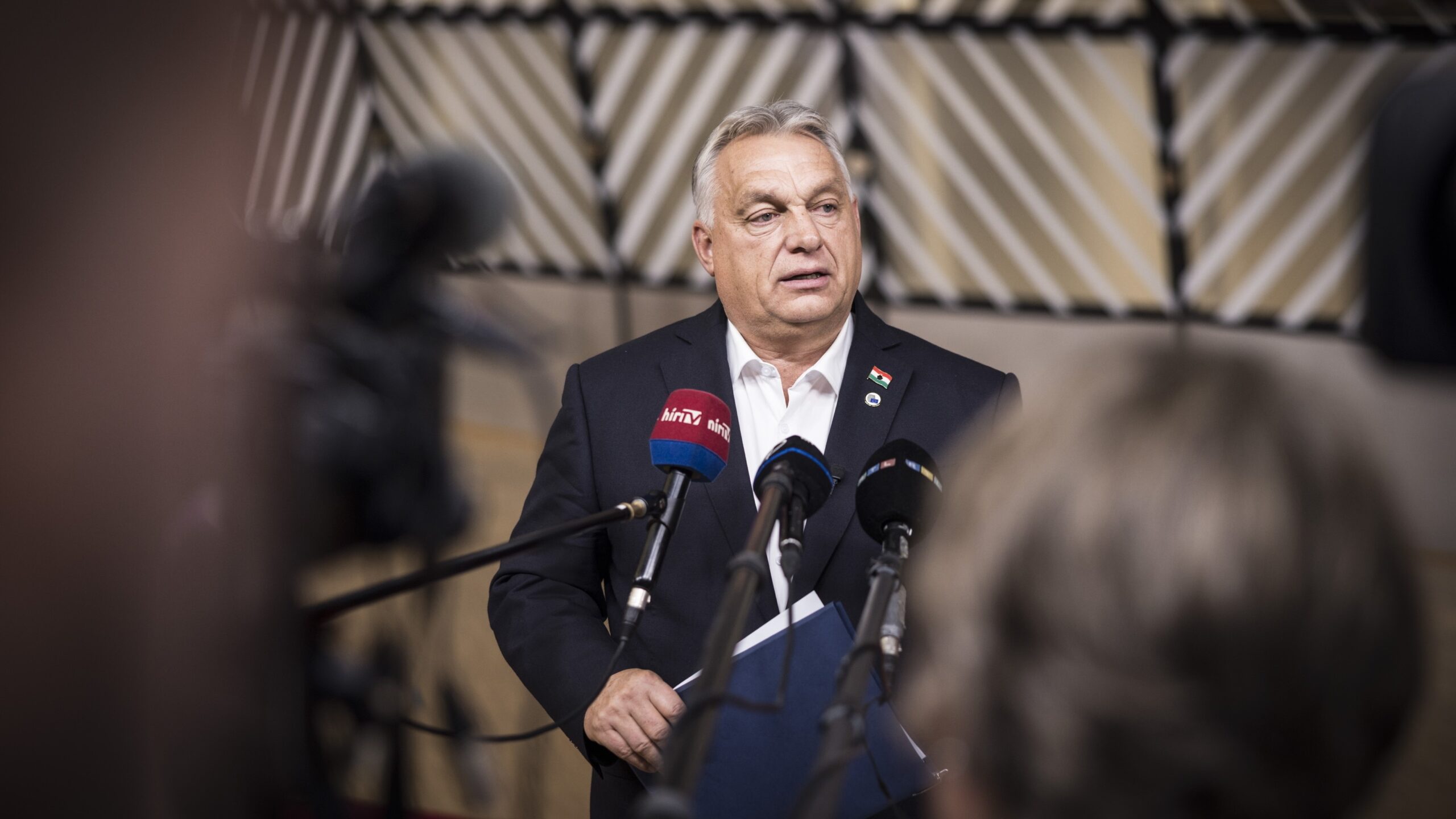
Will Brussels dictate the future of Europe, or can member states reclaim control? A high-profile panel at Tusványos, including Hungarian EU Affairs Minister János Bóka and Rod Dreher, criticized the EU’s centralization drive, arguing that the European Commission now holds more power than many national governments.

Balázs Orbán, Lord Frost, and Others Discuss New World Order at Tusványos 2025

At Tusványos 2025, global thinkers from all around the world, from Lebanon, the UK, and Hungary, discussed the decline of liberalism and rise of post-liberal democracy. Speakers like Balázs Orbán, Lord Frost, and Philip Pilkington argued that Western liberalism failed to deliver its promises, while others stressed the need to protect traditional values.

Hungarian Foreign Affairs Committee President Blames Russia for No Peace in Tusványos Speech

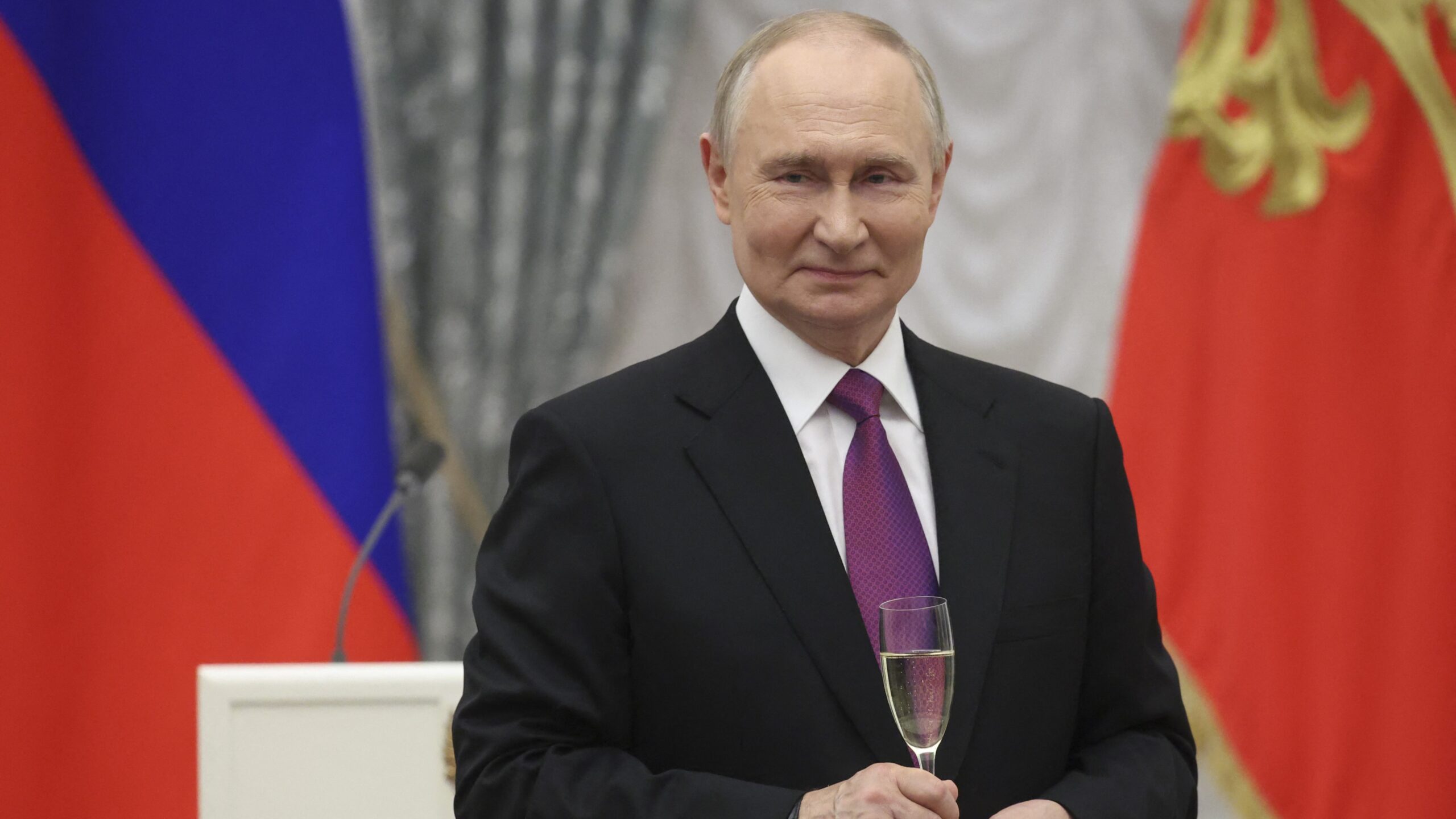
‘Russian responsibility in this failure is becoming increasingly clear,’ said Zsolt Németh, referring to the failed peace talks in Ukraine during the opening of the 34th Bálványos Summer Free University. At the same event, State Secretary for National Policy Lőrinc Nacsa also delivered remarks, emphasizing that the Hungarian government stands for Hungarians both beyond and within its borders.

Stephen Colbert’s The Late Show Cancelled by CBS

The Late Show with Stephen Colbert will be coming to an end in May 2026, the American TV network CBS has announced. Colbert has been criticized by conservatives for being too partisan for a mainstream talk show ever since he took over David Letterman’s spot in 2015.

Australia’s Election Shows People Are Looking For Leadership

‘This was a vacuous election. No one truly won the campaign, and no one emerged victorious in the battle of ideas. Neither major party offered a compelling vision for Australia’s future. As Liberal candidate Henry Pike admitted after election day, the campaign “became a blur of competing handouts and taxpayer-funded concessions.” It was, in short, a mess.’