Luttwak on the Logic of War and Peace

Edward Nicolae Luttwak is an American strategist of Transylvanian extraction whose works give a valuable insight into the logic of confrontation between adversaries. His framework is useful for understanding the dynamics of any conflict, be it a clash between two palaeolithic tribes, a full-scale war or a street fight.
Learning from a Troubled Past, Opting for a Bright Future — Some Thoughts on a ‘Ferry Country’

‘Hungary is a literal crossroads nation between Europe and Asia due to its geography and culture. It exists on the edge of Western civilization, as can be seen in Huntington’s Clash of Civilizations. In his book, “east” of the Hungarian People starts what he describes as the distinct Orthodox civilization, and nearby also lies the Islamic civilization. Even though Hungary is now a part of the West, it still has links to the East, which is most notable through language as well as cultural origins and heritage.’

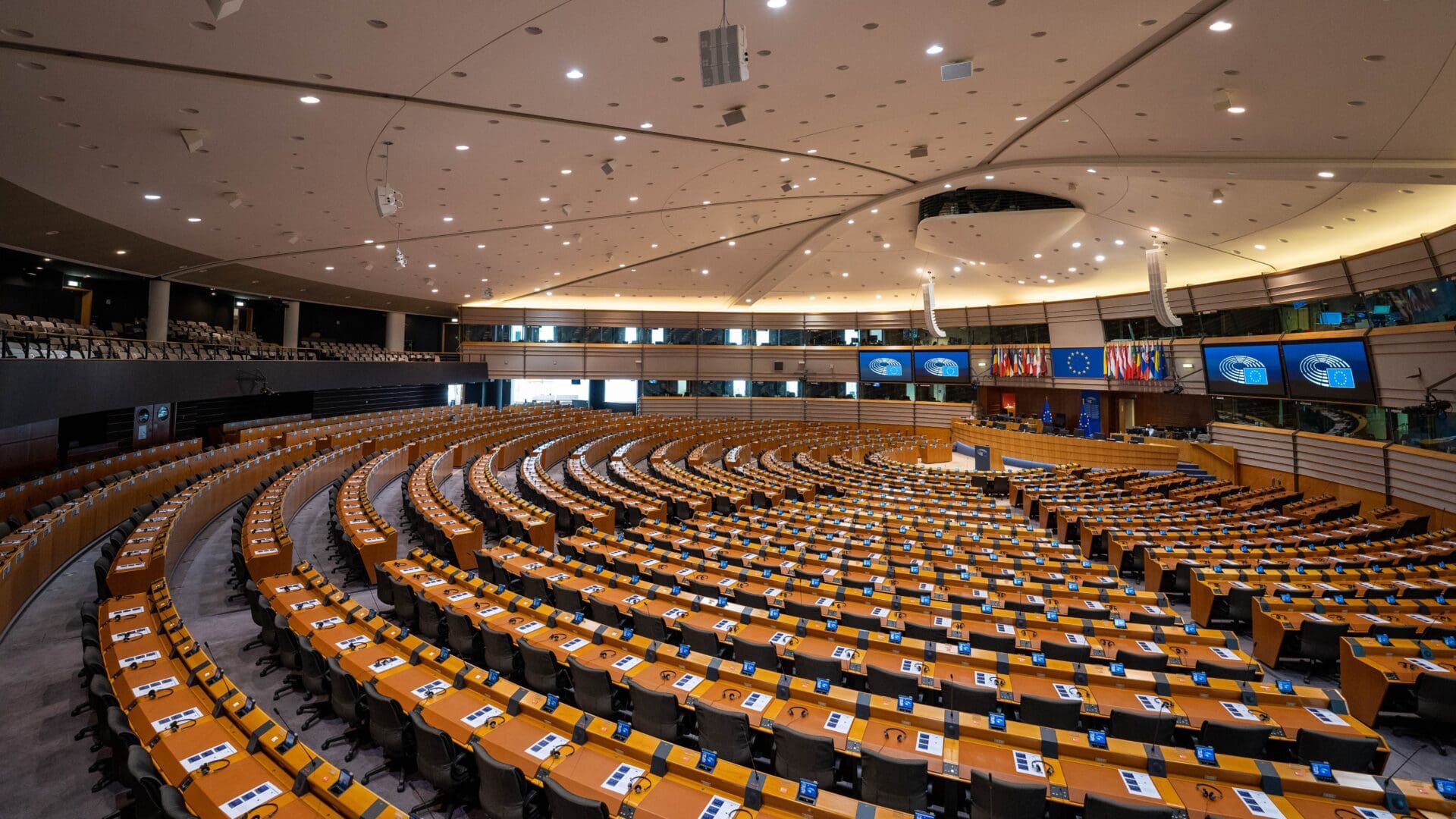
The Plenary Hall of the European Parliament in 2021.

European Elections 2024: The EP Campaigns with a Treaty Change

The European Parliament’s new campaign proposal would not only end the foreign affairs veto by amending the EU treaties but would also give the EU more power in the area of the rule of law and migration. As part of that overreach attempt, it would also suspend Hungary’s right to hold the EU presidency.

The Revenge of Geography? — Theoretical Considerations for Interpreting the Russia–Ukraine War

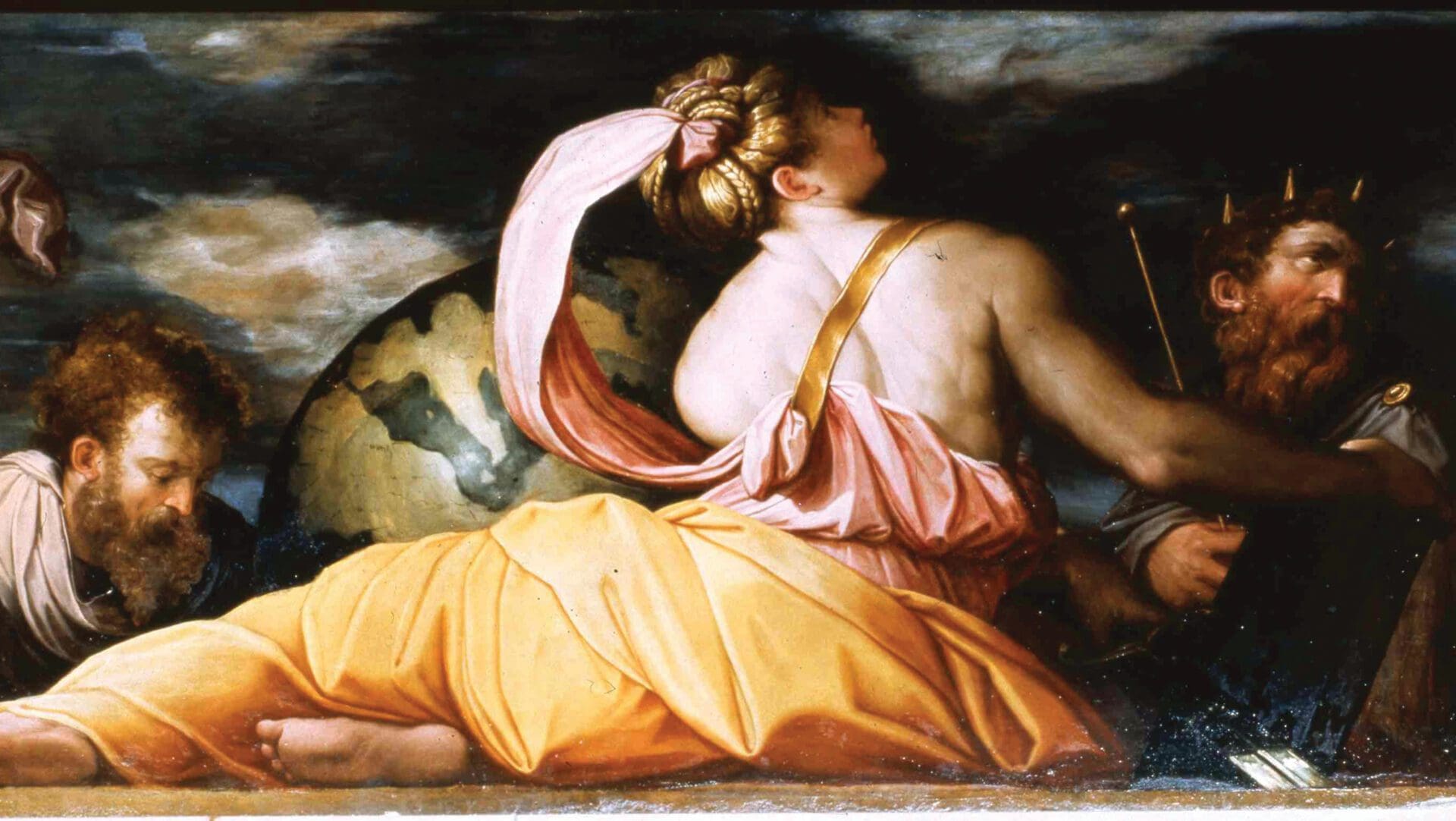
‘Nation-states will be reduced in their functionality, becoming of secondary importance as entities, and the principle of territorial existence will slowly dissolve into a new, boundless uniformity. To use a rather un-English term, we are going to witness the deterritorialization of the world—a world deprived of the territories of its constituents, at least if we are to believe the new utopians.’

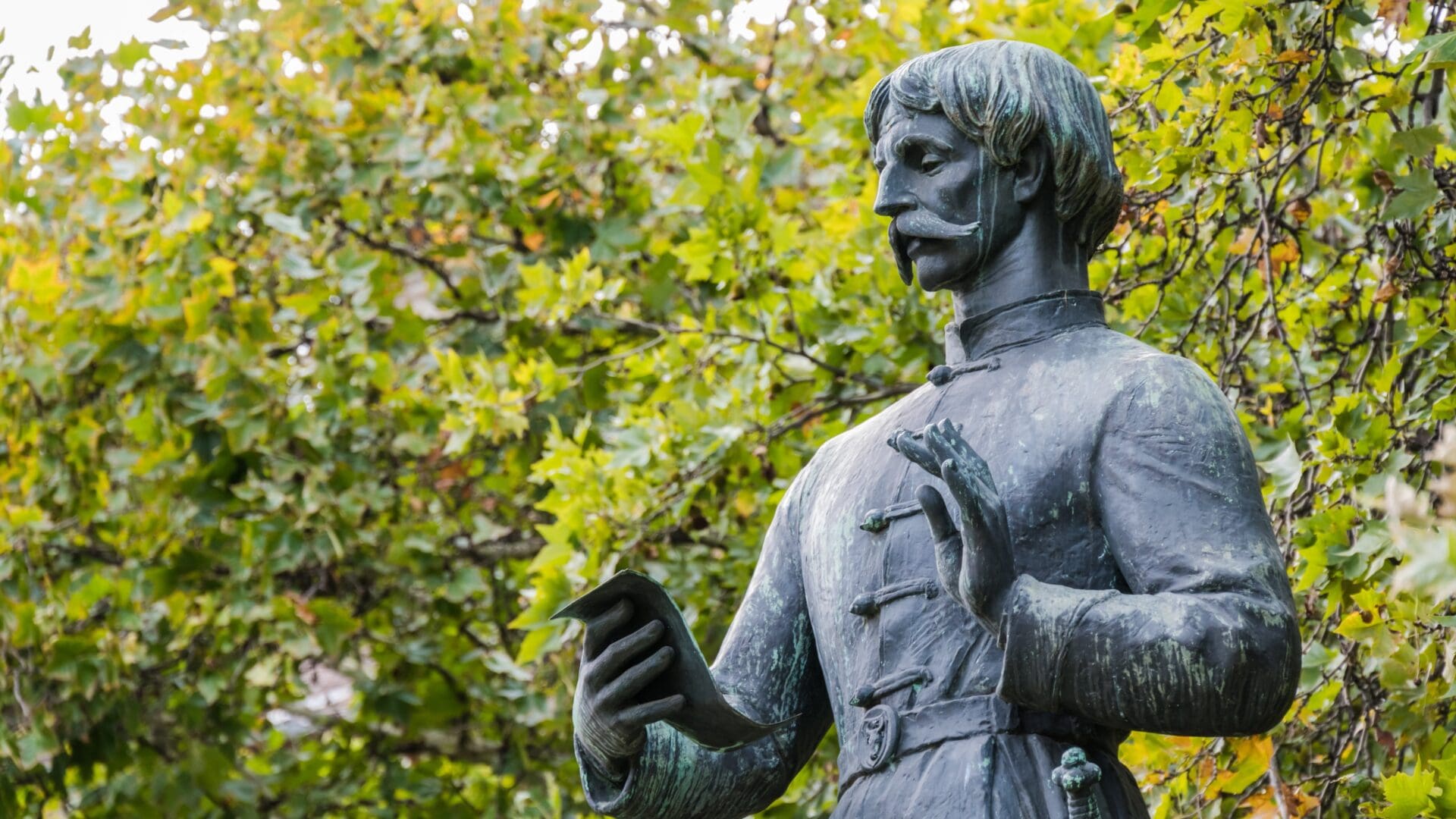
The statue of Bálint Balassi in Kodály Körönd, Budapest.

The Life of Bálint Balassi, a Classic Figure in Hungarian Poetry

Baron Bálint Balassi de Kékkő et Gyarmat is celebrated as the pioneer of Hungarian romantic poetry, a valiant soldier, a daring lover and an accomplished polyglot. His life and achievements embody the true spirit of the Renaissance, and read like a tale of romance, valour, and fighting spirit.

Russia’s Worldview: Katechon and Atomic Orthodoxy

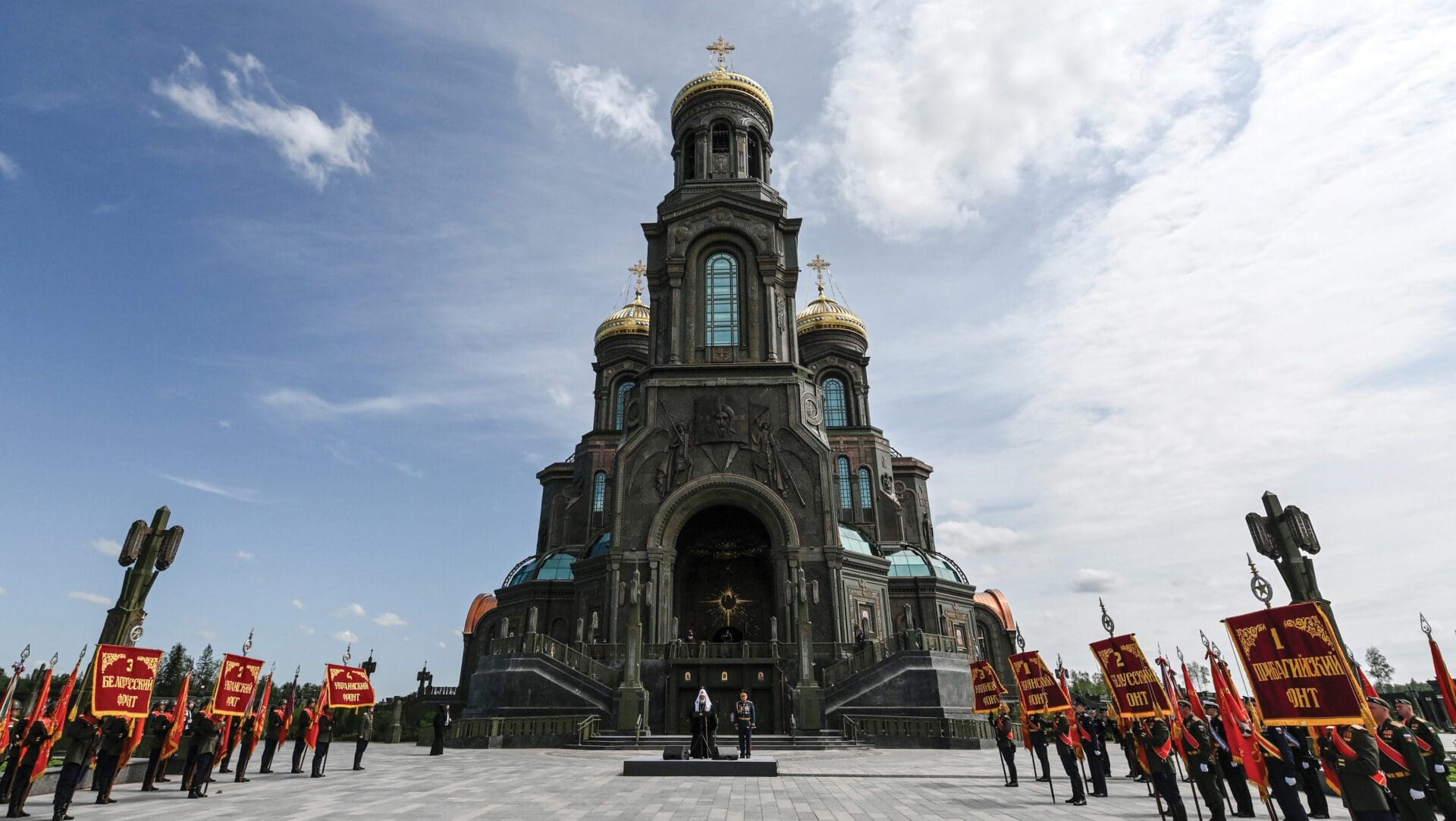
The rhetoric of spiritual mobilization, of Russia’s responsibility for the fate of the world, and of the ‘burden of the Russian people’ is becoming dominant once again as it was many times before during tragic periods in Russian history. Economic sanctions and diplomatic isolation as the punishment for the annexation of Crimea and the war in Ukraine are interpreted by the Russian regime and the majority of Russians as confirmation of progressing Anomia in the West, and will strengthen the Katechonic argument.

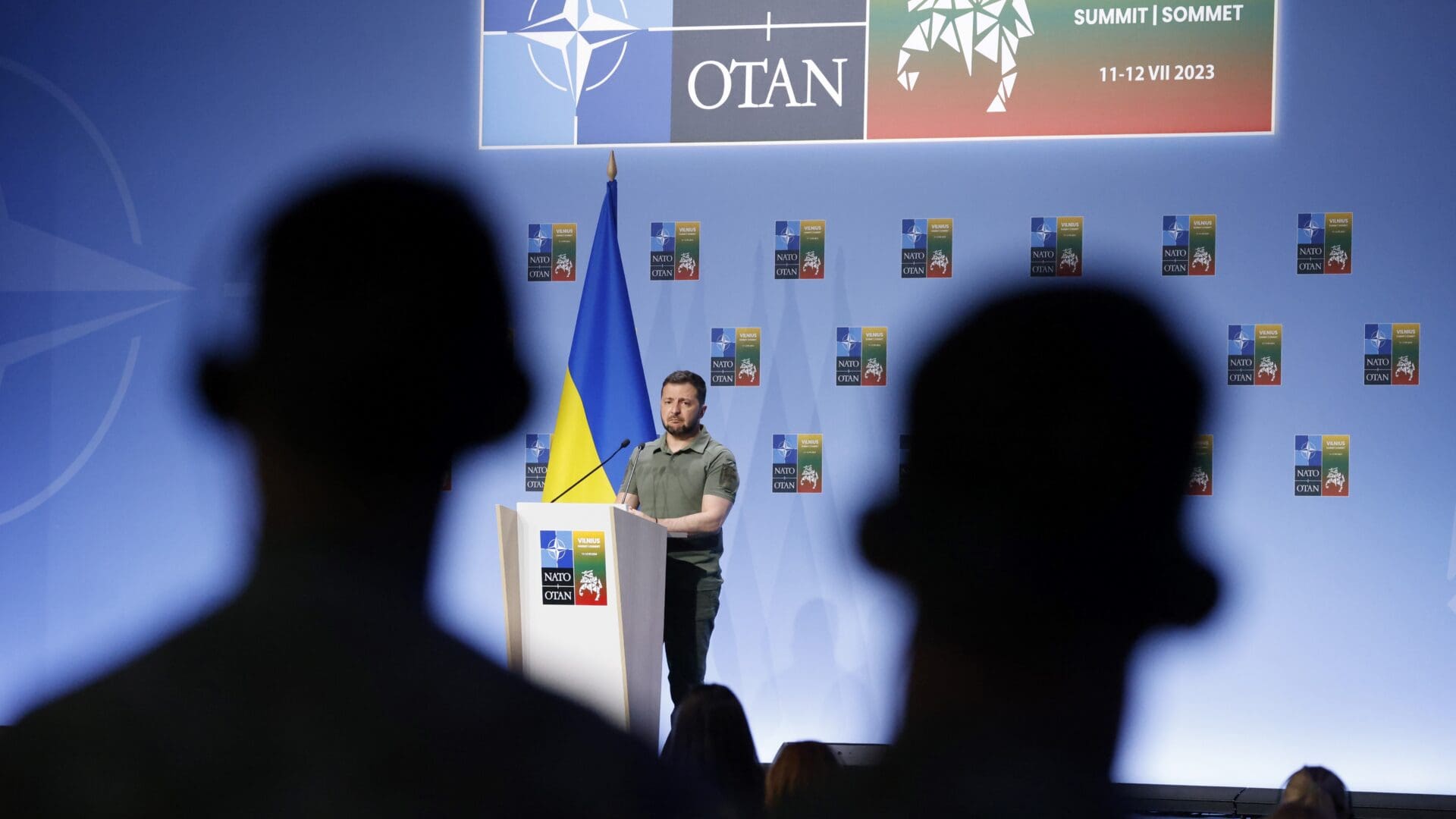
Ukrainian President Volodymyr Zelenskyy giving a press conference during the NATO Summit in Vilnius, Lithuania on 12 July 2023.

NATO Promises a Shared but Undefined Future to Ukraine

At first glance, the declaration of wanting to see Ukraine in NATO does not seem much more than what the country was already told in 2008. But the truth is that Ukraine is closer than ever to joining the Alliance, which was indicated not only by the unanimous adoption of the closing communiqué, picturing Ukraine’s future within NATO, but also by the fact that Ukraine can skip the preliminary Membership Action Plan (MAP) that every other post-Soviet country had to undergo and negotiate defence issues as an equal partner in the established NATO Ukraine Council.