The Most Famous Secretaries of War in US History

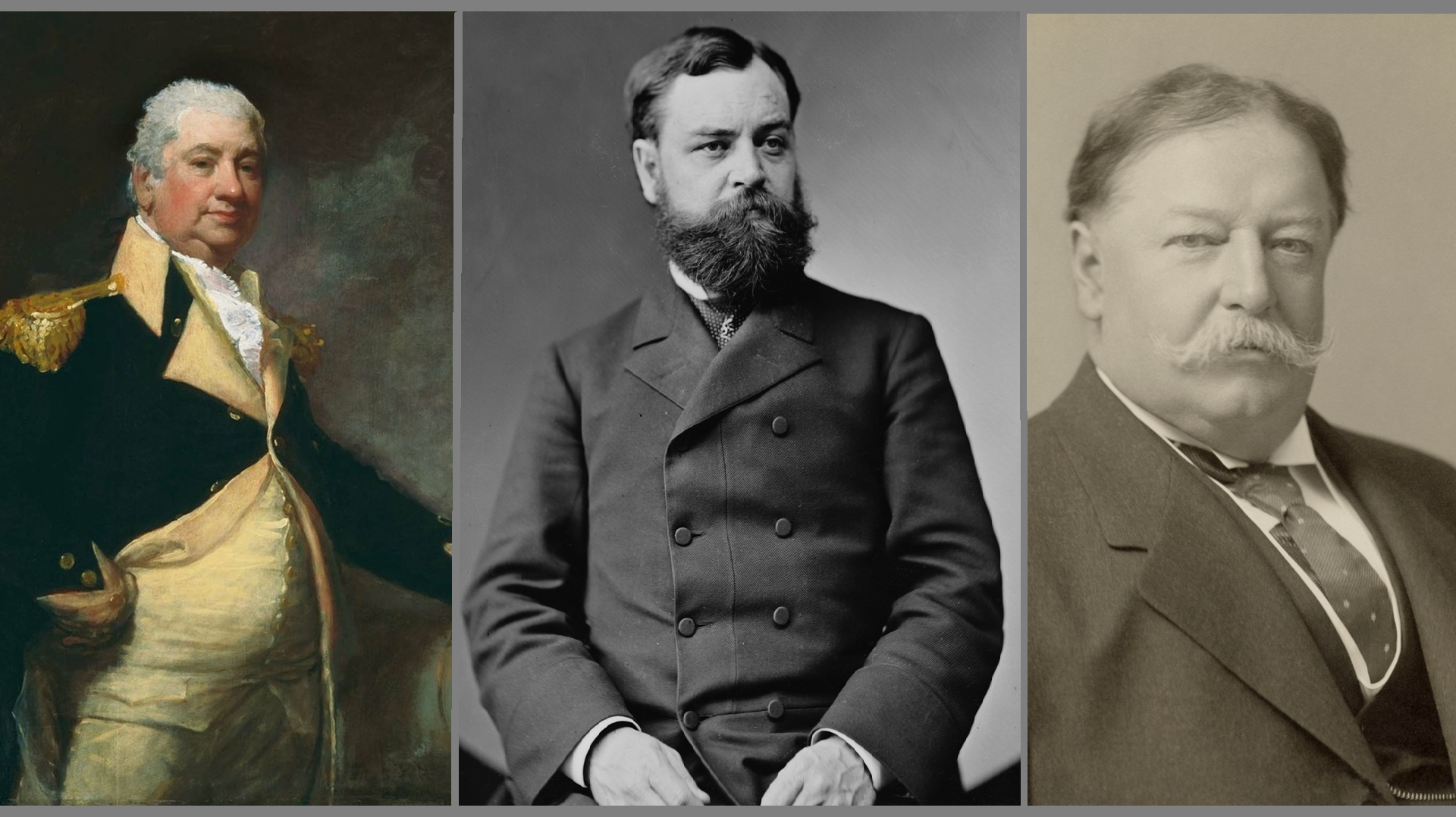
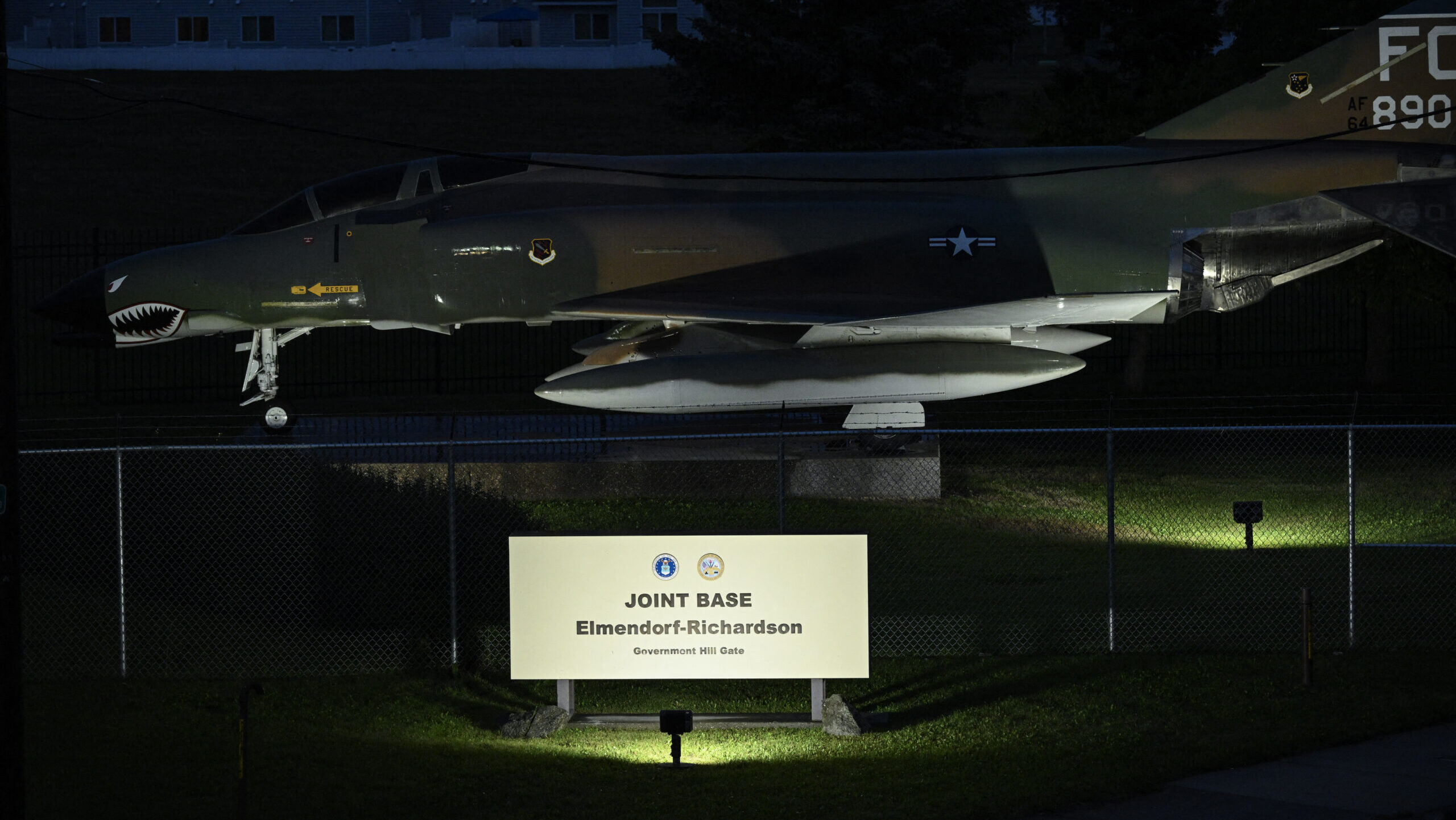
With President Trump’s executive order last week, the United States officially has a Department of War again, for the first time since 1947. On that occasion, let’s take a look at the most famous men to serve in the office of Secretary of War before the incumbent Pete Hegseth.

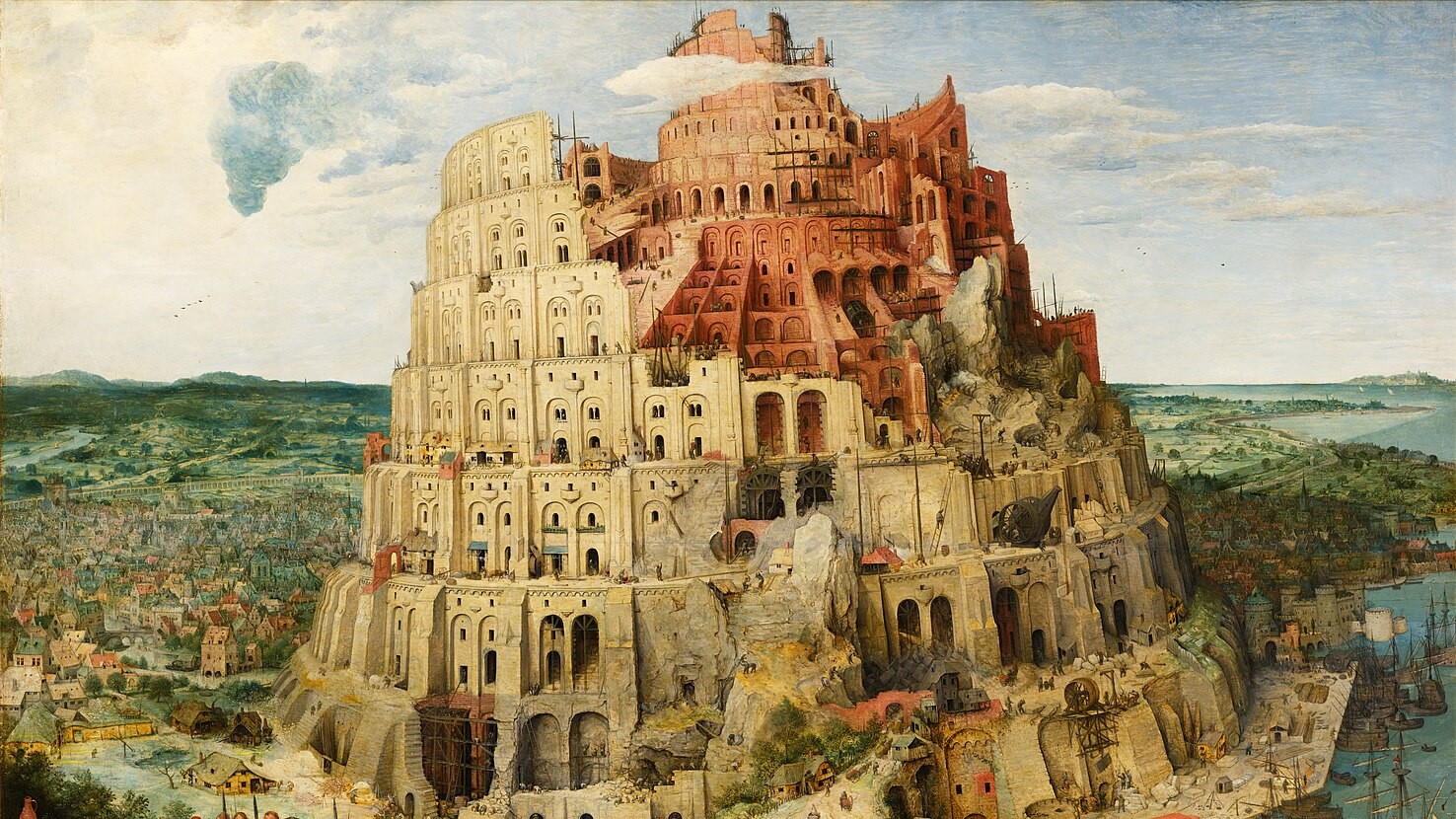
The Changing Battlefield: Paradigm Shifts and the Nature of Modern Conflict

‘The current epoch marks another revolutionary shift: the digital warfare paradigm, driven by rapid advances in artificial intelligence, cyber capabilities, autonomous weapons, and real-time data integration…It is no longer sheer numbers or tonnage of materiel that decide battles, but information superiority, network resilience, and the speed of decision-making.’

:Pieter Bruegel the Elder - The Tower of Babel

Is the Majority Always Right? — Democracy and Rationality Part II

‘Paradoxically, it appears that democracy can only sustain and protect itself from collapse—whether through tyranny or chaos—by relying on elements that are not themselves democratic. It often seems easier to justify democracy with a quasi-mystical hypothesis than with one grounded in the actual conditions of political reality.’

Appealing to the Virgin Mary for Peace

‘Hungary, too, was forced to be part of the Soviet bloc when Soviet troops entered the country in 1945. Three years later, the future Cardinal and Primate of Hungary, József Mindszenty, opened the Marian Year to entrust, like King St. Stephen, the fate of Hungary to the intercession of the Blessed Mother…’

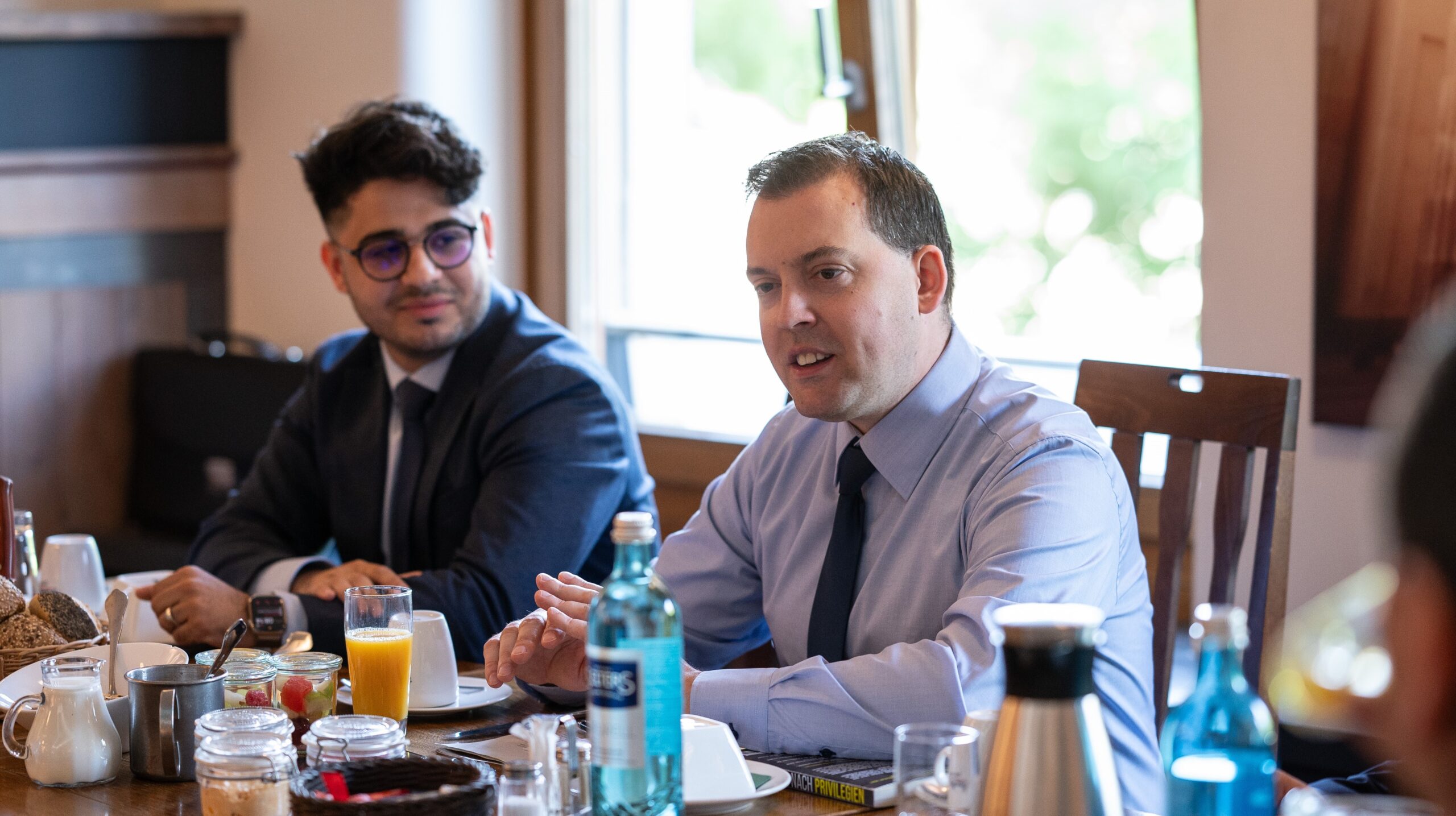
‘For me, curiosity has always come first’ — An Interview with Nickolas Emrich

‘We are very much aware that Hayekian ideas must be articulated and defended in contemporary language—otherwise, they risk being confined to the seminar room or misunderstood as mere nostalgia for the past…The aim is not to create an elitist in-house journal, but to establish a lively forum for debate, analysis, and pointed interventions…’

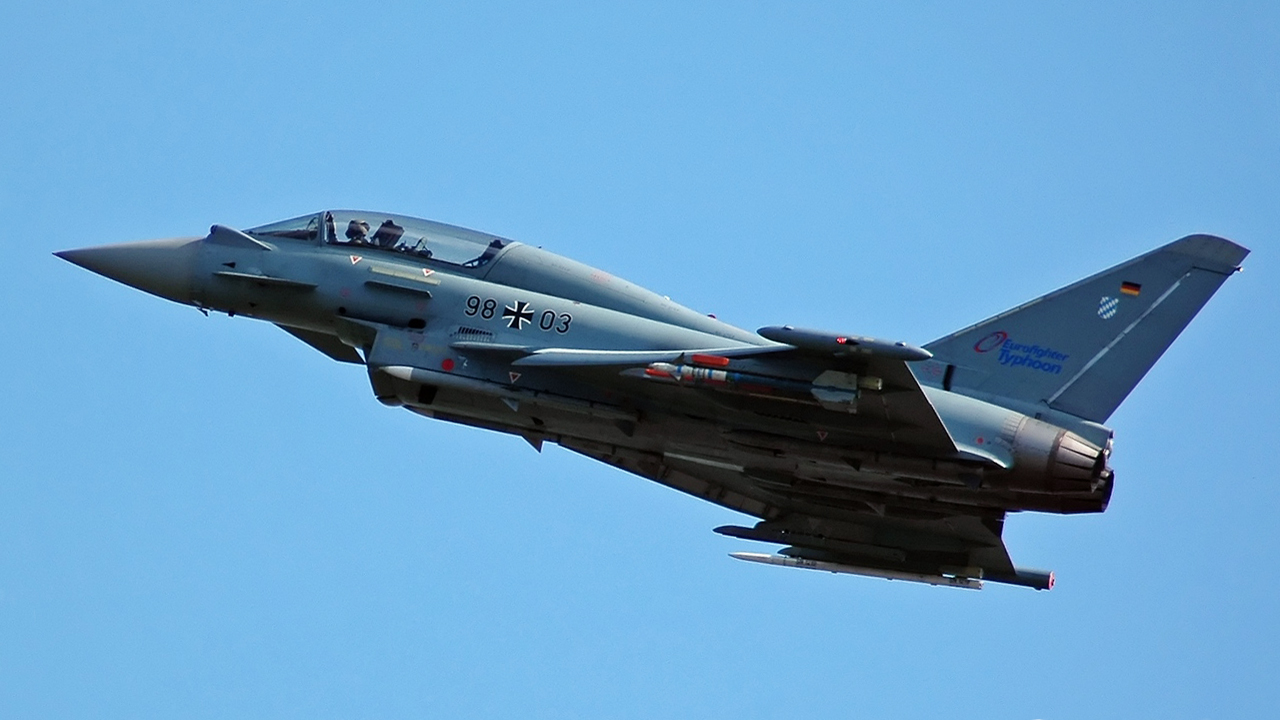
Germany Steps Into a New Era of Militarization

‘Just days after Russia’s 2022 invasion of Ukraine, Chancellor Olaf Scholz declared a Zeitenwende—a historic turning point—in the Bundestag, pledging greater support for Ukraine and a significant strengthening of Germany’s armed forces…Yet, despite ambitious plans and ongoing modernization efforts, the proclaimed turning point fell short of delivering the sweeping, immediate changes…’