
The Cradles of Christianity- Interview with Father Benedict Kiely
Why are we not praying for Christians? Why are we not doing something? Why are we not moved by their plight? They must not be forgotten.

Why are we not praying for Christians? Why are we not doing something? Why are we not moved by their plight? They must not be forgotten.
Hungarian climate policy affirms the possibility of climate-friendly economic development, where economic development is carried out in a sustainable manner in line with the requirements of climate protection.
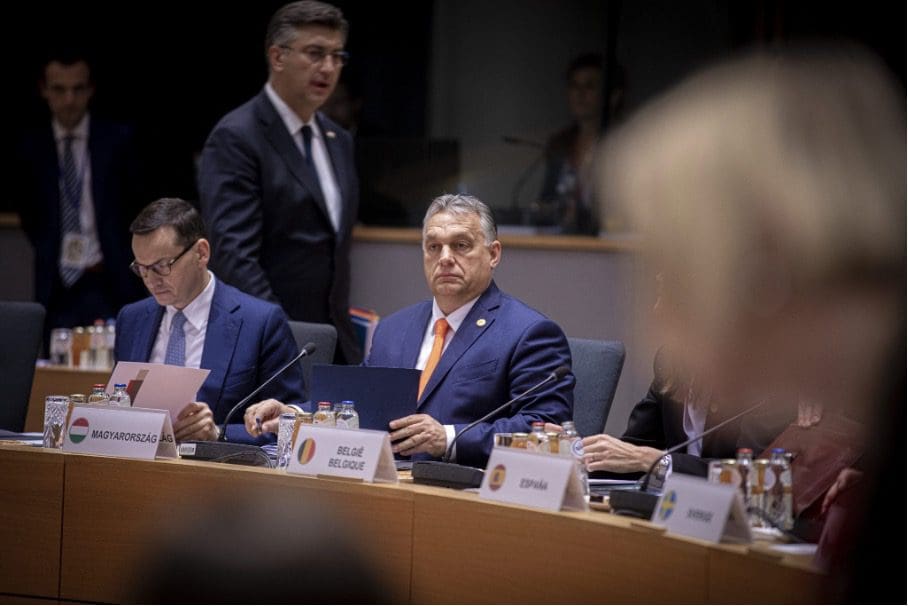
As the EU Summit has finally come to an agreement regarding the Russian oil embargo, PM Orbán was able to secure a compromise to defend Hungarian national interests.
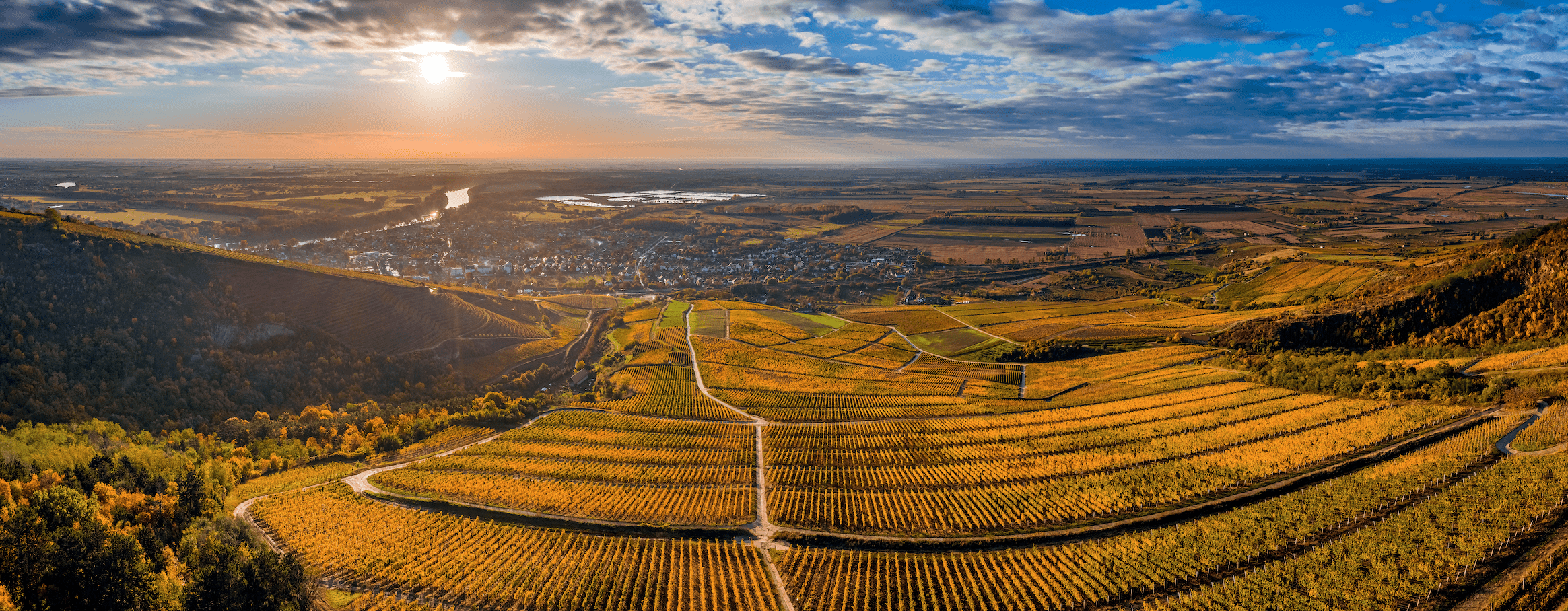
In Hungary, emissions decreased by 32 per cent by 2018 compared to the 1990 levels, which is more favourable than the EU average.

In the last decade, both Poland and Hungary have been actively formulating European policy; however, this duo is not strong enough without the active support of the Czech Republic and Slovakia. It is also a warning sign that the loudest criticisms of Hungary and Poland can often be heard from inside the V4.
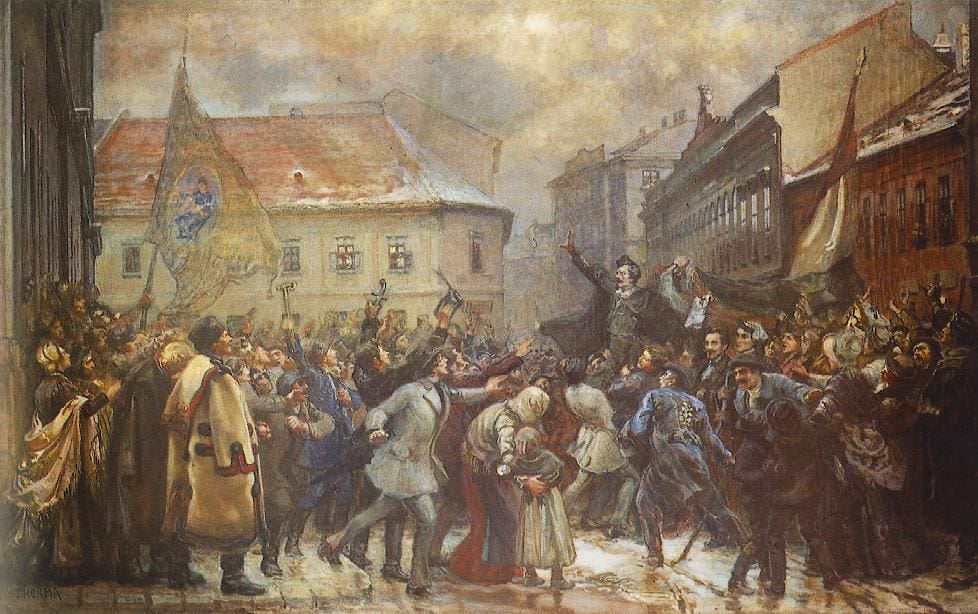
It is time to acknowledge that patriotism may indeed be considered a virtue, while liberalism tainted with globalism is a force that is out to destroy the nation state.
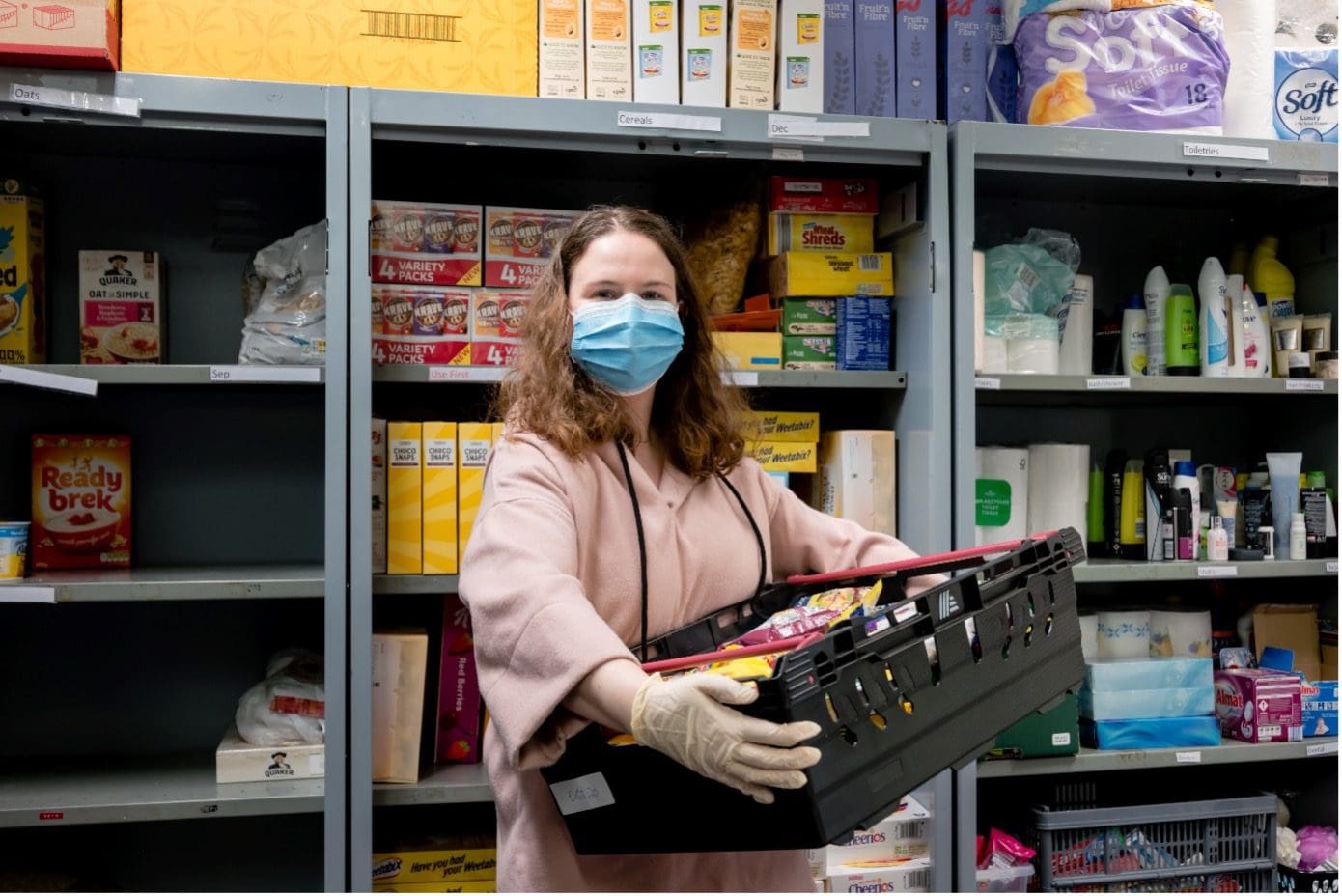
In 2020, a year in which poverty deepened due to the global pandemic, as opposed to the decreasing trend of the previous decade, the relative income poverty rate was 12.7 per cent in Hungary, compared to the EU average of 16.5 per cent.
Of course, violations of the rule of law must not lead to corruption or abuse of power in the member states. However, a schematic “transfer” of the institutions that serve the rule of law to the EU level could particularly endanger the essence of the rule of law.

If both elites (those of the West and of Central Europe, respectively) are ready to follow a more pragmatic political action plan, and rely on a less exclusive and lecturing linguistic regime, we can avoid the worst case scenario, which is the split and break-up of the Union, and a potential internal conflict within Europe.

The family policy managed to stop the decline in fertility rates, which characterized Hungary since the 1980s. The last time in Hungarian history, when married couples had more than two children on average was in 1979, while fertility rate in Hungary was permanently above 2 only in the 1950s.