Képernyőfotó 2022-06-19 - 23.46.35

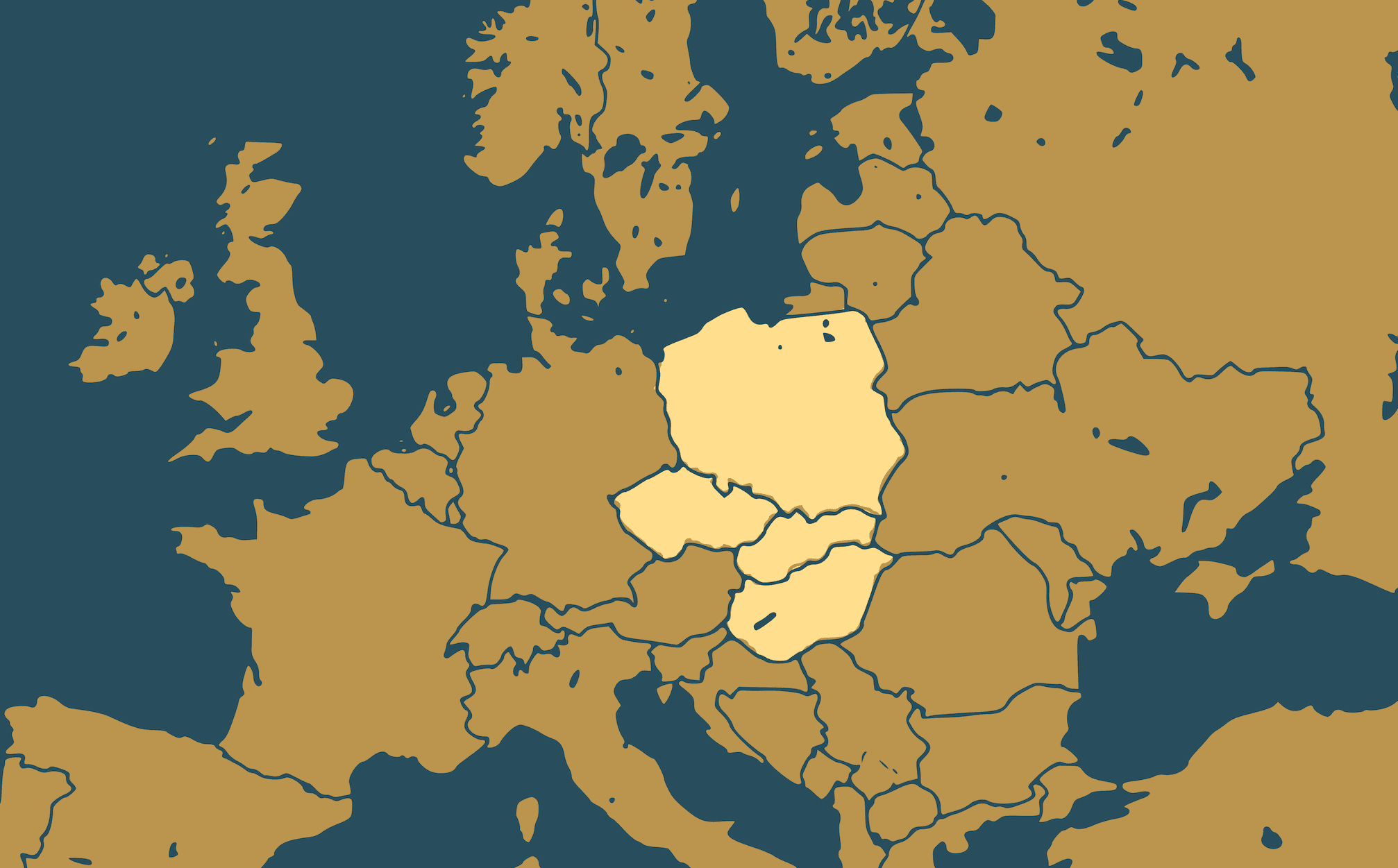
Quo Vadis, Visegrád Four?

Although the Visegrád Four may be facing one of the most severe disruptions of its history, it is too early to discount it as a “collateral victim of the war,” as the cooperation’s main virtue has always been its ability to overcome momentary political disputes.
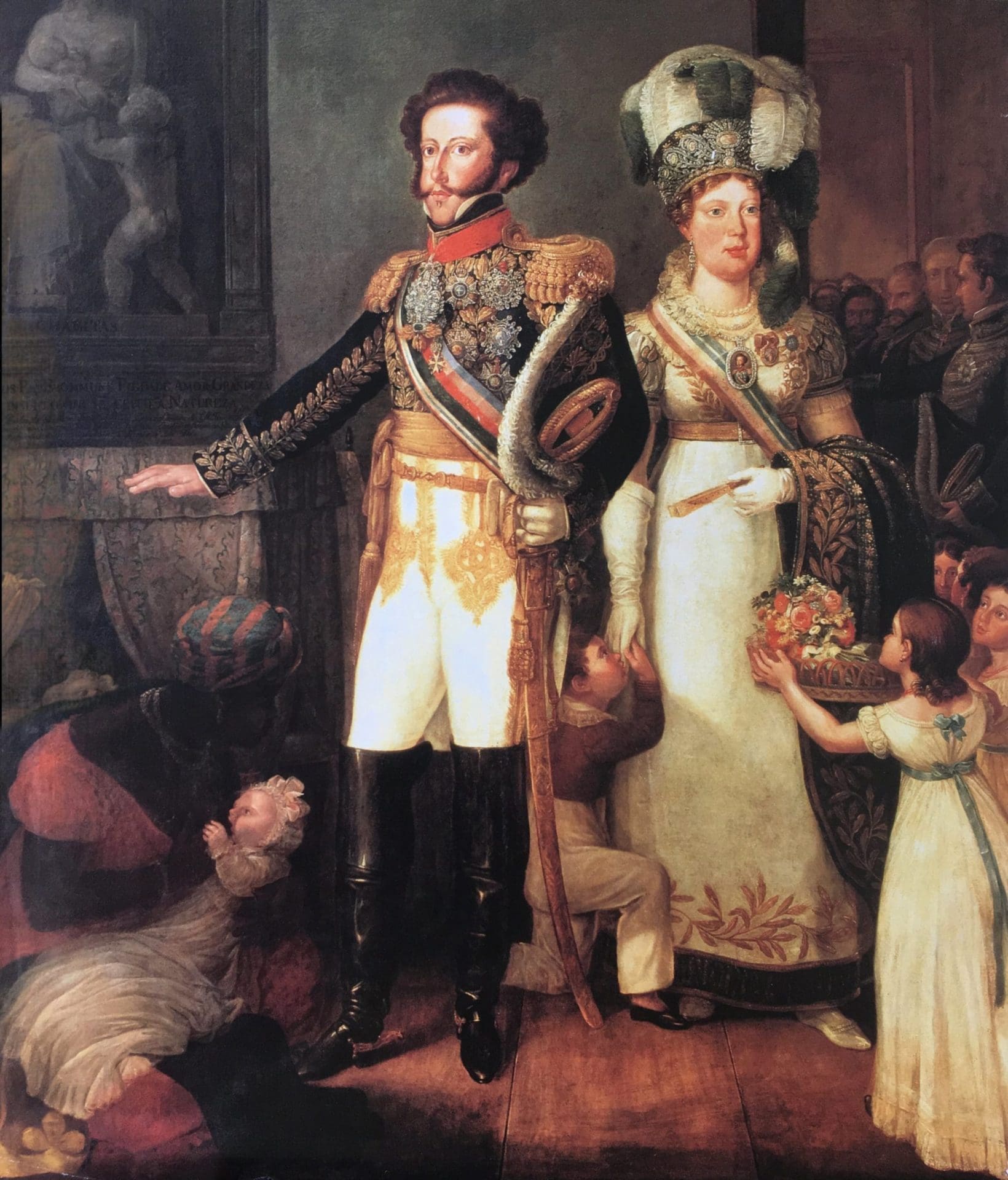

Armand_Pallière_Dom_Pedro_e_Dona_Leopoldina_1826

‘Iustitia est regnorum fundamentum’ – Part I

From Hungary to Brazil, from Eger to Rio. In memory of Archduchess Maria Leopoldina of Austria, Royal Princess of Hungary and Bohemia, Empress consort of Brazil, on the 200th anniversary of the independence of the country (1822–2022).

Ships,With,Flags,Of,Australia,,United,States,And,United,Kingdom

AUKUS: A Potential Boon for Central and Eastern Europe?

The possibility was unnoticed or at least underrated, that the AUKUS agreement was a strange victory, not only for AUKUS members, but also for another region, usually chastised by the world’s political elite: Central and Eastern Europe.

Képernyőfotó 2022-06-17 - 12.43.36

Evolution of the Political Role of the European Commission

Frequent charges against the Commission are predominantly based on the fact that it lacks democratic legitimacy for making decisions regarding issues of ideology, and it is not held accountable by anyone for its political decisions, which would certainly be unthinkable in democratic circumstances.

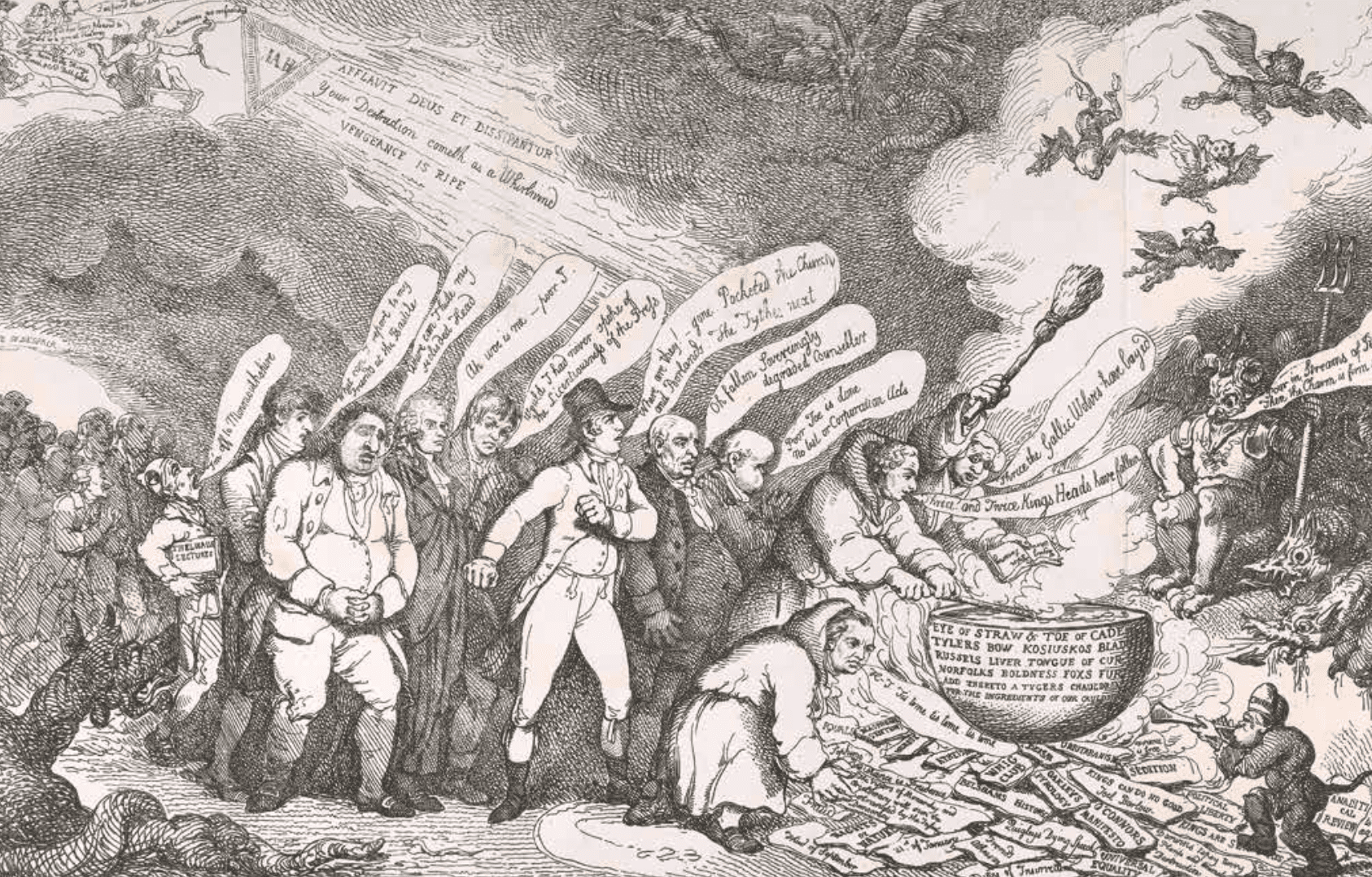
Képernyőfotó 2022-06-12 - 18.49.08

Demophobia and the Politics of Fear

It is our belief that the Western liberal elite’s irrational hatred of Hungary’s political culture is driven by a deeply entrenched sense of insecurity regarding its own legitimacy.

Kép1

The Holy Script in Hungarian: The Vizsoly Bible

One of the greatest achievements of the new Protestant belief was delivering the first complete Hungarian translation of the Holy Script and promoting literacy and the use of Hungarian to the general population.

Kép1

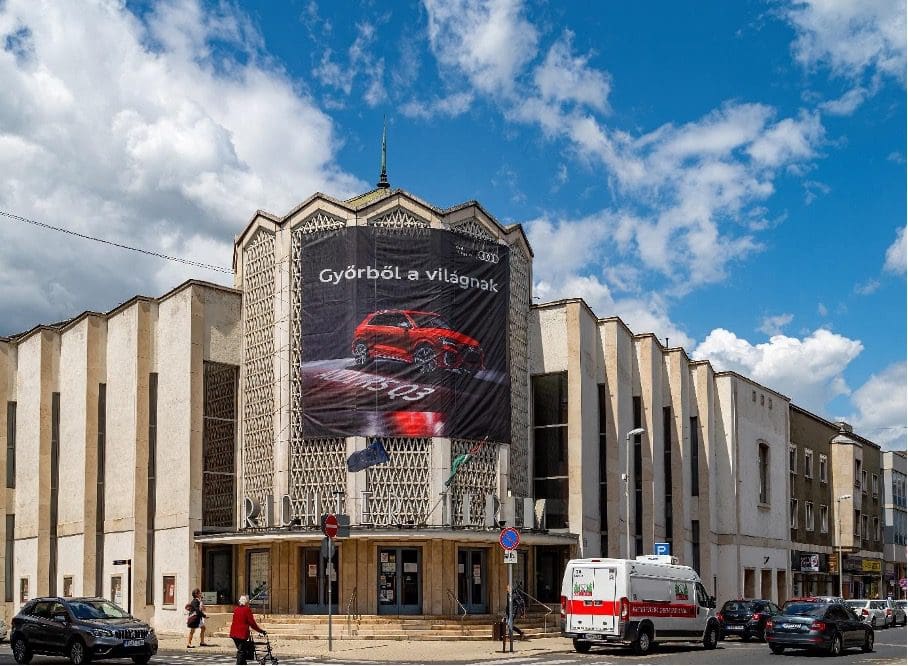
The German Automotive Industry in Hungary: An Unhealthy Dependence?

Overall, the German automotive industry employs around 50, 000 people in the country and generates 2.5 per cent of the Hungarian GDP. The production value of the industry rose by 165 per cent between 2010-2019, so the influence and significance of the auto manufacturing industry is on the rise in Hungary.

Kép1

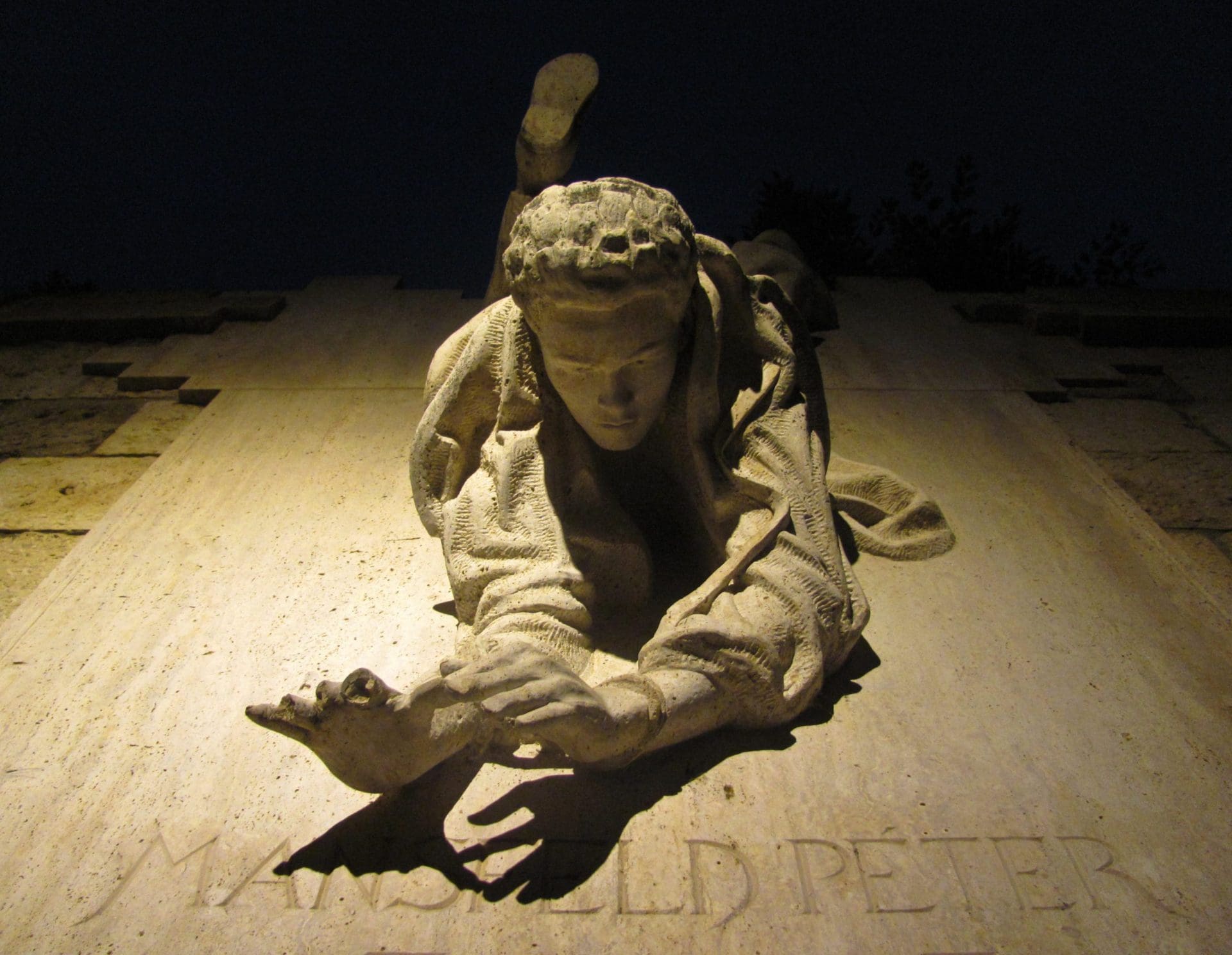
Lustrations and Transitional Justice in Hungary

The reports collected by the secret police were not necessarily political in nature – secret agencies collected information about the personal life of poets, sportsmen and the cultural elite, not only about the political opposition.