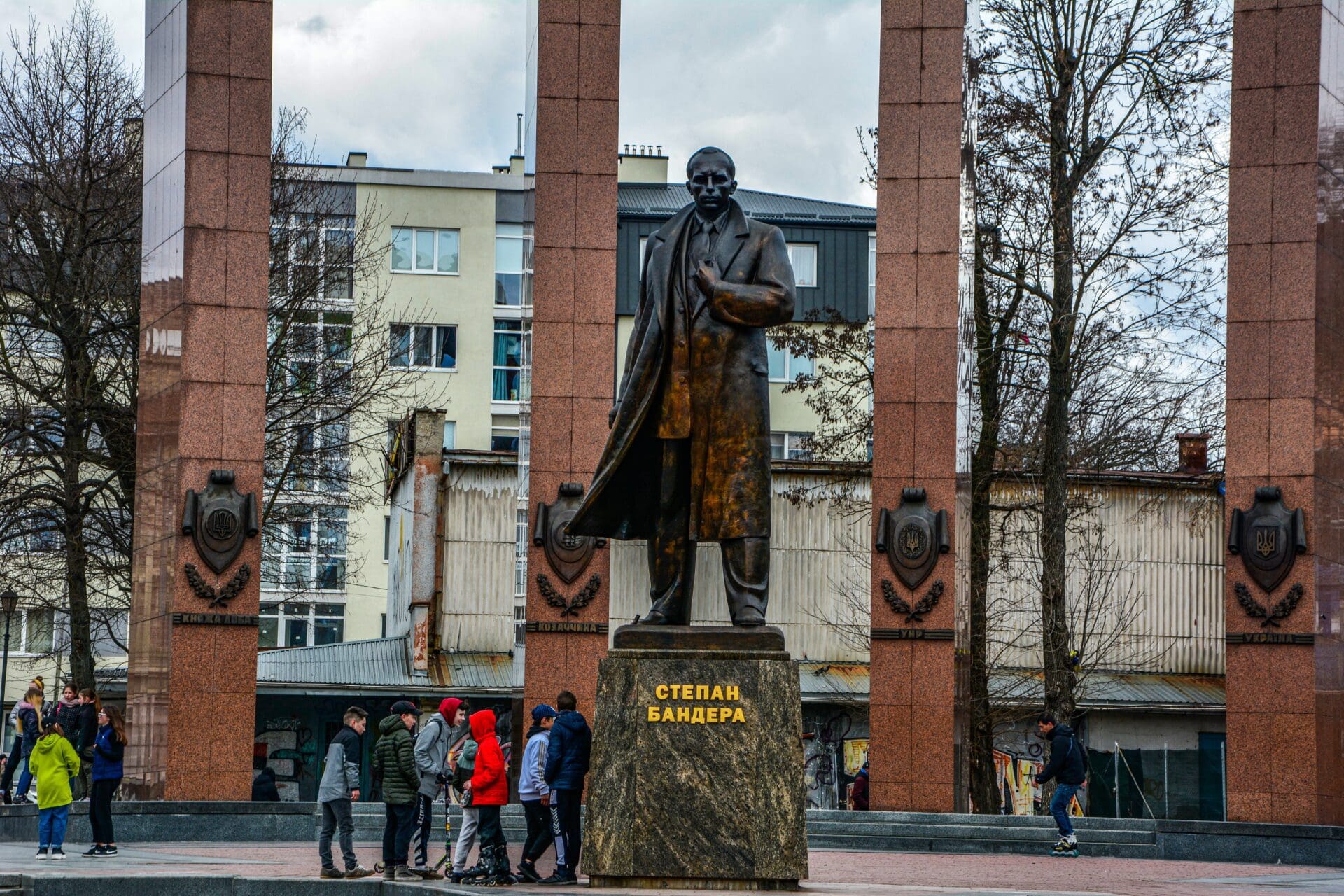
A Controversial Figure: Stepan Bandera
Was Stepan Bandera a Nazi collaborator or a martyr of Ukrainian independence? Selective Ukrainian collective memory can hardly provide an answer.

Was Stepan Bandera a Nazi collaborator or a martyr of Ukrainian independence? Selective Ukrainian collective memory can hardly provide an answer.
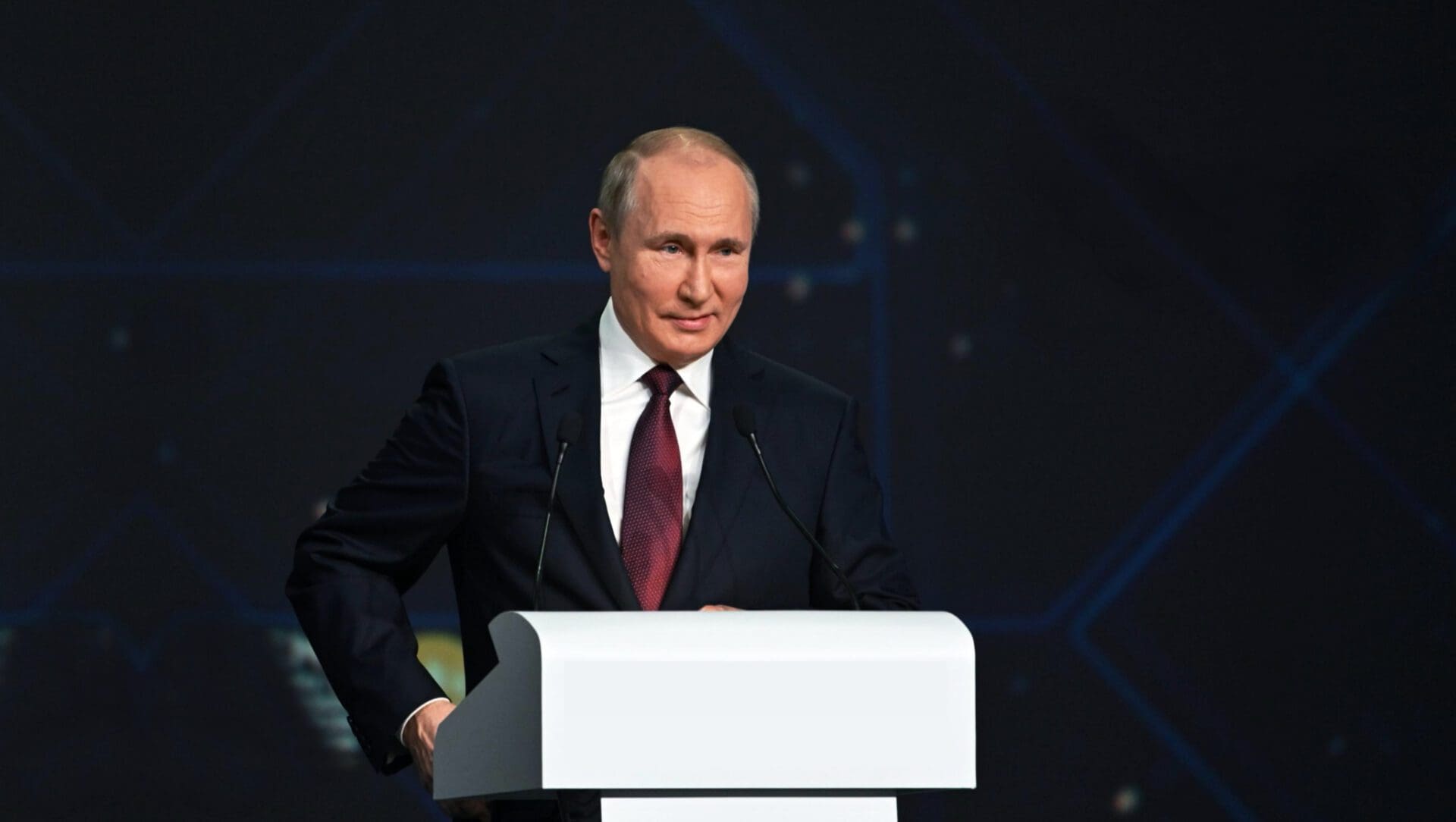
The Great Patriotic War, the Russian Empire and Ukraine are the three recurring themes that constitute the pillars of the Russian President’s historical narrative.
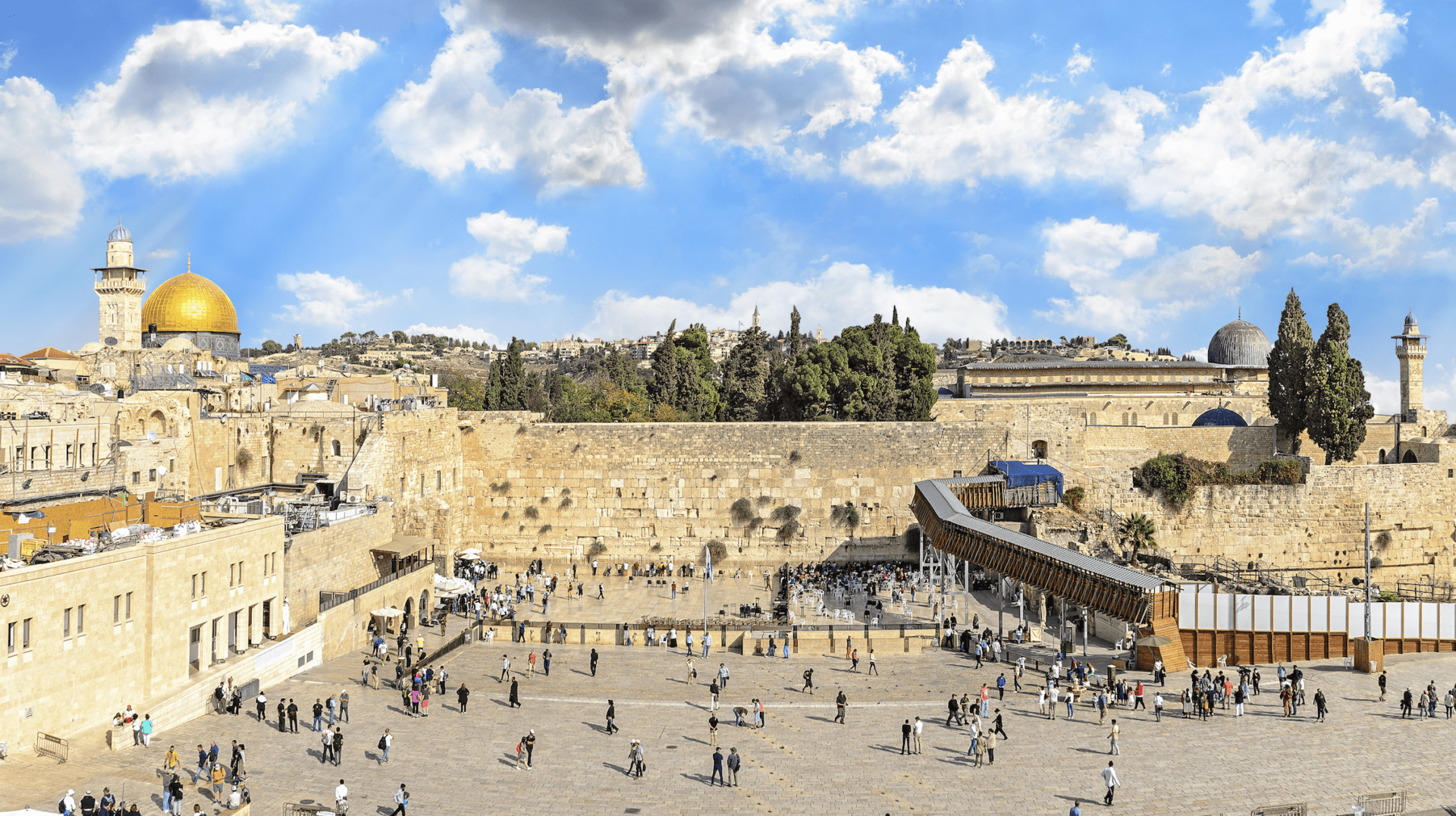
The scaremongering about the deterioration of US-Israeli relations is odd, since the relationship started to worsen first after Barack Obama threw the Middle East under the bus for Iran, and now Joe Biden wants to restore a nuclear deal whose only apparent purpose is to give Iran easy and quick access to nuclear weapons.
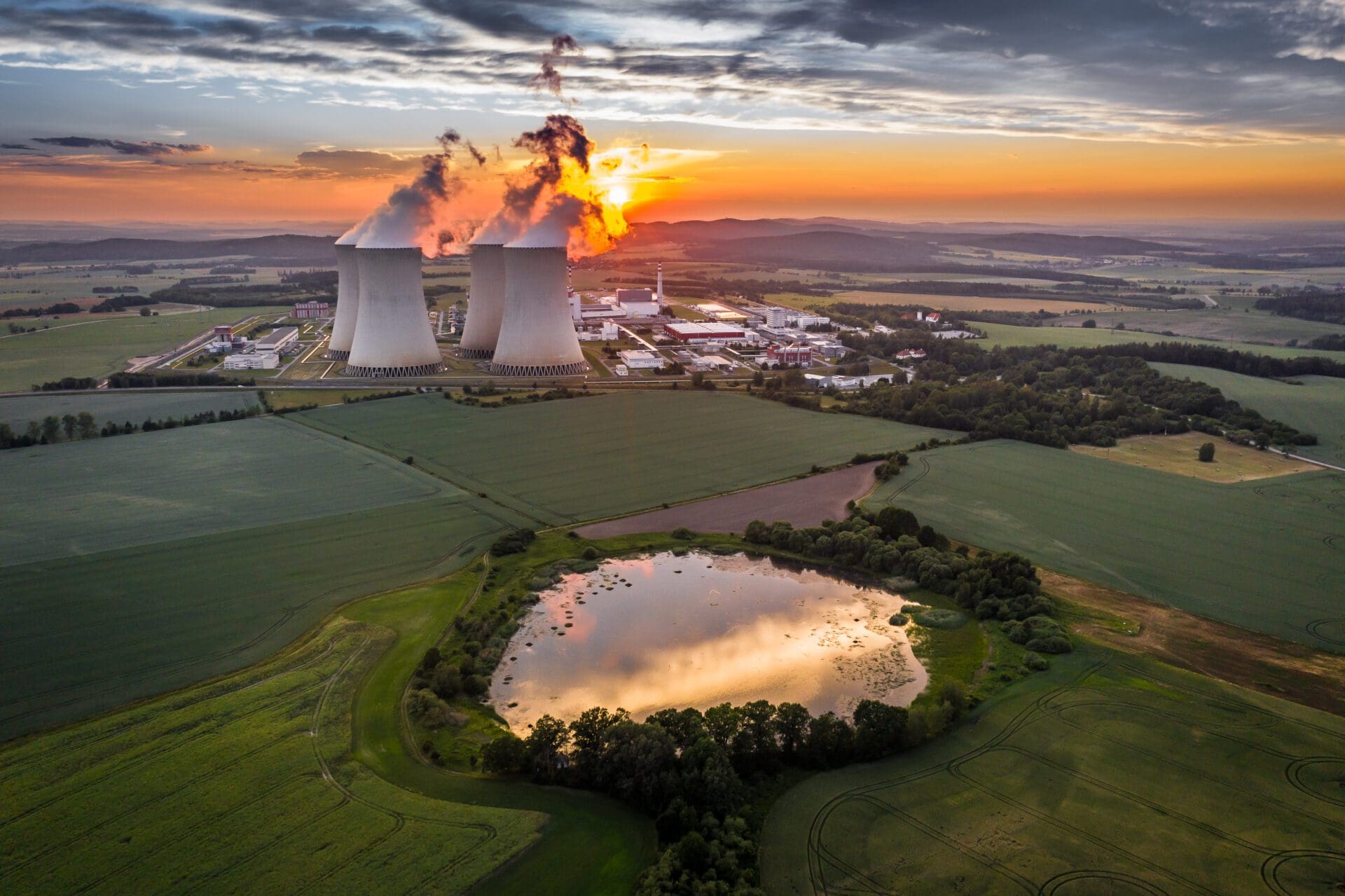
Hungarian Foreign Minister Péter Szijjártó reaffirmed Hungary’s position that member states have a sovereign right to determine what energy carriers they acquire and in what quantities, from whom, and based on what price formula, following a summit of EU energy ministers at the end of October.
A Hungarian conservative think tank set to open in Brussels this month is expected to stir the pot in Brussels by challenging dominant liberal narratives.
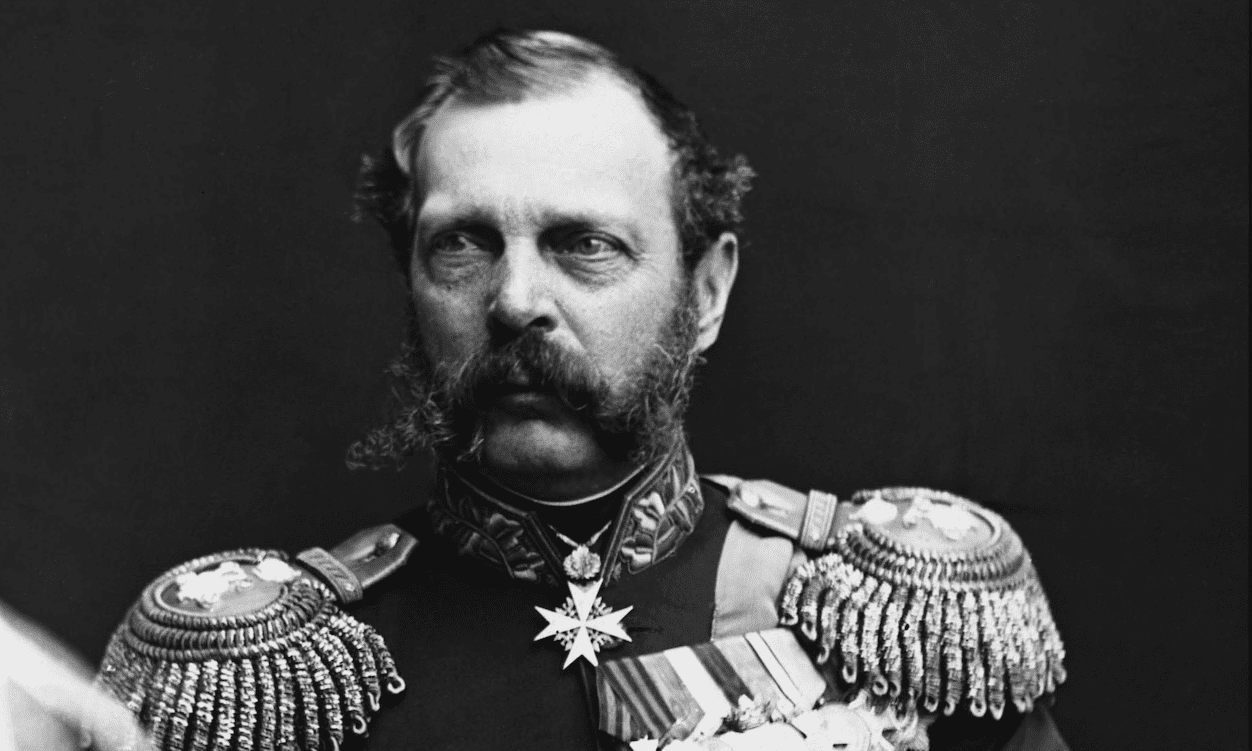
After Peter the Great, Alexander II is known to be the greatest reformer of the Russian Empire. What his rule teaches us is that historic development does not go in a straight line—usually, when a country takes two steps forward, it also takes a step back.
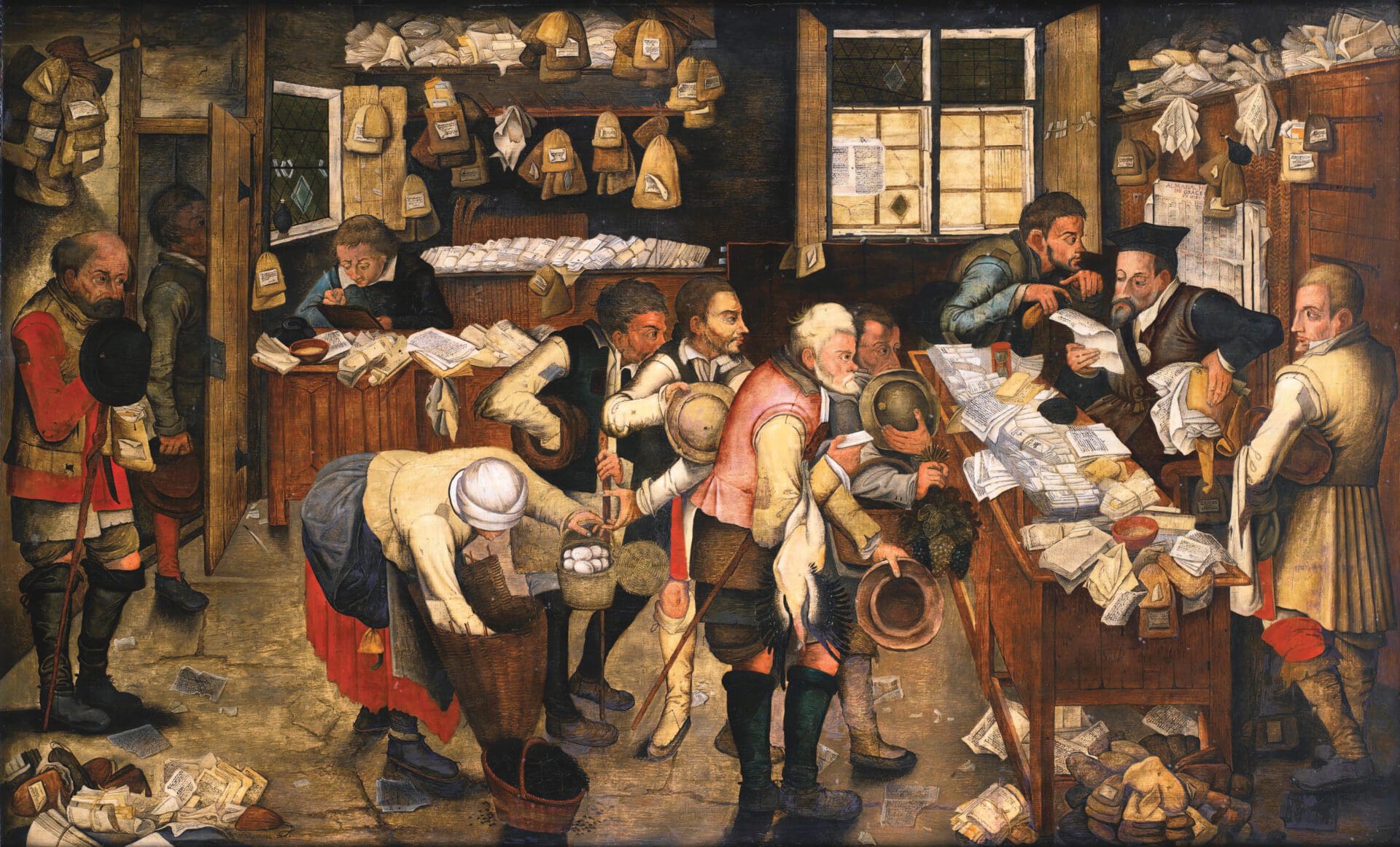
A homogeneous tax would create a certain order in the taxation of multinational corporations, but for the Visegrád countries it could be a drag on economic development. If it is accepted, the countries in question will have to find other ways of attracting foreign capital.

Some observers believe that the war offers a painful but historic opportunity for Europe to detach itself from fossil fuels more rapidly than planned, and the scarcity of energy will bring the required green shift in societal attitudes, as well as the operation of the economy.
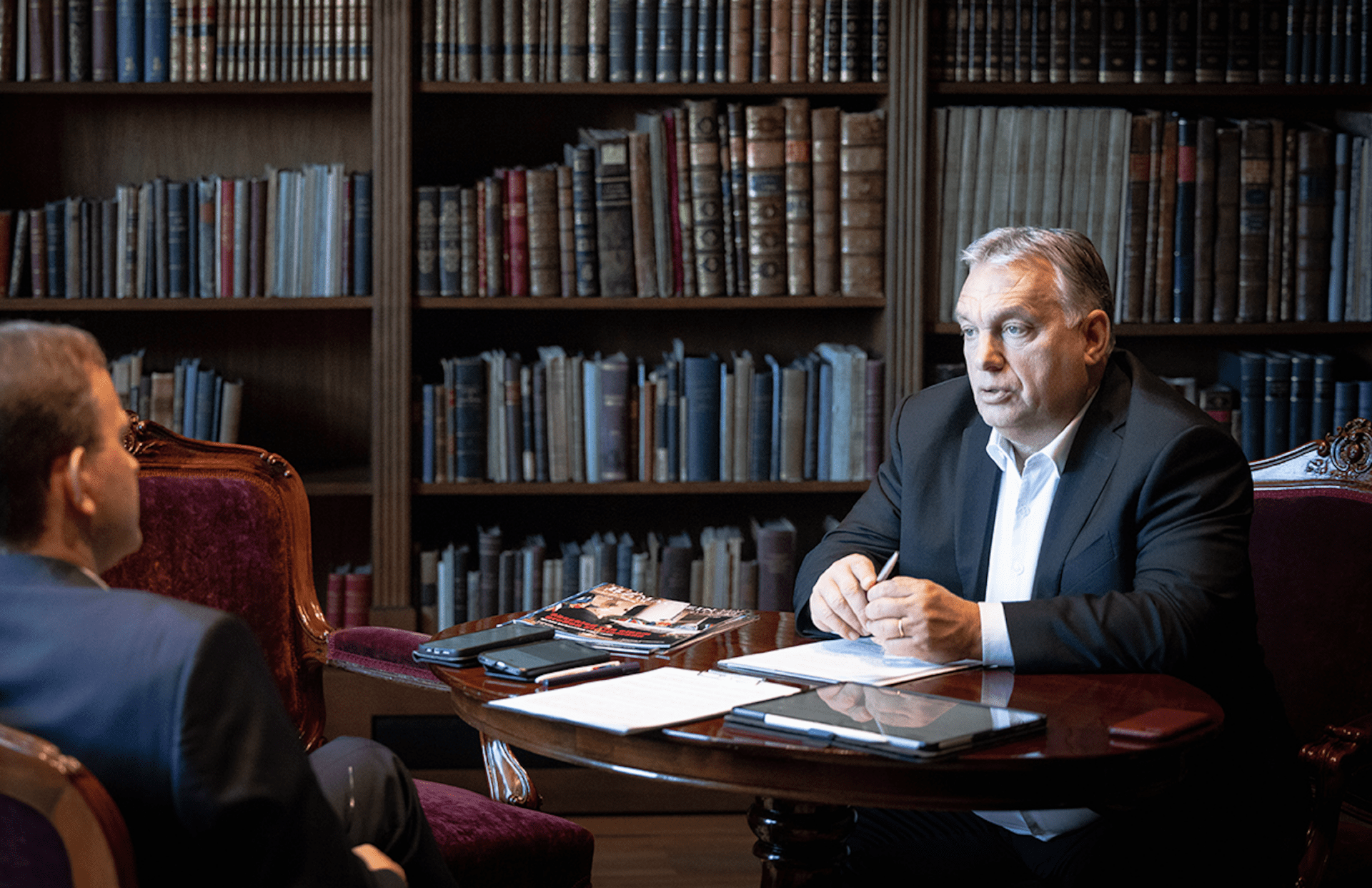
On Monday, Hungarian prime minister Viktor Orbán gave an extensive interview to Budapester Zeitung. He detailed how the government is complying with the European Commission’s requests, and how the Hungarian opposition weaponizes EU institutions.
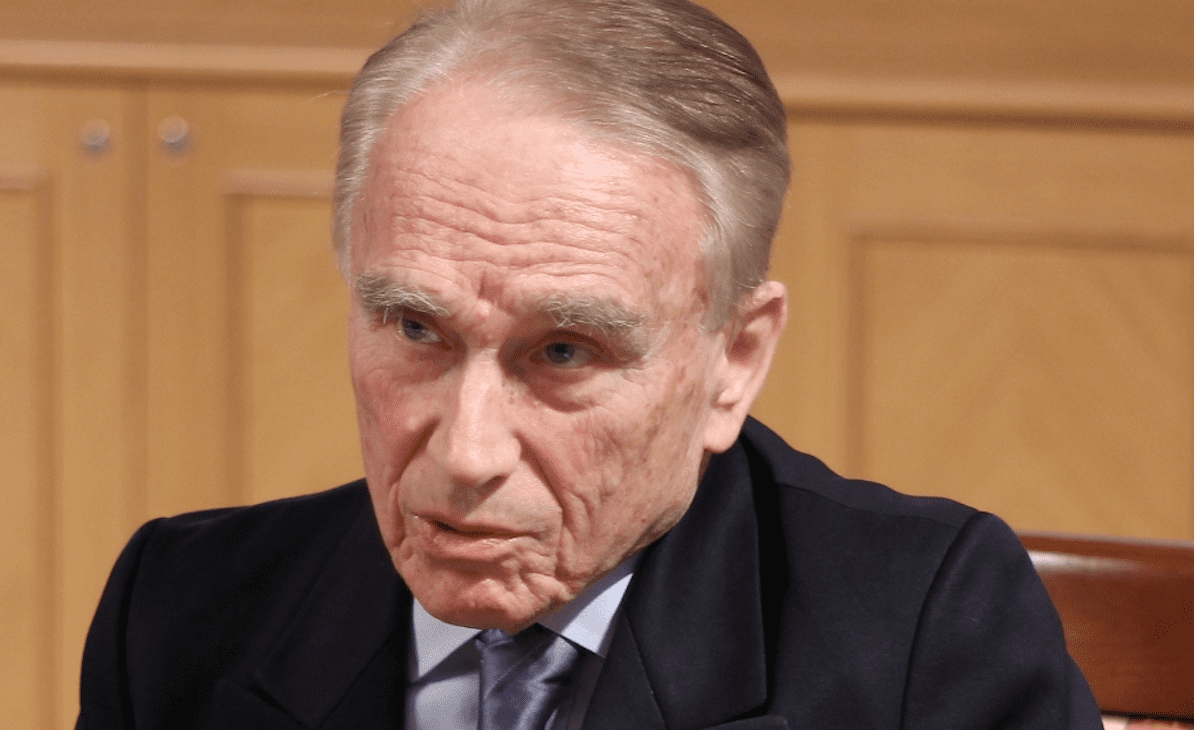
‘1956 could teach us lessons in all these areas today. And I hope that wise Hungarian politicians, and we have always had them, will search this road.’