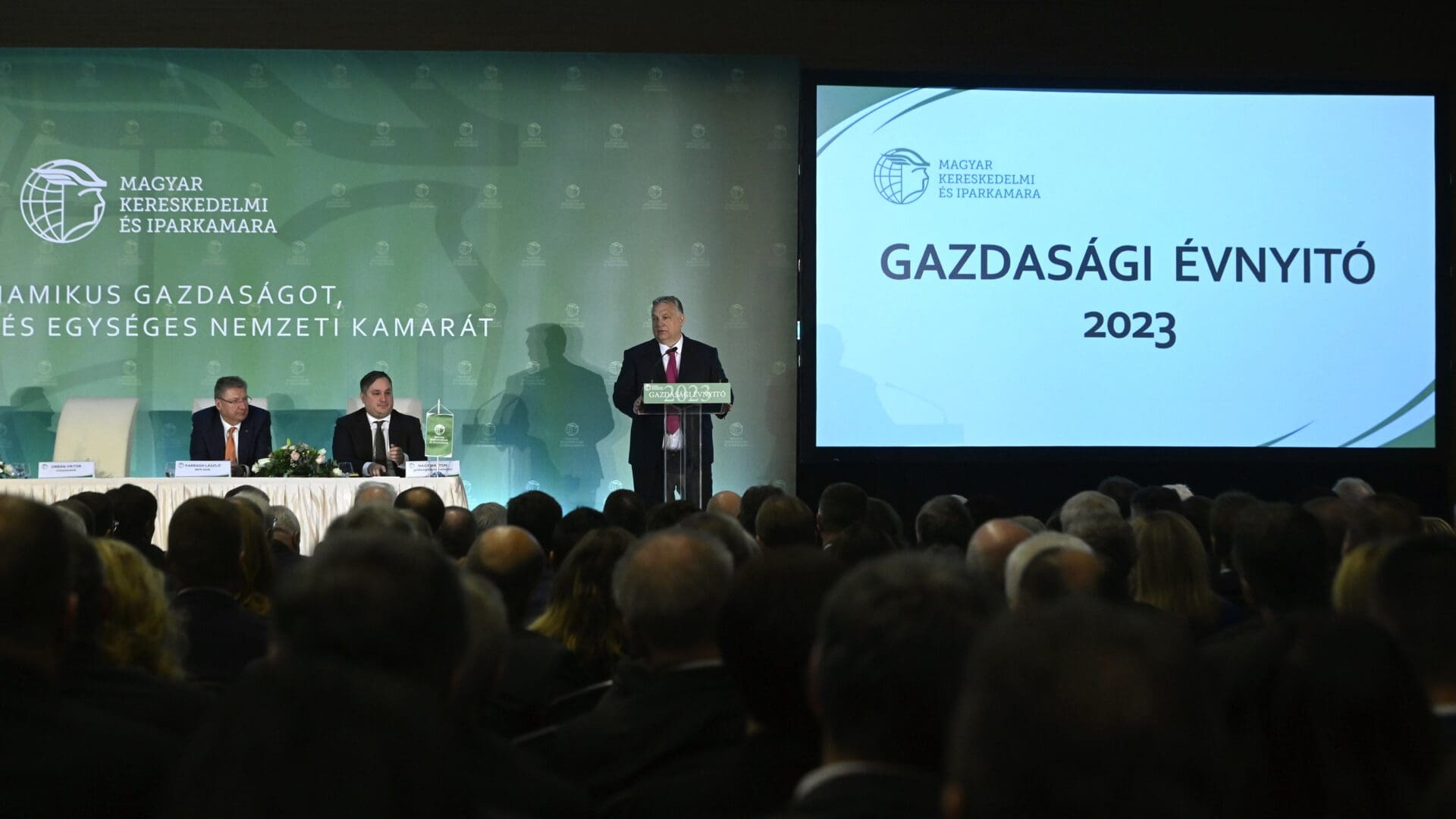
Viktor Orbán: We Need to Think Hard About the Future of Russian-Hungarian Relations
The Prime Minister said that the rebuilding of Russian-European economic relations after the war would be desirable, but it is unlikely to happen any time soon.

The Prime Minister said that the rebuilding of Russian-European economic relations after the war would be desirable, but it is unlikely to happen any time soon.
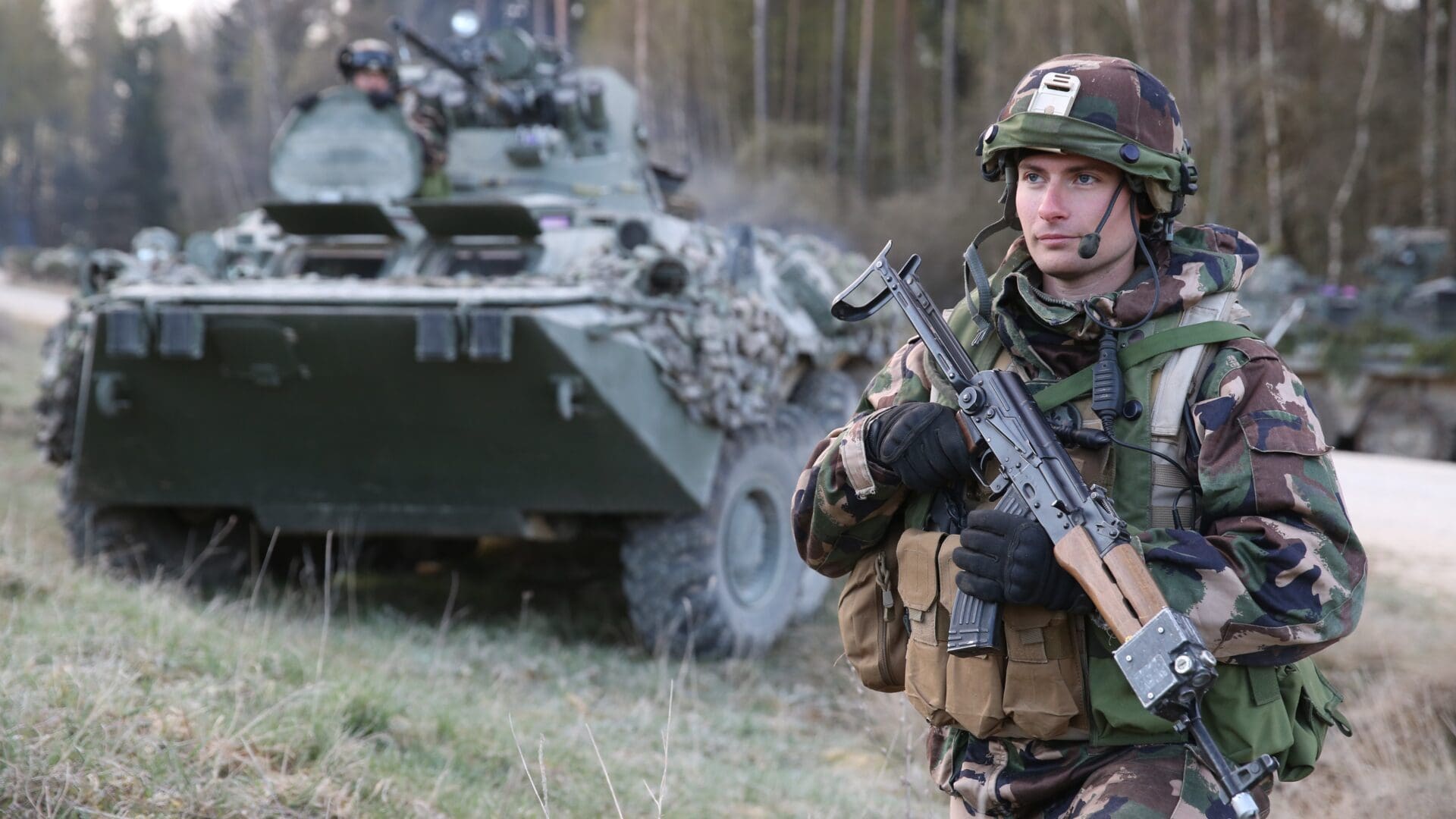
The Orbán administration has committed to spending at least two per cent of the country’s GDP on defence by the end of 2024, a commitment made in 2014 by all NATO members but something many NATO countries have not yet honoured. Hungary, in fact, is set to achieve the two per cent threshold by the end of this year, before the deadline.
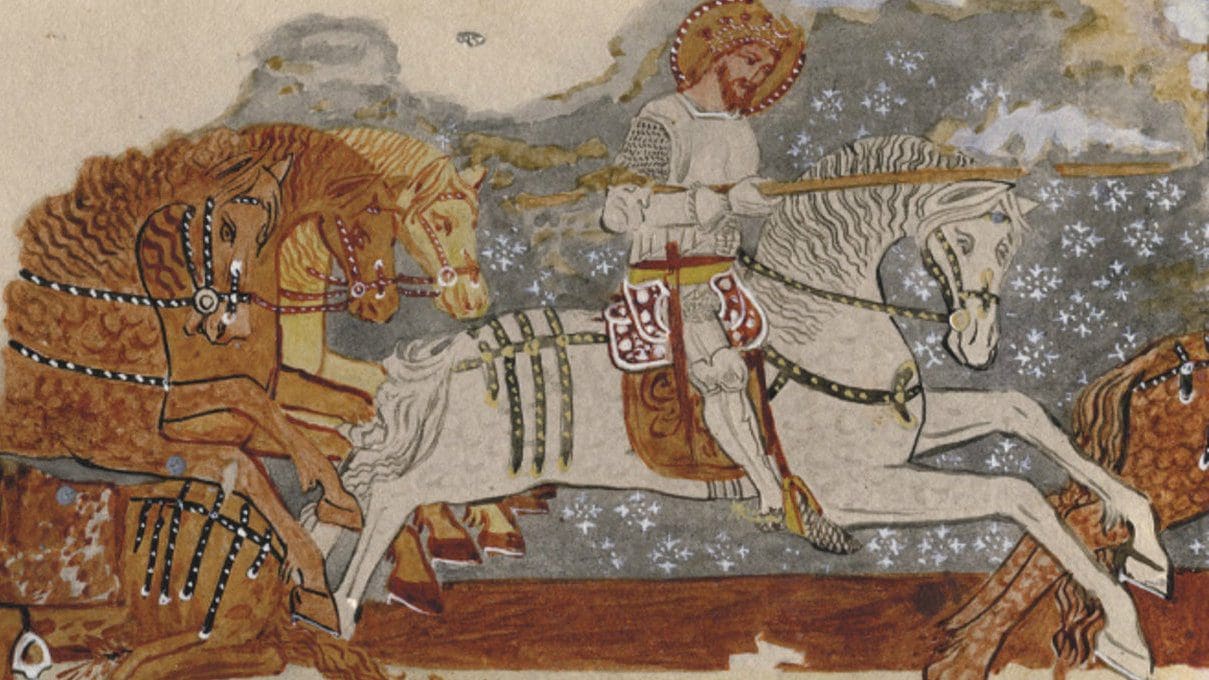
Keeping the memory of St Ladislaus alive is a common cause. As the organisers of the erection of the equestrian statue of the Holy King said in response to critical comments: ‘The legacy of St Ladislaus is above all the courageous admission of the Christian faith, which is a universal value and part of our European identity.’
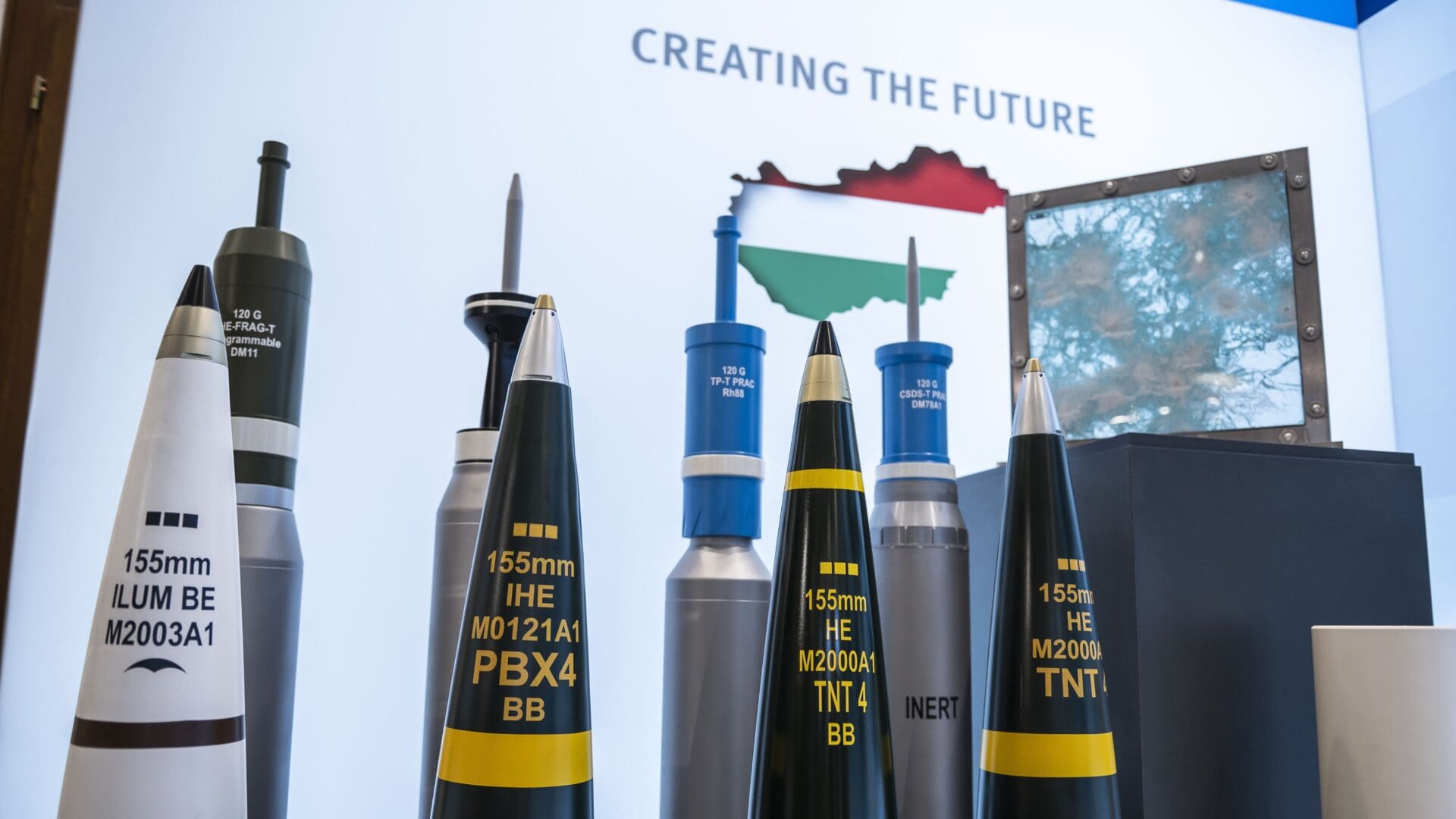
Ukraine’s hunger for ammunition is almost impossible to meet, while NATO is running low on stocks. Hungary, meanwhile, is strengthening its own military.
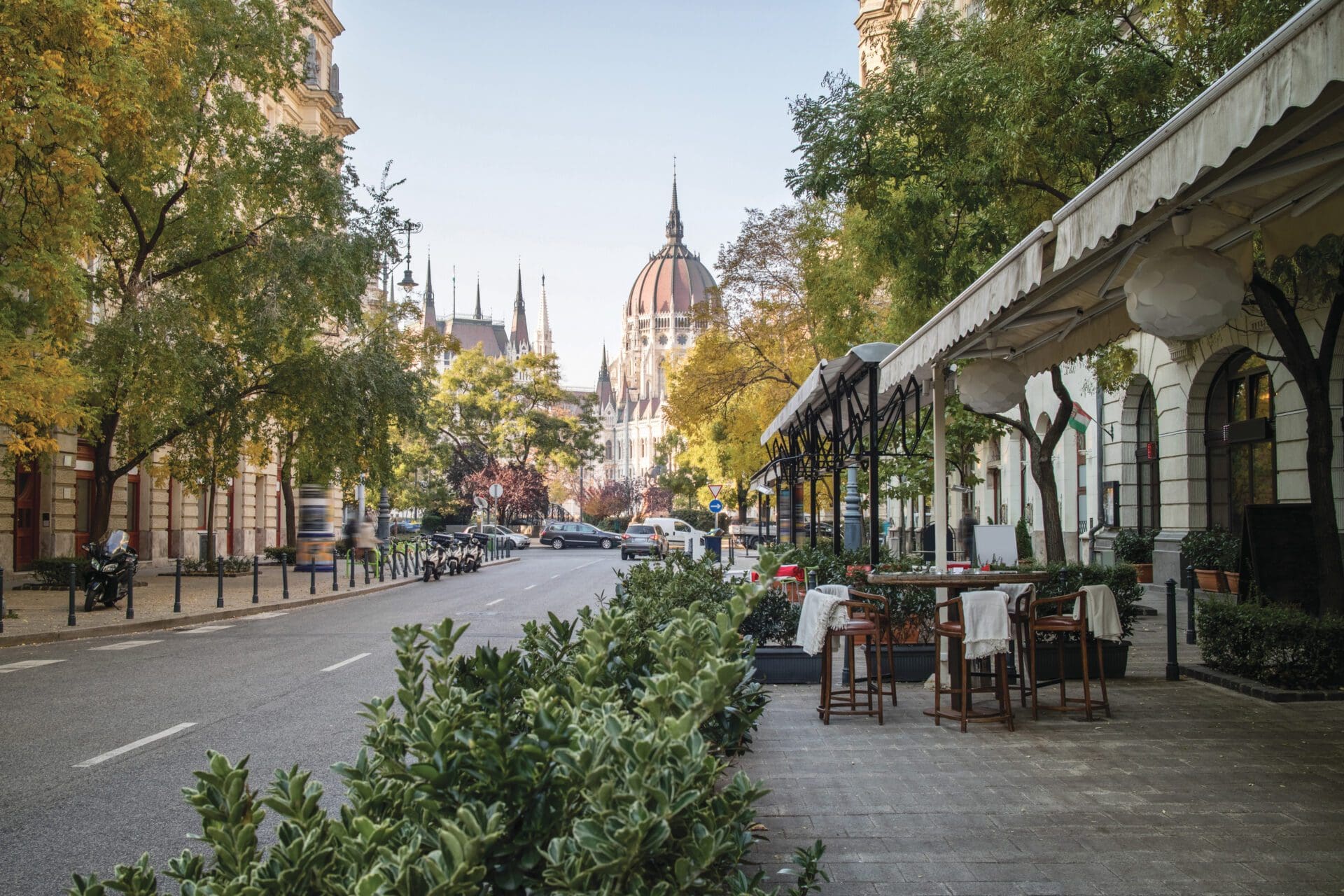
More and more French choose to emigrate to Central-Eastern European countries because they perceive them as safe and offering a better quality of life, according to a study by the Elabe Institute.
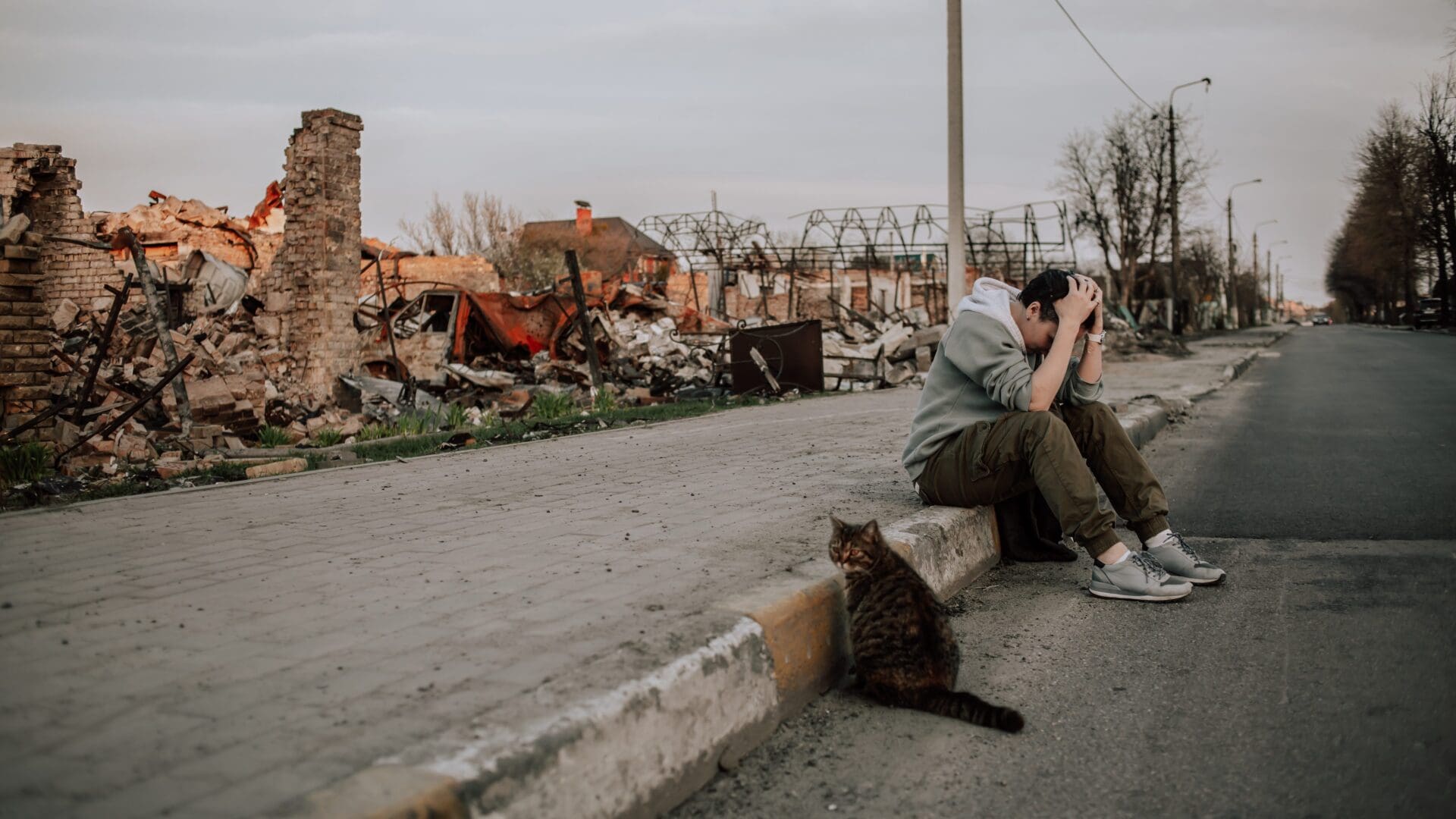
‘The significance of Western arms donations is grossly overestimated. This is not helped by a Western press that has sunk to the level of the Pravda, stifling even the slightest attempts at sober analysis and objective discussion.’
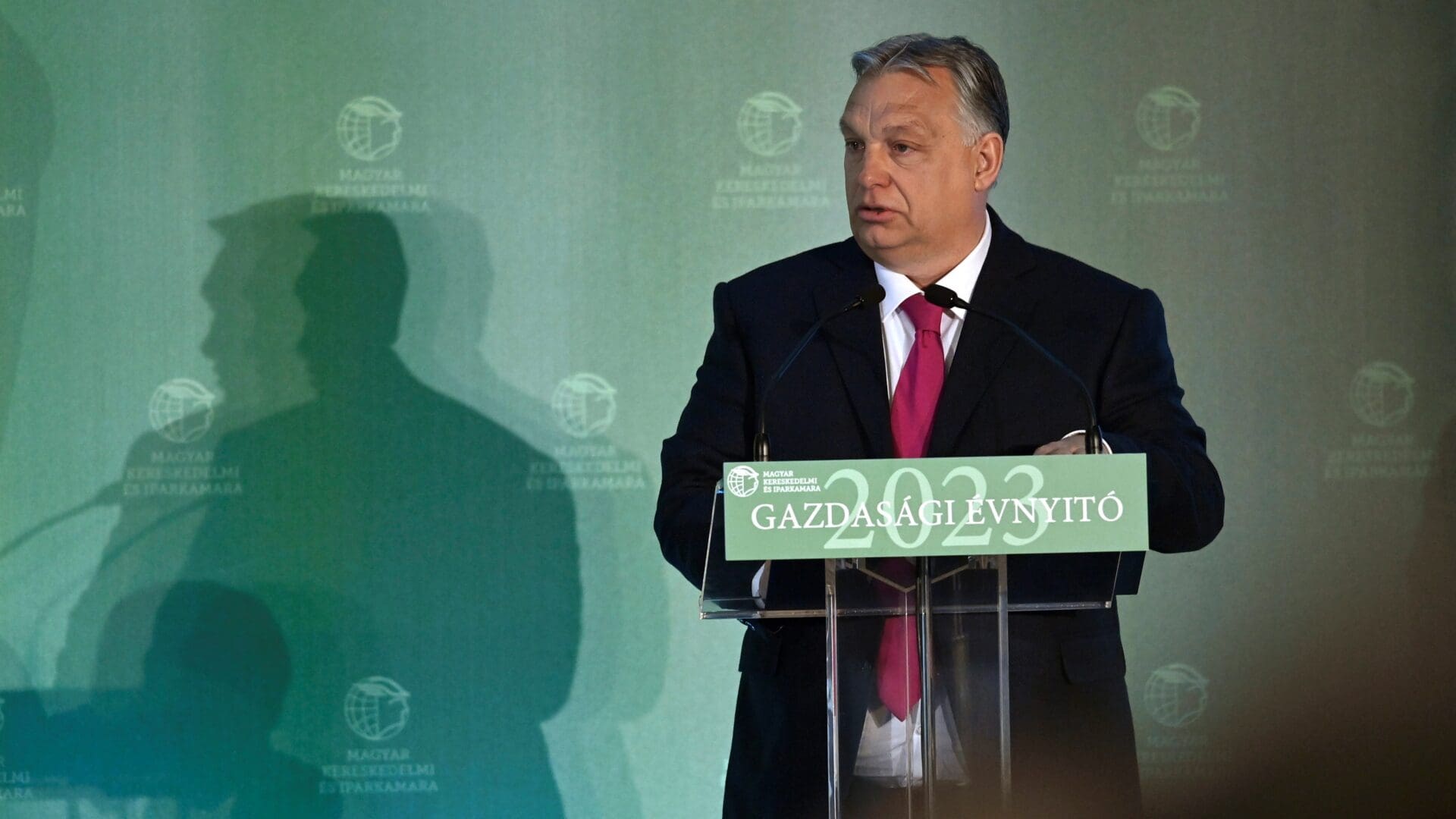
‘Hungary must be a country that can have Hungarians do all the work that needs to be done in this country. If it’s uncomfortable or difficult, we need to pay more for it. If we have exhausted all of these options, then we can talk about guest workers. They can stay for a definite period, and their employment can be terminated if necessary, otherwise, we will lose our security,’ Viktor Orbán underlined.
‘Hungary’s political leadership is strong enough to keep our country out of the war. I say this in all humility, but also with confidence,’ the Prime Minister declared.
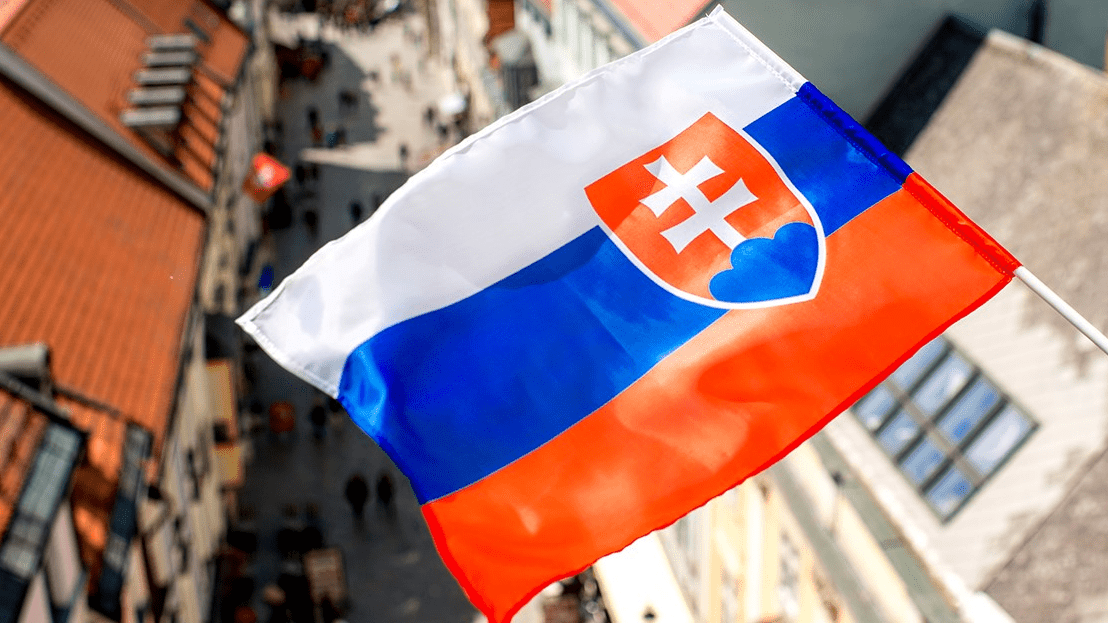
‘Slovakia has turned thirty years old. Whether the past three decades can be considered a success story remains an open question. The Slovak nation achieved the independence it had always wanted.’
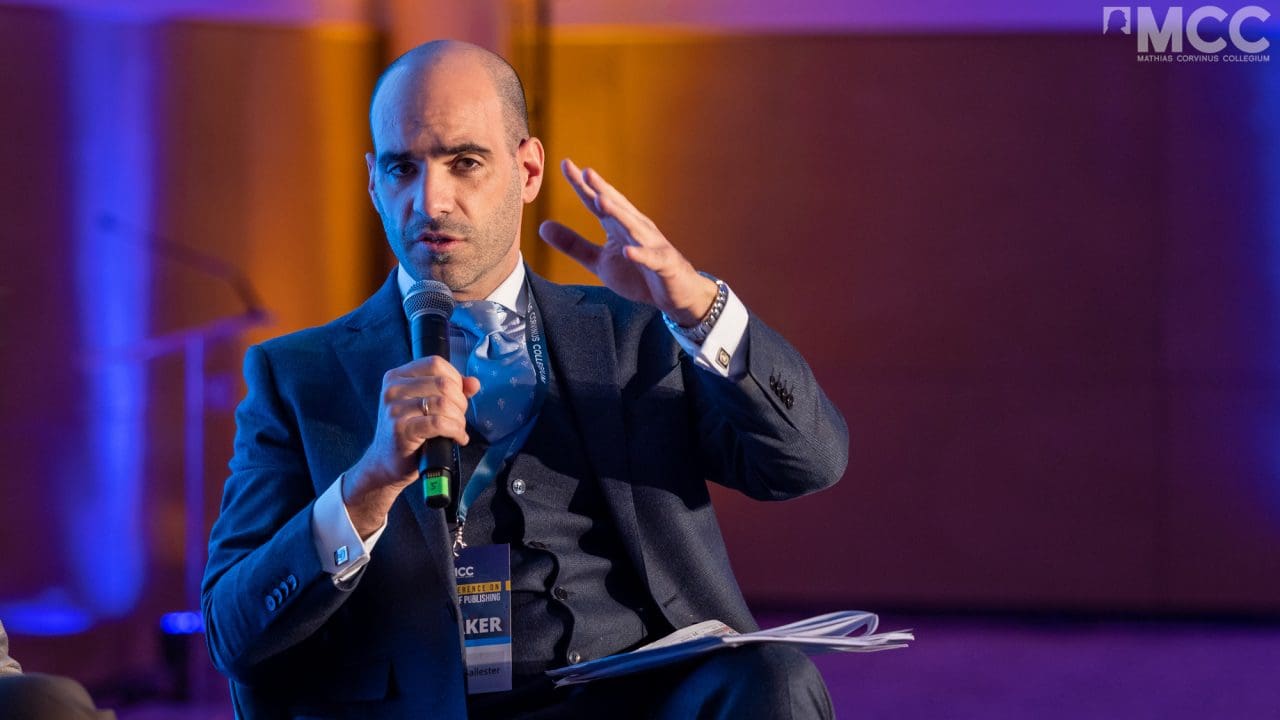
Rodrigo Ballester of MCC Budapest warns that we should expect even stronger pressure on gender issues from the EU in the near future. This case underscores the importance of paying close attention to the fine print of EU contracts, as seemingly minor details can have significant impacts on the allocation of funds.