Illegal Immigration Escalates with Weapons on the Serbian Border

Groups of 140–180 individuals have been attempting to cross the border fence using ladders in the areas of Ásotthalom and Mórahalom, with human traffickers waiting on the Hungarian side, ready to move those who manage to cross towards the West. ‘The police and border patrol units are engaged in proper combat,’ according to the PM’s Chief Security Advisor György Bakondi.

The Mystery of the Year 1000: The Birth of Central Europe

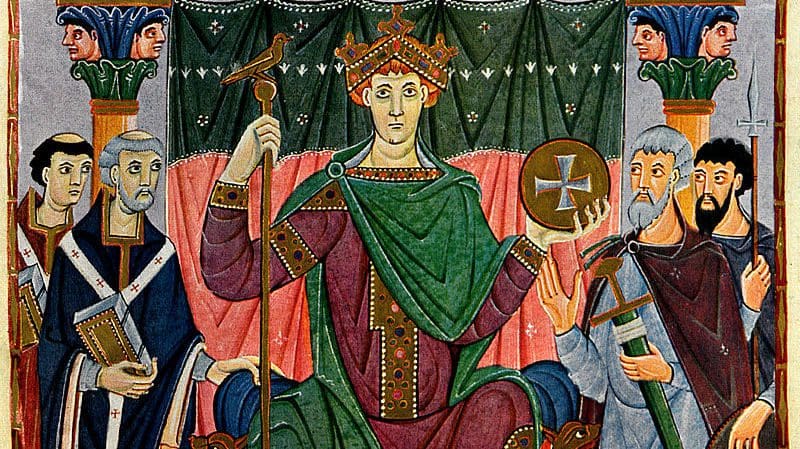
The year 1000 is not only memorable for Hungarians: at the turn of the first millennium, unexpected events took place in the whole of Europe, including on the fringes of the continent barely touched by Latin Christianity, in Poland and Hungary, where Christian conversion had been going on for years.

Debunking the Pro-abortion Narrative from a Secular Perspective

We have heard time and again the phrase ‘trust the science’ during the COVID-19 pandemic, so it is time for pro-life people to prove what science really means. It is indispensable that we who want to see an end to the carnage arm ourselves with the toolkit of science and logic, but without using manipulative techniques.  

The statue of Bálint Balassi in Kodály Körönd, Budapest.

The Life of Bálint Balassi, a Classic Figure in Hungarian Poetry

Baron Bálint Balassi de Kékkő et Gyarmat is celebrated as the pioneer of Hungarian romantic poetry, a valiant soldier, a daring lover and an accomplished polyglot. His life and achievements embody the true spirit of the Renaissance, and read like a tale of romance, valour, and fighting spirit.

The Ukrainian Puzzle—A Review of Áron Máthé’s New Book

‘The Ukrainian Puzzle: Hungary’s Perspective on a Changing Neighbour’ is a book that intends to present the Hungarian perspective on Ukraine to the Ukrainian and international public, arguing that this perspective has not changed ever since the two countries established diplomatic relations in 1991. While it is hard to disagree with the main idea of the book, the methodology employed to convey it leaves something to be desired.

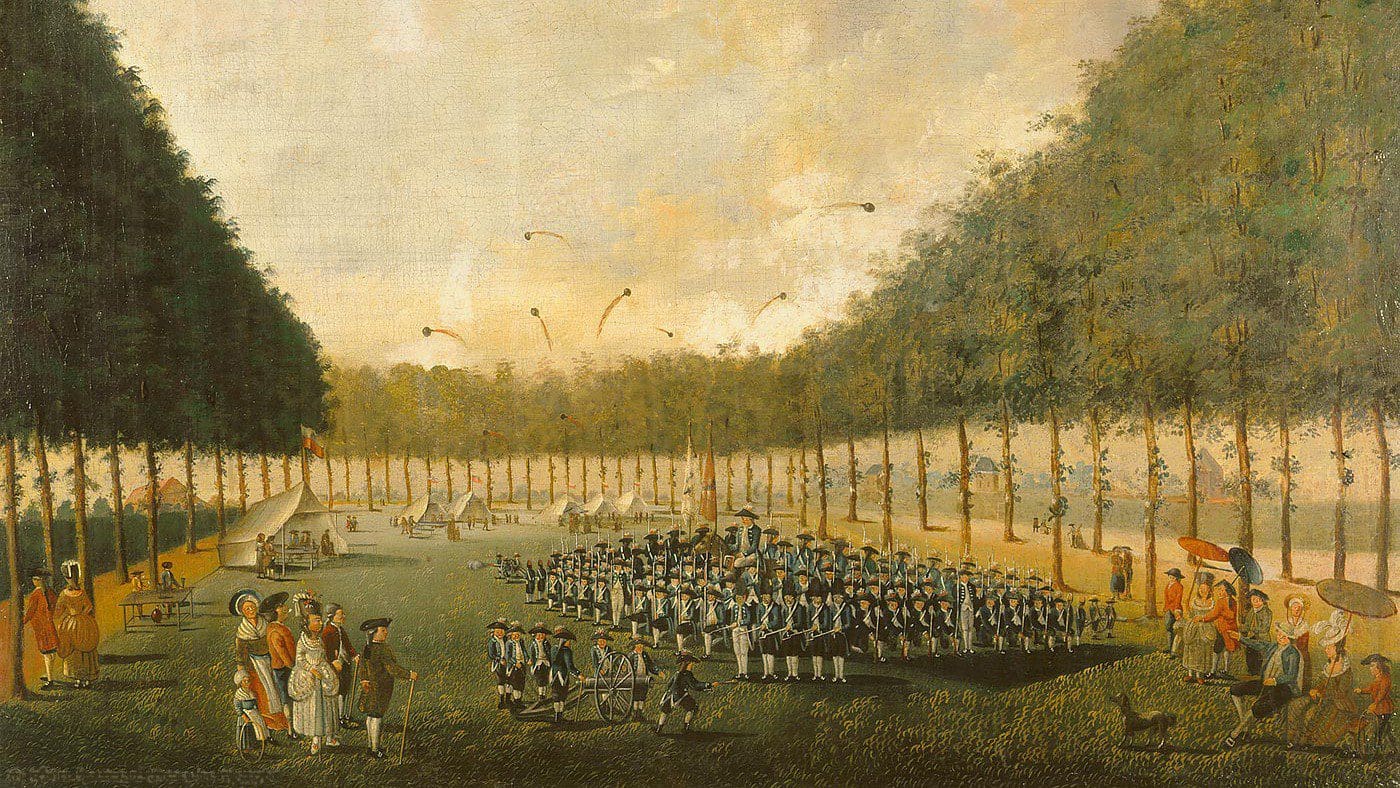
Exercise of the Pro Patria et Libertate workout society in Utrecht, the Netherlands.

Some Historical and Civilisational Arguments Against the Federalisation of the EU

It could be rightly expected that the interpretation of law in the EU be guided by the foundations of European civilisation, namely morality embedded in Judeo-Christian culture. This morality is summed up in the Cain–Abel paradigm, which can inform the understanding of European justice systems when deciding how European laws should be applied or modified in the interest of Europe.