The EU’s Rule of Law Trilemma Grips the Entire Continent
‘The rule of law’s conceptional imperfection makes it a perfect weapon, horribile dictu, a substantive lawfare.’

‘The rule of law’s conceptional imperfection makes it a perfect weapon, horribile dictu, a substantive lawfare.’

‘I firmly believe the EU is in dire need of a rule of law instrument but this instrument should be turned upside down. It should guarantee that the principle of rule of law developed and applied in Member States is similarly implemented in the activities of EU institutions.’

During the reign of King Stephen, the political aspect of the King’s devotion to Mary was only secondary and could be seen much more as the individual devotion of a fervent Christian believer to Mary. However, posterity took a different path and gave it national importance, being the basis for the Regnum Marianum idea of the 18th century.
According to Hungarian Finance Minister Mihály Varga, Hungary has received an additional HUF 184 billion from previously frozen EU funds. Varga pointed out that these funds serve as an ex-post contribution to the wage increases for teachers and kindergarten teachers, which were pre-financed from the budget.
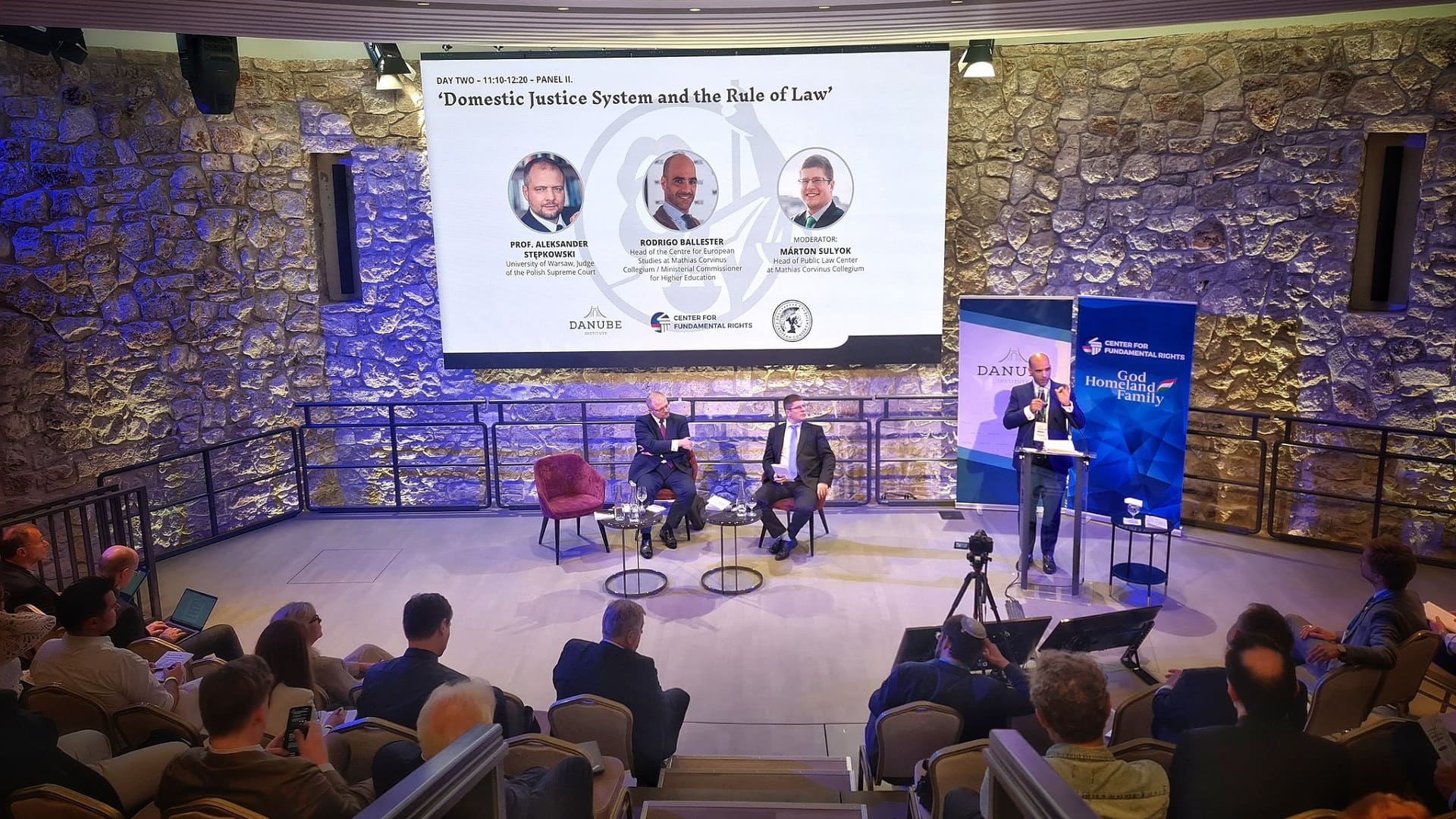
Day 2 of the Rule of Law as Lawfare Conference featured speeches by István Stumpf, a former justice on the Constitutional Court of Hungary, Aleksander Stępkowski, Supreme Court of Poland justice, and Dr Reinhard Merkel, law professor at Universität Hamburg.
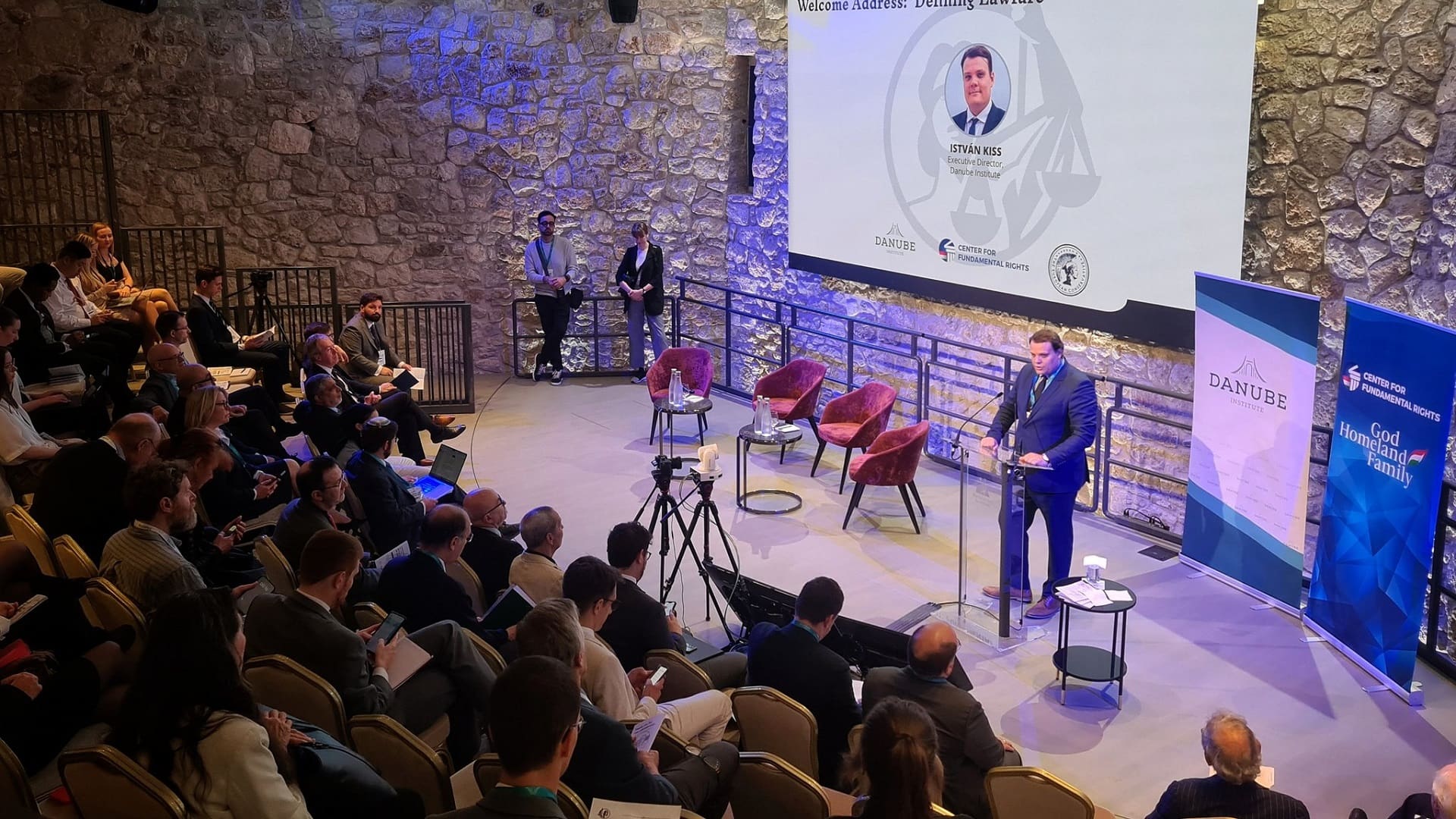
On the first day of the Rule of Law as Lawfare Conference experts such as Minister of European Union Affairs János Bóka of Hungary and MEP Ryszard Legutko of Poland discussed how the legal concept of the rule of law has been turned into a political weapon by EU bodies, and analysed the double standards applied to different Member States with rule of law assessment procedures.
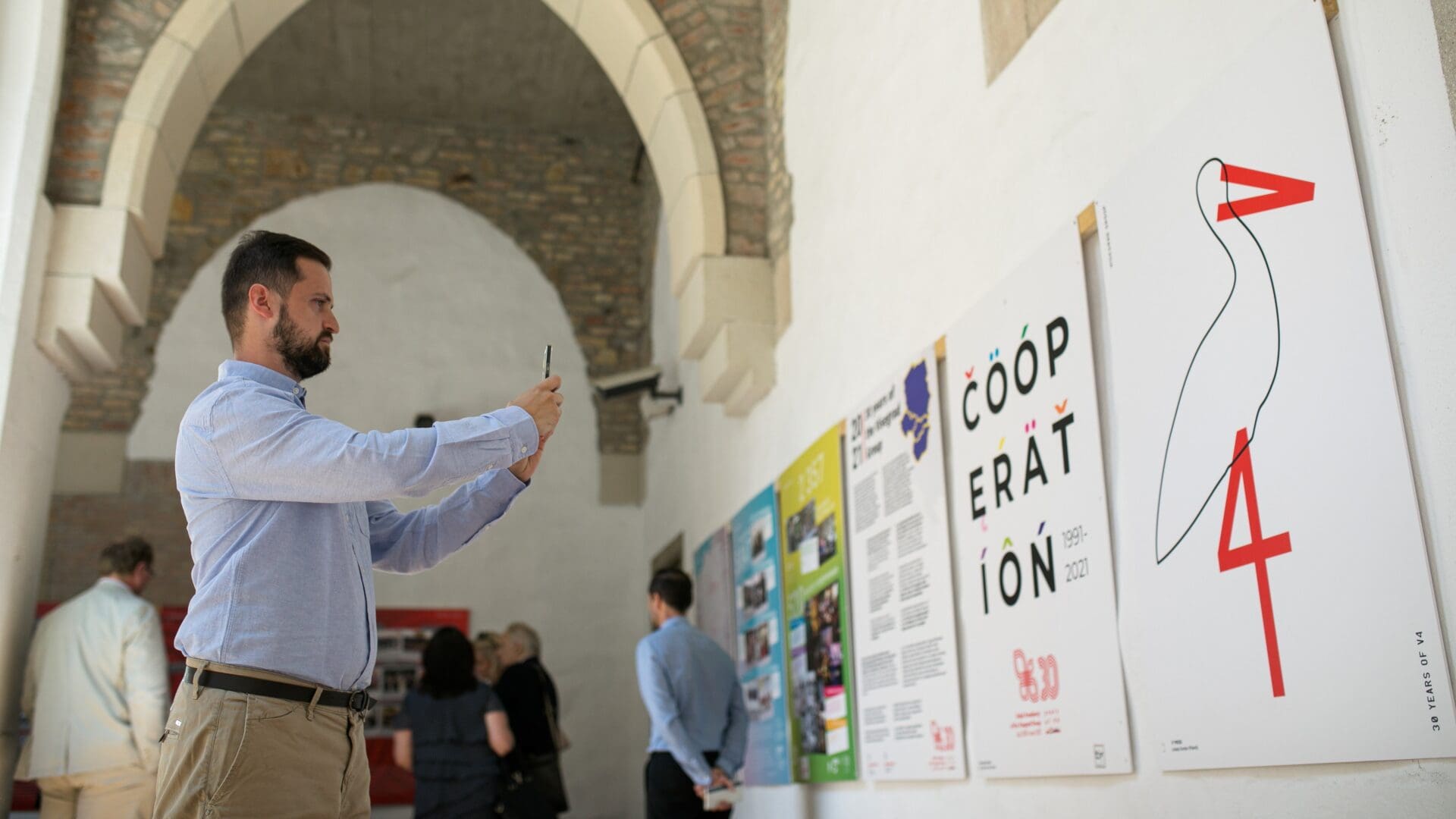
On Thursday, 23 May the Warsaw Institute of Poland organized an online panel discussion on the future of the Visegrad Group, focusing on issues such as the Russo-Ukrainian war and the EU integration of the West Balkans.
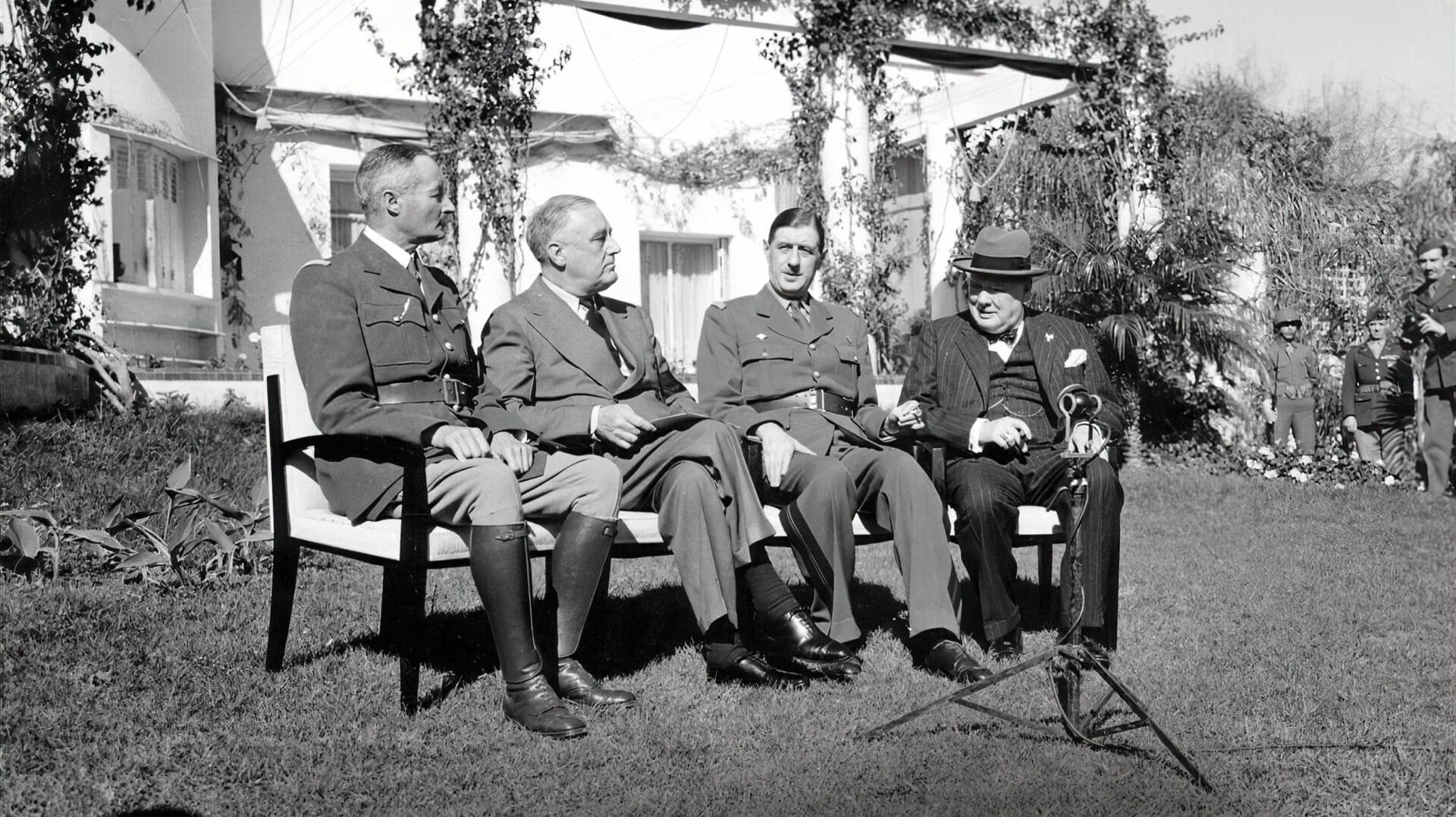
‘If we are looking for a more idealistic, right-wing conservative solution to the puzzle, we have to question the current form of the EU as it is. It may be appealing to the economic right, but it contains very little for the social right. This would mean either a radical restructuring of the EU to align towards more of these values or its reduction to a mere economic cooperation platform.’
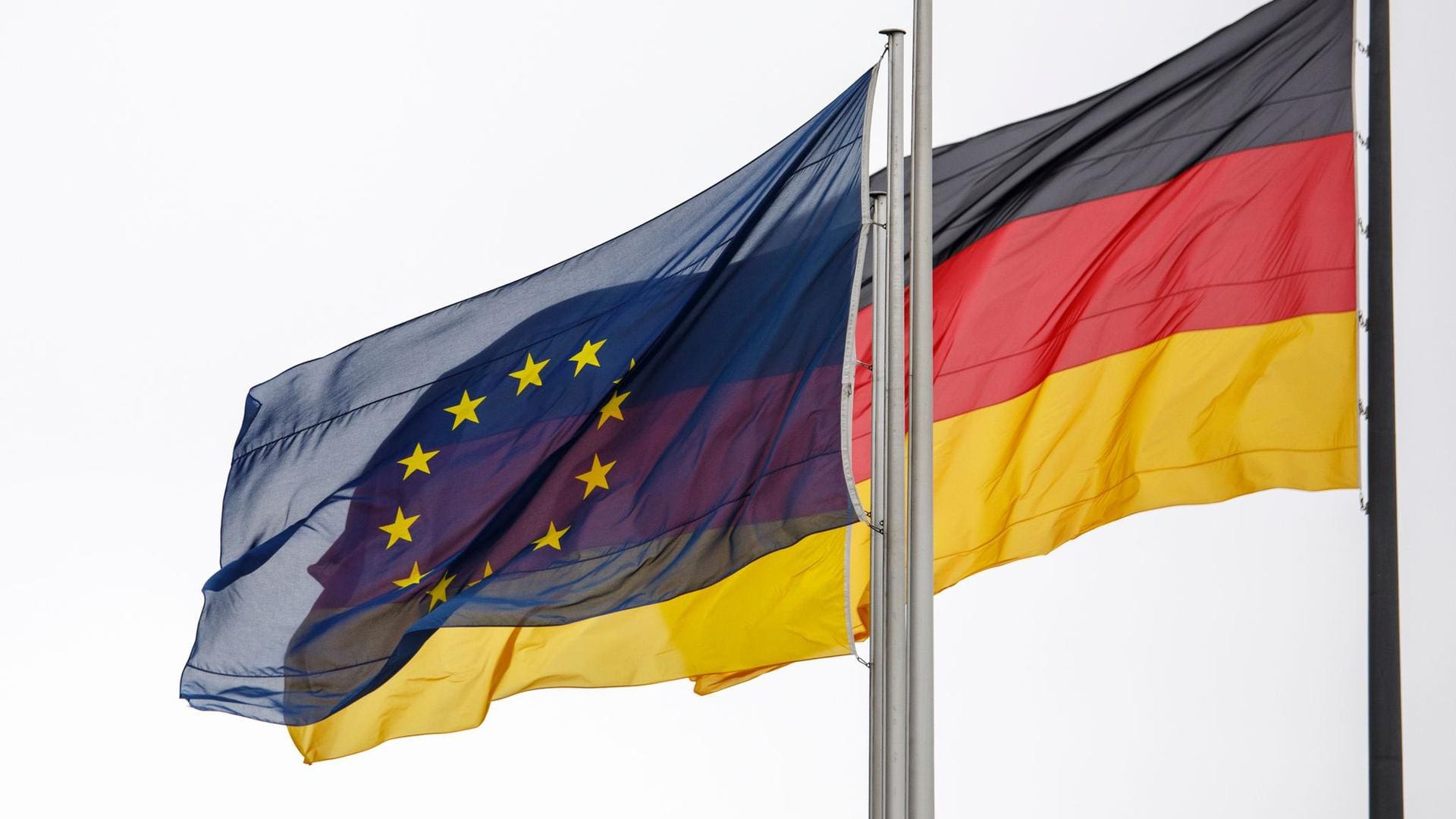
‘Germany’s slow and opaque stance on helping Ukraine in its war against the Russian invasion can also be seen as reactive rather than proactive…One reason for Germany’s caution is of course a certain degree of self-consciousness—the country that produced Nazism wants to be seen as kind and respectful, not powerful or dominant. Yet all others know that it is indeed powerful, and interpret even Germany’s silence.’

The contrast between the brilliant achievements of King Matthias Corvinus of Hungary and the inertia of the kingdom of the Jagiellonians is almost a cliché in Hungarian history. To this day, many seek the causes of the 1526 Mohács tragedy in the damaging reign of the weak Jagiellonians. However, more recent Hungarian and international historical research has taken a much more positive view of the Dynasty’s performance.