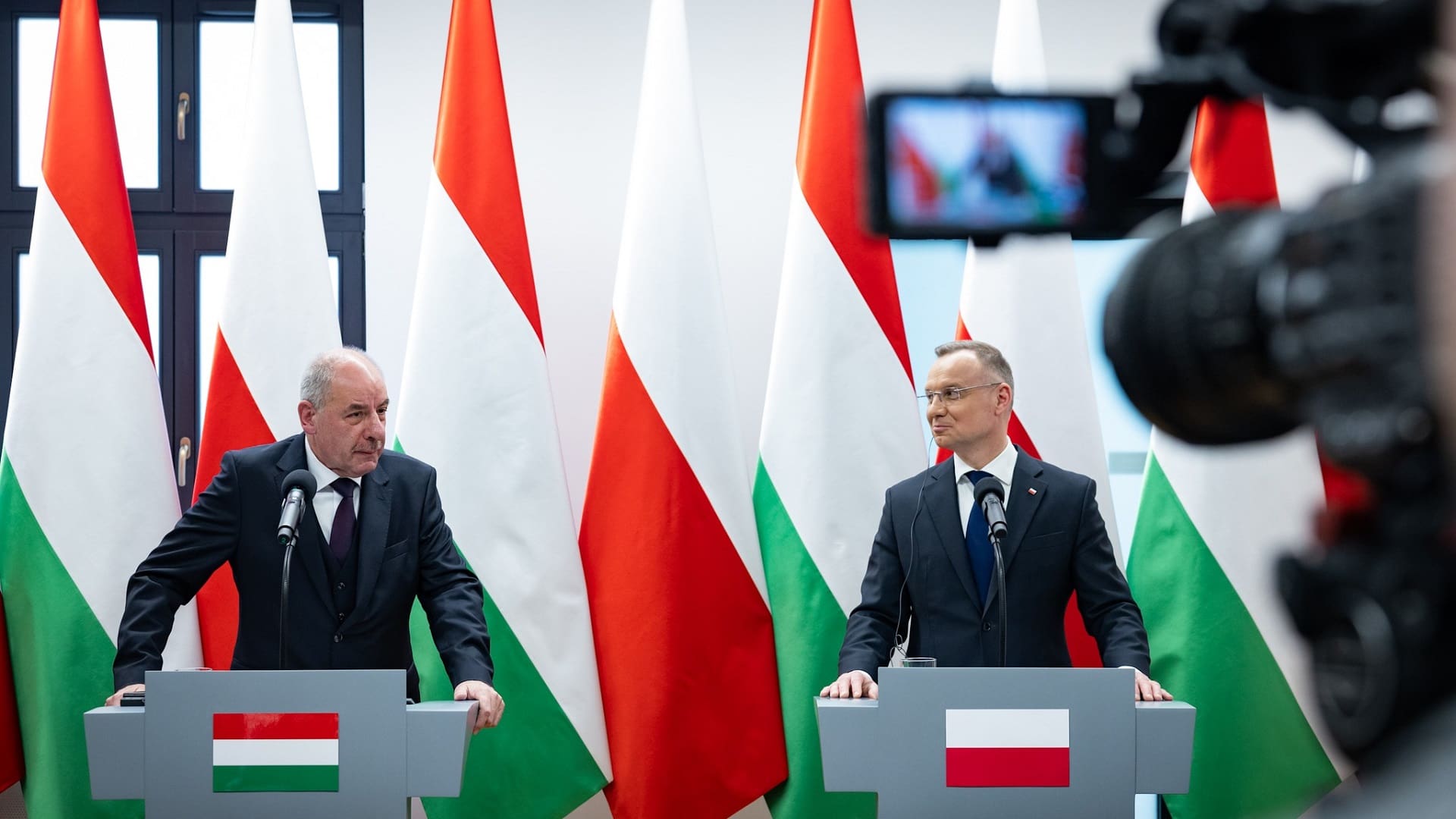
Newly Inaugurated President of Hungary Makes First Diplomatic Visit to Poland
Tamás Sulyok visited Poland on the Day of Polish–Hungarian Friendship, marking the extraordinary and long-standing relationship between the two Central European nations.

Tamás Sulyok visited Poland on the Day of Polish–Hungarian Friendship, marking the extraordinary and long-standing relationship between the two Central European nations.
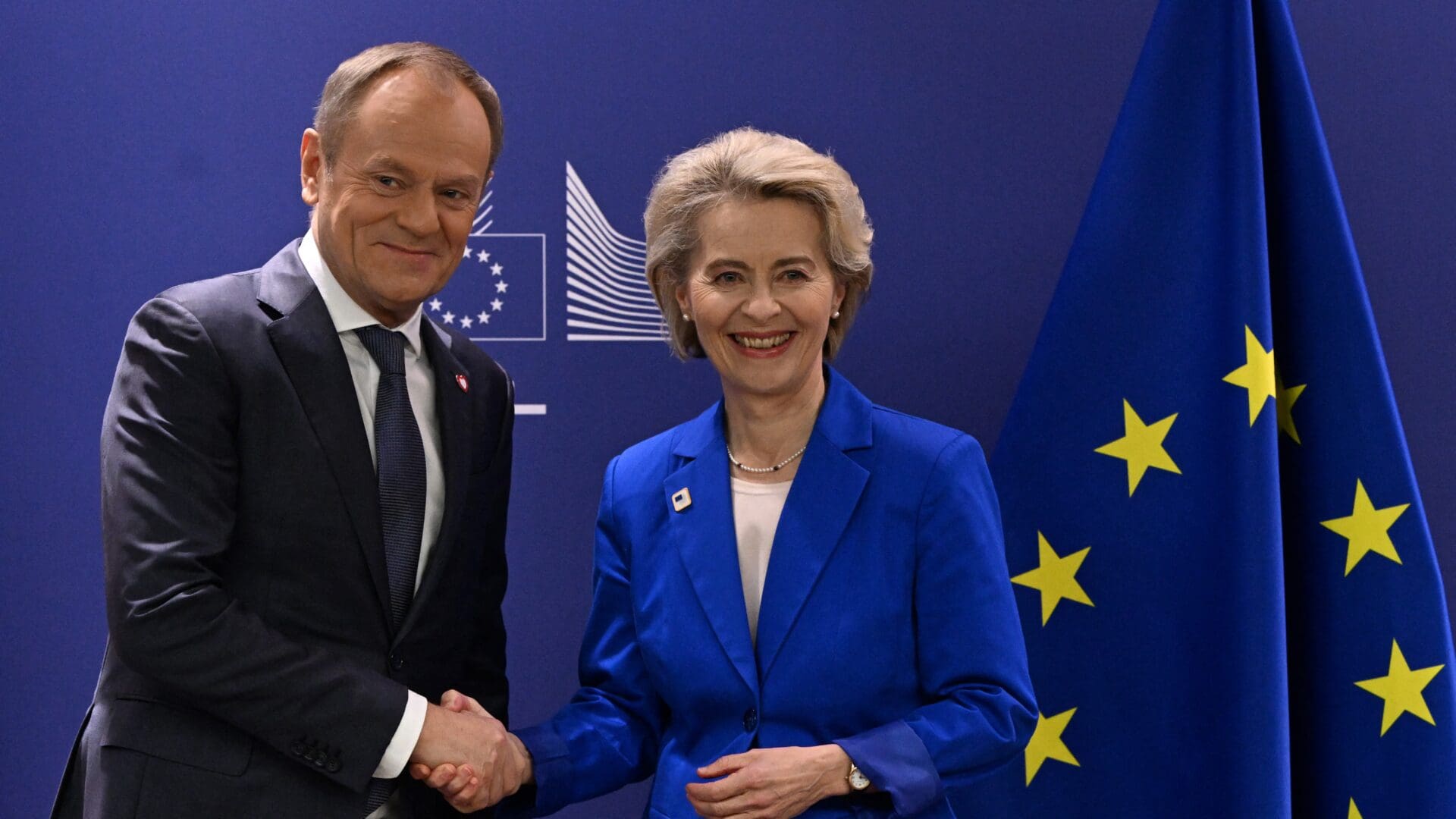
Despite the attack on public media and the political imprisonment of former government members, the Polish government led by Donald Tusk could soon gain access to some of the EU funds that were frozen due to concerns about the rule of law.
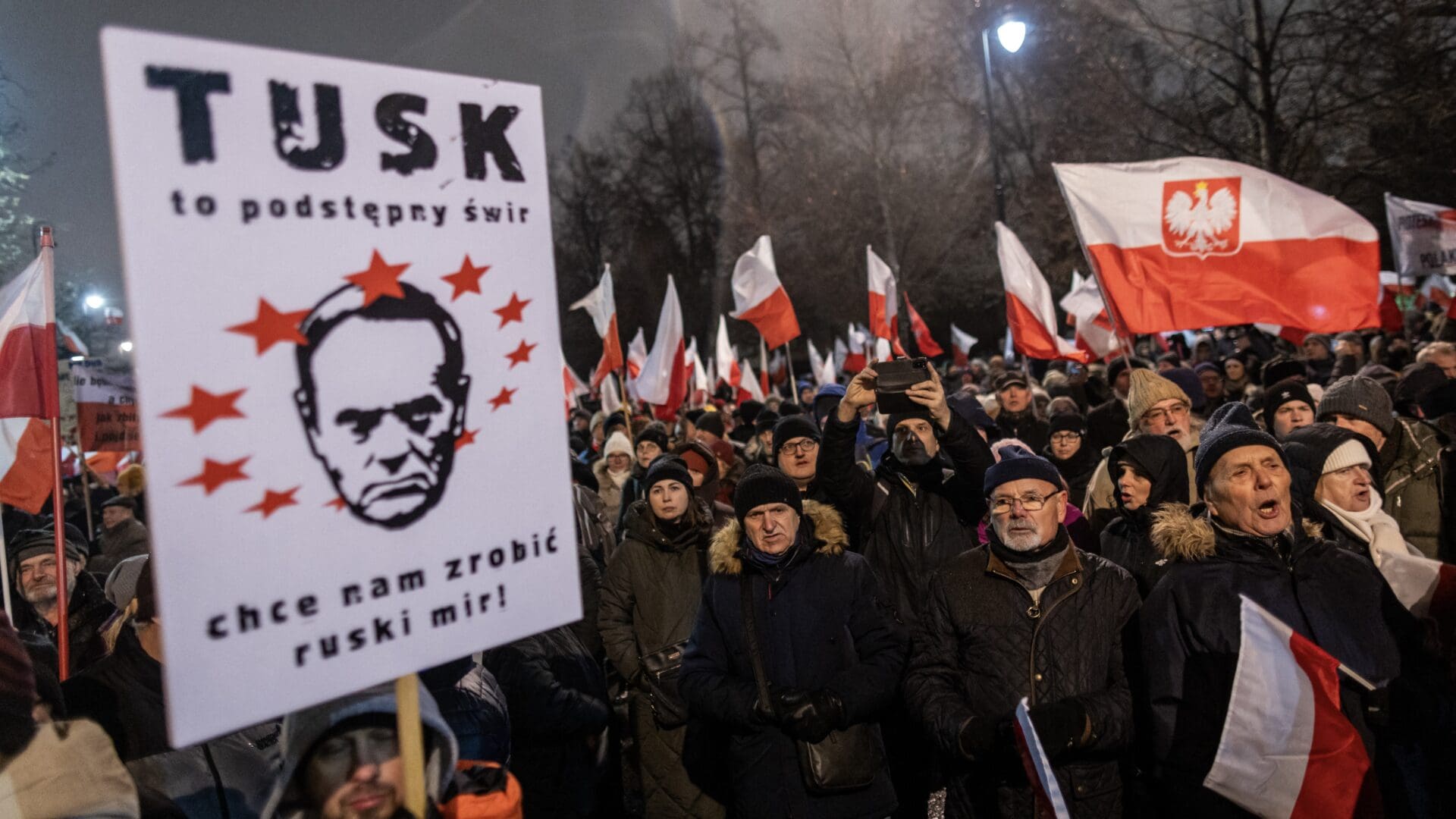
After Poland’s left-wing government launched an overt campaign against the country’s public media, Spanish Socialist Prime Minister Pedro Sánchez is attempting to ban opposition journalists from parliament. The left’s attacks on critical right-wing voices are intensifying, and the Hungarian opposition would certainly not shy away from emulating the Spanish and Polish examples.

The 76-year-old former Oscar nominee lauded the Eastern European countries for protecting their borders and actually enforcing their immigration laws, unlike his country of the US.
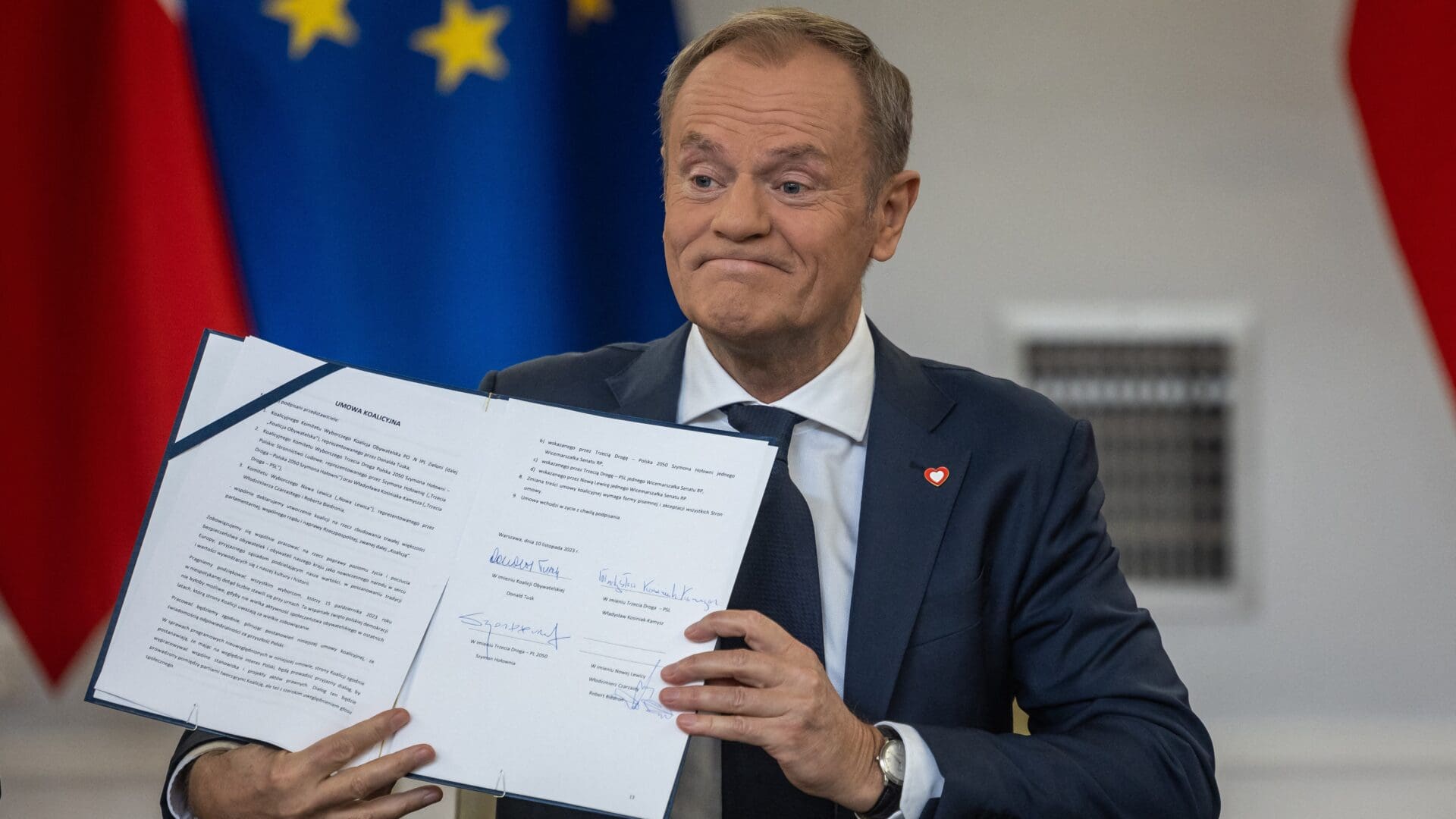
The new Polish government is quite likely to not be able to deliver on many of its crucial election promises, which may create legitimacy problems. And this is far from being the only difficulty: if the new government is unable to change the laws that led the EU to launch the Article 7 and the so-called rule of law proceedings against Poland, there may be serious economic consequences for the country.
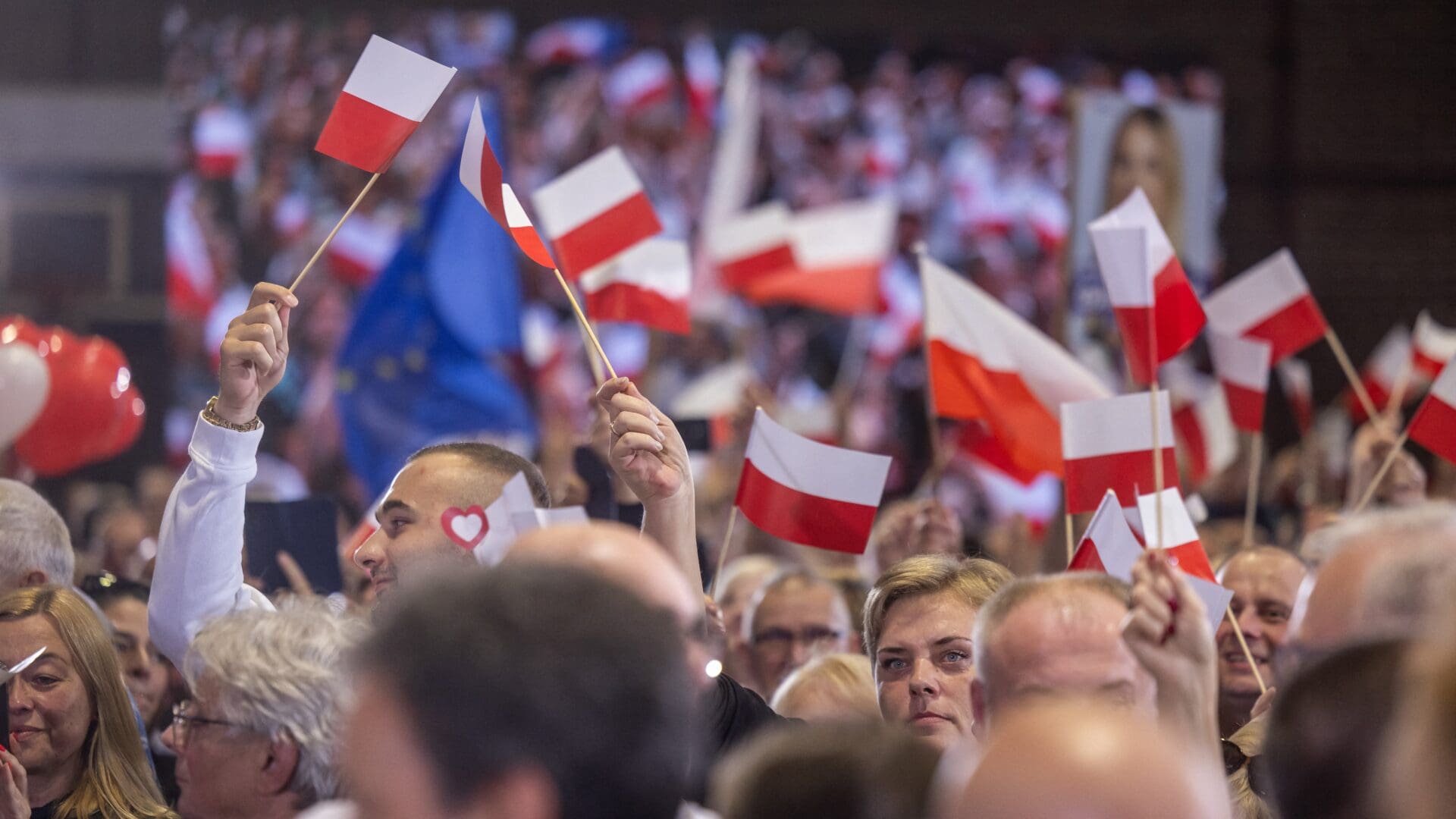
‘The effective exploitation of the sentiments of disappointment and hatred towards those in power and the embarrassment of parochial Polishness in opposition to an enlightened Europe triggered an incredible effect in the form of votes from young voters. Young voters most of whom, despite their youthful ideological fervour, do not recall the consequences of the rule of the opposition parties, especially the left-wing one, which they once again helped enter parliament.’
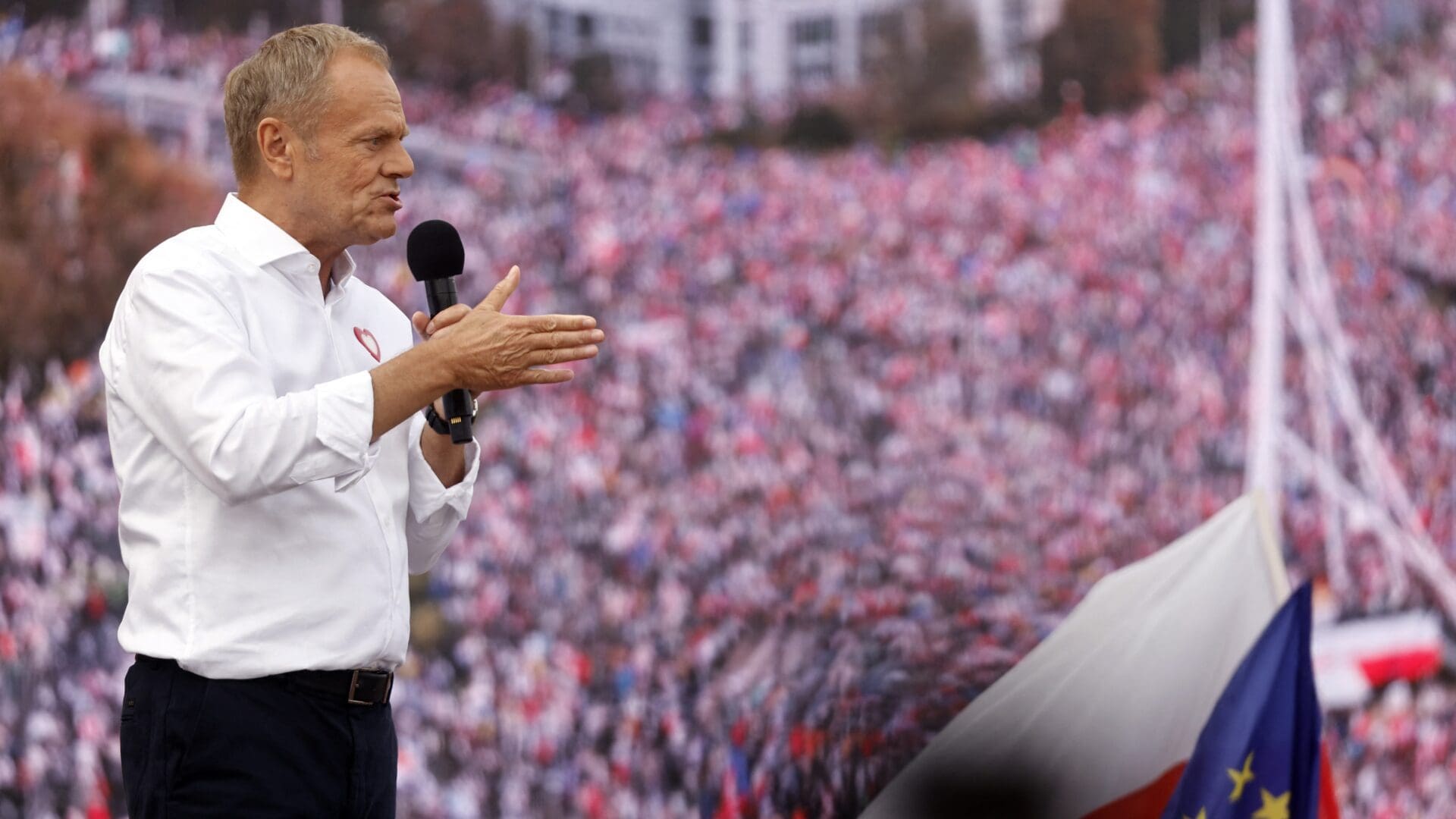
While Prime Minister Morawiecki stated at PiS’s last congress before the 15 October elections in Katowice that Polish voters would in less than two weeks decide whether Poland becomes a ‘European land, a European province,’ or remains a sovereign country, a large opposition rally was held in Warsaw.
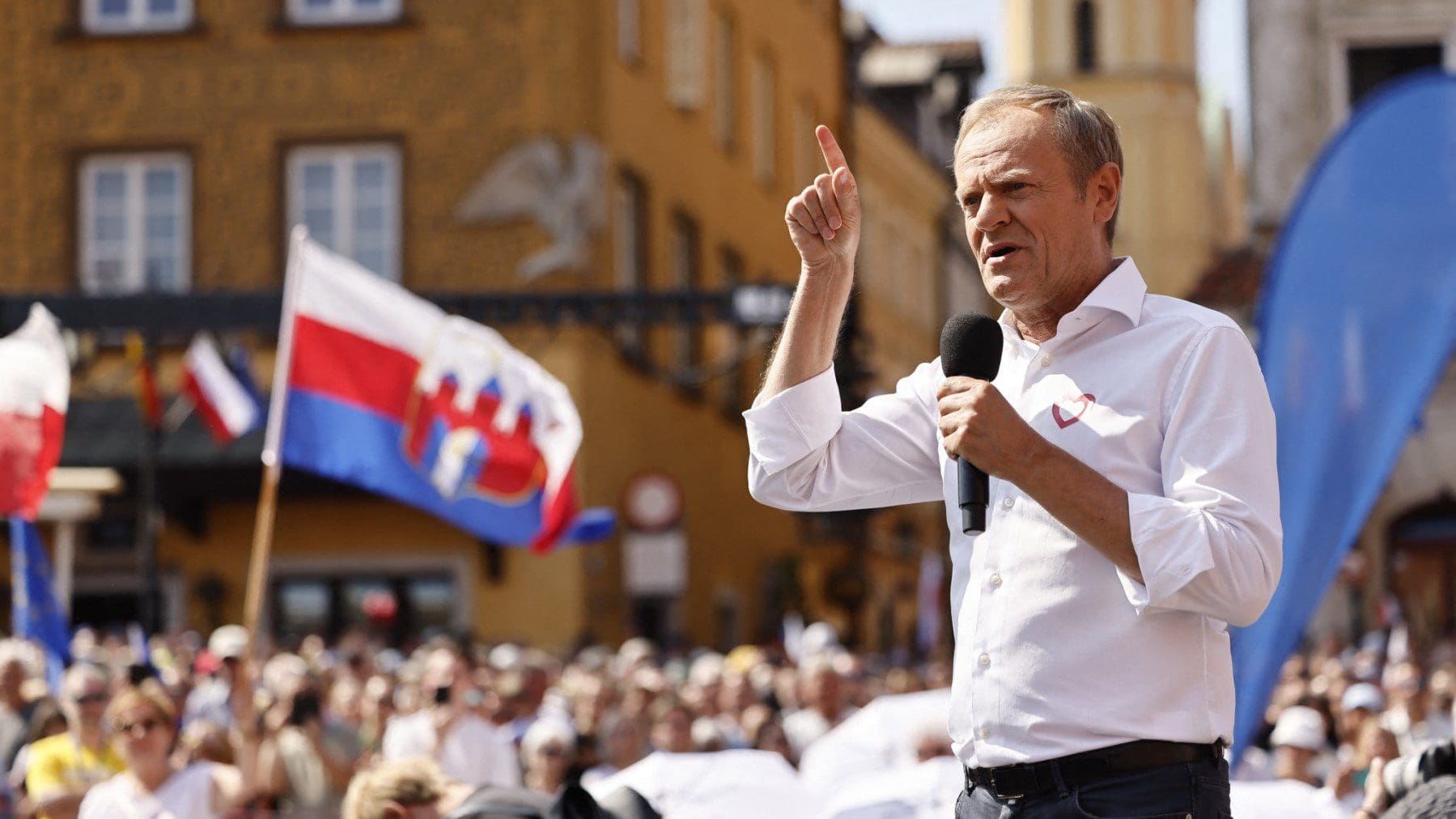
The confetti cannon has been fired and the Polish campaign is officially underway: at the beginning of August, President Andrzej Duda set 15 October as the date for the parliamentary elections, an event that is making not only the Poles but also Hungarians hold their breath.
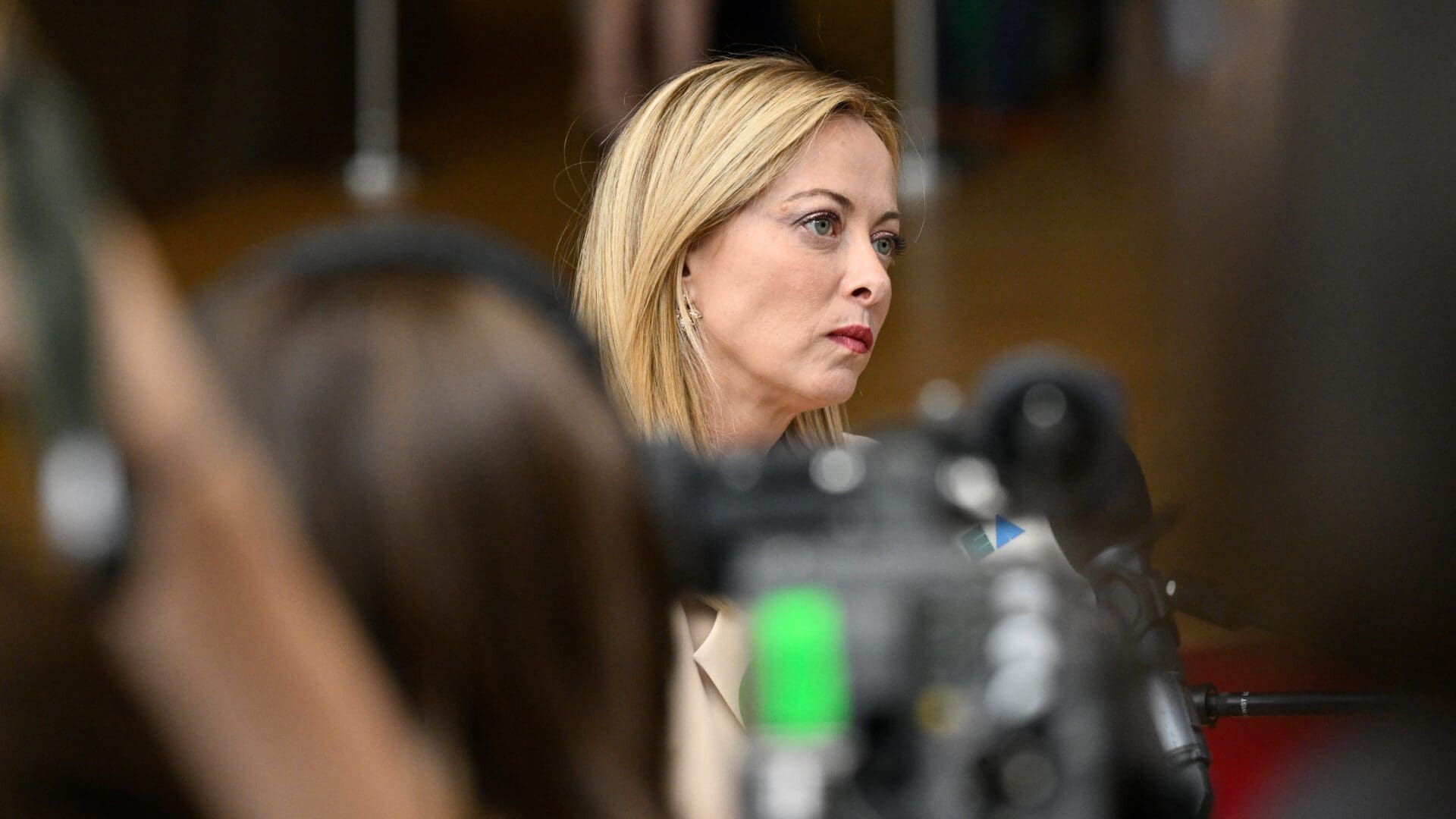
‘I am not disappointed by the attitude of Poland and Hungary, I am never disappointed by those who defend their national interests,’ the Italian premier declared following the meeting of the European Council, adding that ‘there is an excellent relationship with Poland and Hungary’.
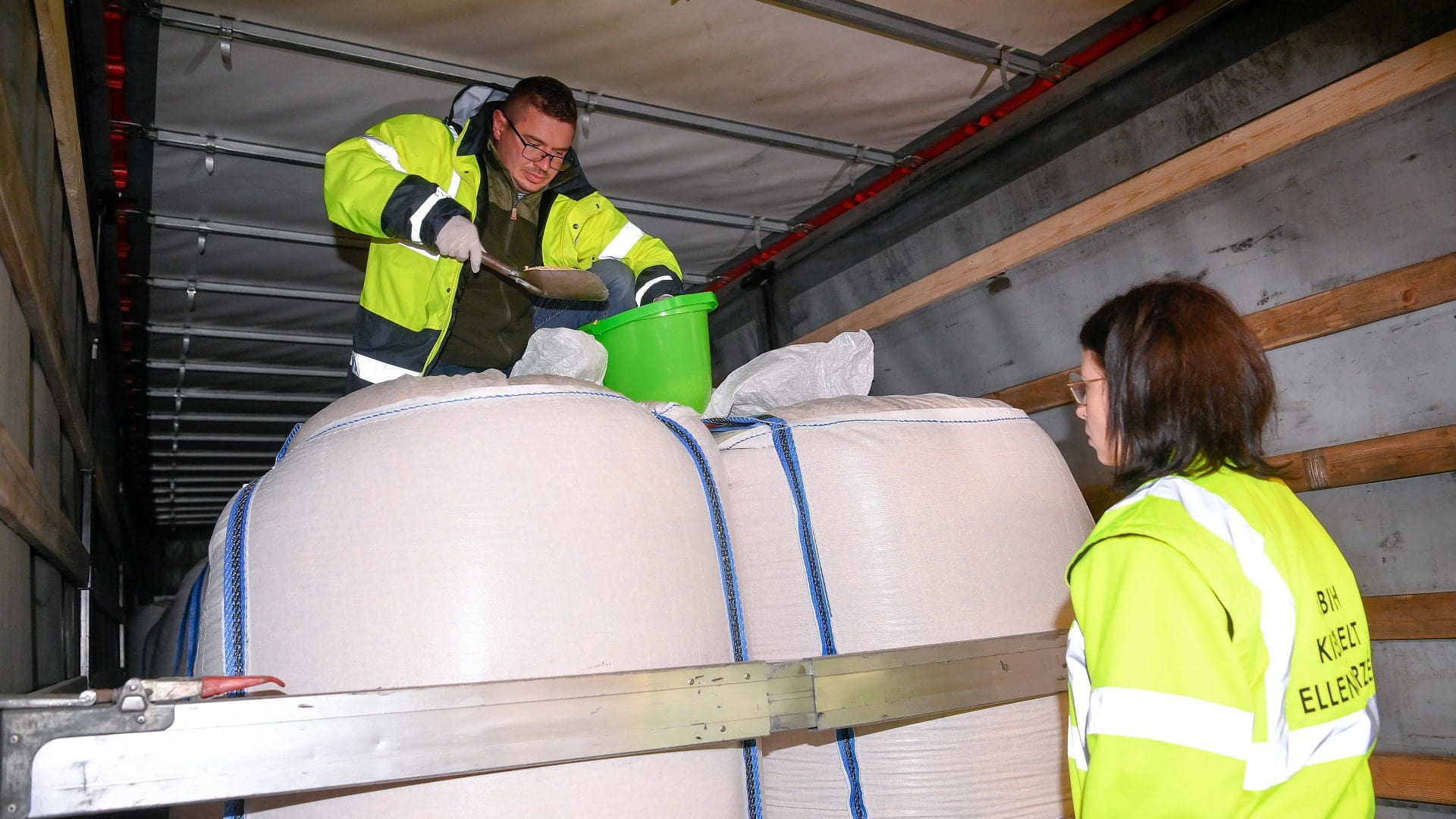
Hungary will not allow a slew of agricultural products to be imported from Ukraine until 30 June. A spokesperson of the European Commission called the actions of the Central European countries ‘not acceptable’.