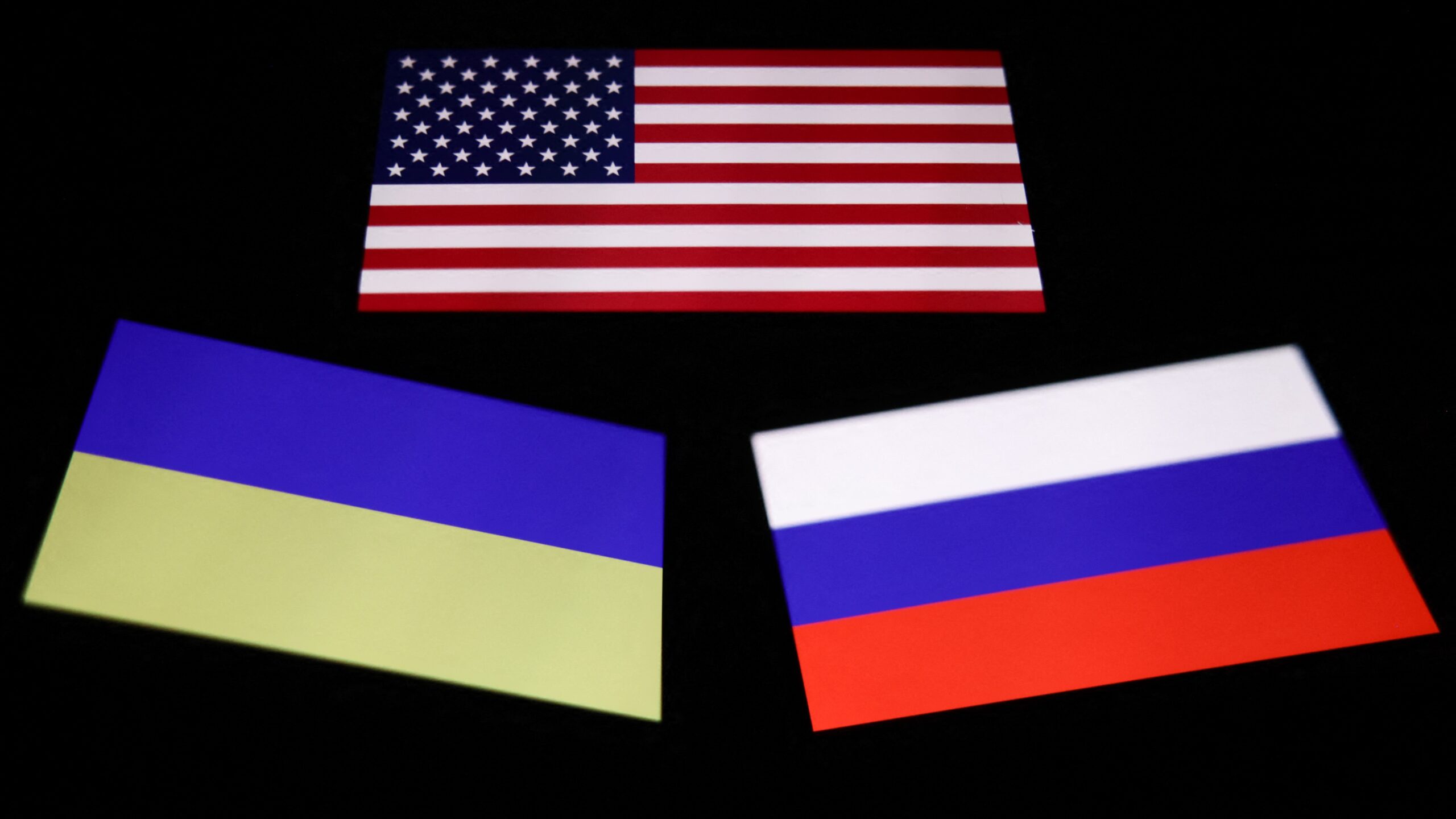
Understanding the Historic Russian Threat Perception
‘The Russian–Western relationship is basically about geography.’

‘The Russian–Western relationship is basically about geography.’
‘…without intellectual and political leaders who are able and daring enough to go beyond the surface-level symptoms of the infocracy, our capacity to reform society and adapt to a post-infocratic world becomes increasingly limited. It would be like fighting the weather: we might cool our houses with air conditioning, but we cannot stop the heat from entering in the first place.’
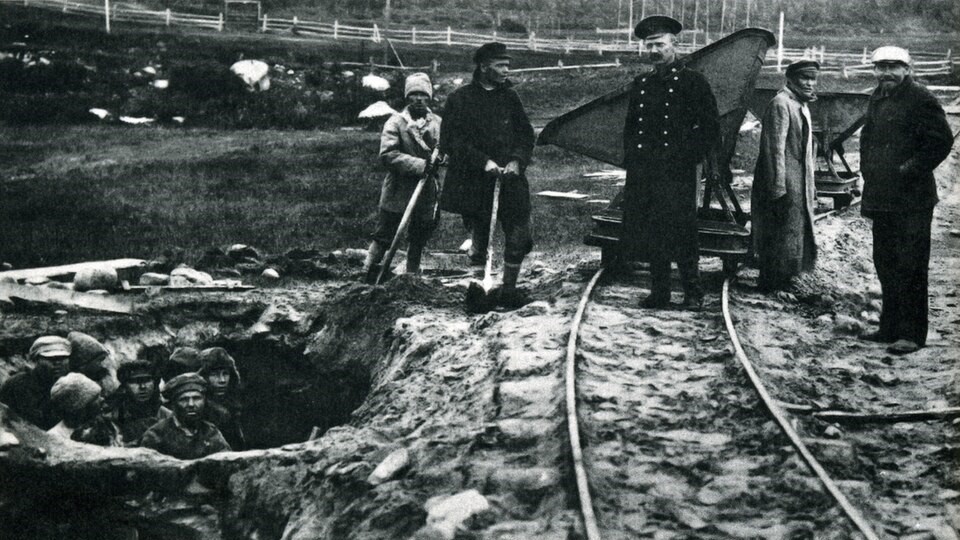
‘The whole system was evil and irrational. An observer noted that there was a full company of French soldiers in a transit camp. They escaped from German captivity, hid in Hungary, but they were put among the forced labourers simply because the Soviets wanted more people in the camps.’
‘The so-called “populist wave” is not the enemy of democracy; it is the symptom of liberal democracy’s philosophical exhaustion.’
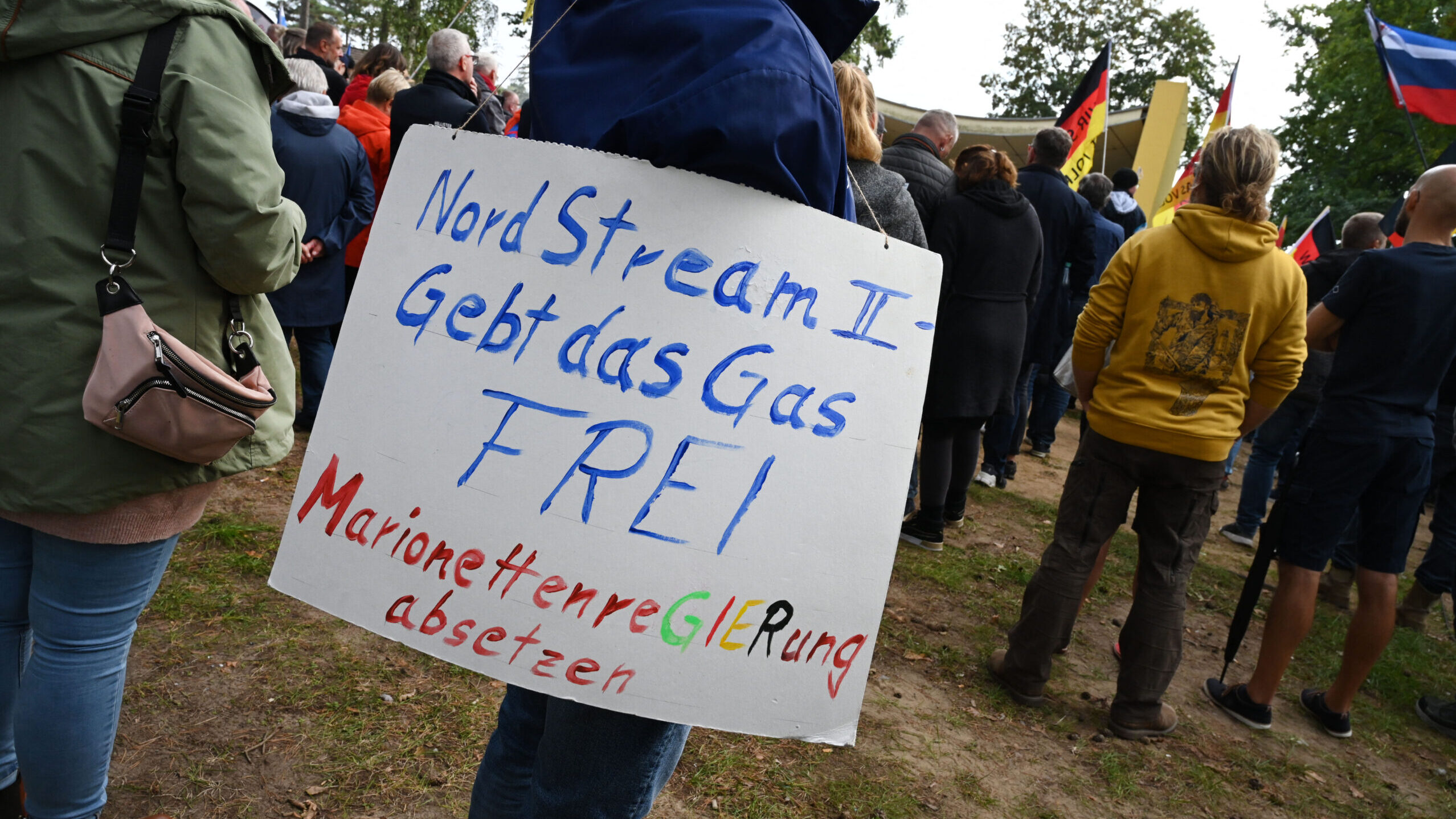
Nearly three years after the Nord Stream explosions, a new Századvég survey shows that 63 per cent of Europeans remain troubled by the absence of any identified perpetrator. The unresolved case has fuelled political tensions across the EU, deepening divisions over who was responsible and reinforcing concerns about Europe’s inability to defend its own critical infrastructure.
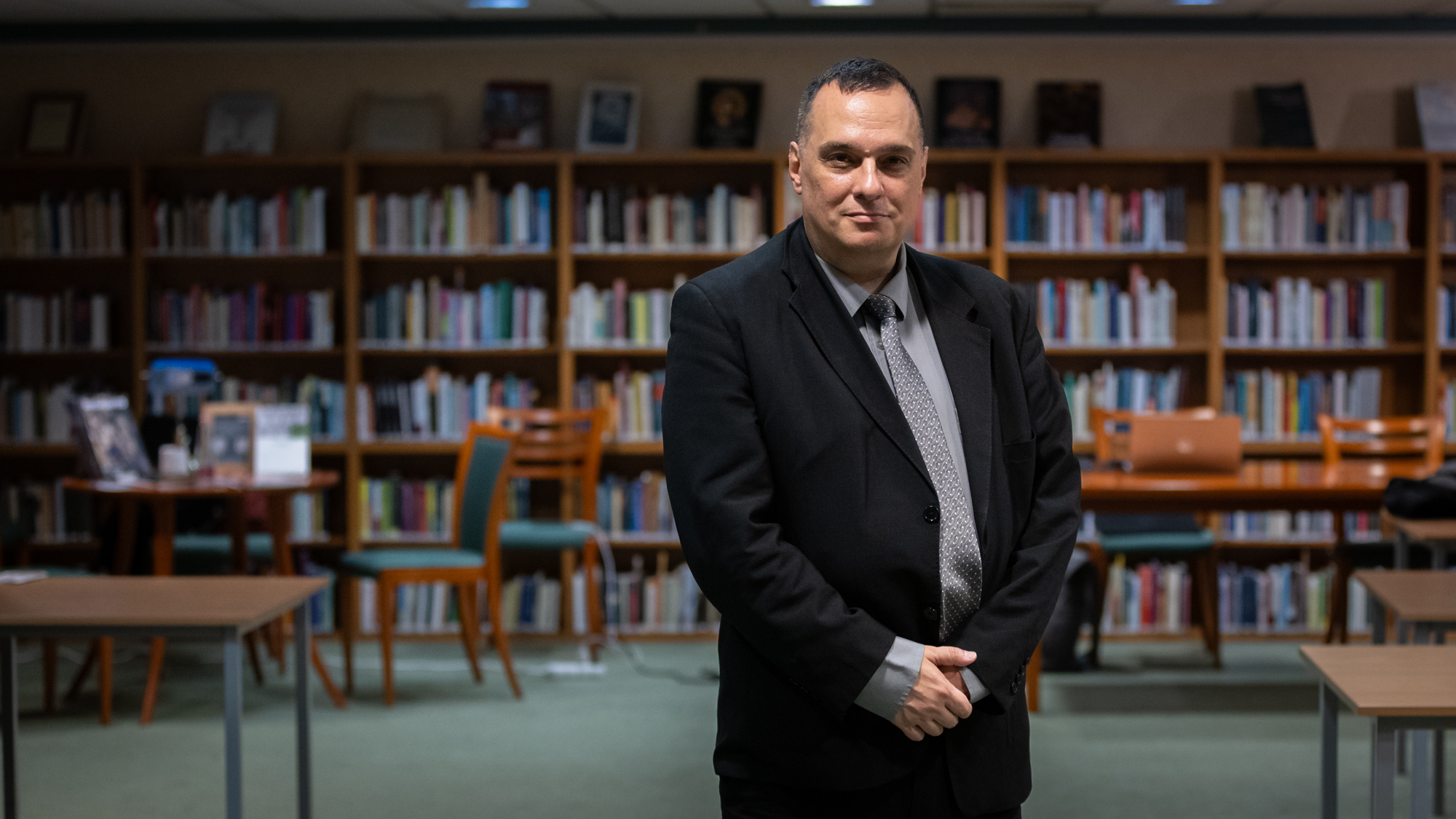
Andrej Protić, a senior Serbian security expert, warns that Europe’s drug threat is entering a dangerous new phase. Speaking to Hungarian Conservative, he said illegal migration and trafficking networks remain intertwined, but the real fault line now runs between Western harm-reduction models and Eastern zero-tolerance approaches—reflecting a deeper value divide.
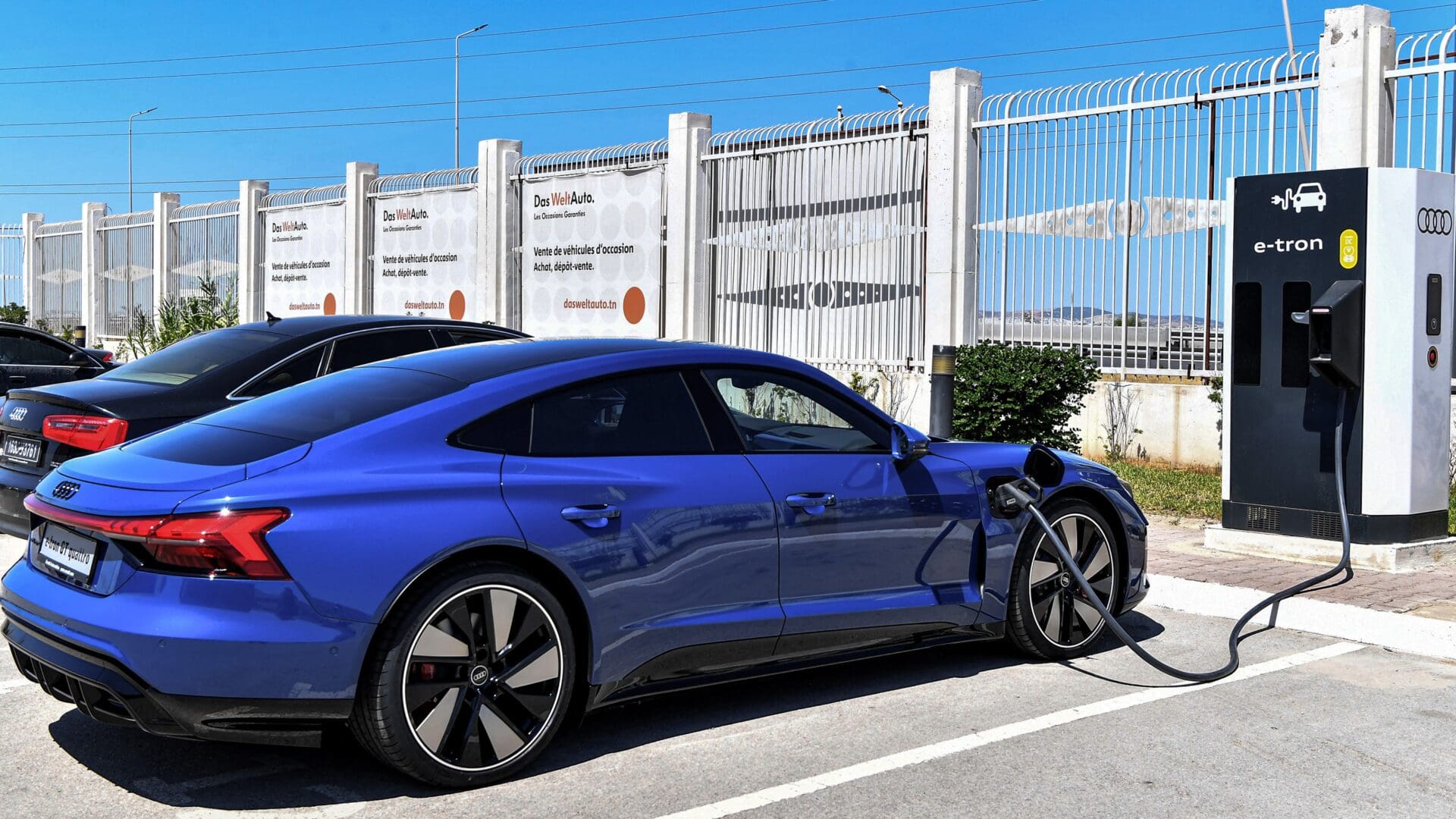
A consortium of E.ON Drive Infrastructure, Voltix and GreenWay has received €70.3 million in EU funding to build one of Europe’s largest megawatt-class charging networks. By 2028, 330 high-power stations across 55 strategic sites—including in Hungary—will support electric freight transport.
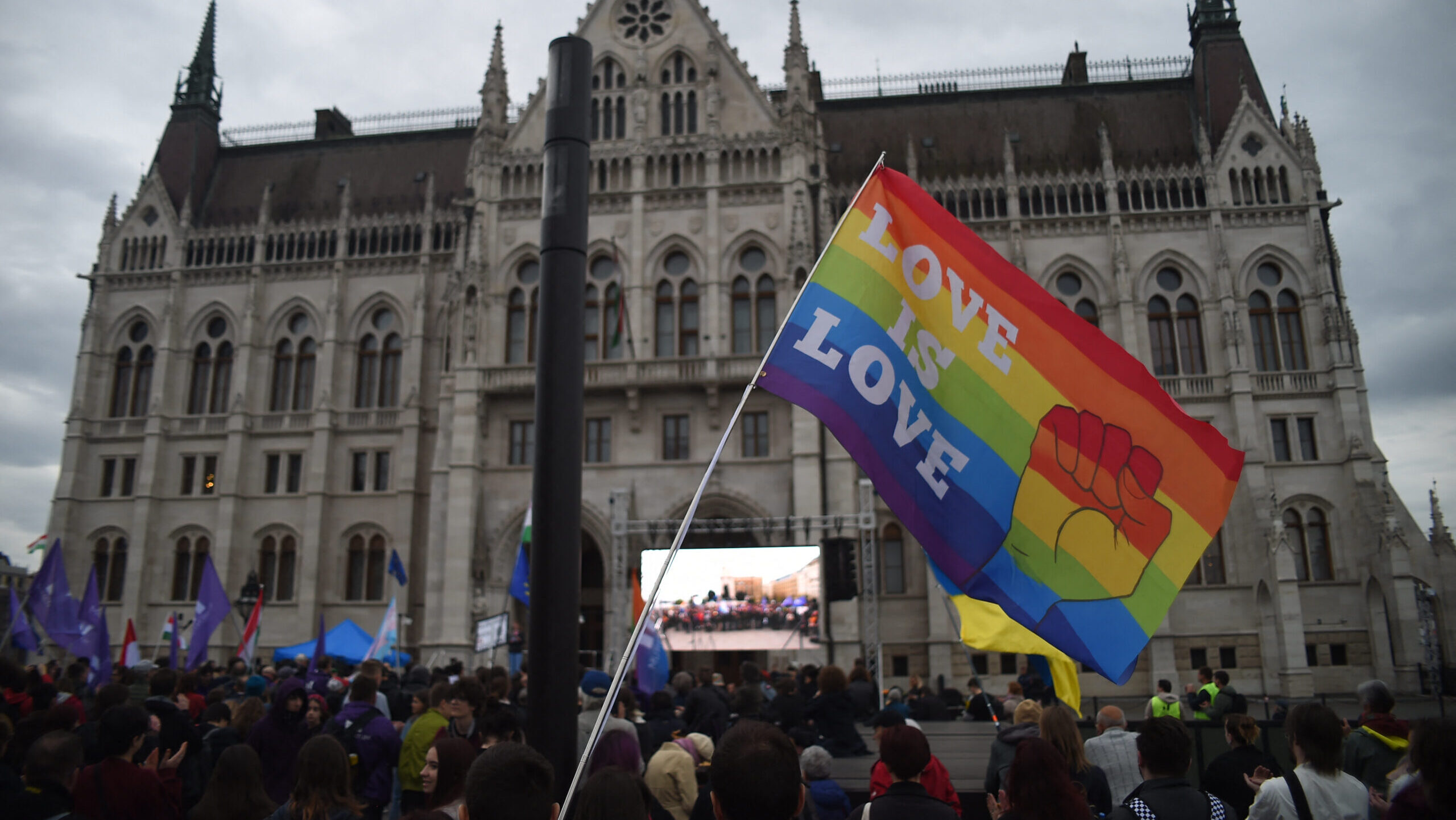
The EU’s top court ruled on Tuesday that same-sex marriages contracted in any member state must be recognized across the bloc, a decision that could trigger legal action against countries such as Hungary and Slovakia. The case stemmed from Poland’s refusal to register a marriage concluded in Germany.

‘But the fact remains: in Europe, almost every terrorist attack against Jews has been carried out by a Muslim perpetrator.’
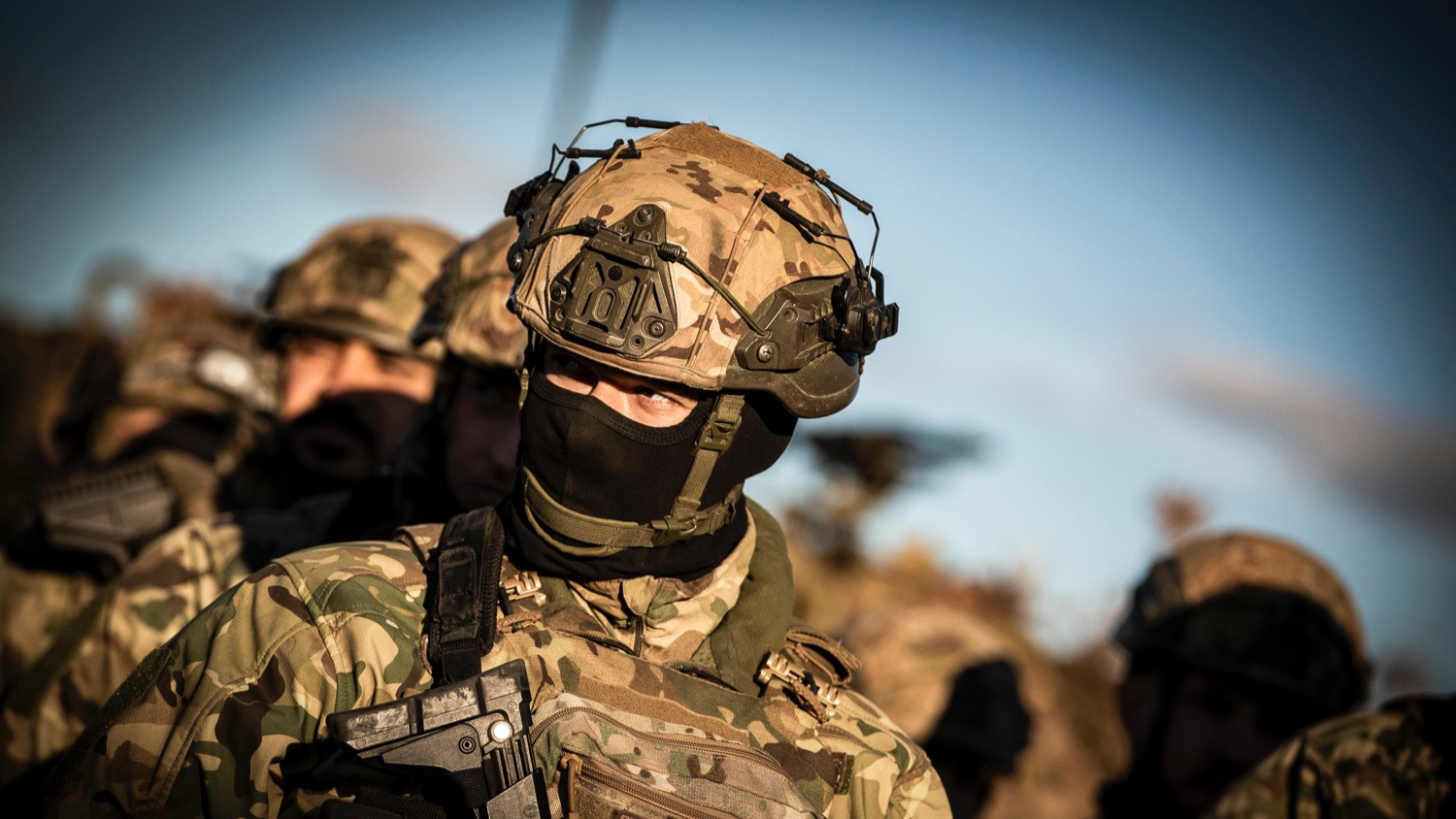
‘Joint exercises and trust-building ensure that every inch of NATO territory, as well as each country’s own borders, can be defended.’

At a time when public debate is increasingly polarized and superficial, Hungarian Conservative remains committed to depth and independent thought.
Donate Now
Please consider supporting our mission.