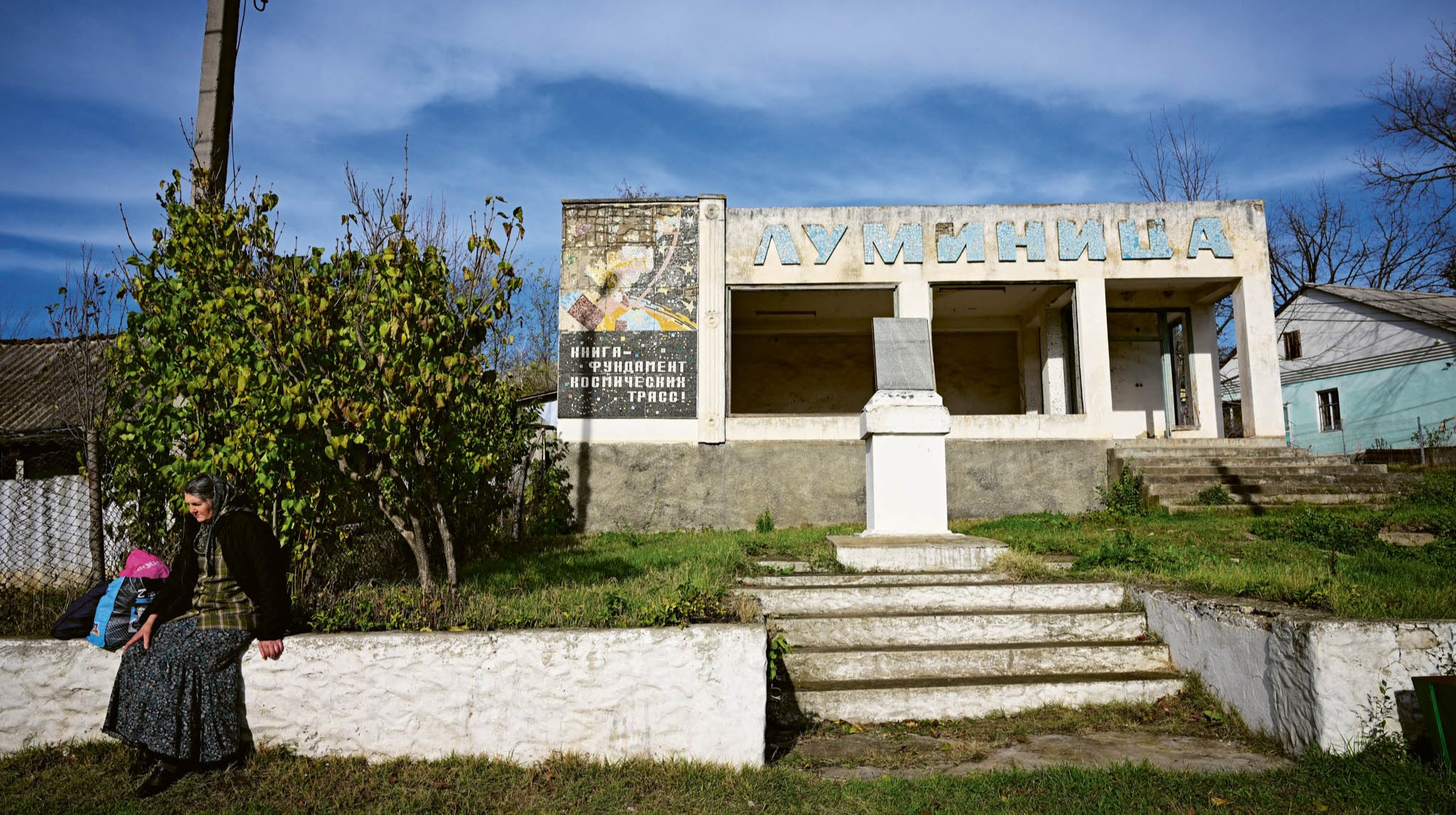
A woman rests beside the abandoned library ‘Luminita’ (The Glim), its name written in Cyrillic letters, in the village of Cimișeni, Moldova, 12 November 2023

On the Edge of Europe

‘For the EU, Moldova has become a litmus test for whether enlargement can be redesigned for an era of permanent instability. Successful integration would anchor the eastern flank, signal that the EU can still shape its neighbourhood, and close off a key corridor for Russian influence. Failure would expand the grey zone of uncertainty on Europe’s borders…’
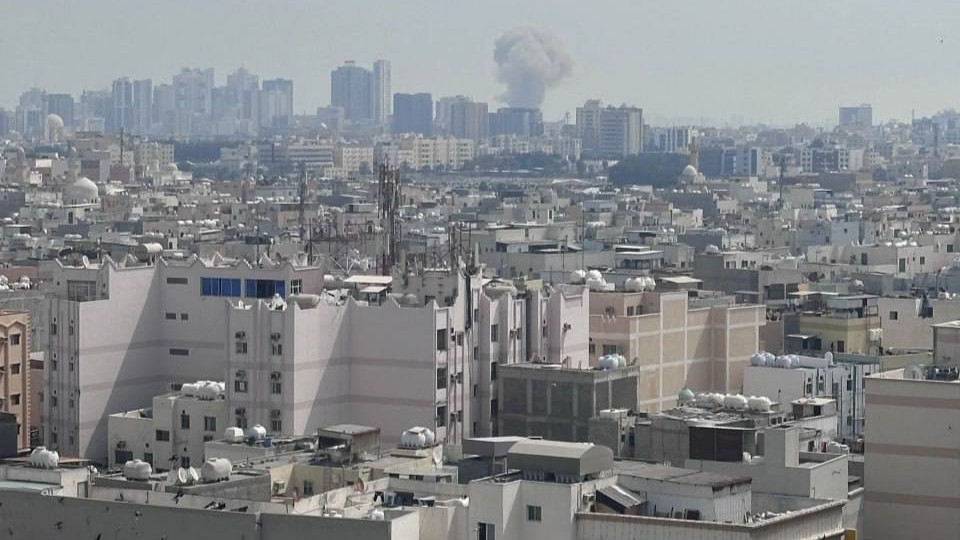
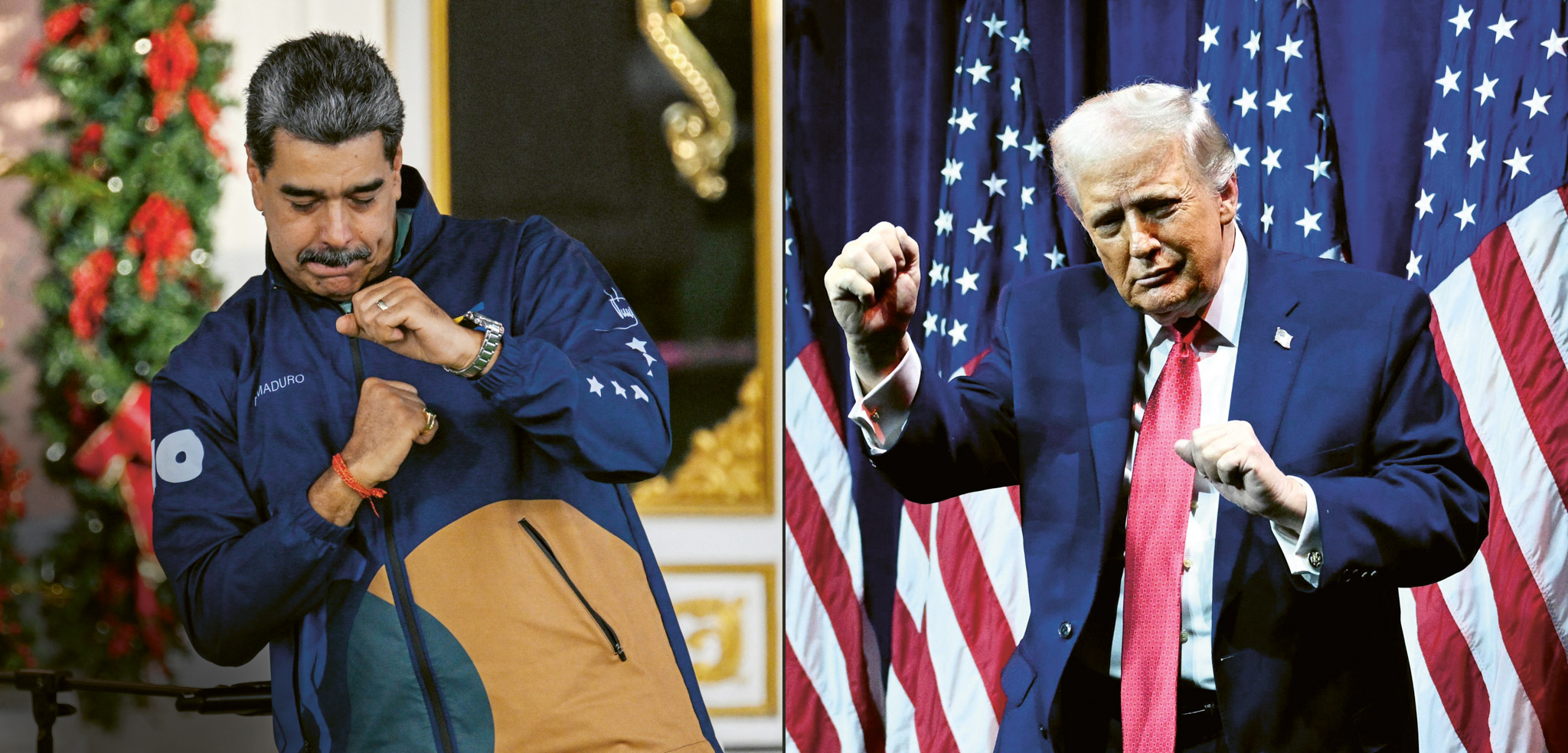
US, Israel Launch Joint Military Strikes Against Iran

The United States and Israel launched joint strikes on Iran early Saturday following days of military buildup and escalating tensions, marking a major escalation in the Middle East. Explosions were reported across Tehran, as President Donald Trump confirmed the start of ‘major combat operations’ aimed at neutralizing ‘imminent threats’ to the American people.

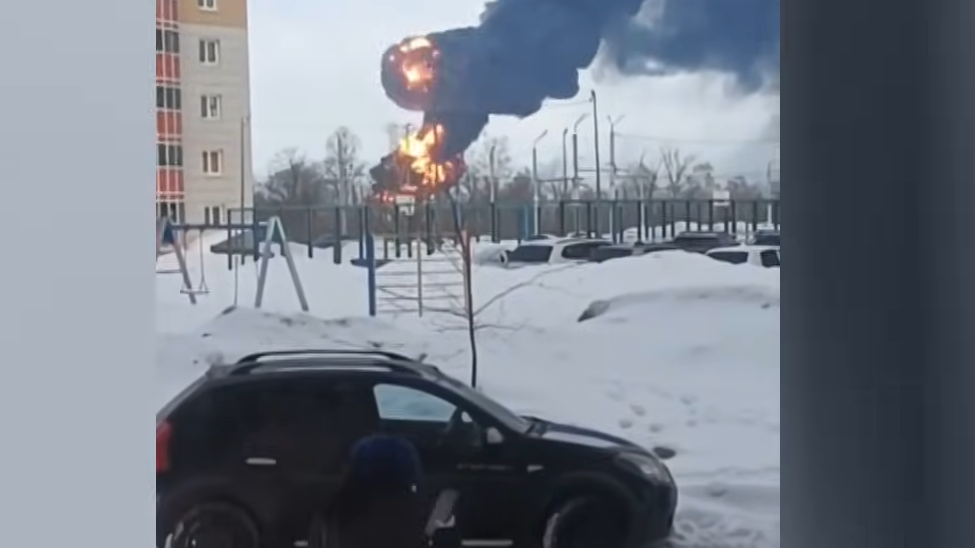
Ukraine Attacks Druzhba Pipeline in Russia

On the night of 22–23 February, Ukrainian drones hit the Kaleykino oil pumping station near Almetyevsk, Russia. The oil station is a major supplier of the Druzhba pipeline, which transports Russian crude oil to Hungary and Slovakia, further escalating tensions between Budapest and Kyiv. Energy infrastructure in the city of Belgorod, Russia, was also struck by Ukrainian drones on the same night.

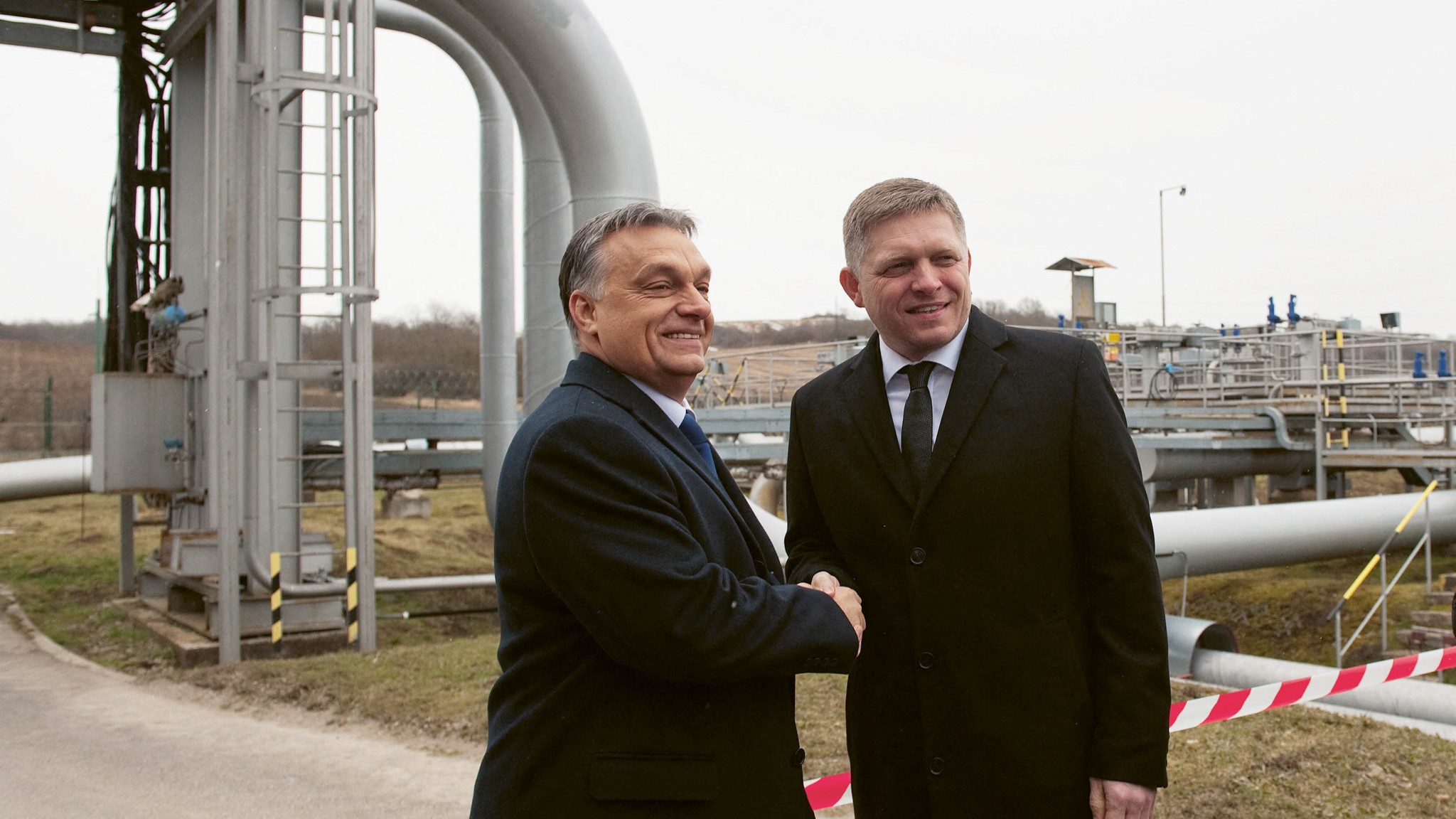
Hungarian Prime Minister Viktor Orbán (L) shakes hands with Slovakian Prime Minister Robert Fico during the opening ceremony of the pipeline link between Slovakia and Hungary, in Tupá (Kistompa), Slovakia, 9 February 2015

A Tale of Two Generations

‘In the first phase, immediately following the regime change, the conservative generation aimed to emulate Western European models, often paving the way for neoliberal shock therapy. The second generation, referred to as the “new right” in Central Europe, formulated its approach based on the adverse effects of post-transition capitalism.’

In Five Points: How the Brussels War Machine Became Automated

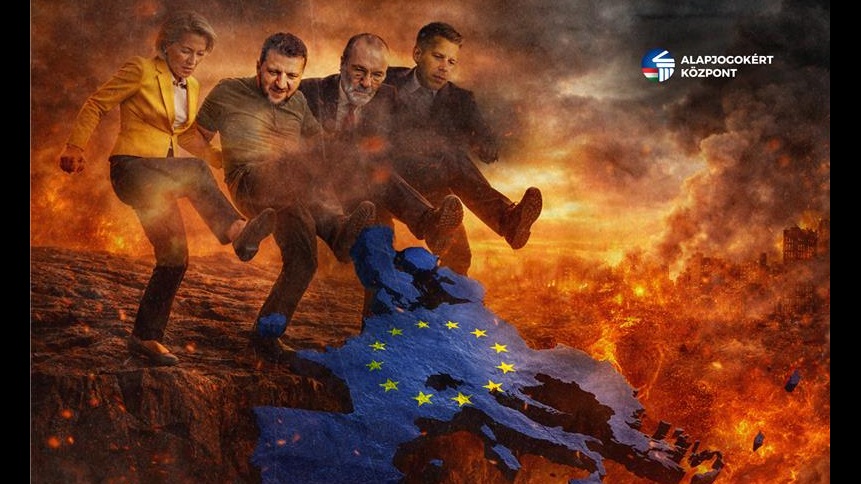
Brussels has entered a new phase of escalation, transforming support for Ukraine into an automatic political and economic war framework. This trajectory narrows national sovereignty, embeds long-term financial commitments in EU budgets, and shifts Europe’s focus from peace toward sustaining conflict, the Center for Fundamental Rights argues in their new analysis.

Kiel Data on Military Support Shows War in Ukraine Has Become Europe’s Own

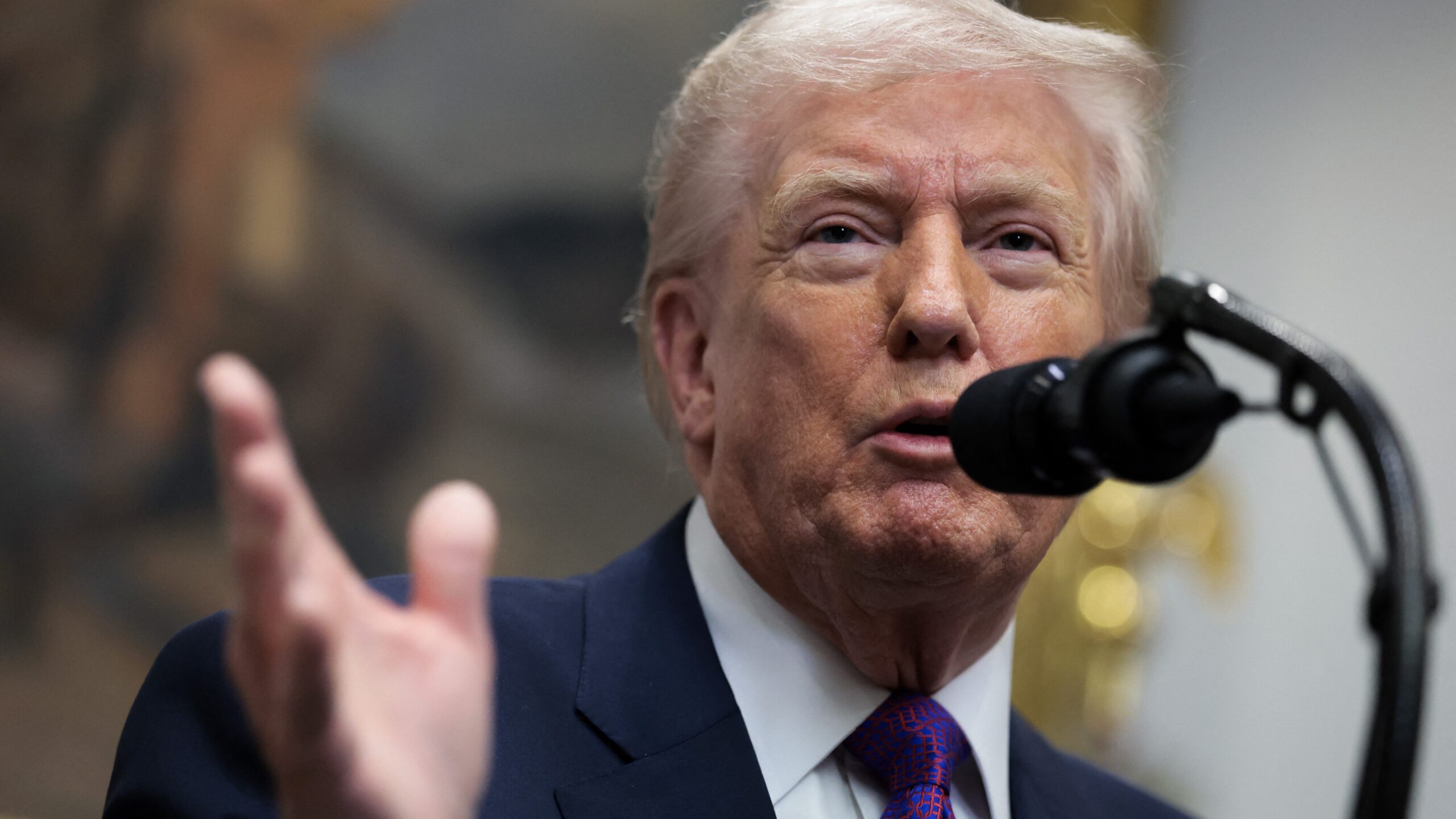
New data from the Kiel Institute reveal a decisive turning point in the Ukraine war: Europe, not the United States, has become Kyiv’s primary military and financial backer. As Washington scales down support under Donald Trump, European governments are assuming the burden—transforming the conflict from a mainly American proxy war into Europe’s own geopolitical and economic responsibility.