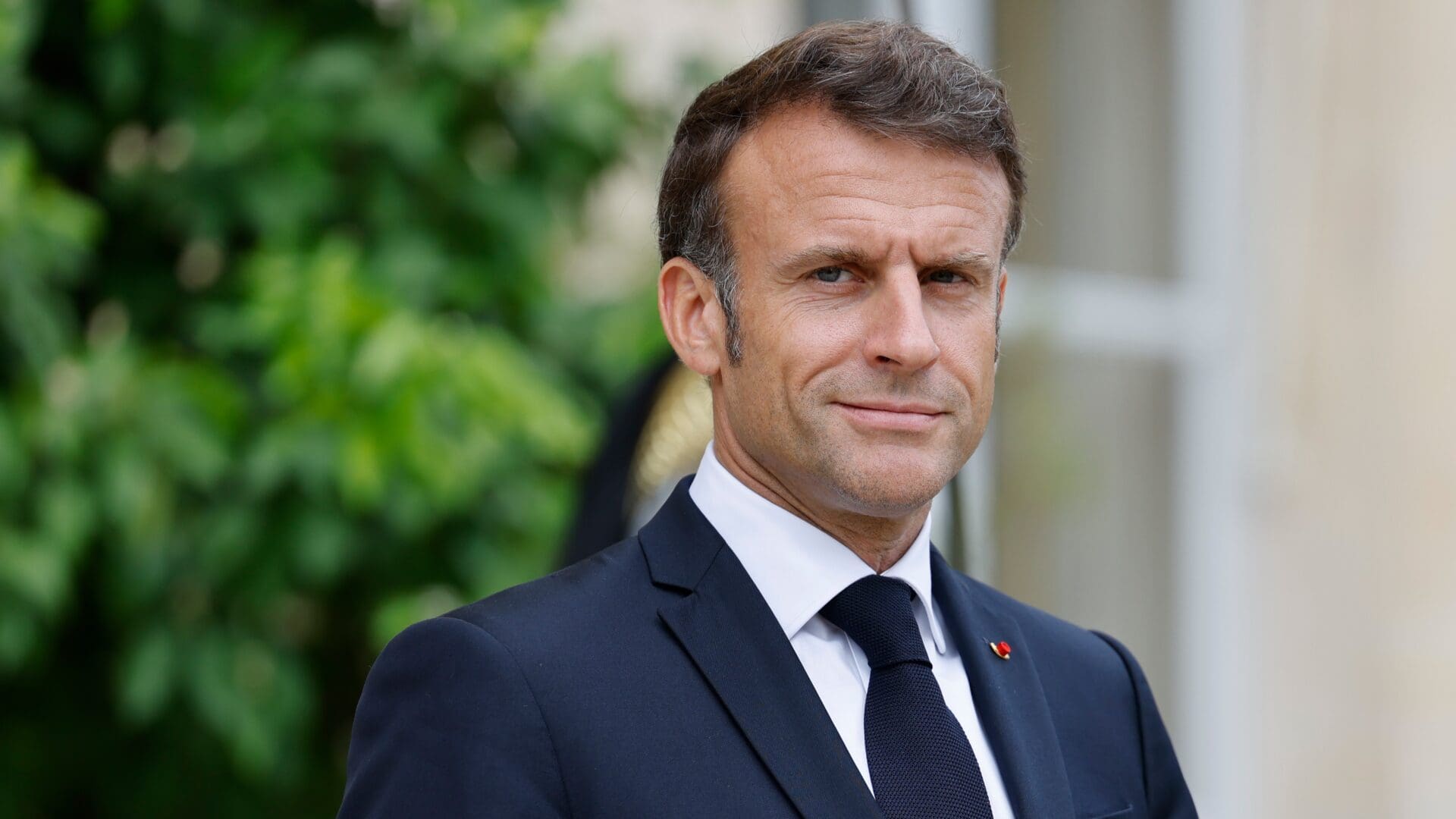
Hungary Joins France’s Initiative to Acquire Mistral Missiles
In addition to the French initiative, Hungary has also joined the German-initiated Sky Shield programme, which will further enhance its capabilities through joint procurement.

In addition to the French initiative, Hungary has also joined the German-initiated Sky Shield programme, which will further enhance its capabilities through joint procurement.
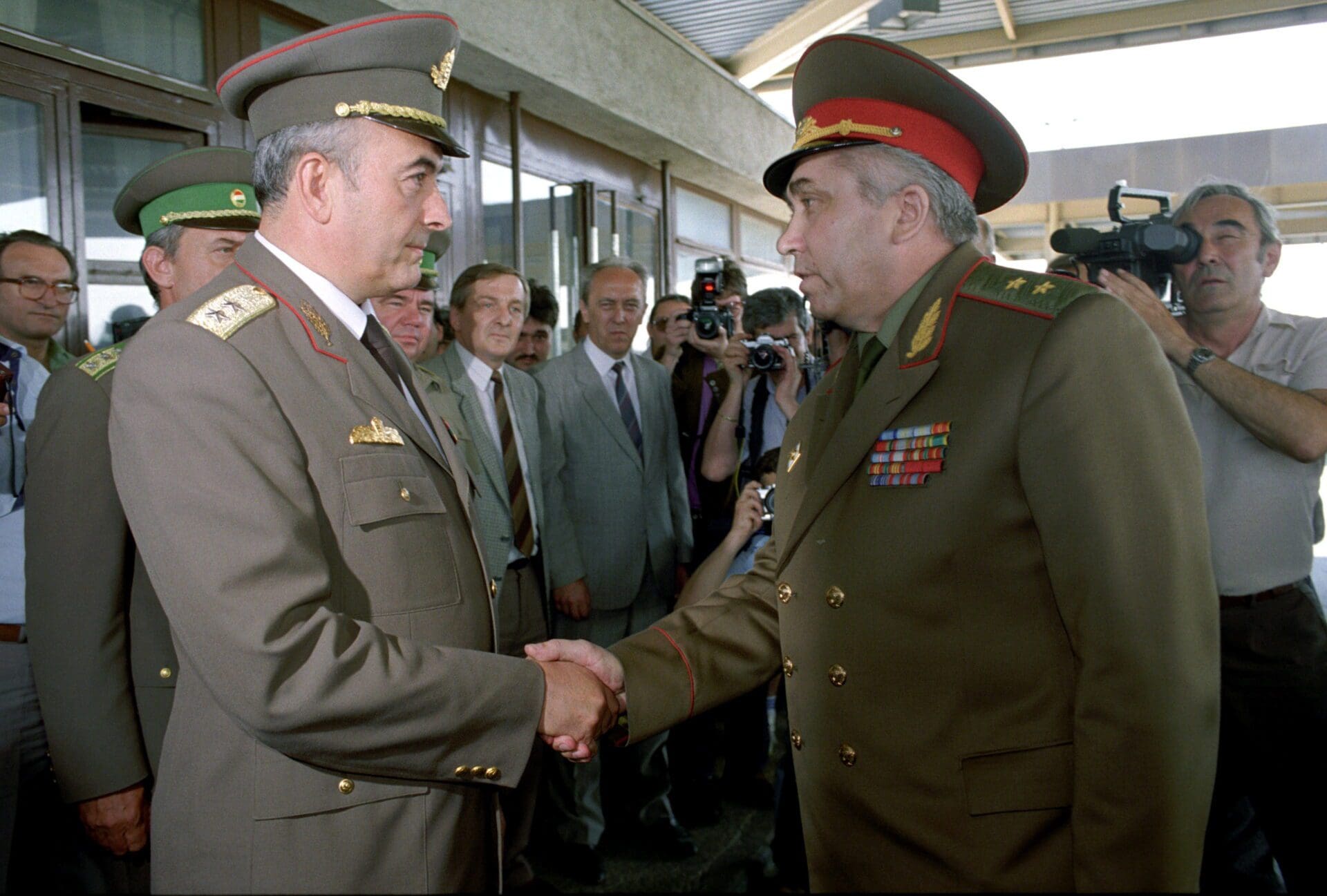
The presence of Soviet troops in Hungary was of course illegal. The Paris Peace Treaty of 1947, which ended the war, required them to be withdrawn from our country, and although the treaty allowed for the necessary number of soldiers to remain here to ‘maintain the lines of supply’, there were obviously many more than that. The ‘legalisation’ of the presence of the Soviet forces that crushed the 1956 revolution was carried out by the new, collaborationist Kádár government in 1957.
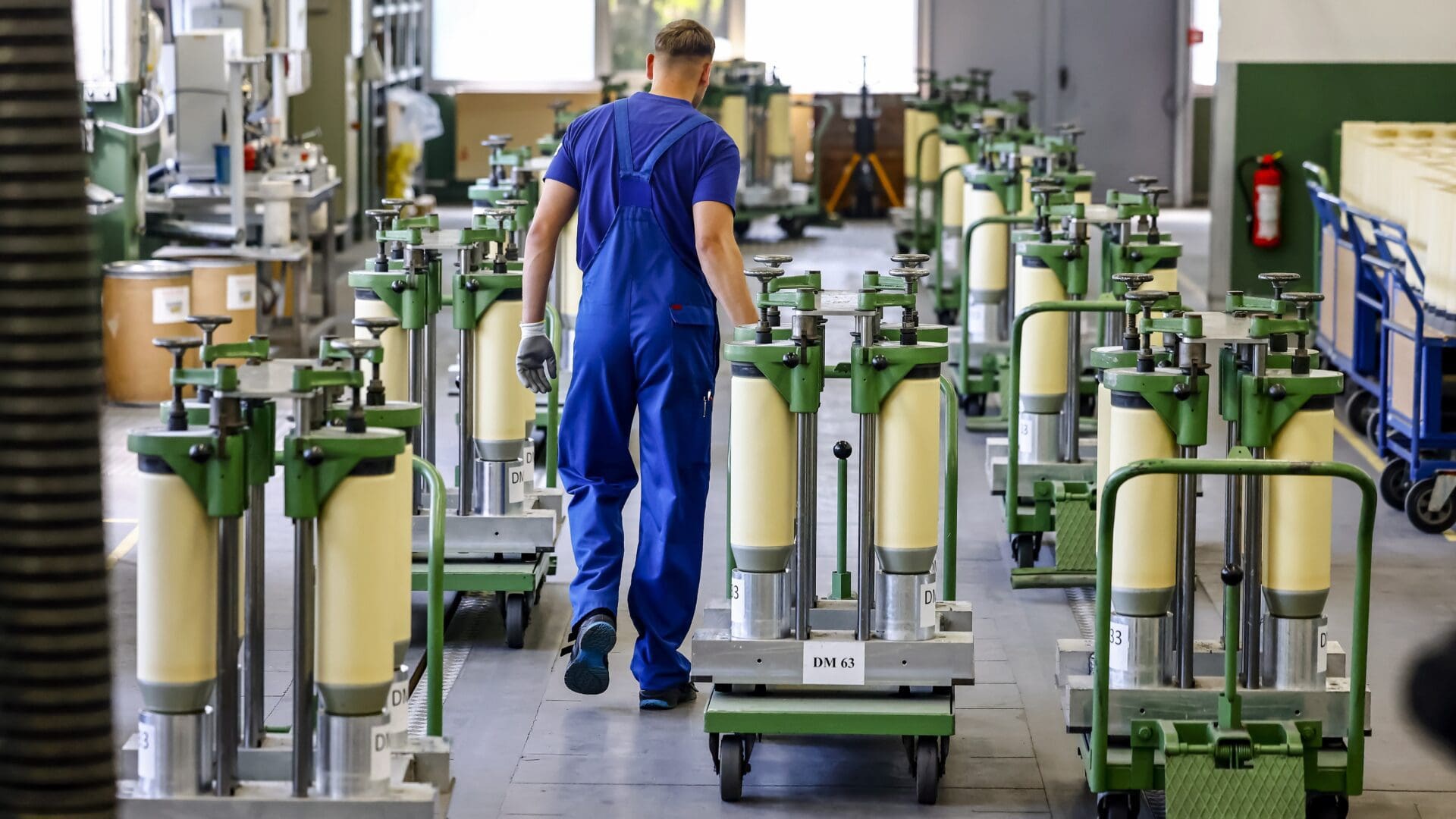
Rheinmetall is one of the few companies of its type with a proven track record of successful localisation projects. But that is only part of the story. Equally important was the trust that was built between the German corporation and the Hungarian government during the process of expanding cooperation.
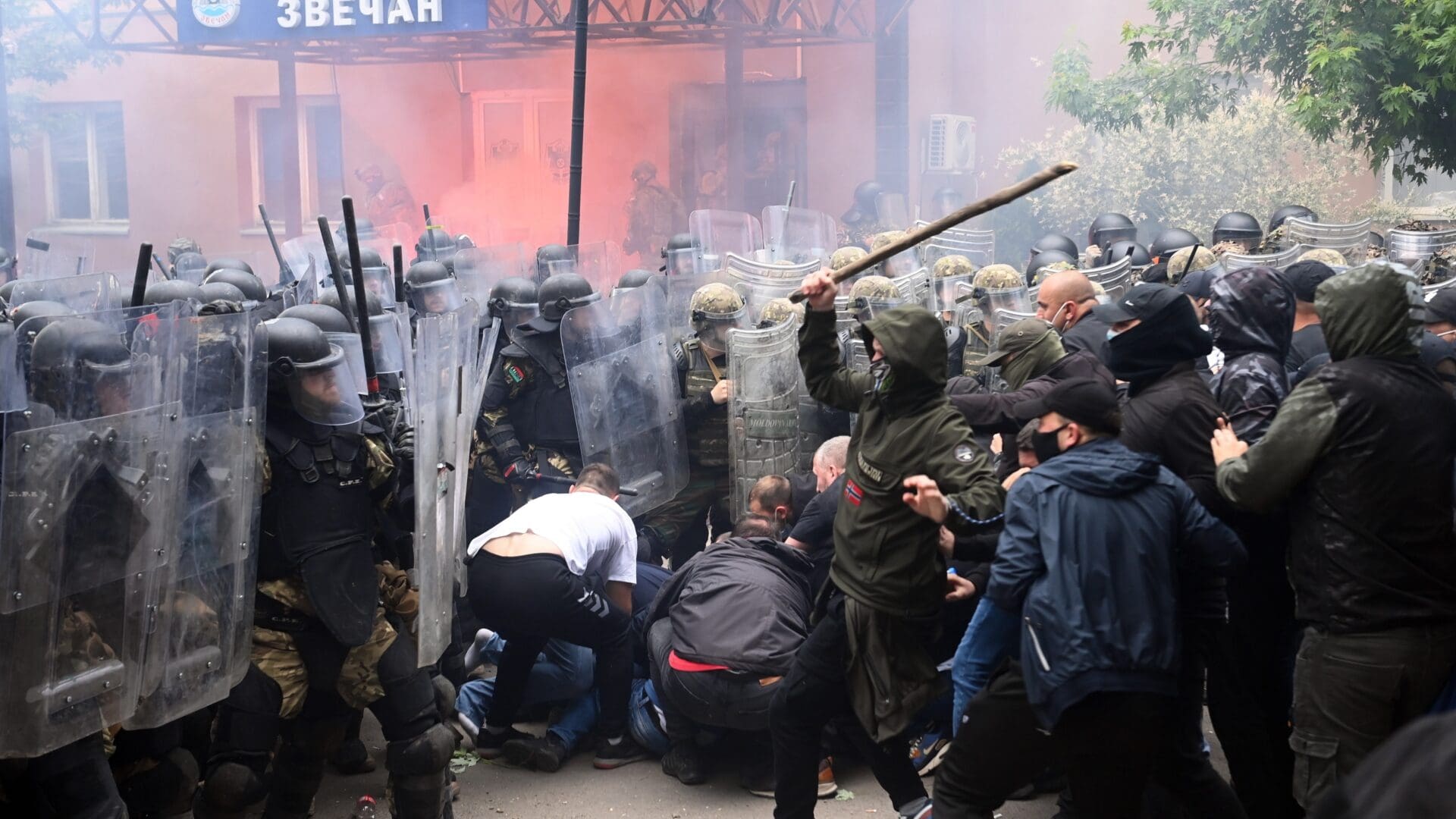
‘Despite their injuries, the Hungarian soldiers have shown brave commitment, and many of those who were able to do so have already returned to their posts,’ the Hungarian defence minister said after the clashes between KFOR troops and local Serbs in North Kosovo. The minister stressed that the stability of the Western Balkans is very important to Hungary, which is why it is present in the region not only diplomatically and economically, but also militarily in the framework of the KFOR mission.
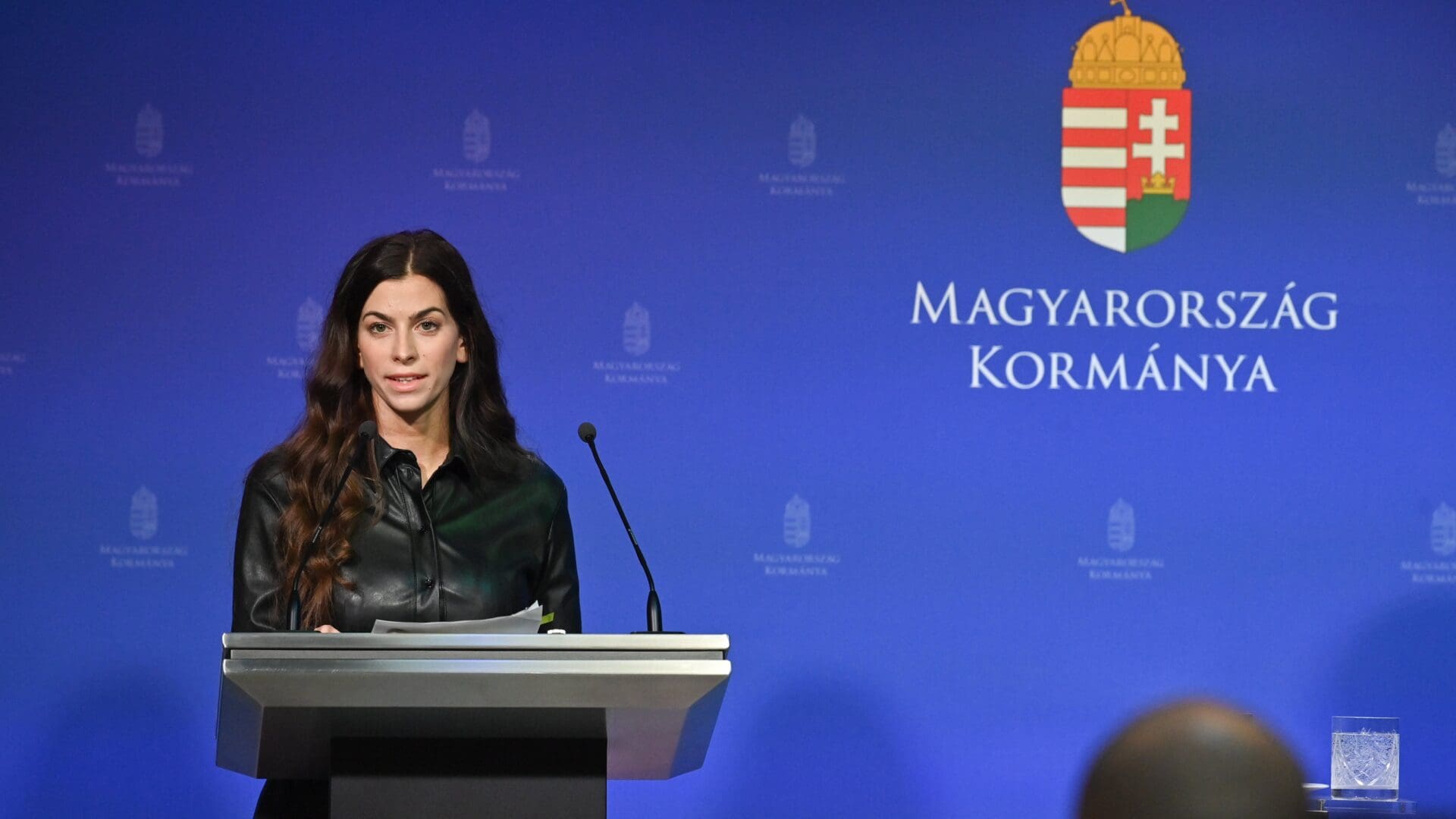
Alexandra Szentkirályi reiterated that Hungary still does not and will not ship weapons to Ukraine nor will it allow other countries to ship weapons through its territory.
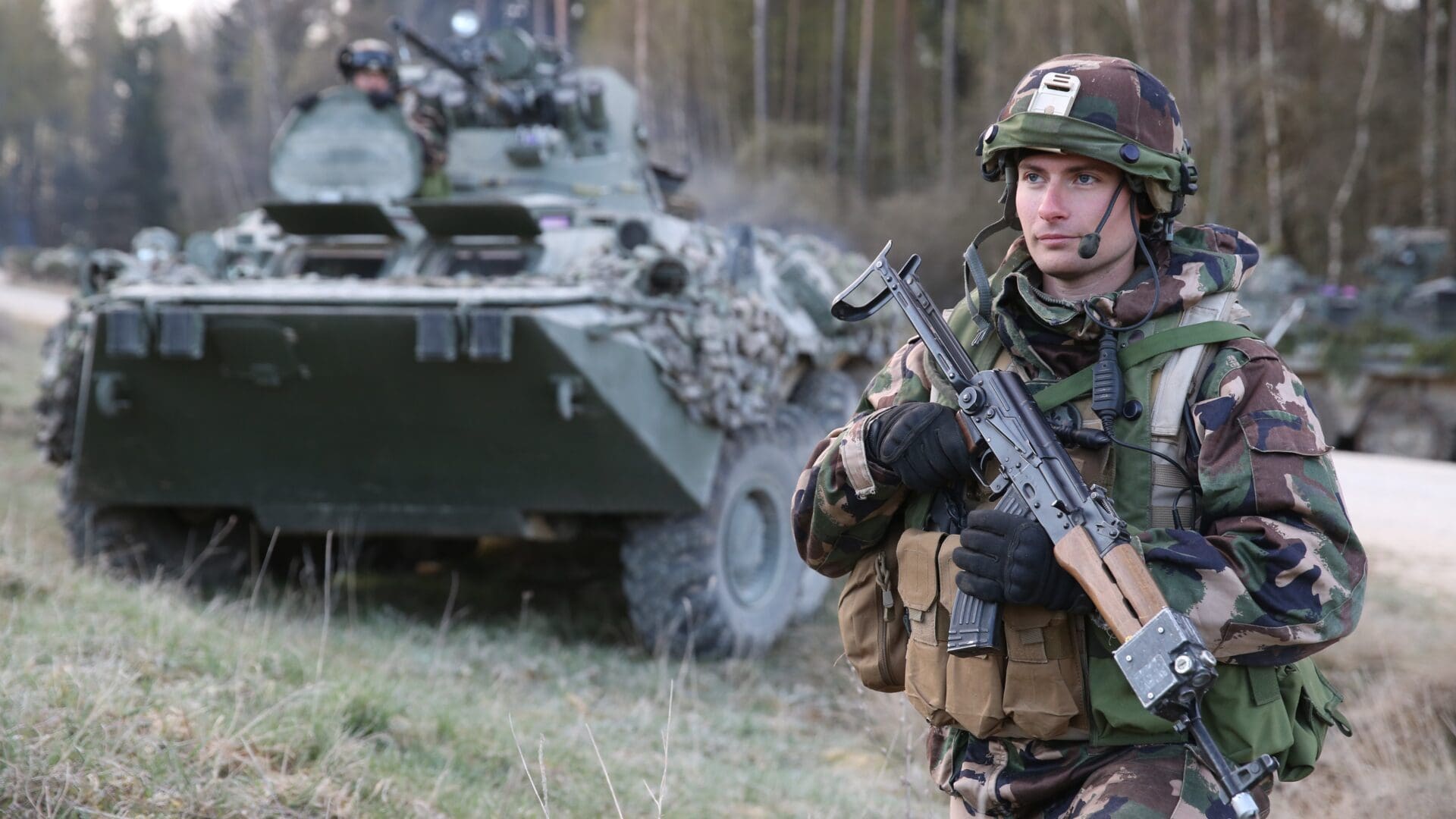
The Orbán administration has committed to spending at least two per cent of the country’s GDP on defence by the end of 2024, a commitment made in 2014 by all NATO members but something many NATO countries have not yet honoured. Hungary, in fact, is set to achieve the two per cent threshold by the end of this year, before the deadline.
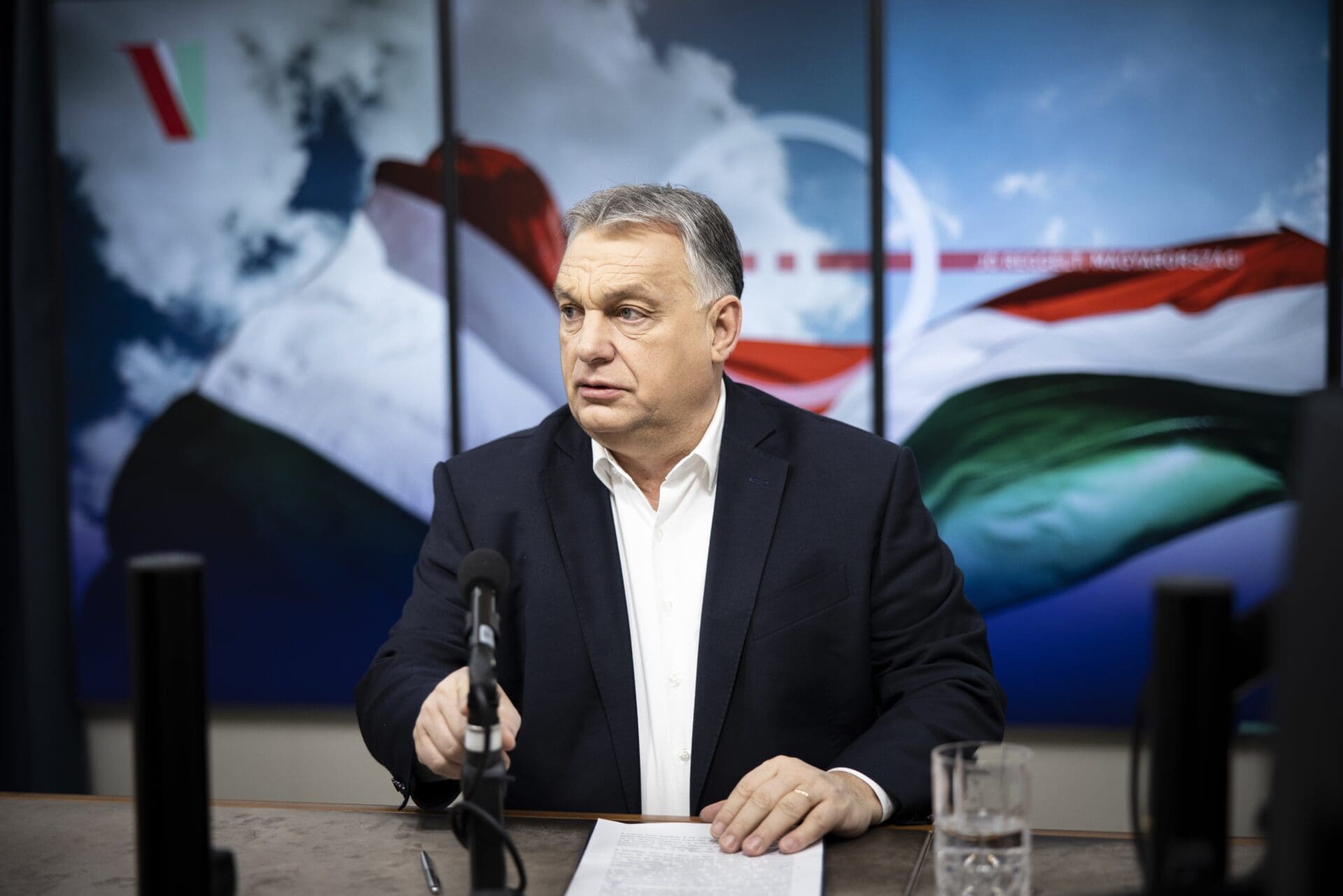
In his regular Friday morning interview on public radio, the Prime Minister said that he believes this is the closest the world has ever been ‘to a localised war turning into a world war’.

According to recently released data, approximately two million Ukrainian refugees have fled to Hungary since the Russian aggression.
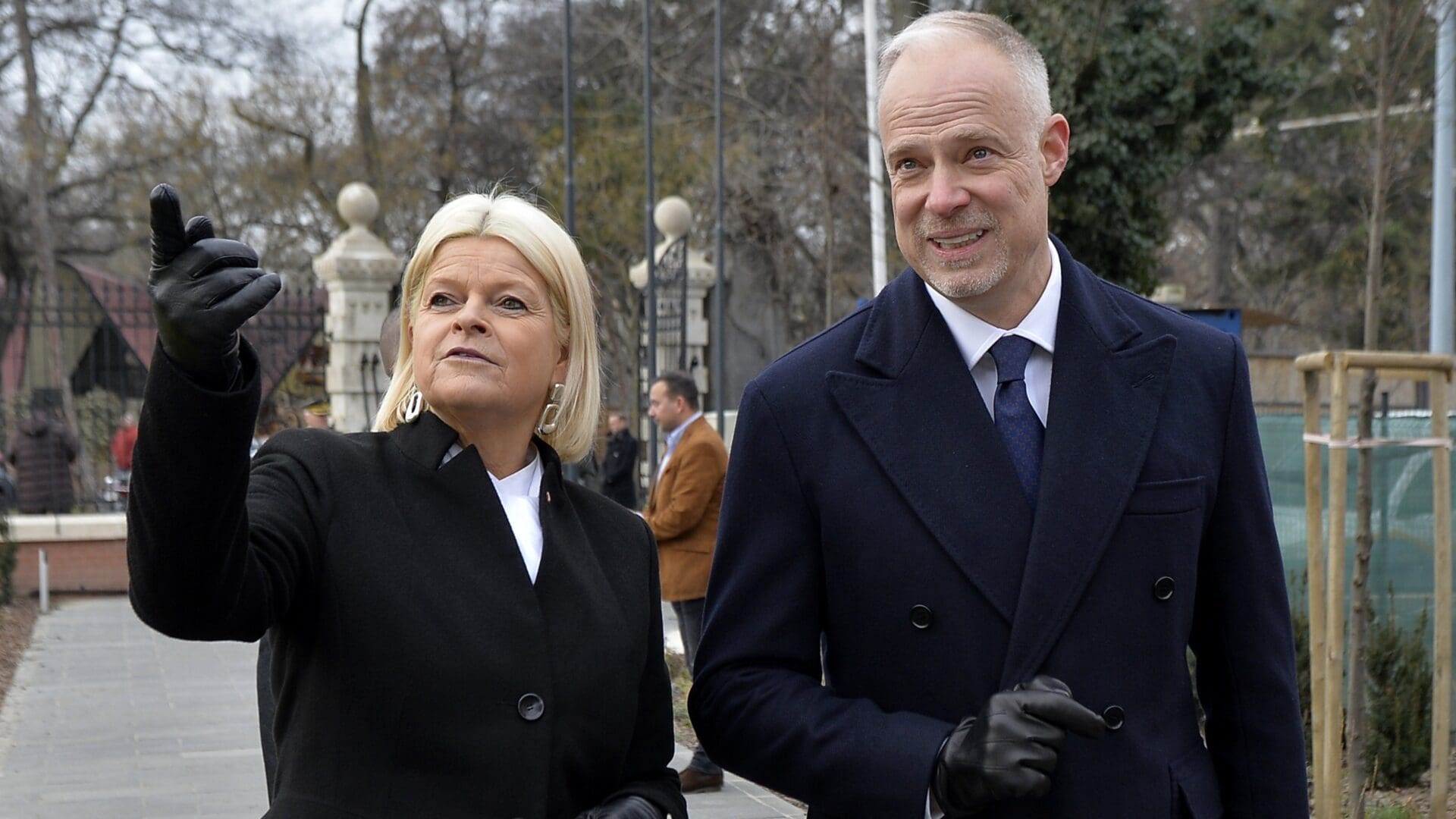
‘Hungary and Austria are good neighbours and maintain very close cooperation in almost all areas, including the field of the military and defence,’ the Hungarian Minister of Defence underlined after meeting with his Austrian counterpart in Budapest.
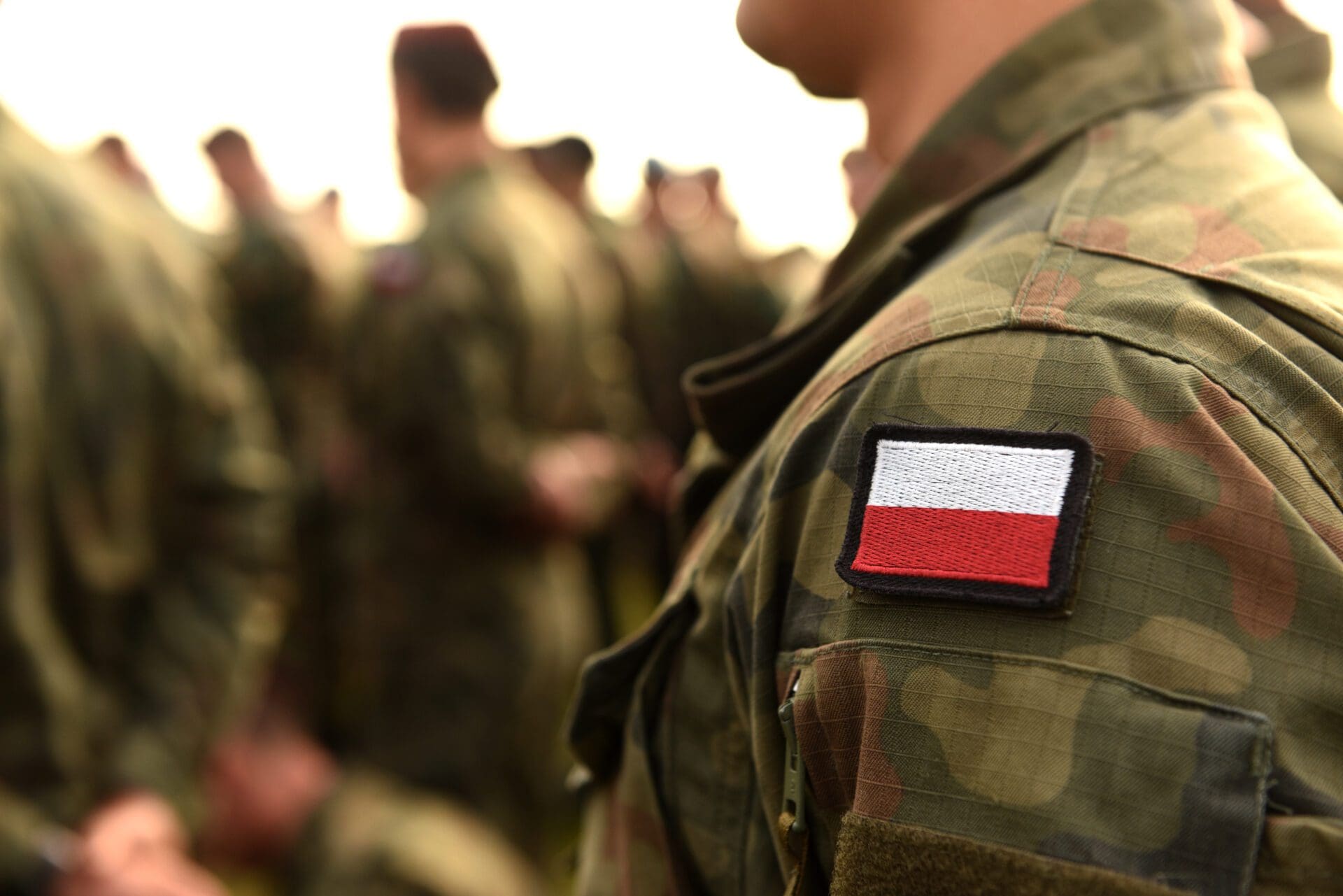
Poland’s efforts to turn its growing military power into political influence may be hampered by criticism of its alleged rule of law issues and concerns over its arms purchases from non-NATO countries outside Europe.