In the world, few territorial questions are as misunderstood as Israel’s relationship with Judea and Samaria.
Israel is often labelled an occupier with regard to Judea and Samaria (commonly referred to as the West Bank). This small territory has been controversial for decades. From the Israeli perspective, however, the land represents a far more complex issue—one that encompasses strategy, security, history, and national survival.
The Question of Survival
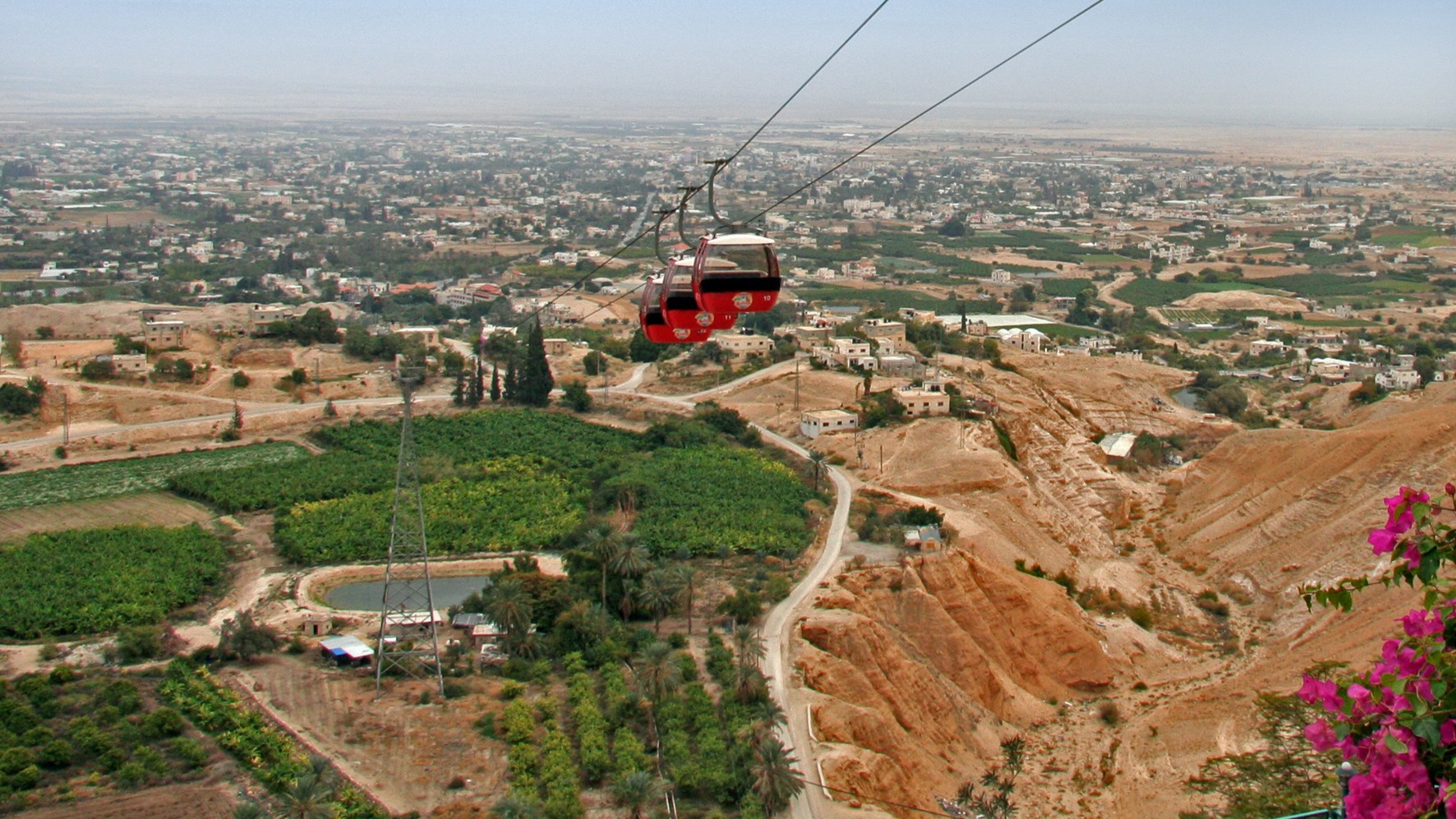
Judea and Samaria is a mountainous territory stretching from north to south, rising between 100 and 1,100 metres above sea level. This topography gives the area immense strategic importance and makes it impossible for Israel to relinquish it without facing existential risks, as demonstrated by past conflicts such as the Six-Day War in 1967.
From these heights, the Mediterranean coastal plain is fully exposed—the narrow strip where the majority of Israel’s population, critical infrastructure, and economic assets are concentrated. At its narrowest point, Israel is only about 15 kilometres wide. Control of the central mountainous territory therefore provides Israel with defensible borders.
The mountains also offer vital early-warning capabilities, advantageous air-defence positioning, and operational control against threats emerging from the east, including long-range missile threats from Iran.
Counter-Terrorism
This territory is important not only for deterring external threats, but also for counter-terrorism on the ground.
Under the framework of the Oslo Accords, Israel’s presence in parts of the territory enables it to maintain intelligence networks, surveillance systems, checkpoints, and rapid-response capabilities aimed at preventing terrorist attacks against its population and territory.
The ability to disrupt terrorist infrastructure before attacks are carried out remains a central pillar of Israel’s internal security doctrine.
Water Security
An often underemphasized factor in controlling the territory is water security. A significant share of Israel’s natural water resources originates in the mountains of Judea and Samaria.
In the Middle East, water security is inseparable from national security due to the region’s climate. In a part of the world where water scarcity is a structural condition, control over territories containing vital water sources is crucial for the wellbeing of the population, agriculture, and long-term economic stability.
History and National Identity
Israel’s attachment to Judea and Samaria does not derive solely from security considerations.
The territory contains some of the most ancient and significant sites of Jewish history, including Hebron, Shiloh, Shechem, and Bethel. The narratives of the Jewish patriarchs—figures who are also foundational to Christian civilization—are deeply rooted in this land. Hebron served as King David’s first political capital, while Shiloh functioned as an early spiritual centre of the Israelites.
‘The debate is…not about occupying foreign land, but about maintaining a presence in the heartland of Jewish history and religious identity’
For many Israelis, the debate is therefore not about occupying foreign land, but about maintaining a presence in the heartland of Jewish history and religious identity. International politics tends to frame Judea and Samaria primarily through a post-1967 lens, whereas Jewish historical consciousness extends back several millennia.
The Post-Withdrawal Lesson
Following 7 October 2023, unilateral Israeli withdrawal from Judea and Samaria is no longer considered a viable option even by those who once viewed territorial withdrawal as a pathway to resolving the longstanding conflict.
This shift in thinking did not begin in 2023. The 2005 disengagement from Gaza had already profoundly shaped Israeli strategic assumptions. At the time, the withdrawal was widely expected to reduce violence and usher in a new era of Palestinian state-building, or at least provide the conditions for meaningful self-governance.
Instead, the territory became a launchpad for sustained rocket attacks and a small empire of Islamic terrorists who even torture their own people.
For many Israelis, Gaza thus became a precedent—not just demonstrating that compromise is futile, but that security vacuums are inherently dangerous.
Related articles: