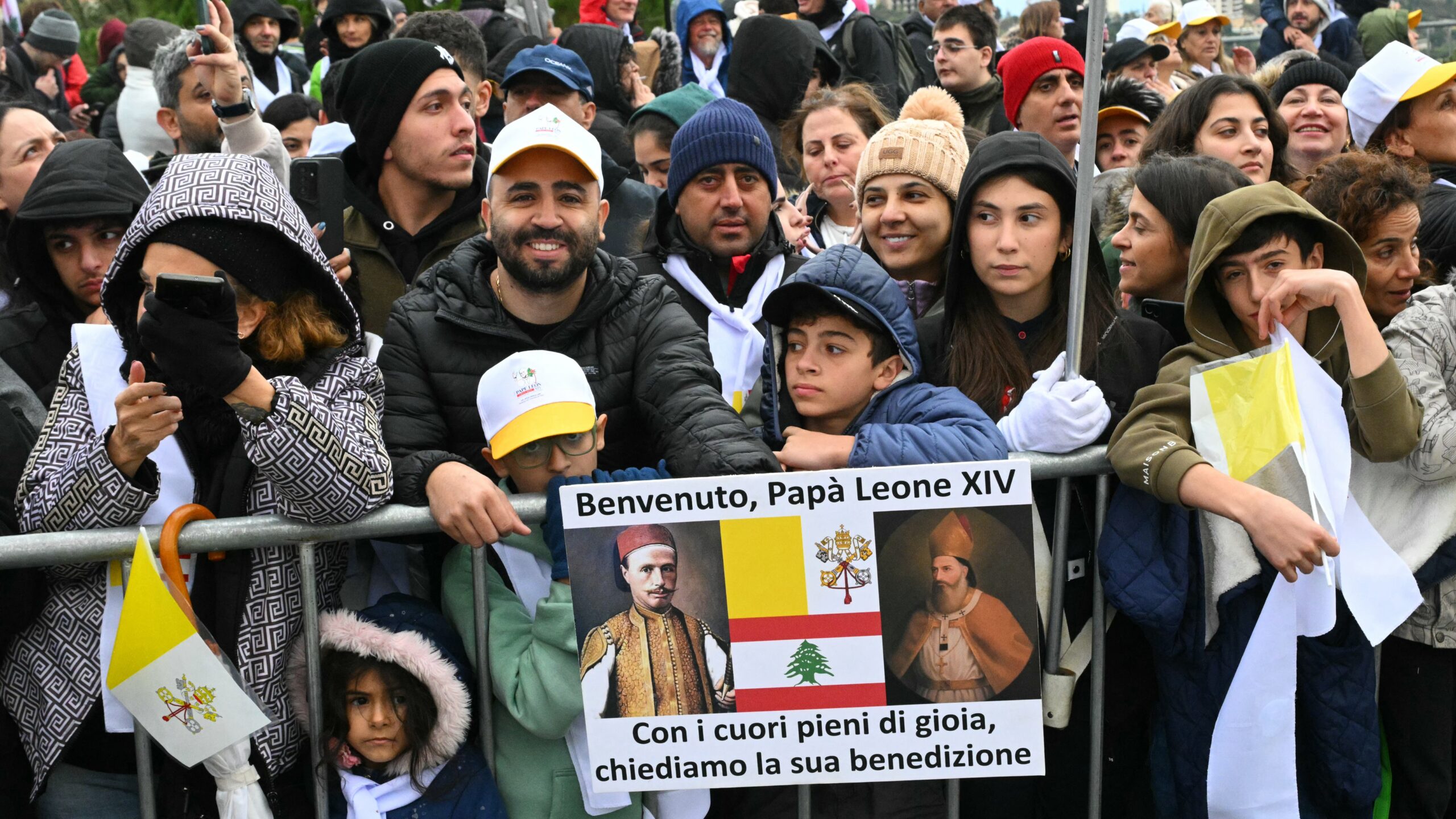
For his first trip abroad, Pope Leo XIV has chosen the Middle East as his destination. Starting with Turkey, emphasizing the discourse of tolerance, coexistence, and peace, the Holy Father travelled to Lebanon on 30 November, for a three-day visit to the wounded nation.
Since 2012, the last trip of his predecessor, Pope Benedict XVI—which was the last trip of his pontificate—the Lebanese people, in particular the Christians of Lebanon, have been waiting for deeper Vatican engagement, especially on the issues of security and political stability.
More than a decade has passed, and the Levantine country has endured several crises: the chaotic influx of Syrian refugees; the financial and economic collapse that began in 2019; the COVID‑19 pandemic; the Port of Beirut explosion in 2020; and Hezbollah’s 2023 support for Hamas, which culminated in a devastating war with Israel in September 2024. All these events brought the country to its knees, leaving the Lebanese people uncertain about their future and fuelling rising poverty and waves of mass emigration.
However, 2025 is so far the best year for Lebanon in decades. The Lebanese people have freed themselves from Hezbollah’s grip on their State institutions, a new political leadership has been elected, and the role of malign foreign powers has decreased, with new support by the friends of Lebanon to help the country stand back on its feet. Nevertheless, this task is harder than it looks.
Without delving too deeply into the Lebanese political labyrinth, the visit of the Holy Father can play a vital role in Lebanon’s future and answer the calls of the Lebanese Christians.
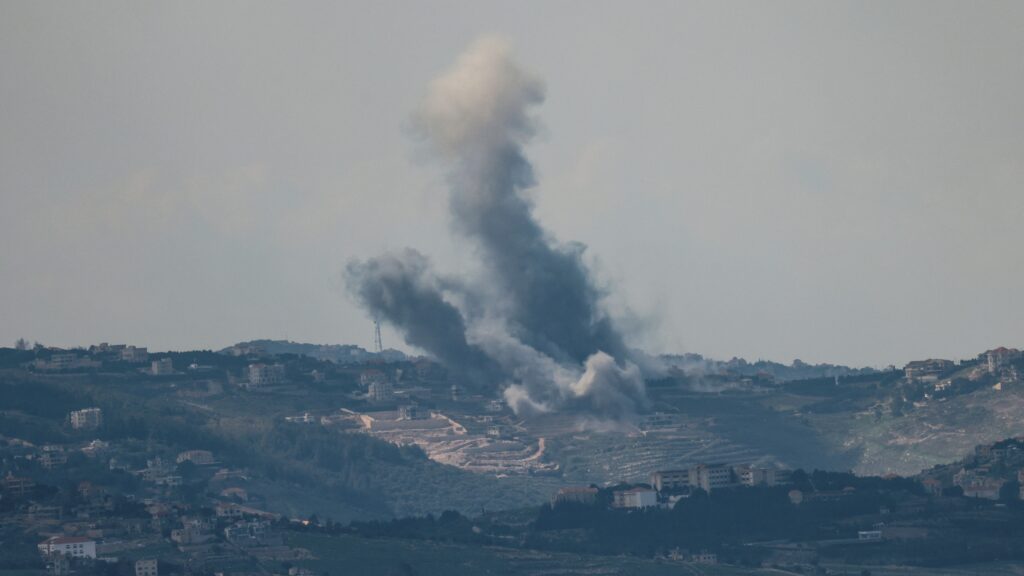
With military activity continuing between Israel and Hezbollah, and repeated calls from President Joseph Aoun, Prime Minister Nawaf Salam, and other key Lebanese political figures for direct negotiations with Israel to resolve the conflict and address outstanding issues, the Pope—with a message of peace—could help Lebanon convey its position. Given the Vatican’s long history of successful backchannel diplomacy and mediation, a Vatican initiative for peace would likely be welcomed by the Lebanese people.
A cornerstone of a sustainable Christian presence in Lebanon is a stable and peaceful country. Looking at the trends of emigration of Lebanese Christians in the past few decades, the number one criterion for their country of choice is security, stability, and the rule of law, which allows them to live their way of life freely—something that they are starting to lose in Lebanon.
‘In a country ravaged by war and socio-economic crises, there is now an opportunity to rebuild a forward-looking nation’
On a more domestic level, Pope Leo XIV should play a role with different Lebanese factions, in a country of 17 minorities trying to coexist. Starting with divisions among the Christians themselves, the Pope should ensure that the Christians of Lebanon have a united vision for the future of their country, which they can convey to their fellow compatriots from different religious backgrounds.
In a country ravaged by war and socio-economic crises, there is now an opportunity to rebuild a forward-looking nation—one that lives in peace and prosperity and cooperates with its neighbours to secure a bright future for its citizens.
A stable and active role for Lebanon’s Christians is a win for everyone: for the Christians of the Middle East, who gain a model and a neighbouring nation with a strong Christian presence to reassure their existence; for surrounding Arab Muslim nations, as a message of peace, tolerance, and coexistence in the cradle of the Abrahamic religions; and for the wider world, especially the West, to ensure that Christianity endures in the land of Jesus and is protected from persecution—a concern long neglected by many so-called Christian nations.
These two expectations are not easy ones, but why should we ask for something easy from the Vicar of Christ on Earth? A very common saying in Lebanon is that to fix the country’s problems, we need miracles, and Pope Leo XIV is the one to go to for them. While his trip to Lebanon includes a visit to the Shrine of St Charbel, the Patron Saint of Lebanon, there is a mission that the two should work closely on.
With the Latin phrase from the Holy Bible, we welcome Pope Leo XIV and recall his mandate for Lebanon and its Christians: ‘Gloria Libani data est’ (‘The Glory of Lebanon is given to Him—God’).
Related articles: