The intervention in Venezuela aligns with the Trump administration’s 2025 National Security Strategy, which explicitly revives the Monroe Doctrine through the so-called ‘Trump Corollary’. This policy frames extra-hemispheric influence, particularly from China, Russia, and Iran as direct threats to US interests in the Western Hemisphere, justifying proactive measures to counter ‘malign’ activities, secure strategic assets, and restore American pre-eminence. The strategy emphasizes homeland protection, curbing narcotics and migration, and reducing extended commitments elsewhere in favour of great-power competition closer to home. The capture is seen as a bold operationalization of this approach, targeting Venezuela’s ties to adversarial powers and signalling deterrence against foreign encroachment in the region.
The action has naturally sparked widespread international condemnation, questions about its legality under international law (including head-of-state immunity and sovereignty violations), and comparisons to historical interventions like the 1989 Panama operation. But whatever this was, this event marks a dramatic escalation in US hemispheric policy, potentially foreshadowing broader military adjustments, expanded deployments, and a more enforcement-oriented stance toward regional security challenges in the coming years.
Interestingly, another ancient tool of hemispheric hegemony is circulating in analytical and policy circles, which might offer a better option for the US government and help avoid the temptations of long-term, state-led wars on narcotics, similar to the failed War on Terror in the Middle East. It would also be a tool more consistent with historic great-power statecraft in an era of multipolarity.
‘Another ancient tool of hemispheric hegemony is circulating in analytical and policy circles, which might offer a better option for the US government’
In early 2025, the Cartel Marque and Reprisal Authorization Act of 2025 was introduced in the House, with a companion Senate bill introduced by Senator Mike Lee in December 2025. This is not the first modern attempt to dust off this authority: in 2001, then-Representative Ron Paul proposed similar legislation to target Islamist terrorists following the 9/11 attacks. The 2025 bills reflect growing frustration with the fentanyl crisis, which proponents describe as a de facto act of war by transnational criminal organizations. By authorizing private armed operators to act beyond US borders, the legislation would enable seizures of cartel property and personnel, with bonds required to ensure compliance and judicial oversight for prizes.
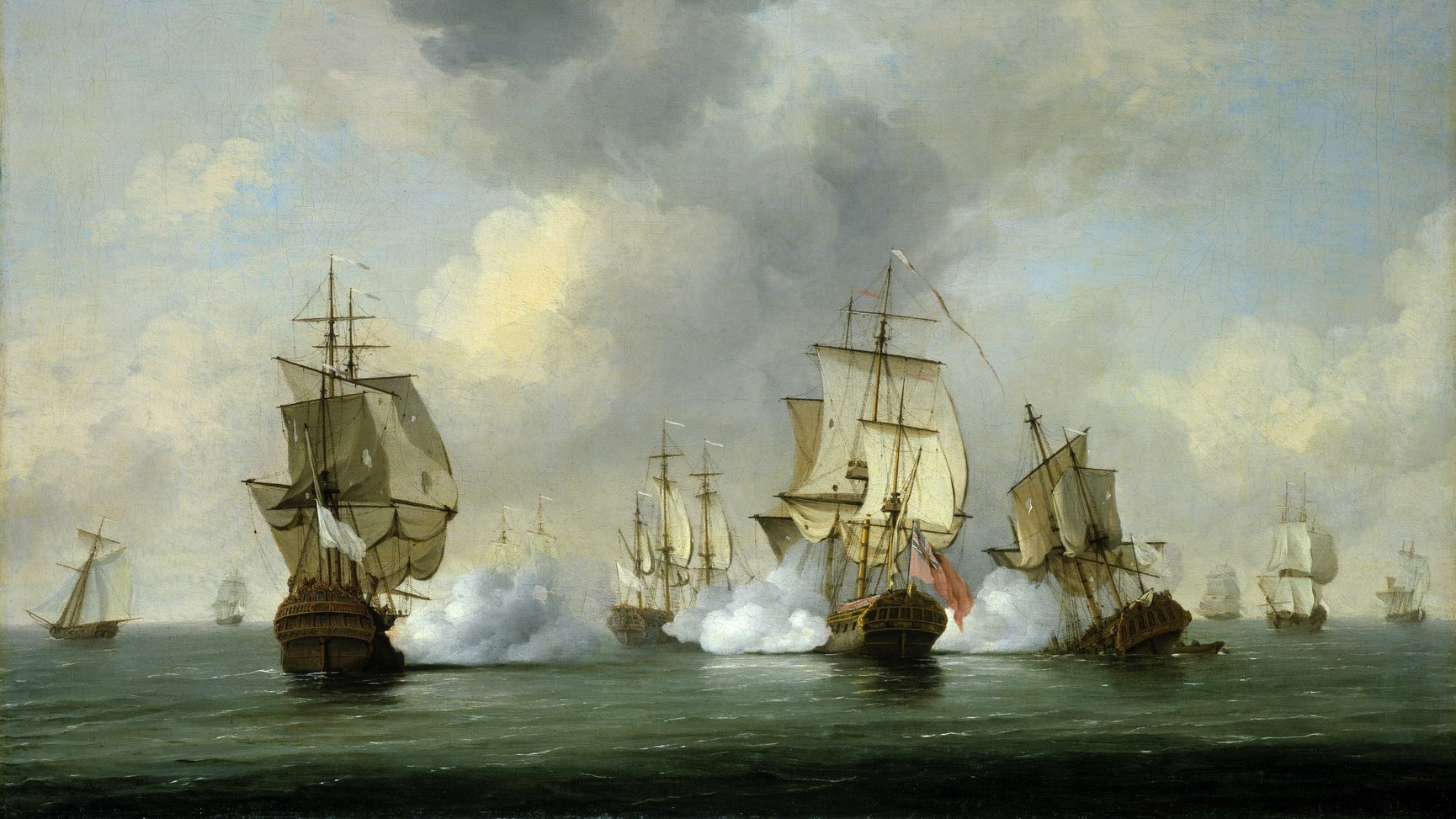
Letters of marque and reprisal trace their roots to medieval Europe, evolving into a sophisticated instrument of statecraft during the Age of Sail. European powers issued these commissions to private vessels, transforming merchants into sanctioned raiders. This system of privateering blended state objectives with entrepreneurial incentives: captains profited from captured ‘prizes’ while advancing national interests, all without the full cost of expanding royal navies.
Britain mastered this model, integrating privateering into its imperial strategy. Many merchant ships doubled as opportunistic privateers, capturing enemy cargo during ordinary trade voyages. During conflicts such as the Seven Years’ War and the American Revolutionary War, British commissions targeted French, Spanish, and Dutch shipping. Strict regulations distinguished legitimate privateers from pirates: owners were required to post substantial bonds, and captured prizes had to be adjudicated in Admiralty Courts before profits could be distributed.
France, facing persistent naval disadvantages against Britain, relied heavily on privateers—known as corsaires—operating from coastal bases to wage commerce warfare and erode British economic strength. American captains, including Nathaniel Fanning, also served under French colours during the Revolution, harassing British vessels.
Other powers adapted the practice to their own needs. Spain’s guarda costas patrolled the Caribbean to curb smuggling by British and Dutch traders, at times venturing north and provoking colonial protests, prompting figures such as Benjamin Franklin to lobby for stronger naval protection. The Dutch, constrained by limited resources, employed privateering to fund operations during wars with Britain, though its effectiveness waned as Dutch naval power declined.
The United States embraced privateering enthusiastically. During the Revolutionary War, Congress issued around 1,700 commissions, bolstering the fledgling Continental Navy and disrupting British supply lines. The War of 1812 saw hundreds of commissions, with privateers inflicting heavy losses on British commerce. Privateering also featured in the Quasi-War with France, compensating for America’s naval weakness. During the Civil War, Congress authorized President Lincoln to issue such letters, but he declined. The Confederacy, however, commissioned privateers aggressively; captured crews faced piracy charges due to the Union’s non-recognition of the rebel government. Though it never ratified the 1856 Declaration of Paris outlawing privateering, America shifted toward a professional navy, rendering the practice obsolete.
‘US defence challenges…highlight the need for unconventional multipliers’
The ‘China question’, however, is reviving these debates. US defence challenges—including depleted stockpiles, overextended forces, and growing numerical asymmetry—highlight the need for unconventional multipliers. Initiatives like the Pacific Deterrence Initiative aim to counter Beijing, but a strained industrial base limits conventional options. Reviving privateering could delegate low-intensity tasks, freeing naval assets.
Scholars note that America’s doctrinal latitude—preserved by its non-ratification of the Paris Declaration—uniquely positions the United States to pursue such adaptations. In irregular warfare, escalation risks loom large, given the generic lack of authority and chain of command. Still, in an age of relative US decline amid rising peers, private actors offer pragmatic utility.
Strategically, letters of marque offer ‘asymmetric attrition’ and ‘plausible deniability’. Weaker states or those wary of public support for full-scale war can erode adversaries gradually through private actors, avoiding direct escalation. During the Cold War, the US employed proxies against the Soviet Union to offset numerical disadvantages without open conflict. Today, amid public fatigue from prolonged wars and the fentanyl epidemic’s toll, proponents argue privateering could disrupt cartels without a hemispheric invasion.
Looking ahead, similar tools might counter China’s growing naval dominance in Asia, where US and allied forces face concentration risks. By empowering non-state actors, letters of marque could interdict threats like China’s maritime militia, preserving high-value assets for peer conflicts. The US’s historical refusal to ban privateering reserves this flexibility in an era of multipolar competition
The return of the power of the Marque will underscore enduring truths in global affairs: that laws of war bend to state needs, and quasi-legal private forces remain potent instruments. Early American leaders’ foresight in rejecting privateering bans may prove prescient, equipping the nation for future multipolarity where asymmetric tools tip balances without full mobilization.
Related articles: