The accelerating destabilization of Earth’s ecosystems is making the nexus between climate change and human health increasingly clear. Anthropogenic alterations to climate systems, land use, and biosphere integrity exert substantial influence on nutritional security, psychological well-being, and the emergence and spread of disease. These health impacts fall disproportionately on vulnerable communities, including future generations, Indigenous peoples, and economically disadvantaged or otherwise marginalized groups, who contribute least to planetary system disruption. Effectively mitigating these interconnected environmental and public health challenges requires recognizing the growing body of evidence that climate change directly undermines the physiological, psychological, and social determinants of health across diverse populations.
Infectious Diseases
A study published in Science Advances examined nine zoonotic diseases (infectious diseases that move from animals to humans) with high epidemic and pandemic potential, including Zika, Ebola, and SARS, and found that about 9 per cent of the world’s population is already at high or very high risk of outbreaks. Rising temperatures, heavier rainfall, and periods of water scarcity are key environmental drivers, indicating that climate change is actively reshaping where outbreak risks are concentrated. More broadly, zoonotic diseases encompass more than 200 known pathogens—which often flourish in warm, humid environments where humans and animals interact closely—such as rabies, avian influenza, and COVID-19. The study also finds that even moderate water scarcity can increase outbreak risk by forcing wildlife and livestock to cluster around limited water sources. Together, these results underscore the strong influence of climate and environmental change on future zoonotic outbreaks.
Climate change is also contributing to a global rise in conditions such as Lyme disease. Higher temperatures allow disease-carrying ticks to expand into new regions, remain active for longer seasons, and reach higher population densities, particularly in temperate areas of North America and Europe. At the same time, many clinicians still find Lyme disease challenging to recognize because symptoms can be subtle, nonspecific, and involve multiple organ systems—factors that contribute to underdiagnosis and underreporting. The bacterium responsible can invade virtually any tissue, producing symptoms ranging from flu-like manifestations to neurological and cardiac complications, which complicate timely detection and effective management.
In the Midwest and especially in the Northeast, warmer annual temperatures and milder winters are linked to higher incidence and a northward spread of cases in the United States. Northern and Eastern Europe—including the Baltic countries—as well as parts of Central and Western Europe, are also becoming high-risk areas. Surveillance data show an upward trend in reported Lyme disease cases since 2015, with many countries recording an average increase of about 36 per cent over their last two reporting years—serving as clear evidence that warmer conditions are lengthening the tick season.
Brain Function and Neurological Health
High temperatures not only disrupt sleep but may also aggravate obstructive sleep apnea (OSA), a common sleep-related breathing disorder affecting nearly 1 billion adults worldwide. OSA is defined by repeated upper-airway blockage during sleep and is associated with cardiometabolic disease, reduced daily functioning, and increased mortality when left untreated. Recent large-scale analyses suggest that the likelihood of experiencing OSA symptoms on a given night is about 45 per cent higher on days around 27°C compared to days around 6°C. This heat-related effect appears stronger in men, people with a higher body mass index, those who sleep longer, and residents of lower-income countries. Climate projections indicate that if global average temperatures rise to at least 1.8°C above pre-industrial levels, the health and well-being burden linked to OSA could increase by roughly 15 per cent by 2100, suggesting that climate mitigation and sleep-health strategies will increasingly need to be considered together.
Extreme heat is already associated with measurable neurological and mental health effects, including increased mortality and changes in brain function. Dravet syndrome—a rare form of childhood epilepsy affecting approximately one in 15,000 children—is particularly sensitive to heat, with seizures often triggered by elevated or rapidly changing temperatures. However, it represents only one example of a broader pattern. Studies show that many neurological conditions worsen during periods of high heat: rising temperatures and humidity exacerbate epilepsy, stroke, encephalitis, multiple sclerosis, and migraine, reflecting the brain’s vital role in regulating the body’s response to heat. Separately, evidence suggests that repeated, long-term exposure to heat waves accelerates biological ageing with effects comparable to smoking or a poor diet, particularly among outdoor workers, rural residents, and lower-income groups.
Analyses of the 2003 European heat wave, which caused over 70,000 excess deaths, indicate that mortality attributed to nervous system and mental disorders rose substantially during the hottest weeks. These findings suggest that around one in ten excess deaths involved neurological or psychiatric causes. A similar pattern has been observed during recent heat periods in the United Kingdom, especially in 2022, with analyses of excess deaths indicating notable heat-related impacts on the brain and cognition, including dementia and other neurological disorders.
‘Analyses of the 2003 European heat wave…indicate that mortality attributed to nervous system and mental disorders rose substantially during the hottest weeks’
Beyond diagnosed disease, high temperatures have been consistently linked to broader changes in brain function, including reduced attention and impaired decision-making, as well as increased irritability, aggression, and symptoms of depression and anxiety. These effects appear to be mediated by heat stress on the central nervous system, neuroinflammation, and hormonal stress responses—all of which can impair emotional regulation and resilience during prolonged periods of extreme heat.
Pollution
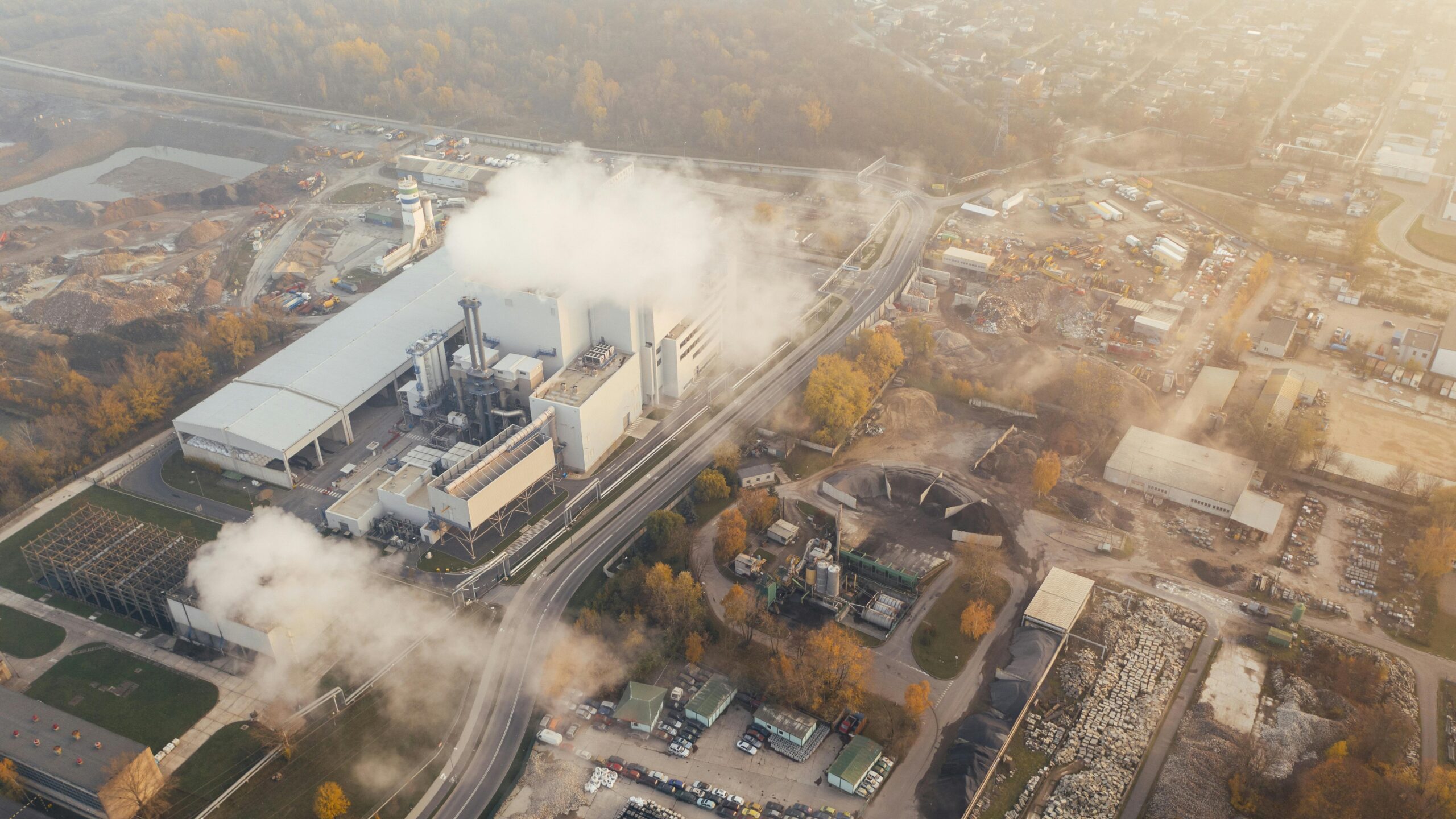
Air pollution across the oil and gas supply chain is estimated to cause 91,000 premature deaths annually in the United States, along with 10,000 preterm births, 216,000 new childhood asthma cases, and 1,610 lifetime cancer cases each year; with communities of colour experiencing disproportionate impacts. The health burdens are greatest in states such as California, Texas, and New York, where hydrocarbon production disproportionately affects Indigenous and Hispanic populations, while processing and refining hit Black and Asian communities harder. Reducing reliance on oil and gas would deliver rapid public health improvements alongside climate benefits, since emissions from this sector account for a major share of fine particulates, nitrogen dioxide, ozone, and hazardous air pollutants.
Fine particulate matter (PM2.5) also poses major health risks, including elevated incidence of heart disease, stroke, asthma exacerbations, chronic obstructive pulmonary disease, lung cancer, and low birth weight or preterm delivery. In 2017, PM2.5 exposure was responsible for about 3.83 million premature deaths worldwide, primarily from heart disease and stroke, with China and India accounting for more than half of the cases. PM2.5 sources differ by region: windblown dust predominates in arid zones such as North Africa, the Middle East, and Central Asia; coal combustion predominates in China, South Africa, and parts of Europe; whereas in the United States, key sources vary by region and include agriculture, fossil fuel combustion, dust, wildfires, and transportation.
Related articles: