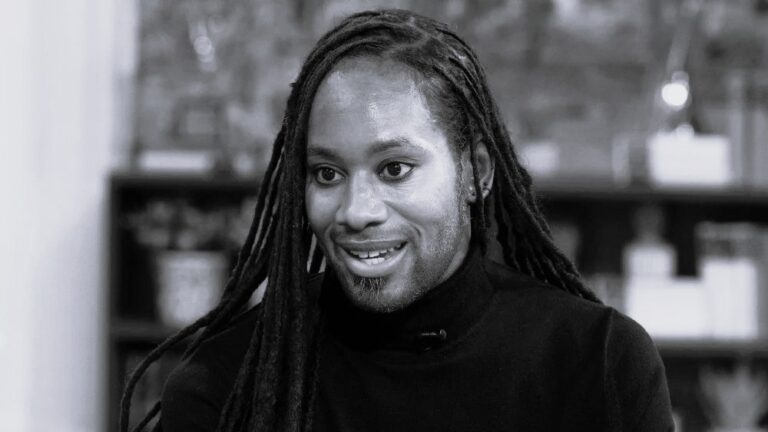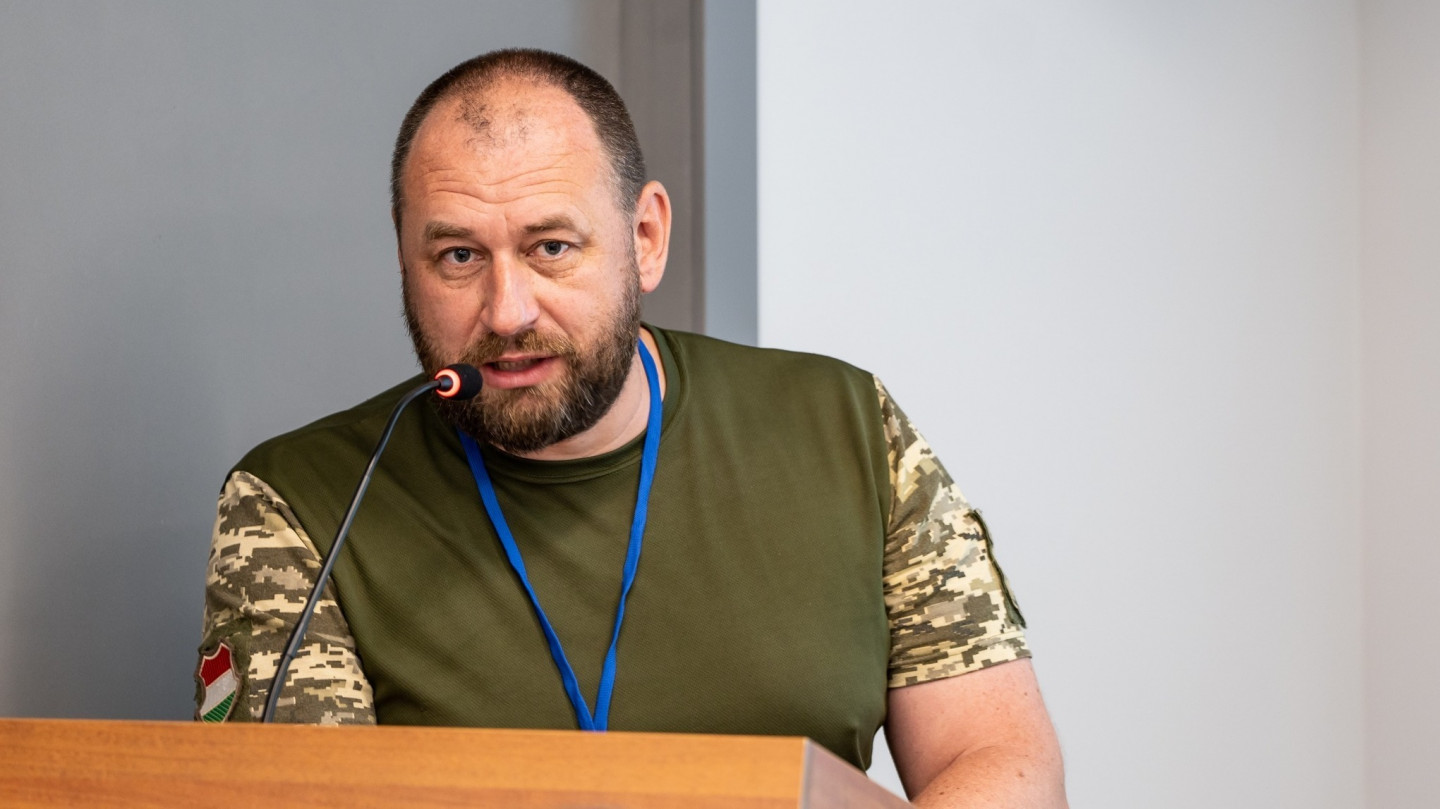
Hungarian government spokesman Zoltán Kovács has sharply criticized a recent interview with Ukraine’s Ambassador to Hungary Sándor Fegyir, published by The Atlantic, arguing that the diplomat’s remarks go beyond routine campaign commentary and raise serious concerns about potential destabilization ahead of the country’s upcoming parliamentary election.
In a post on X, Kovács highlighted a particular part of the interview in which Fegyir discussed escalating tensions surrounding the campaign and the possibility of growing pressure, confrontation, and deepening division within Hungarian society in the coming 12 days. ‘Physical contact, destroy the society, two parts,’ Kovács quoted Fegyir, describing it as a ‘direct description of escalation’ rather than a cautious diplomatic warning.
According to Kovács, the phrasing suggests not merely concern about rising tensions but a level of certainty that ‘raises a basic question: Why does this sound less like a possibility and more like an expectation?’
Kovács linked the remarks to developments in recent weeks, including alleged foreign operations, intelligence leaks targeting the government, and ‘opposition-connected networks with external ties’. In this context, he argued, the ambassador’s comments ‘stand out even more’ and contribute to an already volatile political environment.
‼️ Ukraine’s ambassador to Hungary: “Physical contact, destroy the society, two parts”
— Zoltan Kovacs (@zoltanspox) April 1, 2026
📰 A new interview with Sándor Fegyir in The Atlantic sets out to portray a poor Ukrainian diplomat navigating a difficult political environment. The premise is familiar: Hungary’s election… pic.twitter.com/nRtZtfjQWG
In the interview, Fegyir repeatedly framed the Hungarian election campaign as driven by political messaging rather than substantive threats. He described the current period as a ‘stupid period’ and suggested that many controversies involving Ukraine are shaped by electoral dynamics. He also downplayed accusations by the Hungarian government of foreign interference by Kyiv.
Fegyir rejected the government’s portrayal of Ukraine as a hostile actor, treating such narratives with visible scepticism. Referring to campaign materials depicting Ukrainian President Volodymyr Zelenskyy, he remarked: ‘Maybe next election, he’ll be the president in Hungary,’ before clarifying that ‘it’s a joke.’
Kovács further criticized the ambassador’s remarks on Hungarian domestic politics, pointing to comments about opposition leader Péter Magyar. In the interview, Fegyir described Hungary as a ‘beautiful, sexual nation’ and referred to Magyar as ‘young’, ‘easy on the eyes’, and ‘not impotent’. Kovács argued that such language is ‘difficult to interpret as anything resembling standard diplomatic conduct’, particularly ahead of a high-stakes election.
‘Taken together, this paints a picture that goes beyond an unconventional interview style. It shows a foreign representative speaking with confidence about internal disruption, while also signalling clear sympathy, or even attraction, towards a specific political actor,’ Kovács wrote, adding that ‘it is a warning that Hungary cannot ignore.’
Related articles:
At a time when public debate is increasingly polarized and superficial, Hungarian Conservative remains committed to depth, intellectual honesty, and independent conservative thought.
Producing high-quality journalism requires resources. Your contribution helps us expand our coverage, reach new audiences, and keep our content accessible.

Please consider supporting our mission.