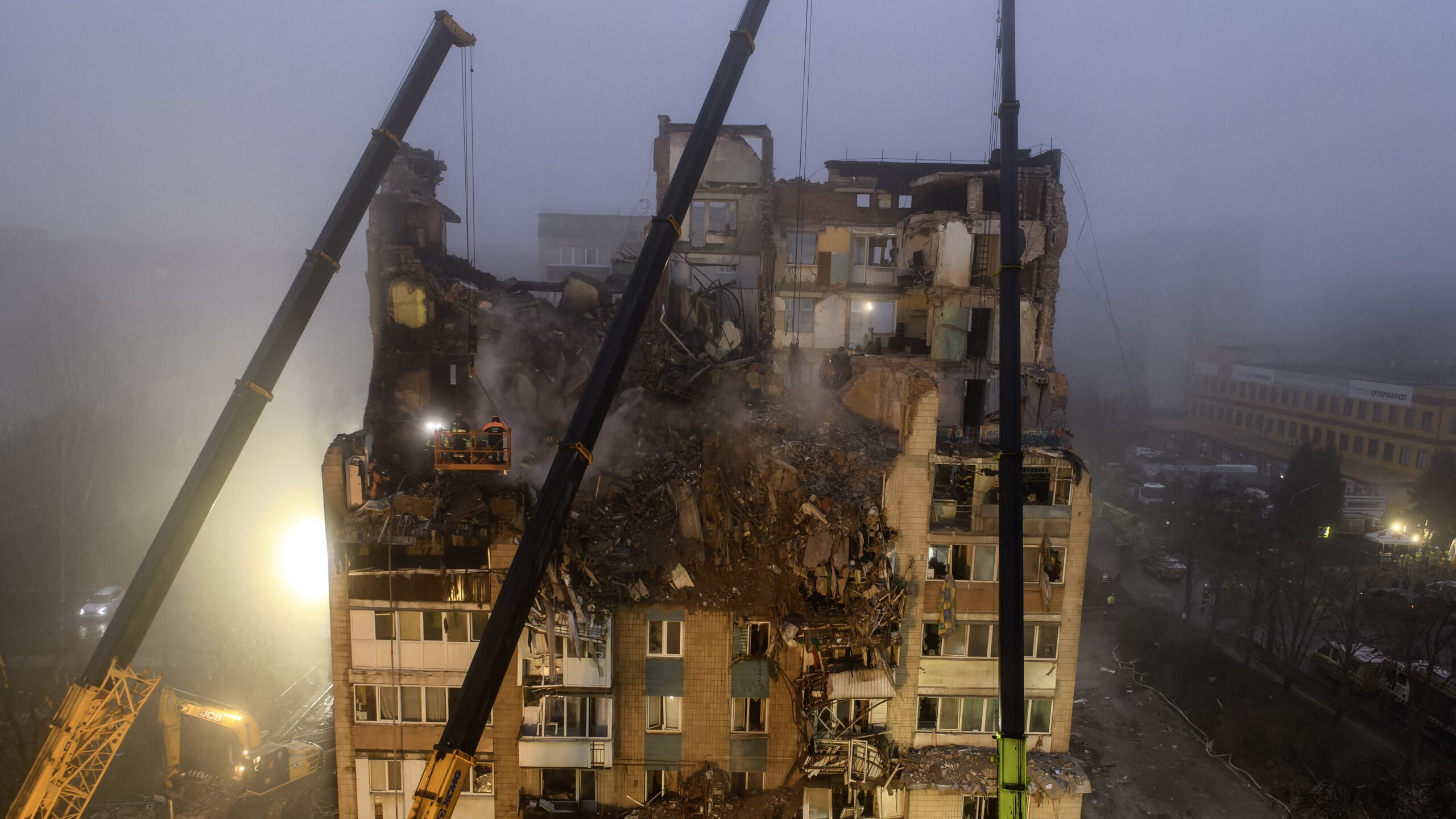
The city of Ternopil in western Ukraine was left in shock when civilians, including children and the elderly, were hit by a Kh-101 missile in one of the worst tragedies of the conflict in the early hours of 19 November.
In the early hours of November 19, Russian armed forces launched a Kh-101 missile strike on a residential building in the city of Ternopil, causing significant destruction. The missile was manufactured in 2025 and contained 175 foreign components that were delivered to Russia in violation of international sanctions. Ukraine has requested the United States’ assistance in disrupting such procurement and supply chains, providing detailed information on the manufacturers of these critical components, their countries of origin, and the components themselves.
The Kh-101 is a modern Russian air-launched long-range cruise missile designed for precision strikes. Its stealth-focused design makes it difficult to detect, as it flies at very low altitudes, sometimes as little as 30–70 metres, to evade radar systems. Its range is exceptionally long, between 2,500 and 5,500 kilometres, allowing Russia to strike distant targets while remaining within its own airspace. The missile travels at speeds of around 700–900 kilometres per hour and is extremely accurate, capable of hitting its designated target within a few meters.
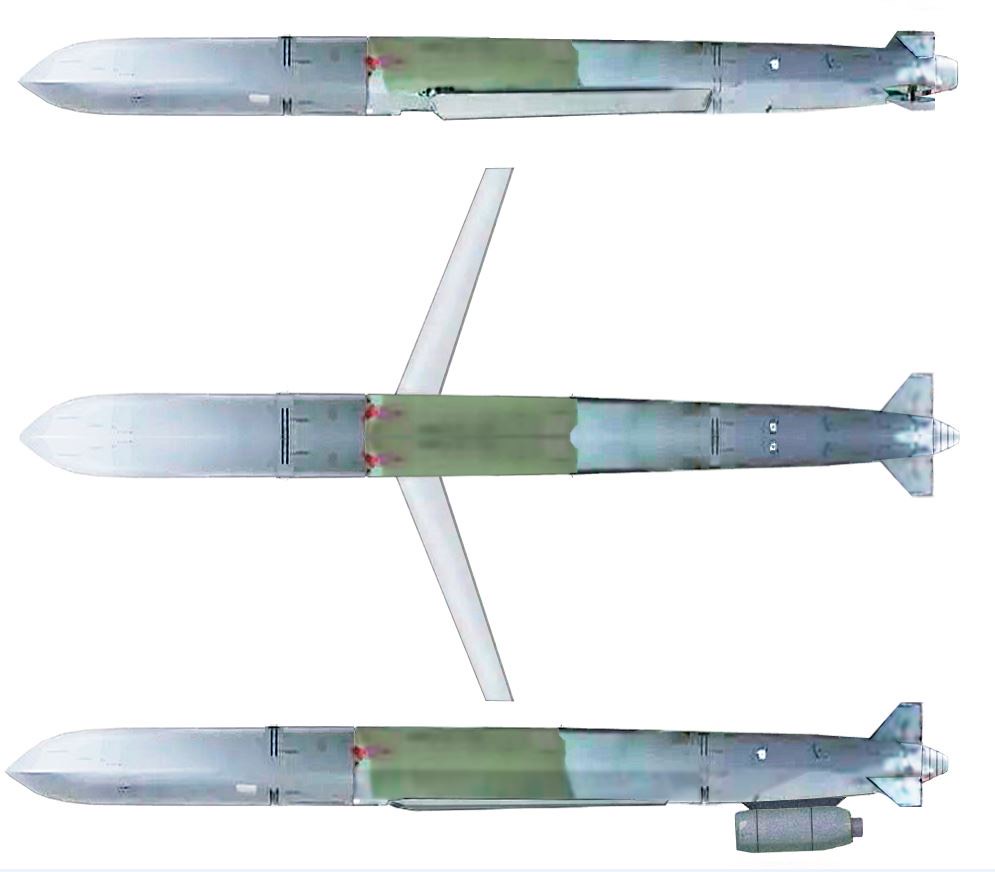
The Kh-101 carries a warhead of about 400 kilograms, fitted with a powerful conventional explosive capable of destroying entire residential buildings. Although it was intended to be used only against military infrastructure, in practice it has often struck civilian facilities. Its long range, stealth, and destructive power make it particularly dangerous in densely populated urban areas. The use of such a weapon against residential areas has severe humanitarian consequences and raises serious concerns under international law.
‘Its vast reach, stealth characteristics, and destructive capacity make it particularly dangerous to densely populated urban areas’
The impact immediately triggered search and rescue operations. More than 230 first responders and rescue teams from nine Ukrainian regions were deployed to help search for survivors trapped under the rubble. The severe damage and fragmentation of the structures meant that in some areas, only manual assistance was available, significantly slowing down rescue efforts. At present, 22 people are listed as missing, and the search continues, while 26 individuals, including three children, have been confirmed dead. Local authorities expressed their condolences to the families and loved ones of the victims.
At the political level, the President of Ukraine expressed gratitude to US President Donald Trump and his team for their efforts to restore security in Europe. On the same day, President Zelenskyy met with US Secretary of the Army Daniel P Driscoll to discuss practical ways to promote genuine peace, possible formats for dialogue, and a new impetus for diplomatic cooperation. The country’s leadership emphasized that the lives and independence of Ukraine depend on the courage of its people, the unity of the state, and the support of international partners, and that strengthening all three elements is essential for the nation’s defence.
Just a week before the attack, I spent five days in the exact same housing estate in Ternopil, in an apartment opposite the building that had been destroyed in a major tragedy. At the time, the area was relatively quiet. The edge of the housing estate was marked by a modest playground, and the streets were populated mainly by women, the elderly, and children. The city has an estimated population of approximately 225,004, making it slightly larger than Košice or Debrecen, yet it holds no strategic military significance. Many sought refuge here from the war, believing that Ternopil was a safer haven precisely because it was not a target—a hope now cruelly shattered by the brutal reality of the strike.
‘The Russian claim of targeting military targets does not reflect reality. Ternopil is not a strategic city’
The attack itself was severe and utterly grievous. Missiles and drones struck directly at residential buildings in the very heart of the estate, where innocent civilians, including children and the elderly, lost their lives, and many more were seriously injured. The sight of the ruins, the desperate cries of survivors emerging from the rubble, and the scale of the destruction undoubtedly confirm that the Russian claim of targeting military targets does not reflect reality. Ternopil is not a strategic city. This attack hit the core of the civilian community.
The city’s geographical proximity, just 150 kilometres in a straight line from the Hungarian border, adds an additional dimension to this disaster. The devastation has shattered the lives of residents, leaving entire communities in ruins. Delivering aid, coordinating relief efforts, and carrying out rescue operations in a region previously considered relatively safe is now a major challenge.
Ternopil is no longer merely a city in western Ukraine. It has become an unexpected and dramatic frontline in this brutal conflict. This tragedy is a stark reminder that civilian infrastructure is vulnerable and that civilians bear the brunt of war. The deaths of the elderly and children, and the missing trapped under the rubble, serve as a personal warning to us all. War is never far from everyday life.
Related articles: