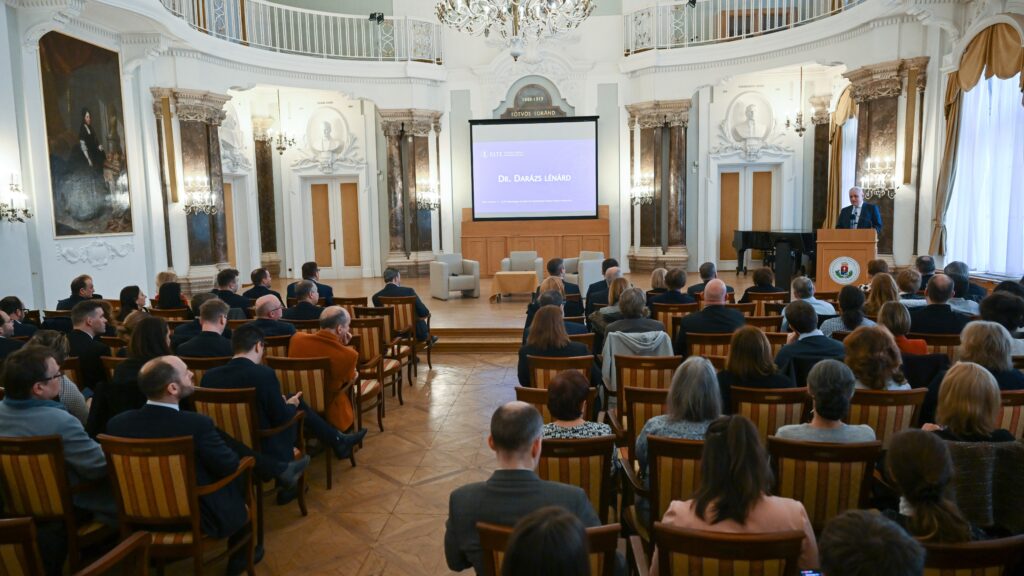
European sanctions on Russian energy have resulted in overall job losses of 5.4 million in the short run and 32.3 million in the long run, according to a recently published analysis by the Hungarian Institute of International Affairs (HIIA).
The report analyses how much economic damage the sanctions imposed by the European Union on Russia have caused to European economies, concluding that the costs for Europe have been severe, while their impact on Russia has been limited.
Since the outbreak of the war in Ukraine, Brussels has introduced successive packages of sanctions with the declared aim of reinforcing pressure on the Russian government and limiting the Kremlin’s resources for the war effort. However, the HIIA study argues that these measures have failed to achieve their core objective. Russia’s war economy has continued to function, industrial production related to the conflict has remained robust, and the broader consumer economy has proven more resilient than many anticipated.
Cutting Off Russian Energy
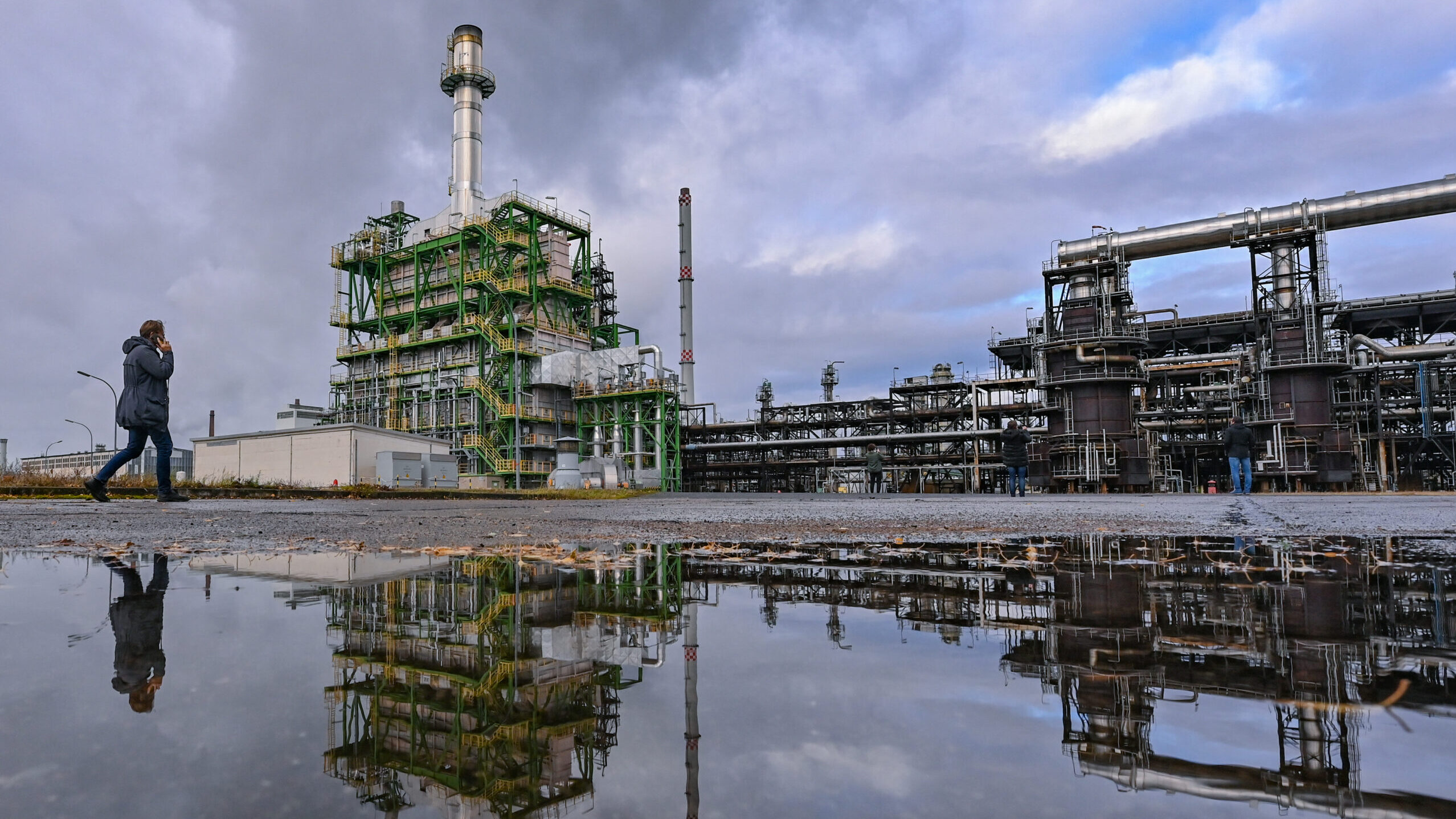
At the same time, Europe has largely cut itself off from cheap Russian energy—particularly pipeline gas—and replaced it with significantly more expensive liquefied natural gas imports. This shift has driven up energy prices across the continent, contributing to a prolonged cost-of-living crisis. According to recent polling cited in the analysis, 20 per cent of European citizens struggle to heat their homes, while 25 per cent have difficulty paying their utility bills on time.
The report highlights that European energy prices for non-household consumers are now approximately two and a half times higher than in the United States, while gas prices are around five times higher. Electricity prices for European industry have more than doubled in recent years, severely undermining competitiveness.
‘The study calculates total job losses of 5.4 million across the EU economy in the short run’
Drawing on estimates from the European Central Bank, the analysis notes that for every 10 per cent increase in electricity prices, manufacturing employment declines by 1–2 per cent in the short run and 6–7 per cent in the long run. Applying these parameters to the post-sanctions surge in energy prices, the study calculates total job losses of 5.4 million across the EU economy in the short run—reflecting the impact already absorbed over the past four years—and a potential 32.3 million in the long run if the current energy regime remains in place until 2032–2034.
The services sector, the report argues, would be hit even harder than manufacturing, as industrial activity underpins demand for a wide range of service jobs. As manufacturing contracts, spillover effects amplify employment losses throughout the broader economy.
Unprecedented Case of Economic Self-Harm
The GDP impact is similarly stark. The analysis estimates that European output has already declined by €388.9 billion in the short run due to higher energy costs linked to the sanctions, equivalent to around 2.05 per cent of GDP. In the long run, cumulative losses could reach €2.24 trillion, around 11.8 per cent of GDP, if the current policy trajectory continues.
To test its conclusions, the report compares model-based projections with actual employment data. It finds that, absent the sanctions and the associated energy price shock, both manufacturing employment and overall employment would likely have returned to their pre-war trends following the pandemic. Instead, employment growth has stagnated. According to the authors, this divergence suggests that restricted access to affordable energy has been a decisive factor behind Europe’s economic slowdown.
‘Cumulative losses could reach €2.24 trillion, around 11.8 per cent of GDP’
The study concludes that the sanctions have imposed substantial economic costs on the European Union, contributing to deindustrialization pressures, declining competitiveness, and lower living standards. Meanwhile, it argues, Russia has adjusted to the new trade environment, while other global competitors, including China, continue to benefit from access to cheaper energy supplies.
If maintained in their current form, the report warns, the sanctions risk shrinking the European economy by nearly 12 per cent over the coming decade—an outcome it describes as a historically unprecedented case of economic self-harm.
Related articles: