In a stark assessment at a major defence technology conference, Yuval Steinitz, the chairman of Israel’s Rafael Advanced Defense Systems and former Israeli cabinet minister, delivered a sobering message related to future military threats. Talking about the prospects of a war with Iran, he warned that Tehran could strike beyond the Middle East and even target European cities in future hostilities.
The Element of Surprise
Speaking at the Ynet defence high-tech forum, Steinitz emphasized that no nation can completely avert strategic surprises, whether from militant groups or state adversaries. Drawing on lessons from history, he warned that surprises in war are inevitable and that Israel must be structured to withstand shocks without collapsing.
‘There is no absolute way to prevent surprises,’ Steinitz said, reminding the audience that in every era, from ancient battles to modern conflicts, opposing sides manage to catch each other off guard.
Steinitz’s remarks are particularly noteworthy given the possibility of US military intervention in Iran, which has been looming since Tehran brutally crushed nationwide anti-government protests in January that, according to some sources, resulted in the deaths of around 30,000 participants. Reacting to the bloody crackdown, Donald Trump promised assistance to the Iranian protesters, which led to the redeployment of naval assets—including the USS Abraham Lincoln aircraft carrier and its strike group—from the Indo–Pacific region to the Middle East, thereby expanding Washington’s military options vis-à-vis Iran. So far, however, no US military action has taken place, as US and Iranian officials have engaged in diplomatic talks aimed at easing tensions.
Berlin, Vienna and Budapest
Reflecting on last year’s 12-day confrontation with Iran back in June 2025, Yuval Steinitz said both sides have learned from the conflict, but stressed that Israel’s defences are stronger now—including enhanced cooperation with the United States, which he described as a crucial strategic asset that was absent in previous confrontations.
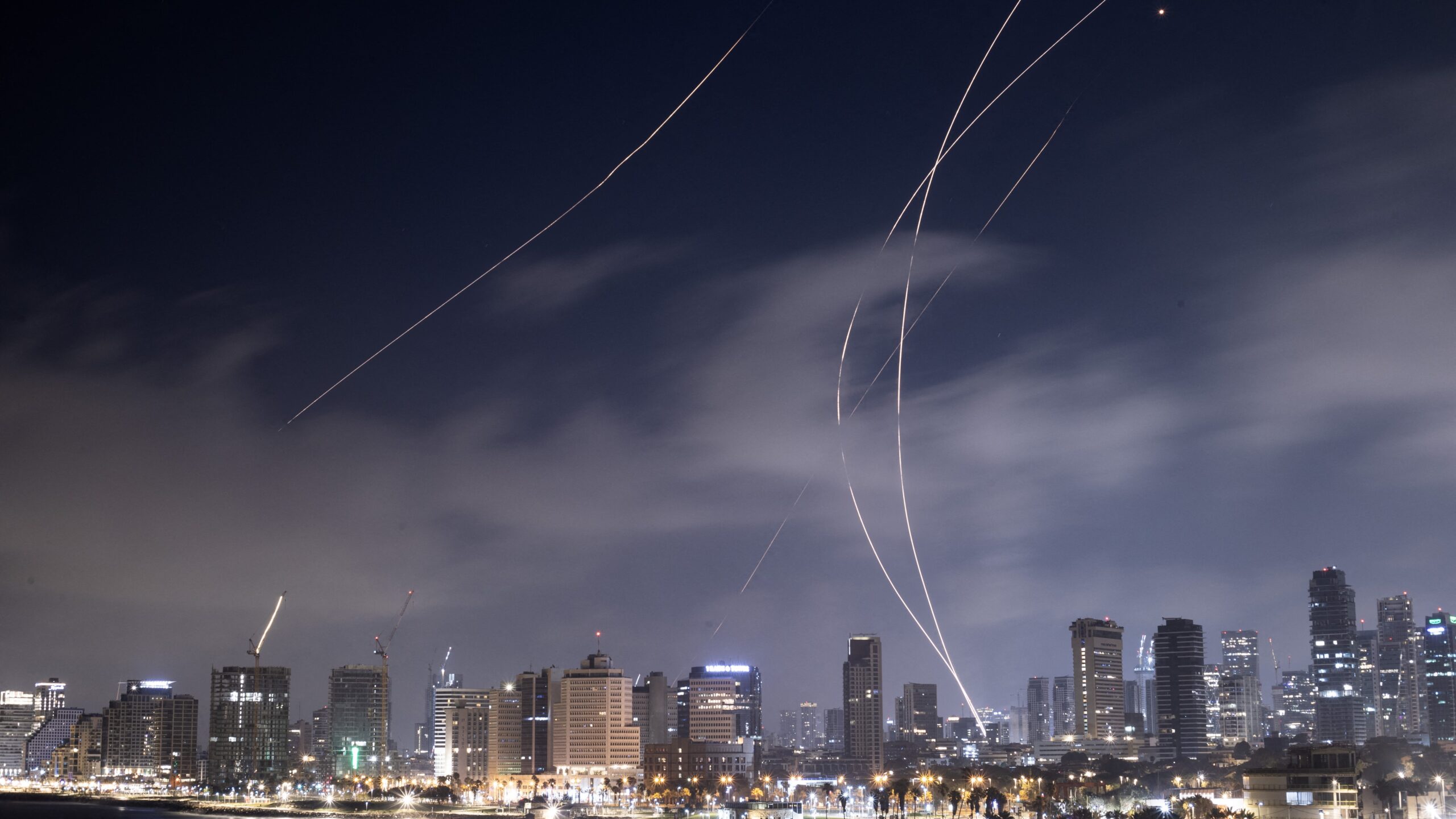
According to Steinitz, Iran’s original plan in last year’s conflict was to fire between 1,500 and 2,000 missiles at Israel, but Israeli pre-emptive action and targeting on Iranian soil reduced that number significantly. Of the approximately 550 missiles that were launched, around 50 struck targets.
‘They may try to hit European countries—Berlin, Budapest, Vienna’
Steinitz also addressed the potential for future escalation with Iran, saying the Islamic Republic’s leadership has studied the June conflict and adjusted its approach. While Tehran knows it cannot defeat the US or its allies outright, he warned they may still seek to inflict damage.
‘I would not be surprised if they try to strike with missiles beyond the Middle East,’ Steinitz said. ‘They may try to hit European countries—Berlin, Budapest, Vienna,’ he added, suggesting European capitals could be in range in a broader confrontation.
Nuclear Capability and Ballistic Missiles as Top Threats
Steinitz identified a nuclear capability as the foremost long-term danger, even if Western and Israeli efforts have so far denied Iran most of that capability. Behind that, he placed ballistic missiles—systems Tehran could use to launch large salvos under wartime conditions.
To meet these high-level threats, Steinitz said Israel already fields a multilayered air defence system—including Iron Dome, David’s Sling and the Arrow series—capable of intercepting a wide range of rocket and missile threats. He also highlighted two groundbreaking advancements being developed by Rafael: a hypersonic interceptor and a laser defence system.
Iran’s nuclear programme and ballistic missile capabilities have long been a source of concern for regional states as well as for the United States. The 12-day war last year was launched precisely to significantly roll back Iran’s nuclear ambitions, which—based on Israeli and American intelligence assessments—were believed to be approaching the breakout point necessary for producing a nuclear bomb. The ongoing US–Iran negotiations are also centred on these two issues. However, in his most recent statement, Vice President JD Vance said that, regarding the talks, Tehran is unwilling to make concessions on nuclear capabilities.
‘One thing I will say about the negotiation this morning: In some ways, it went well—they agreed to meet afterwards. But in other ways, it was very clear that the president has set some red lines that the Iranians are not yet willing to actually acknowledge and work through,’ Vance told Fox News, without providing further detail.
Related articles: