‘For Hungary, Türkiye is a key strategic partner—without it, ensuring energy supplies, maintaining the flow of goods, and managing migration pressure would be impossible,’ Prime Minister Viktor Orbán said after meeting the Turkish president.
High-Level Talks Across All Sectors
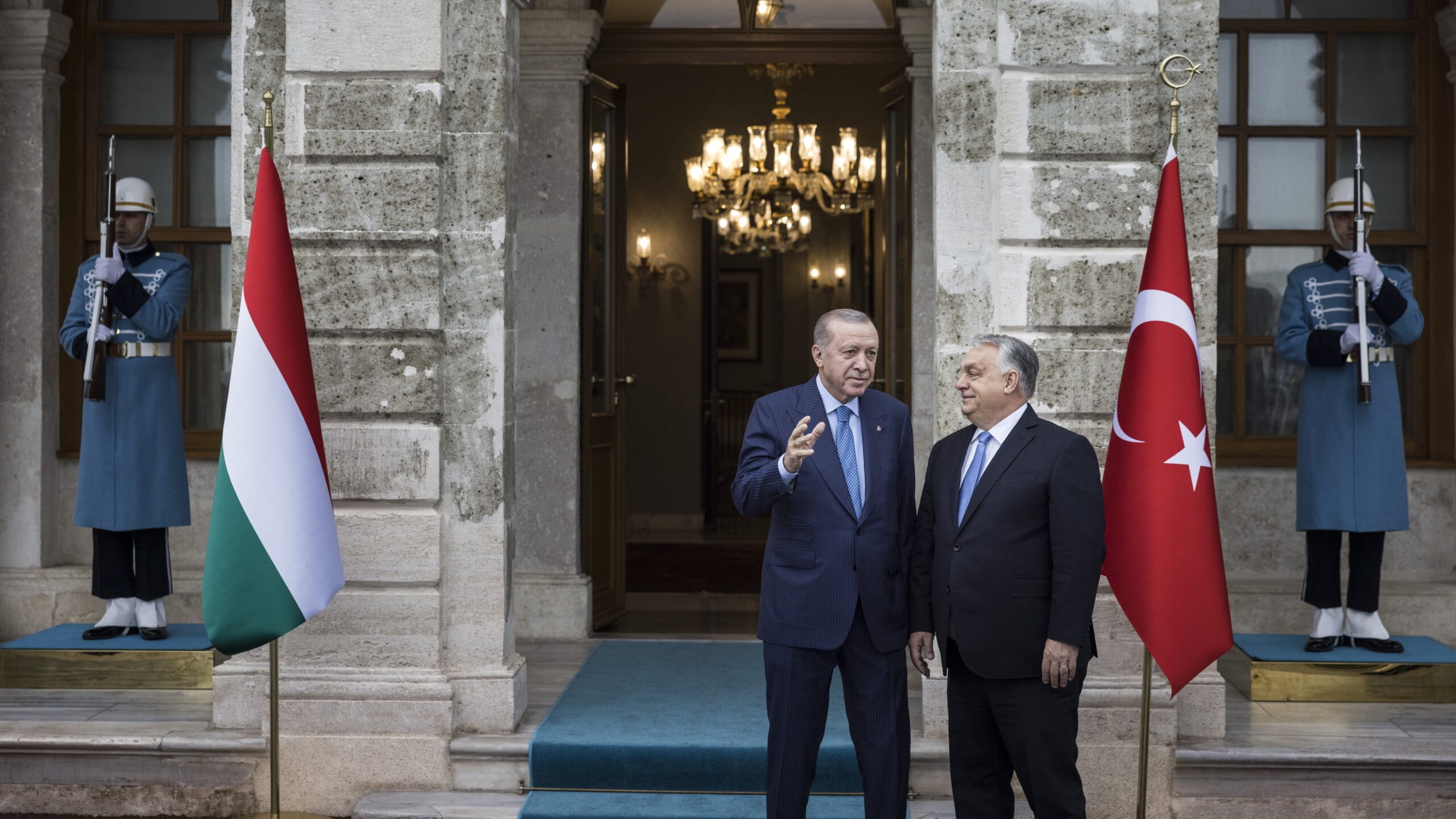
On 8 December, in Istanbul, Hungarian Prime Minister Viktor Orbán met with President Recep Tayyip Erdoğan for the 32nd time—this time at the historic Dolmabahçe Palace. The venue underscored the significance of the visit, during which the two leaders held high-level bilateral talks. Orbán arrived with eight of his ministers, reflecting the breadth of cooperation between Hungary and Türkiye. Cabinet members—from foreign affairs and energy to defence, culture, EU affairs, the economy and agriculture—all held bilateral consultations with their Turkish counterparts.
Orbán stressed that Hungary and Türkiye both belong to the ‘camp of peace’, insisting that the Russo–Ukrainian war must be resolved not on the battlefield but at the negotiating table. Hungary, he said, appreciates Türkiye’s diplomatic efforts in this regard. Discussions also covered Hungary’s energy security, where Ankara plays a crucial role in guaranteeing supply routes; plans to boost annual bilateral trade from today’s 6 billion to 10 billion dollars; and a growing portfolio of defence agreements.
Deepening Defence Cooperation
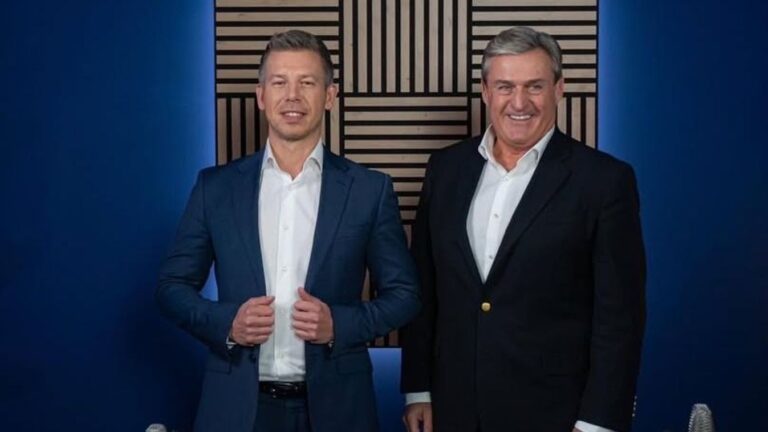
Hungarian Defence Minister Kristóf Szalay-Bobrovniczky offered further details after the meeting of the Hungarian–Turkish High-Level Strategic Cooperation Council. He emphasized that the strategic partnership launched in 2023 has become more than a diplomatic framework—it has evolved into a tangible resource serving both nations’ strategic interests. The Istanbul visits also provided an opportunity for bilateral talks with National Defence Minister Yaşar Güler and Industry and Technology Minister Mehmet Fatih Kacır.
Szalay-Bobrovniczky highlighted that since 2023, Hungarian–Turkish defence industrial cooperation has not only delivered new military capabilities but has also strengthened Hungary’s strategic position. ‘We have built a partnership that supports force development, the rebuilding of our defence industry, and Hungary’s role in the region’s security architecture,’ he said. One key contribution to the development of the Hungarian Defence Forces has been the Gidrán armoured vehicle: more than one hundred of these modern combat vehicles are now in service.
A flagship project of the cooperation is indeed the acquisition and domestic manufacturing of the Turkish Ejder Yalçın MRAP (Mine-Resistant Ambush Protected) vehicles, known in Hungary as Gidrán. Announced in early 2020, Hungary is reported to have ordered more than 300 of the 4×4 armoured carriers. Under the cooperation agreement, production of the vehicles is expected to begin in Hungary following the Turkish model, alongside research, development and innovation activities. Additional radar and weapons systems have already been integrated onto the Nurol Makina–built base platform in Kaposvár—a process that will continue even as domestic manufacturing ramps up.
The defence minister also noted in Istanbul that the 2025 Hungarian–Turkish Year of Innovation will further strengthen cooperation in defence innovation. A major milestone is the creation of the Hungarian–Turkish Defence Innovation Working Group, which has already launched new partnerships between companies from both countries.
Szalay-Bobrovniczky added that he reviewed details of bilateral military cooperation with his Turkish counterpart, reaffirming Hungary’s intention to maintain and expand joint efforts. Beyond defence industry ties, the cooperation has recently grown to include defence innovation, as well as joint training, education programmes and military exercises. He cited the recently completed Adaptive Hussars 25 exercise as an example, expressing gratitude for the large and active Turkish participation.
As part of the high-level meetings, Hungary and Türkiye also convened the first-ever session of the Hungarian–Turkish Consultation Mechanism, bringing together the foreign ministers, defence ministers and national security officials of both countries—a format Türkiye reserves only for its closest partners. The new mechanism is expected to further reinforce existing cooperation in foreign, security and defence policy, as well as in the defence industry.
Related articles: