President Trump has been highly critical of mail-in voting since the lead-up to the 2020 US presidential election. He ended up losing that race to Joe Biden—although he maintains he was cheated to this day.
His misgivings about voting by mail have persisted into his second term. Therefore, in March 2026, he issued Executive Order #14399, titled Ensuring Citizenship Verification and Integrity in Federal Elections.
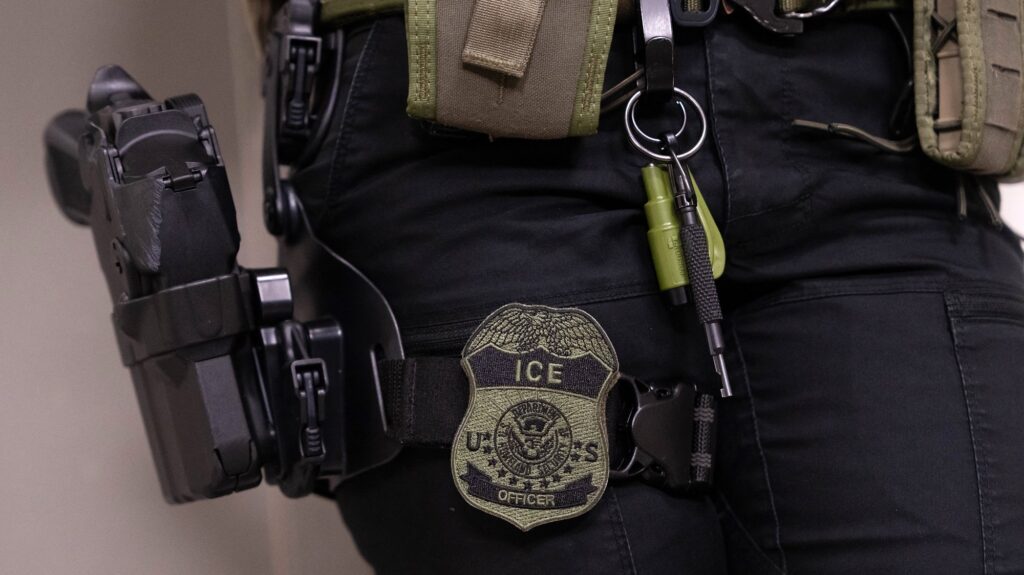
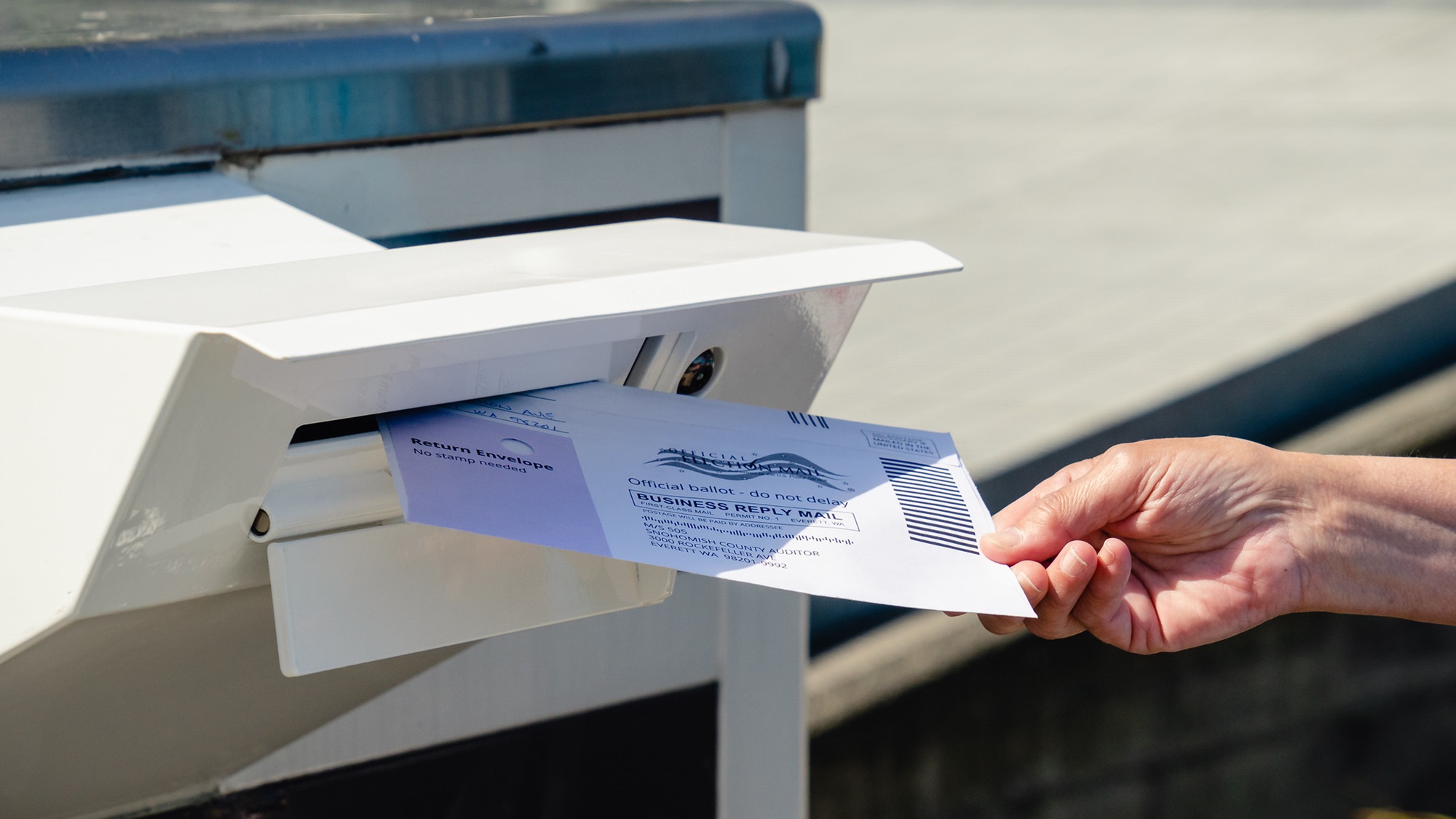
In it, he calls on the Department of Homeland Security to compile a list of certified US citizens eligible to vote for each state, and orders the US Postal Service to have a better tracking system for absentee ballots, as well as only deliver mail-in ballots to people on the state’s eligible voters list made by the DHS.
All these seem reasonable measures to ensure a fair and safe election for the American people this November and beyond. Perhaps that is why 23 states led by Democratic administrations, along with the District of Columbia, sued the federal government in order to stop the safety measures from being implemented for the 2026 midterm elections. The case is known as California v Trump.
However, their efforts have just received a major blow from the US Supreme Court—although not a conclusive one.
In a six–three vote, the highest court ruled that the nationwide injunction issued by a Circuit Court judge must be lifted pending a definite review by the Supreme Court.
Is Mail-In Voting Still Legal in the 2026 Midterms?
In practice, the new SCOTUS ruling means that the DHS, led by Secretary Markwayne Mullin, can start the process of creating eligible voters’ lists for states.
However, the EO’s directive to the USPS remains unenforceable, as a different national injunction—issued by the same judge as the one just lifted by the Supreme Court—is still in effect.
Thus, evidently, Americans still have the option to vote by mail in the 2026 midterm elections—as they would even if the Supreme Court eventually upholds all aspects of President Trump’s executive order. The difference is that they would need to be included on the DHS eligible voters’ list in order to do so.
The Los Angeles Mayoral Election Scandal
The peculiarities of mail-in voting have received national attention again following the Los Angeles mayoral primary election in June of this year.
California holds a so-called ‘jungle primary’, in which candidates from all parties compete in one primary field, and the top two advance to the general election in November. With about 50 per cent of the vote, incumbent Mayor Karen Bass of the Democratic Party led the field, followed by her primary Republican challenger Spencer Pratt in second place. Pratt had about a 10-point advantage over another Democrat, the progressive-socialist Nithya Raman, in third place.
However, about five days after the actual voting took place, Raman eventually overtook Pratt in second place, thus two Democratic candidates will face off against each other for the Mayorship of the US’s most populous city this fall. A large bulk of the late-counted ballots came in via mail-in voting, as California law mandates that mail-in ballots must be counted even if received up to seven days (!) after the election, provided they are dated to election day or earlier.
The strange incident prompted President Trump to once again voice his concerns about mail-in voting and the dangers it poses to election integrity.
Related articles:
At a time when public debate is increasingly polarized and superficial, Hungarian Conservative remains committed to depth, intellectual honesty, and independent conservative thought.
Producing high-quality journalism requires resources. Your contribution helps us expand our coverage, reach new audiences, and keep our content accessible.

Please consider supporting our mission.