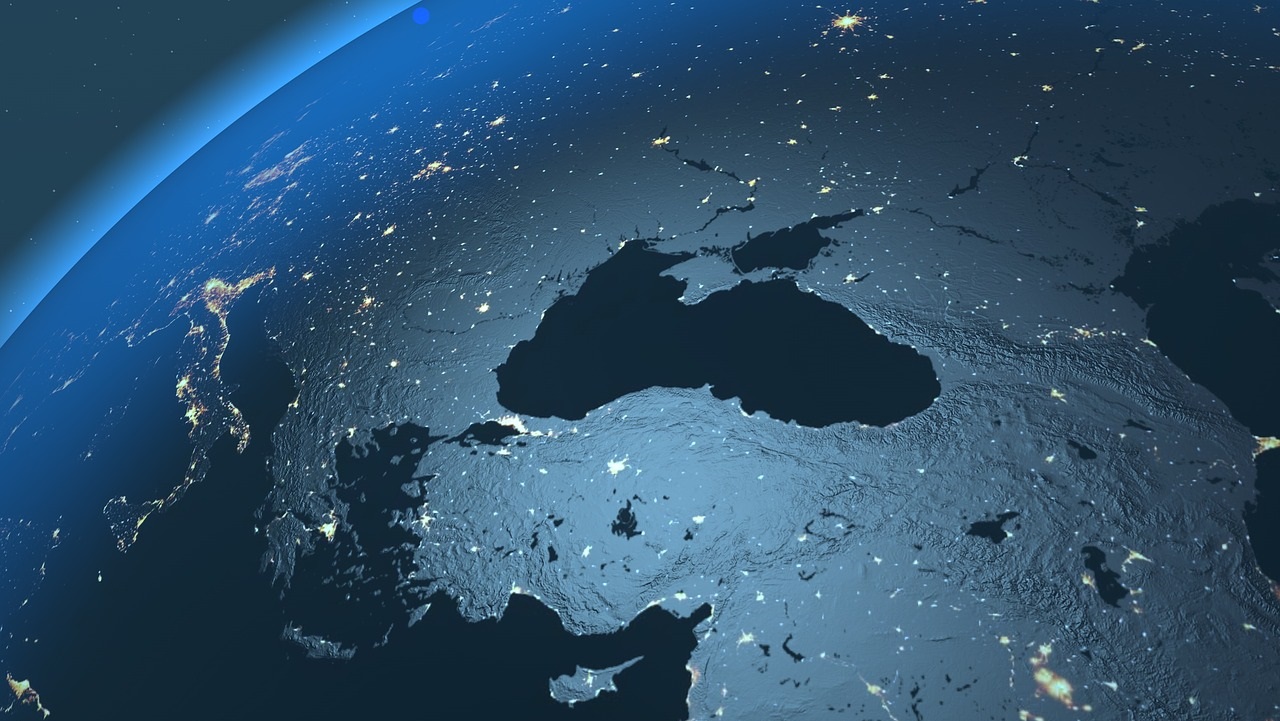
While vessel traffic in the Strait of Hormuz is still heavily restricted by the Islamist regime of Iran, rattling the global energy markets, a very similar issue is simultaneously developing in Europe. Since July, Russia has been threatening commercial maritime traffic in the Black Sea by—just like Iran—striking vessels transporting goods with missiles.
This is crucial for the global economy since Ukraine is the world’s largest grain exporter, providing about 50 per cent of the global sunflower seed and sunflower oil supply, and about 12 per cent of the crucial global wheat supply.
Kyiv has responded to the newly initiated maritime blockade by hitting two major grain terminals in the city of Novorossiysk, Russia with missile strikes. This adds further pressure to the global food product markets, as Russia is also a major exporter of grain.
Moscow first blockaded the Black Sea at the start of the Russo-Ukrainian war, in March 2022, which led to a major increase in food prices around the world. However, the United Nations was able to broker a deal between the two belligerent sides in July 2022—known as the ‘Black Sea Initiative’—which allowed for the free flow of exports in the region and stabalized food prices.
This lasted until July 2023, when Russia pulled out of the agreement unilaterally. This prompted Ukraine to look for alternative transport routes which went through NATO member states.
Land transport through Poland was the first choice. However, Polish farmers protested the introduction of cheap Ukrainian grain into the European market, as that would have pushed down the price of their own products. The protest prompted Poland, Hungary, Slovakia, and Bulgaria to impose import bans on a wide array of Ukrainian food products.
Eventually, Ukraine managed to find alternative routes in the Black Sea waterways of NATO countries Romania and Bulgaria—which worked until the intensified Russian maritime warfare last month.
There has already been a 76-per-cent drop year-on-year in Ukrainian grain exports in the first half of August, so the situation is getting more pressing for the Kyiv government. Ukrainian farmers are now poised to have issues with finding storage for their backed-up products; and will be forced to break contracts with their international buyers.
Therefore, Ukraine has reportedly reached out to Russia through an unspecified third-party mediator to facilitate another Black Sea ceasefire deal, similar to the one brokered by the UN in 2022.
If those negotiations fail, Ukraine may have to look for land transport routes again. NATO member Hungary is one potential alternative. However, local farmers would then have to deal with the effects of massive amounts of cheap Ukrainian grain imports—something they fervently protested against back in 2023.
More than 90 per cent of Ukraine’s agricultural exports are shipped through Black Sea ports, making the disruption particularly damaging to the country’s economy. One economist estimates that the blockade could reduce Ukraine’s GDP by around 1–1.5 per cent by the end of the year, TheConversation.com reports.
Ukraine is expecting a grain harvest of roughly 60 million metric tonnes this year. However, Minister of Agriculture Taras Vysotsky of Ukraine has stated that the country’s grain export forecast for the 2026–27 fiscal year has been lowered to approximately 38–40 million metric tonnes, representing a 12 per cent decrease from previous estimates.
The export disruptions could trigger a domino effect across Ukraine’s agricultural sector.
And the consequences could extend beyond Ukraine’s state finances and local budgets. Human rights groups have also accused Russia of seeking to overtake Ukraine as the global leader in several agricultural export markets, arguing that this is even a key part of Moscow’s strategy.
Related articles:
At a time when public debate is increasingly polarized and superficial, Hungarian Conservative remains committed to depth, intellectual honesty, and independent conservative thought.
Producing high-quality journalism requires resources. Your contribution helps us expand our coverage, reach new audiences, and keep our content accessible.

Please consider supporting our mission.