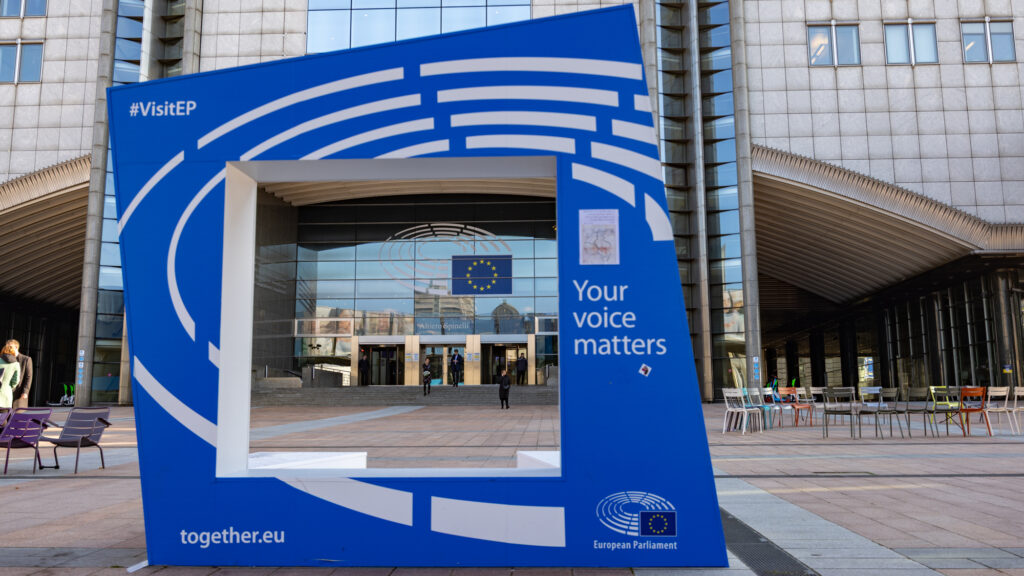
According to Article 15 of the Treaty of the European Union: ‘The European Council shall provide the Union with the necessary impetus for its development and shall define the general political directions and priorities thereof.’ While the Treaties originally intended the European Council—the forum of the Heads of State or Government of the Member States—to be the primary decision-making body of the European Union, in recent years the European Commission has taken the lead.
The European Commission’s growing power—at the expense of the Member States’ competences—is well documented. Thomas Fazi of MCC Brussels claimed more than a year ago that ‘We have witnessed a game-changing transfer of sovereignty from the national to the supranational level, at the expense of democratic control and accountability.’
It is less recognized, however, that throughout this process not only the capitals have lost power—but some EU institutions as well. Most recently, the EU’s diplomatic corps—the High Representative and the European External Action Service—has been losing ground to the European Commission, which now appears intent on emerging as the EU’s foreign policy chief.
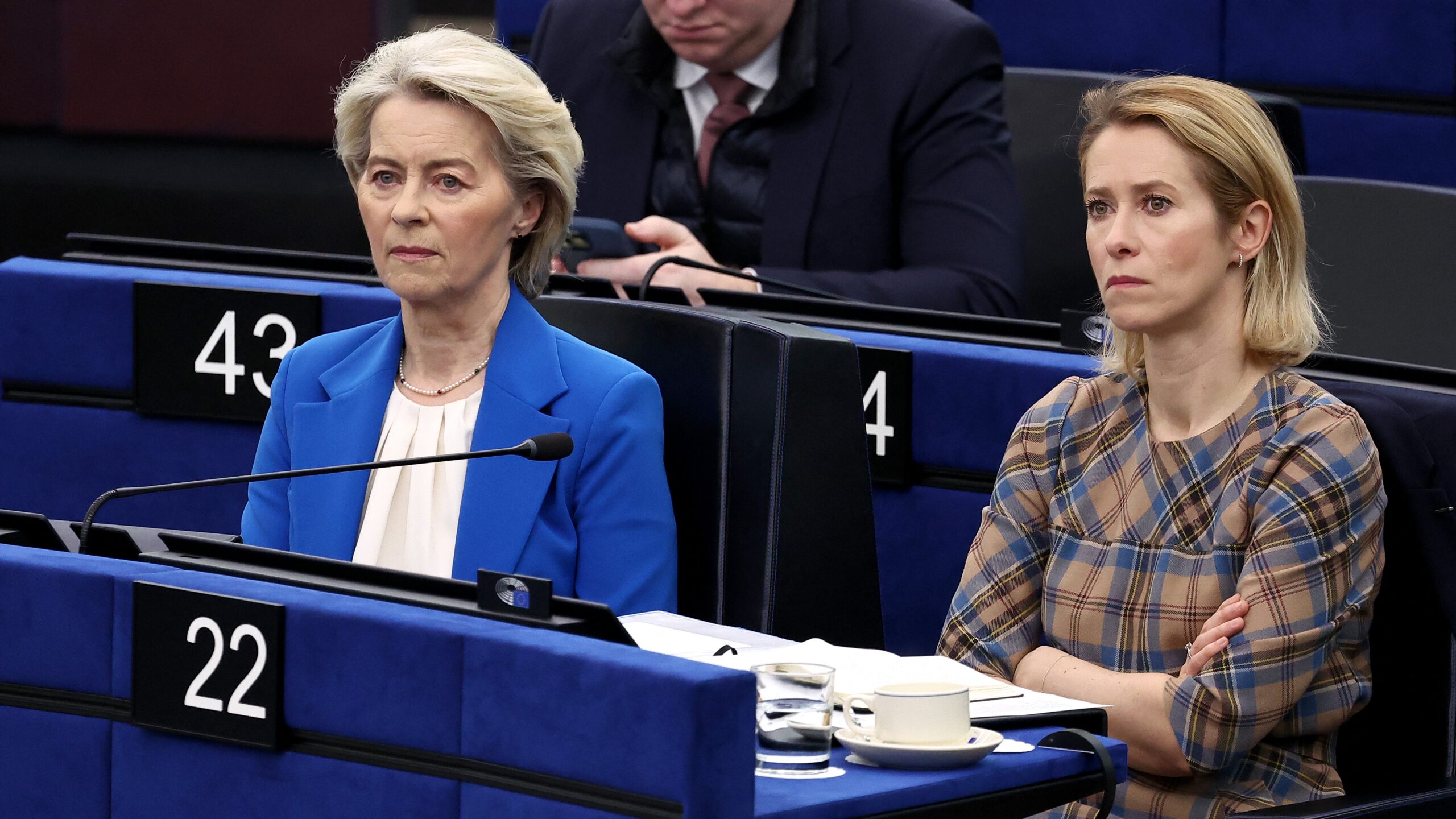
Officially, it is the EU High Representative for Foreign Affairs and Security Policy, currently Kaja Kallas, who ‘conducts the EU’s common foreign and security policy’ and represents the EU in the world of diplomacy. Recently, however, the European Commission has taken increasingly assertive steps into this domain.
In 2024, the Commission introduced a new post, the EU Commissioner for Defence and Space, currently Andrius Kubilius, whose responsibilities overlap with those of the High Representative in security and defence matters. Last year, the Commission also established a Directorate-General for the Middle East, North Africa, and the Gulf, further strengthening its capacity to intervene in foreign policy issues.
Ursula von der Leyen additionally sought to establish an intelligence cell under her direct supervision—a move reportedly opposed by Kallas, as it would have significantly reduced the High Representative’s room for manoeuvre.
The Commission’s appetite for creating parallel roles to the EU High Representative’s mandate has inevitably resulted in rivalry. The corruption scandal that shook the European External Action Service (EEAS) was widely interpreted as part of the intensifying institutional conflict between the High Representative and the Commission.
The EEAS—the EU’s diplomatic body—operates under the supervision of the High Representative, though it has never been entirely free from the Commission’s influence. In December, three officials associated with the EEAS were briefly detained on suspicion of involvement in a fraud case linked to EU-funded training programmes for junior diplomats.
Notably, figures mentioned in connection with the case—including former EU chief diplomat and Commission Vice-President Federica Mogherini and Director-General Stefano Sannino—were widely regarded as close affiliates of Ursula von der Leyen, a coincidence that further fuelled perceptions of intra-institutional rivalry rather than merely administrative failure.
The removal of some of its affiliates did not discourage the European Commission from pursuing greater power in the field of foreign policy. The Commission’s recent legal initiative, the European Democracy Shield, also appears to weaken the functions of the European External Action Service (EEAS) and, by extension, those of the EU High Representative.
For years, the EEAS has run a project called EU vs Disinfo, aimed at ‘countering disinformation’—an objective that closely mirrors that of the Commission’s Democracy Shield initiative.
First, it is important to note that both the EEAS project and the Democracy Shield have been criticized as EU instruments of censorship, accused of monitoring, controlling, and cataloguing unwanted online content. Second, the Commission’s effort to hollow out the EEAS’s existing project by creating a parallel, but better-resourced, mechanism is a clear indication of the Commission’s expanding role—and growing dominance—in the field of EU foreign policy.
Last weekend, the escalation of the conflict in Tehran highlighted the rivalry between the European Commission President and the EU High Representative. The European Commission and European Council Presidents issued a joint statement on the matter, while the High Representative released an independent statement on the clashes in the Middle East. The press releases were finalized without consultation between Kaja Kallas and Ursula von der Leyen. This lack of dialogue—or, if not worse, the apparent unwillingness to engage—clearly exposes the internal tensions between the High Representative and the Commission.
‘This lack of dialogue...clearly exposes the internal tensions between the High Representative and the Commission’
While the European Commission’s power grab is often romanticized as a way to enhance the EU’s capacity to respond to crises, in reality it represents a form of centralization that undermines Member States’ competences and weakens democracy. Member States’ veto rights, the European Council’s now hollowed leading role, and the institutional balance between Commission President and High Representative were designed to ensure checks and balances within the EU. The Commission’s growing appetite to seize power across multiple fields is eroding the institutional balance enshrined in the Treaties.
Related articles:
At a time when public debate is increasingly polarized and superficial, Hungarian Conservative remains committed to depth, intellectual honesty, and independent conservative thought.
Producing high-quality journalism requires resources. Your contribution helps us expand our coverage, reach new audiences, and keep our content accessible.

Please consider supporting our mission.